
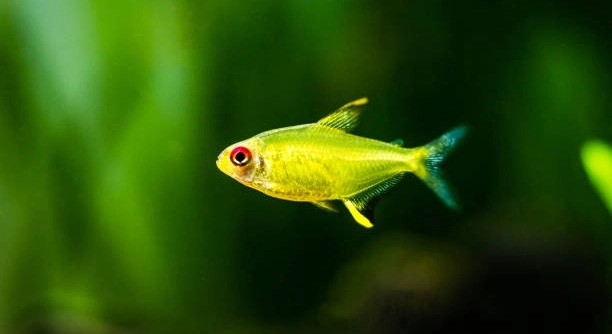
Lemon tetras are small, vibrant fish that add life to any freshwater aquarium. Observing their behavior can be both relaxing and enlightening, especially when they interact with other fish during feeding times. Understanding their patterns helps create a harmonious tank.
Lemon tetras often watch other fish feed, as this behavior allows them to assess food availability and competition. This observation helps them determine the safest moment to approach, ensuring they obtain nourishment while avoiding unnecessary risk.
Watching these interactions can reveal more about their social habits and feeding strategies. Learning these details contributes to a healthier and more balanced aquarium environment.
Why Lemon Tetras Observe Other Fish
Lemon tetras are naturally cautious and social fish. They tend to watch other fish feed to understand when it is safe to eat. In a community tank, this behavior helps them avoid conflicts with more aggressive species. Watching first allows them to see what foods are available and how other fish react. Over time, tetras learn which areas of the tank are safest during feeding. This is particularly helpful when introducing new foods or fish. Their observation also strengthens their awareness of the tank environment. It reduces stress by letting them avoid sudden movements or competition. I noticed my own tetras would often linger near the edges, watching larger fish eat before moving in to nibble on leftover flakes. This pattern demonstrates a blend of caution and curiosity. By understanding these behaviors, it becomes easier to provide a balanced feeding routine that accommodates all tank inhabitants.
Observing feeding patterns also improves tank harmony and ensures all fish get adequate nutrition without unnecessary stress.
This behavior is not random but a strategic adaptation. Lemon tetras rely on observation to determine safe feeding moments. By watching others, they gauge aggression, food availability, and the best areas to forage. This reduces the likelihood of injuries or missed meals. Over time, they become adept at anticipating the movement of other fish and positioning themselves advantageously. In community tanks, this means tetras may initially appear shy or hesitant, but they gradually become more confident as they learn patterns. Providing multiple feeding spots and observing how your tetras react can help ensure everyone eats properly. Consistency in feeding routines reinforces this behavior and minimizes competition. I often noticed that introducing new foods slowly allows tetras to adjust without stress, showing their reliance on observation as a tool for survival and comfort.
Strategies for Encouraging Healthy Feeding
Offering small portions in several locations reduces competition and ensures lemon tetras can feed without hesitation.
Introducing a mix of floating and sinking foods encourages natural foraging. Regularly rotating food types keeps tetras engaged and observant. It also prevents them from becoming reliant on watching others exclusively. Maintaining water quality and a calm environment further supports their feeding confidence. By observing how your tetras respond, you can adjust feeding strategies to match their comfort levels, ensuring they remain active, healthy, and social. Feeding should be predictable yet varied, offering opportunities for natural behaviors. This balance allows lemon tetras to thrive while maintaining peace among other fish in the tank. Providing occasional live or frozen foods stimulates their instincts, reinforcing natural feeding habits. Proper spacing and gradual introductions minimize stress, making observation a helpful tool rather than a necessity for survival. Over time, these practices build a stable feeding routine that benefits all tank residents equally.
How Observation Impacts Feeding Behavior
Lemon tetras learn from watching other fish where food is located and which areas are safest. This reduces competition and stress. Observing helps them time their approach, ensuring they get enough to eat without being chased or outcompeted by larger tank mates.
By consistently observing other fish during feeding, lemon tetras develop timing and strategy skills. They notice which fish are aggressive and which areas of the tank provide easy access to food. Over time, they adjust their behavior to avoid conflict and maximize their intake. This cautious approach is a natural adaptation that increases their chances of getting sufficient nutrition, particularly in community tanks with multiple species. I often notice my tetras waiting near the tank edges, moving in only after larger fish finish. Their observation allows them to eat leftover flakes safely without creating tension. Understanding this pattern helps in planning feeding strategies that support all fish equally.
Observation also affects how tetras interact socially during feeding. They learn to coordinate with others, reducing unnecessary stress and creating a more balanced environment. In my experience, once they feel safe, their confidence grows, and they begin feeding more actively. This shows that watching others is not just about food but about establishing a rhythm within the tank. It also highlights the importance of providing a calm, structured feeding routine, allowing each tetra to thrive while minimizing conflict with other fish.
Tips for Encouraging Independent Feeding
Providing multiple feeding spots ensures lemon tetras can access food without stress or competition. This supports healthy growth and reduces anxiety.
Rotating food types and textures keeps tetras engaged and encourages exploration. Offering flakes, pellets, and occasional live or frozen foods allows them to feed naturally and stimulates their instincts. Placing food in different areas prevents larger fish from dominating feeding spots. Over time, tetras learn to approach food confidently without waiting for others. Maintaining consistent feeding schedules reinforces these habits, while a calm tank environment minimizes stress and fosters independence. Observation becomes a tool for learning rather than a necessity for survival.
Encouraging independent feeding also promotes social stability within the tank. When tetras feel safe, they feed without hesitation, reducing conflicts. I noticed my fish began exploring new areas during feeding once they realized multiple food sources were available. This reduces crowding and ensures everyone gets enough nutrition. Gradual introduction of new foods further helps them adapt and minimizes stress. Supporting natural foraging behavior keeps tetras active and healthy, while reinforcing confidence in their feeding routine. By observing their responses, I can adjust placement and portions, creating a balanced environment that benefits all fish.
Common Signs Lemon Tetras Are Watching
Lemon tetras often hover near the edges of the tank during feeding. Their eyes follow other fish closely, and they may wait patiently before approaching food. This behavior signals caution and an effort to avoid conflict while still assessing opportunities to eat.
They sometimes swim back and forth near feeding spots, carefully observing larger or more aggressive fish. Quick darting movements indicate evaluation of safety, and only after confirming minimal threat do they move in. Their posture is often upright and alert, showing attentiveness rather than disinterest.
Managing Feeding in Community Tanks
In community tanks, it’s important to spread food across multiple areas. Lemon tetras may struggle to compete with larger fish if feeding is concentrated in one spot. By scattering flakes, pellets, or frozen foods, each fish can access nutrition without stress. I’ve noticed my tetras become more confident when they know food is available in different corners of the tank. Providing varied food types also encourages natural foraging behaviors. Over time, this reduces aggressive encounters, ensures even distribution of food, and allows shy tetras to feed alongside more dominant species. Observation skills help them adapt, but tank setup and feeding strategies make the process smoother.
Benefits of Observational Feeding
Observing other fish helps lemon tetras develop confidence and reduces stress during feeding times.
Do lemon tetras always watch other fish feed?
Lemon tetras do not watch other fish feed all the time, but it is a common behavior during feeding. They are naturally cautious and prefer to assess the situation before approaching food. In community tanks, this behavior becomes more noticeable because they observe larger or more aggressive fish first. Over time, they develop patterns and learn the safest moments to eat. I often see my tetras hovering near the tank edges, waiting for the more dominant fish to finish before moving in. This behavior reduces stress and helps ensure they get enough food without conflict. Observation is a strategy, not a constant requirement, and it often depends on the composition of the tank and feeding routine.
Why do lemon tetras prefer watching first rather than eating immediately?
Watching first allows lemon tetras to evaluate safety and competition. They assess which fish are dominant and which areas of the tank are safest for feeding. By doing so, they avoid unnecessary stress or confrontations with aggressive tank mates. This cautious approach is a natural survival mechanism, helping them access food without risking injury. I’ve noticed that even in calm tanks, my tetras still take a moment to observe before moving in. It seems instinctual rather than reactive, showing how much these small fish rely on visual cues to make decisions. Observation also helps them learn about new foods, as they watch others test it first. This behavior encourages a more stable and peaceful feeding environment.
Do lemon tetras ever feed independently without watching others?
Yes, lemon tetras can feed independently, especially once they feel secure in their environment. Over time, as they become familiar with feeding routines and tank mates, their reliance on observation decreases. In my experience, introducing multiple feeding spots and consistent schedules encourages them to approach food confidently. Independent feeding is more likely in smaller tanks or when aggressive species are absent. Even then, they may occasionally glance at other fish, but the initial caution becomes less critical. Providing a calm environment and predictable routines helps tetras develop confidence and reduces their dependency on watching others during feeding times.
Does observing other fish affect their nutrition?
Observation can influence nutrition, particularly in community tanks. Lemon tetras that wait too long may get fewer flakes or pellets if dominant fish eat first. This makes it important to distribute food across multiple spots or offer several small portions. I often scatter flakes around the tank so that shy tetras have access without confrontation. This strategy ensures all fish receive sufficient nutrients and prevents stress-related issues. Observation is helpful for safety, but without proper feeding management, it can result in inadequate nutrition. Watching others should be a learning tool, not a barrier to proper feeding.
Can observing other fish reduce stress for lemon tetras?
Yes, observation helps lemon tetras feel secure. Watching other fish first allows them to gauge the environment and predict potential threats. I notice my tetras become calmer when larger fish finish feeding or move away from feeding spots. By waiting and assessing, they avoid sudden interactions that could trigger stress or panic. This natural caution contributes to healthier behavior and reduces aggressive encounters. Over time, confident tetras feed more steadily and remain active throughout the tank. Observation acts as a stress management tool, helping them navigate community tanks more effectively.
How can I encourage lemon tetras to eat without relying on observation?
Encouraging independent feeding involves creating multiple feeding spots and consistent schedules. Scattering flakes or pellets allows tetras to access food confidently. Introducing different types of food, including frozen or live options, stimulates natural foraging instincts. I’ve found that a calm tank environment also helps shy tetras feed without hesitation. Gradual introduction of new foods reduces reliance on watching others first. Observing their behavior during feeding lets me adjust placement and portions. Over time, tetras gain confidence, and observation becomes optional rather than necessary. This approach ensures all fish receive adequate nutrition while maintaining harmony in the tank.
Do other fish behaviors influence lemon tetras’ feeding patterns?
Yes, the behavior of other fish significantly affects lemon tetras. Aggressive species or fast feeders can intimidate tetras, causing them to delay feeding. Conversely, calm or slower fish allow tetras to approach food with minimal hesitation. I noticed my tetras adapt quickly when I added new fish, adjusting their timing and preferred feeding spots. Their observational behavior helps them learn who to avoid and when to move in. Over time, tetras develop strategies for feeding alongside different tank mates, making observation a key tool for navigating community tanks.
Is observational feeding unique to lemon tetras?
While many fish exhibit cautious feeding, lemon tetras are particularly noticeable for this behavior. Their small size and social nature make them more likely to watch others before approaching food. In my tank, their bright color and alert movements make observation easy to spot. Other small schooling fish may display similar patterns, but lemon tetras combine social awareness with caution, creating a consistent and predictable feeding behavior. Recognizing this helps in planning feeding strategies that accommodate their natural instincts while promoting balanced nutrition.
How does tank setup affect their observation habits?
Tank layout, hiding spots, and feeding locations influence how lemon tetras observe others. Open spaces with scattered food encourage confident feeding, while crowded areas increase reliance on watching other fish first. I’ve adjusted my tank by providing multiple corners and plants near feeding zones, which allows tetras to approach food safely. Observation is reduced when they feel secure, but tank design still plays a role in their behavior. Proper arrangement supports independence while maintaining natural observational habits, contributing to a healthier and more peaceful environment.
Can observation improve their social behavior?
Observation strengthens social awareness among lemon tetras. By watching interactions during feeding, they learn the hierarchy and how to coexist peacefully. In my experience, tetras that observe others are less likely to engage in aggressive encounters and more likely to feed cooperatively. This behavior reinforces schooling instincts and improves overall tank harmony. Observational feeding provides both a learning opportunity and a mechanism for reducing conflict, ensuring tetras remain active, confident, and social.
Do lemon tetras respond differently to live food versus flakes?
Yes, lemon tetras show more caution with new or live food. They often watch others sample it before approaching. Flakes and familiar foods usually encourage quicker feeding, while live options may trigger extended observation. I’ve noticed my tetras hover near the edges, waiting to ensure safety before engaging with live foods. This behavior is part of their natural caution and learning process, allowing them to adapt safely to new feeding experiences. Gradual introduction of unfamiliar foods reduces stress and helps them develop confidence in approaching all types of food independently.
This FAQ section covers common behaviors and practical strategies for supporting lemon tetras while feeding, emphasizing observation as both a natural instinct and a useful management tool.
Lemon tetras are small, lively fish that display a fascinating mix of curiosity and caution, especially during feeding times. Watching them interact in a community tank reveals how instinct and learned behavior influence their actions. Observation is an important part of their feeding strategy. By watching other fish, they can determine the safest time to approach food, assess competition, and avoid unnecessary stress. This cautious behavior is natural and helps ensure they get sufficient nutrition without being intimidated by larger or more aggressive tank mates. Over time, lemon tetras become more confident as they learn the patterns of their environment and the behaviors of other fish. Providing a calm, structured feeding routine encourages this confidence and supports their overall well-being.
Creating the right feeding environment is essential for lemon tetras to thrive. Multiple feeding spots and varied food types allow them to access nutrition without relying solely on observation. Flakes, pellets, and occasional frozen or live foods stimulate natural foraging instincts and keep feeding interesting. Observing how they react to different food placements can guide adjustments in tank setup. In my own tank, scattering food across corners and near plants encourages tetras to explore and feed independently while still feeling safe. Gradual introduction of new foods reduces stress and ensures that all fish, including the shyest tetras, receive enough nutrition. Consistency in feeding times also strengthens their confidence, making them less reliant on watching others and more comfortable in approaching food directly.
Observation is not only about feeding but also reflects social behavior and adaptability. Lemon tetras learn to navigate interactions with other fish, understand hierarchies, and maintain harmony in a community tank. This behavior reduces aggressive encounters and helps maintain a stable environment. Watching their patterns can also provide insight into their health and well-being. Subtle changes in observation habits may indicate stress, illness, or changes in tank dynamics. By understanding their natural tendencies and providing a supportive environment, it is possible to promote both physical and mental health for lemon tetras. Attention to feeding habits, tank layout, and social dynamics ensures they remain active, confident, and healthy, ultimately creating a balanced and peaceful aquarium.

Hello,
If you enjoy the content that we create, please consider saying a "Thank You!" by leaving a tip.
Every little bit helps us continue crafting quality advice that supports the health, happiness, and well-being of pets around the world, for pets of all shapes, sizes, and species.
We really appreciate the kindness and support that you show us!