
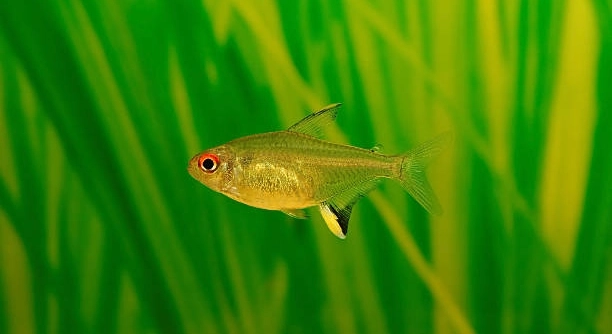
Is your arowana hiding more than usual after a recent tank cleaning? Many owners notice a sudden change in behavior, with their usually confident fish becoming unusually shy or reluctant to swim in open areas.
Arowanas often exhibit shy behavior after tank cleaning due to stress from environmental changes. Disruption of familiar scents, altered water parameters, and handling during cleaning can trigger temporary anxiety, causing the fish to retreat and reduce activity until it readjusts.
Understanding why your arowana reacts this way will help you provide a calmer, more stable environment for its recovery and long-term well-being.
Common Reasons Your Arowana Becomes Shy After Tank Cleaning
Many arowana owners notice sudden changes in their fish’s behavior following tank maintenance. Shyness often occurs because the cleaning process disrupts the fish’s familiar environment. Changes in water parameters, such as temperature, pH, or hardness, can create temporary discomfort. Even slight shifts can be unsettling for arowanas, which are sensitive to their surroundings. Removing decorations or rearranging the tank can further increase stress, as the fish loses landmarks it uses to navigate and feel secure. Handling during cleaning, like netting or moving the fish, adds another layer of stress, triggering retreat or hiding behavior. Noise, sudden light changes, and water movement during cleaning can also make the fish cautious. While this behavior may worry you, it is often temporary. Providing hiding spots and maintaining stable water conditions after cleaning can help your arowana regain confidence and return to normal activity more quickly.
Recovery usually takes a few days if the tank remains calm and stable.
Observing your arowana’s routine closely will help you notice subtle signs of stress. Consistent feeding schedules, gradual water adjustments, and minimizing sudden movements around the tank can ease anxiety. Over time, the fish becomes accustomed to post-cleaning conditions, gradually resuming normal swimming patterns. Maintaining a predictable environment helps your arowana feel safe and reduces long-term stress responses.
How to Reduce Shyness After Cleaning
Providing hiding spaces and minimizing disturbances immediately after cleaning helps the fish feel secure. Avoid sudden light changes or loud noises around the tank.
After tank maintenance, it’s essential to monitor water parameters closely and restore them to the levels your arowana is accustomed to. Sudden fluctuations in temperature, pH, or ammonia levels can exacerbate shyness and stress. Gradual acclimation helps the fish readjust without added pressure. Additionally, avoid overhandling your arowana during cleaning; gentle movements and minimal interference allow it to settle back into the environment. Reintroducing familiar decorations or leaving some areas untouched gives the fish visual landmarks and a sense of territory, encouraging exploration. Feeding small portions consistently during the recovery period reinforces routine and helps reduce anxiety. Patience is crucial, as some arowanas may take several days to regain their usual activity levels. Tracking behavior changes and maintaining a calm atmosphere will promote recovery, helping your arowana regain confidence and reestablish a stable presence in the tank.
Adjusting Water Parameters
Even small changes in water temperature, pH, or hardness can stress arowanas. Keeping these levels consistent helps the fish feel secure. Sudden shifts during cleaning often trigger hiding or reduced activity. Monitoring water closely prevents prolonged shyness and promotes faster recovery.
Gradually returning water conditions to the levels your arowana prefers is essential. Rapid changes can overwhelm the fish’s system, causing it to stay hidden or refuse food. Use a reliable thermometer and pH test kit to track adjustments carefully. Partial water changes, rather than full replacements, help maintain stability. Avoid adding chemicals or treatments abruptly, as they can intensify stress. Observing the fish’s behavior while making these adjustments provides clues about its comfort level and readiness to resume normal swimming.
Introducing small, gradual changes in filtration or aeration after cleaning can also help. Sudden water movement or strong currents may make the arowana nervous. Allowing gentle, consistent flow gives the fish time to acclimate. Maintaining predictable patterns in feeding, lighting, and tank activity further reduces stress. Over a few days, these careful adjustments encourage your arowana to explore the tank again and regain confidence in its environment.
Creating a Comfortable Environment
Hiding spots and gentle lighting make arowanas feel secure. Overexposed tanks or empty spaces increase shyness. Providing cover helps the fish regain confidence and reduces stress.
Adding decorations such as driftwood, rocks, or plants can create familiar reference points for your arowana. Rearranging the tank too drastically during cleaning can disorient the fish, making it reluctant to swim openly. Leaving some areas untouched preserves its sense of territory. Soft lighting reduces sudden visual stress, allowing the fish to explore gradually. Avoid overpopulating the tank, as crowding can increase anxiety and lead to extended hiding. By creating a stable, visually comfortable environment, your arowana can resume normal behavior more quickly and feel secure.
Minimizing Handling Stress
Frequent handling during cleaning can frighten arowanas. Use nets carefully and only when necessary. Limiting physical interaction reduces anxiety and encourages the fish to regain its normal behavior more quickly.
Moving decorations slowly instead of all at once helps. Sudden changes in the tank layout can confuse the fish, adding stress. Gradual adjustments allow it to adapt without feeling threatened.
Maintaining a Consistent Feeding Schedule
Feeding at the same times every day helps your arowana feel secure. Sudden changes in meal times or portion sizes can increase shyness. Consistent feeding routines signal stability, encouraging the fish to resume normal activity and reduce hiding behavior over time.
Observing Behavior Changes
Keep a close eye on your arowana after cleaning. Noting swimming patterns, appetite, and interaction with the environment helps identify lingering stress or discomfort. Tracking these details allows timely adjustments to water conditions or tank setup, promoting a faster recovery and a calmer fish.
FAQ
Why does my arowana hide after tank cleaning?
Arowanas are sensitive to changes in their environment. Even small adjustments in water temperature, pH, or tank layout can trigger stress. Hiding is a natural response that helps the fish feel safe while it adapts to new conditions. Sudden movements, bright lights, and noise during cleaning can also increase anxiety, making your fish retreat to familiar areas. Providing consistent water parameters and gentle surroundings encourages it to regain confidence more quickly.
How long will my arowana stay shy after cleaning?
Shyness usually lasts a few days, but it depends on the individual fish and the extent of environmental changes. Gradual adjustments to water conditions, consistent feeding, and minimal disturbances help shorten recovery time. Observing your arowana’s behavior daily allows you to notice improvements and identify if additional measures are needed. Some arowanas may recover faster, while others require patience and consistent care over a week or more.
Can overhandling make my arowana more stressed?
Yes, frequent handling or aggressive netting can significantly stress your arowana. Fish perceive sudden movements and direct contact as threats, which can intensify hiding and reduce appetite. Limiting handling to essential tasks during tank maintenance helps the fish feel more secure. Using gentle techniques, like slowly moving decorations instead of completely rearranging the tank, also reduces anxiety. The less physical interaction, the faster your arowana is likely to resume normal swimming and feeding behavior.
Do changes in decorations affect my arowana’s confidence?
Absolutely. Arowanas rely on familiar landmarks for orientation and security. Rearranging or removing decorations can make the fish feel disoriented, triggering retreat behavior. Keeping some areas consistent while slowly introducing new elements allows the fish to adjust without feeling threatened. Adding hiding spots, driftwood, or plants in the same locations after cleaning helps reestablish territory and reduces stress, encouraging exploration and natural behavior.
Will my arowana stop eating if it is stressed?
Stress can reduce appetite temporarily. After tank cleaning, it is common for an arowana to refuse food until it feels safe again. Maintaining consistent feeding times and offering small portions can encourage eating. Avoid overfeeding or forcing food, as this can increase stress further. Patience and a calm environment help your fish return to normal feeding habits. Observing subtle signs, like nibbling or slow movement toward food, can indicate it is beginning to recover.
How can I make my arowana feel safer after cleaning?
Providing hiding spaces, gentle lighting, and minimal disturbances helps your fish feel secure. Avoid sudden noise or strong water currents immediately after cleaning. Gradually restoring water parameters and keeping a stable feeding routine also reinforces safety. Small, consistent steps make the environment predictable and reduce anxiety. Over time, the fish will regain confidence, explore the tank more, and return to regular swimming patterns.
Is it normal for my arowana to stay in one corner after cleaning?
Yes, this is a common stress response. The fish may choose a familiar corner to feel protected while adjusting to changes. Avoid forcing movement or overhandling, as this increases anxiety. Providing some shelter or visual barriers in that corner allows the fish to acclimate at its own pace. Consistent conditions and gentle observation encourage gradual exploration of the entire tank.
Should I change the water differently to prevent shyness?
Partial water changes are safer than full replacements, as they maintain some of the familiar chemical balance. Sudden shifts in temperature, pH, or hardness can stress the fish. Slowly adjusting water conditions and using reliable testing tools helps prevent extreme changes. This approach minimizes anxiety and allows your arowana to remain confident and active, even after regular cleaning.
Can stress from tank cleaning affect my arowana’s health long-term?
Repeated stress can weaken the immune system, making your arowana more susceptible to illness. Consistent care, stable water parameters, and minimal disturbances reduce long-term health risks. Monitoring behavior, appetite, and physical appearance ensures that stress remains temporary. Intervening early when signs of prolonged anxiety appear helps maintain overall health and well-being.
What is the best way to reintroduce decorations after cleaning?
Introduce decorations gradually to prevent overwhelming your fish. Keep familiar landmarks in place and add new items slowly. This gives the arowana time to adjust without feeling threatened. Soft lighting and calm water flow further encourage exploration. Observing how your fish interacts with new additions helps you understand its comfort level and make adjustments as needed.
How can I tell if my arowana is recovering from stress?
Look for signs like increased swimming activity, normal appetite, and exploration of the tank. Retreating less often and interacting with decorations indicates growing confidence. Gradual improvement over several days signals recovery. Maintaining stable water parameters, a consistent feeding routine, and gentle handling supports this process, ensuring your arowana regains its usual behavior safely.
Can I do anything to prevent shyness during future cleanings?
Yes. Prepare the tank by keeping water conditions stable and minimizing changes. Limit handling and avoid moving decorations drastically. Introduce small, predictable adjustments in lighting, flow, and layout over time. Providing hiding spots and maintaining a consistent feeding schedule ensures your arowana feels secure. These practices reduce stress, making future maintenance less disruptive.
Maintaining arowanas can be rewarding, but it requires careful attention to their environment. Shyness after tank cleaning is a common and natural response, reflecting the fish’s sensitivity to changes in its surroundings. Even small alterations in water temperature, pH, or tank layout can make an arowana feel insecure. The hiding behavior observed after cleaning is usually temporary, but it is a signal that the fish needs time to adjust. Being aware of these stress responses helps in providing a more stable and comfortable environment, ensuring that the fish regains confidence without undue pressure. Paying attention to its behavior, such as swimming patterns and appetite, gives clear indicators of how well it is coping with the changes and whether additional adjustments are necessary.
Creating a consistent and calm environment after cleaning is key to helping an arowana recover from stress. Providing hiding spots and gentle lighting allows the fish to feel secure while it becomes familiar with the cleaned tank. Maintaining stable water parameters is essential, as sudden shifts can prolong shyness or lead to further stress. Gradual adjustments in water flow and temperature prevent overwhelming the fish. Regular feeding at consistent times helps reinforce a sense of routine, signaling that the environment is safe and predictable. Minimal handling and slow changes in decorations allow the fish to navigate the tank with confidence. Over time, these careful practices encourage exploration and normal activity, reducing the likelihood of prolonged hiding and stress-related behavior.
Observing and understanding your arowana’s responses to tank cleaning fosters long-term health and well-being. Patience is necessary, as each fish adapts at its own pace, and some may take several days to resume normal swimming and feeding patterns. Monitoring behavior closely ensures that any persistent stress or health issues are addressed promptly. Consistent care, stable water conditions, and a calm environment not only help the fish recover quickly but also prevent future episodes of excessive shyness. By respecting the fish’s natural responses and making adjustments thoughtfully, you create an environment where it feels secure, supported, and confident, allowing your arowana to thrive in its home tank.

Hello,
If you enjoy the content that we create, please consider saying a "Thank You!" by leaving a tip.
Every little bit helps us continue crafting quality advice that supports the health, happiness, and well-being of pets around the world, for pets of all shapes, sizes, and species.
We really appreciate the kindness and support that you show us!