
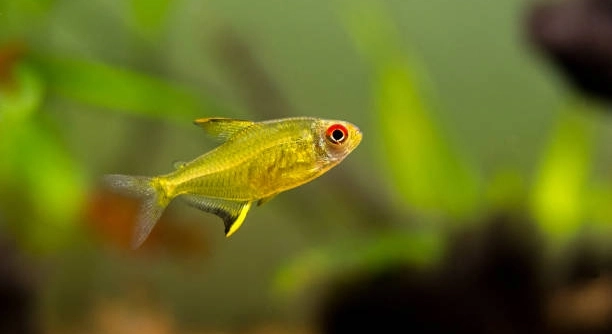
Are your lemon tetras easily startled when you add new plants to their tank, leaving you unsure about keeping their calm routine steady as you refresh the environment with gentle changes in layout and greenery.
The most effective way to introduce plants without disturbing lemon tetras is to work slowly, limit sudden movements, and adjust lighting. Gradual placement reduces stress, maintains stable water conditions, and preserves natural behavior, supporting a calm transition within the aquarium.
This gentle approach builds confidence in your aquarium routine, helping you understand the details that keep your lemon tetras comfortable.
Preparing the Tank for New Plants
Preparing your tank before adding new plants helps keep lemon tetras calm while you adjust the layout. Start by choosing plants suited for the aquarium size, lighting, and water balance you already maintain. Rinse each plant under clean water so debris does not cloud the tank. Trim long roots, remove damaged leaves, and place the plants in a clean container until you are ready. Turn down the lighting slightly to avoid sudden brightness shifts that can startle sensitive fish. Move slowly around the tank as you work because fast movements can disrupt their sense of safety. Keep filters running to maintain stability, but reduce strong currents if possible. Avoid stirring the substrate too much, since sudden clouds of silt may raise stress levels for lemon tetras. Prepare all tools in advance so you are not reaching into the tank repeatedly. These small steps help create a calm setup process overall.
Keeping your movements steady while preparing the tank helps lemon tetras feel secure as you set up new plants. A slow approach limits stress, keeps water clear, and supports natural behavior, giving the fish time to adjust without sudden disruptions during the setup process in a calm and steady manner.
Once the tank is prepared, placing the plants with care helps maintain a peaceful environment for lemon tetras. Lower the lighting a little more if the fish appear alert or skittish. Gently guide each plant into the substrate without pressing too hard or stirring debris. If using plant weights or rings, position them lightly to avoid sudden drops that could startle the fish. Keep your hands in the water for short periods, removing them slowly when needed. After arranging the plants, allow the fish a few minutes to settle so they feel comfortable with the new additions in their space.
Maintaining Stability After Plant Placement
After the plants are placed, protecting stability in the tank keeps lemon tetras comfortable as they adjust. Maintain consistent lighting, avoid sudden room movement, and allow the filtration system to support clear water while the fish adapt to the refreshed layout around them at their own calm and steady pace.
Keeping the tank stable after adding plants plays an important role in supporting lemon tetras as they continue to settle. Avoid changing water parameters during the first few hours because sudden shifts can make the fish uneasy. Let the filtration system run normally so it clears small particles without creating excessive current. Monitor the lighting level and keep it slightly dim, raising it slowly over the next day. This prevents abrupt brightness shifts that could stress the tetras. If the fish appear cautious, step away from the tank for a short period, giving them space to explore the new plants at their own pace. Check the placement of each plant to ensure nothing has shifted or released debris. Make small adjustments only if necessary and always move gently. Keep feeding on schedule to avoid interrupting their routine. As the tank settles, your steady approach supports calm behavior, allowing the fish to adapt comfortably to the refreshed environment.
Observing Lemon Tetra Behavior
Watching your lemon tetras after adding new plants helps you understand how well they are adjusting. Look for smooth swimming, steady movement, and relaxed shoaling. These signs show they feel calm. If they hide often, move gently around the tank to help them feel more secure during changes like these.
Noticing subtle shifts in behavior allows you to respond before stress becomes a problem. Lemon tetras often react to new plants by exploring slowly at first, checking the edges of leaves and adjusting to changes in light. If their colors remain bright and their movements stay smooth, they are adapting well. When they begin to shoal confidently near the new plants, it shows they accept the updated layout. If they become jittery, reduce nearby activity and dim the lighting a little longer. These gentle adjustments support calm behavior and help them settle more comfortably as the environment stabilizes over time.
Keeping track of how lemon tetras respond over the next few hours helps you understand whether the tank remains stable. Subtle movements around plants, occasional exploring, and calm shoaling indicate comfort. If they begin to hover near the surface or hide behind decorations, they may need more time to adapt. Keep the room quiet so they do not react to sudden movement. Maintain consistent lighting and avoid unnecessary tank adjustments. These small actions allow the fish to relax gradually. As they move smoothly through the plants, you can be confident the environment supports their calm behavior without unnecessary stress today.
Supporting Long Term Stability
Maintaining long term stability helps lemon tetras remain comfortable after plant placement. Keep water parameters consistent so the fish do not face unexpected changes. Limit loud activity near the tank, since sudden sounds may startle them. Check plant placement daily to ensure nothing has shifted. Stable lighting also prevents unnecessary stress. These small habits support calm behavior, allowing lemon tetras to continue exploring their environment while feeling safe in their space for the days ahead.
Maintaining stable conditions after placing new plants helps lemon tetras adapt comfortably as the environment settles. Keep filtration running at a steady level so water remains clear without creating a strong current. Keep feeding times consistent, since a reliable routine supports calm behavior. Monitor plant health so decaying leaves do not affect water clarity. If small particles appear, allow the filter to clear them rather than stirring the tank. Maintain a stable temperature, since fluctuations can cause stress. Avoid tapping on the glass or making sudden movements near the tank while the fish adjust. Clean the tank gently during routine maintenance, taking care not to disturb plant roots. Each of these steps supports a calm environment that allows lemon tetras to adapt without unnecessary stress.
Choosing the Right Plant Types
Selecting appropriate plants helps keep lemon tetras calm as the tank changes. Choose species with soft leaves and gentle shapes that blend naturally into the environment. Avoid plants that require frequent trimming or strong lighting, since these needs may disrupt the peaceful routine your fish depend on.
Keeping plant growth manageable supports long term stability. Slow growing plants reduce the need for constant adjustments that might disturb the fish. Hardy options maintain their shape without shedding too many leaves. This helps keep the water clear and prevents unnecessary movement around the tank during maintenance.
Minimizing Stress During Adjustments
Working slowly during any tank adjustment helps keep lemon tetras calm when you move or trim plants. Keep lighting soft, move steadily, and avoid sudden changes to water flow. These simple choices support a peaceful environment and give your fish the time they need to feel comfortable.
Understanding Subtle Stress Signs
Noticing early signs of discomfort helps you act before stress becomes a problem. Soft color fading, tight shoaling, or sudden darting around plants may indicate uneasiness. Keeping your movements steady and limiting disturbances supports a calmer environment while they adapt.
FAQ
How can I introduce plants without shocking my lemon tetras?
Introduce plants slowly and carefully, keeping movements minimal. Rinse and trim plants beforehand, then place them gently in the substrate. Lower lighting slightly during placement and avoid creating strong currents. Give your tetras space to adjust, watching for calm swimming and natural shoaling as signs of comfort.
Is there a best time of day to add plants?
Adding plants when your lemon tetras are less active, usually early morning or late evening, reduces stress. Dim the lighting for a few hours before and after placement to help fish acclimate. This gradual introduction allows them to explore plants at their own pace without sudden disturbances.
Do lemon tetras hide when stressed by new plants?
Yes, hiding is a common stress response. If fish retreat, step back, keep the area quiet, and avoid adjusting plants immediately. Stable lighting and consistent water conditions help reduce stress and encourage them to return to normal activity within a few hours.
Should I remove existing decorations when adding plants?
Not necessarily. Keep some familiar elements in the tank to provide a sense of security. Adding plants around these spots helps fish explore without feeling exposed. Avoid major rearrangements at the same time to maintain stability and minimize stress for your lemon tetras.
Can plant fertilizers affect lemon tetras?
Some fertilizers may irritate sensitive fish, especially liquid forms with high concentrations. Use only aquarium-safe fertilizers and follow recommended dosages. Monitor fish behavior closely after adding fertilizer. If you notice unusual swimming or hiding, perform a partial water change to reduce exposure.
How do I maintain calm water conditions when adding plants?
Keep filtration running at normal speed but avoid creating strong currents. Move hands slowly and limit substrate disturbance. Slightly dimmed lighting and slow placement help water remain clear while fish adjust. Patience is key; gradual adjustments prevent stress and preserve a peaceful environment.
What are signs that my lemon tetras are adapting well?
Healthy behavior includes smooth swimming, bright coloration, and consistent shoaling near the new plants. They may explore cautiously at first but should gradually interact with the plants confidently. Calm feeding and low hiding frequency are strong indicators that the tank remains comfortable.
How often should I check plant placement after adding them?
Check daily for the first few days to ensure plants remain stable and do not release debris. Minor adjustments can be made carefully, but avoid frequent handling. Stable placement reduces stress and helps tetras feel secure as they explore the new environment.
Is it necessary to quarantine plants before adding them to the tank?
Quarantining new plants is recommended to prevent pests or algae from spreading. Rinse and soak plants separately for a few days if possible. This extra step reduces potential stress from sudden water changes and keeps the tank safe for lemon tetras.
How do I handle fast-growing plants without stressing my tetras?
Trim fast-growing plants gradually, removing small portions at a time. Avoid sudden large cuts that create debris clouds or sudden visual changes. Work slowly with dimmed lighting and minimal tank disturbance, allowing the fish to adjust naturally without panic or hiding.
Can adding multiple plants at once stress lemon tetras?
Yes, large changes can overwhelm them. Introduce plants in small batches over several days. This staged approach helps maintain calm behavior and allows fish to explore and adjust gradually. Limiting the number of changes at a time reduces unnecessary stress and preserves tank stability.
How important is water temperature during plant introduction?
Maintaining a stable water temperature is essential. Sudden changes can compound stress from new plants. Keep your tank within the recommended range for lemon tetras, usually around 23–27°C, to ensure the environment remains comfortable while they adjust to the new plants.
What should I do if my lemon tetras remain stressed for hours?
Reduce activity near the tank, keep lighting slightly dimmed, and ensure water conditions remain stable. Avoid moving plants or decorations during this time. Most tetras calm within a few hours, but persistent stress may require checking water quality and tank parameters to rule out additional issues.
Are floating plants better for reducing stress than rooted ones?
Floating plants provide shaded areas, giving tetras places to feel safe, which can be helpful during transitions. Rooted plants are also fine if placed carefully. A mix of both types often works best, offering shelter while gradually introducing fish to new textures and structures in the tank.
Can introducing plants improve the overall health of lemon tetras?
Yes, plants offer natural hiding spots and help maintain water quality. They reduce aggression and provide enrichment by encouraging exploration. Healthy plants also support oxygenation and help filter the water, creating a more stable and comfortable environment for your lemon tetras.
Introducing plants to a tank with lemon tetras can feel tricky at first, but with careful steps it becomes a manageable task. The key is to move slowly and work deliberately. Rushing or making sudden changes can startle the fish and disrupt their natural behavior. Small adjustments, such as dimming the lighting slightly during placement, rinsing plants thoroughly, and trimming damaged leaves, can make a noticeable difference in keeping the environment calm. Preparing tools in advance and having a clear plan reduces the need to reach into the tank repeatedly, which helps maintain water clarity and lowers stress for the fish. Even minor movements, like stirring the substrate too much or dropping a plant too quickly, can cause cloudiness and make lemon tetras uneasy. By taking these steps carefully, the process of adding plants becomes smoother and less stressful for both the fish and the keeper.
After placement, observing the fish closely is essential. Lemon tetras show comfort or discomfort through subtle behaviors. Calm swimming, consistent shoaling, and exploring the new plants gradually are signs of adaptation. Hiding behind decorations, darting suddenly, or lingering near the surface may indicate stress. In these cases, reducing activity around the tank and keeping lighting slightly softer helps them adjust more comfortably. It is important to avoid rearranging the tank too soon after adding plants. Even small adjustments can unsettle the fish. Maintaining water stability is equally important; temperature, filtration, and water parameters should remain consistent. A steady routine for feeding and light exposure provides reassurance to the tetras, helping them accept the new additions without unnecessary stress. Monitoring these behaviors allows you to respond quickly if any discomfort arises, ensuring the fish continue to thrive.
Long-term care after introducing plants focuses on maintaining a calm and stable environment. Choosing hardy, slow-growing plants minimizes frequent trimming and reduces disturbances. Regular checks of plant placement prevent debris from accumulating or shifting plants from their intended positions. Aquarium-safe fertilizers, when necessary, should be used in recommended amounts to avoid affecting the fish. Gradual care routines, including gentle cleaning and steady filtration, help preserve water quality while keeping the fish comfortable. Over time, lemon tetras learn to interact with the new plants confidently, exploring, shoaling, and feeding as usual. By following these simple steps, you create an environment that supports both the health of the plants and the well-being of the fish. A thoughtful, patient approach ensures that your aquarium remains a calm, stable, and enjoyable space for your lemon tetras for months and years to come.

Hello,
If you enjoy the content that we create, please consider saying a "Thank You!" by leaving a tip.
Every little bit helps us continue crafting quality advice that supports the health, happiness, and well-being of pets around the world, for pets of all shapes, sizes, and species.
We really appreciate the kindness and support that you show us!