
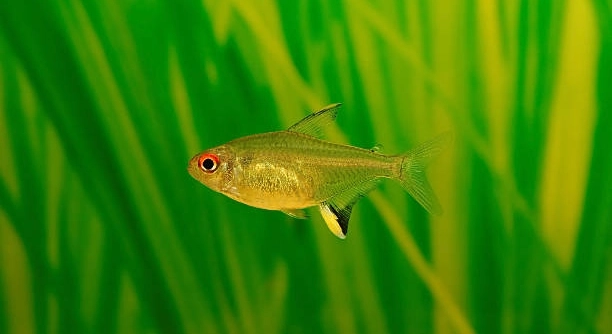
Lemon tetras are small, bright fish that bring color to any aquarium. Many hobbyists notice them spending most of their time near one spot, swimming back and forth in a seemingly fixed area.
Lemon tetras focus on a single spot primarily due to territorial instincts and comfort. This behavior allows them to monitor their surroundings, secure resources, and reduce stress. Consistent environmental cues in that area make it a preferred resting or activity zone.
Learning why they choose this spot can improve tank setup and care. Understanding their habits helps create a more balanced and comfortable environment for these lively fish.
The Role of Territory in Lemon Tetra Behavior
Lemon tetras often claim a specific area of the tank as their own. This behavior is rooted in natural instincts, as these fish feel more secure when they have a consistent location to observe and navigate. The spot they choose usually has elements that make them comfortable, like plants, rocks, or hiding places. These features provide protection and create a sense of stability, reducing stress and encouraging normal activity. By staying near a familiar spot, lemon tetras can monitor movements around them, interact safely with other fish, and react quickly to any changes in the environment. Tank design can influence their preference, with open spaces or calm corners being favored. Observing this behavior can help aquarists understand their fish better and adjust decorations or layout to support their natural habits, ensuring healthier and more content fish in the aquarium.
Territorial behavior in lemon tetras is natural and helps them feel secure. It reflects instincts to monitor surroundings and maintain a safe area.
By understanding their need for a defined space, you can enhance tank conditions. Consistently providing plants or other structures in their preferred area encourages regular activity and reduces aggression. Lemon tetras use these zones to rest, feed, and interact safely with other fish, which strengthens social structure. Observing which spots they favor can guide rearranging or adding new features to maintain comfort. Keeping water conditions stable around these areas ensures that fish continue to use them confidently. Lemon tetras are sensitive to sudden changes, so placing familiar objects and avoiding frequent movement near their spot helps maintain calm. This behavior also indicates their overall well-being; when a fish avoids its usual area, it may be a sign of stress or illness. Supporting territorial behavior while ensuring adequate space for all tank members helps create a balanced, peaceful environment, allowing lemon tetras to thrive and display natural activity patterns consistently.
Environmental Factors Affecting Spot Preference
Lighting, current, and temperature influence where lemon tetras spend most of their time. Comfortable conditions encourage consistent behavior and reduce stress.
Other factors like plant density, hiding places, and tank mates affect where they settle. Consistent surroundings make them feel safe, encouraging them to stay near a chosen spot for longer periods.
Lemon tetras are sensitive to subtle changes in their environment. Strong currents or sudden shifts in lighting can make them leave a preferred area temporarily. They naturally select spots that provide a sense of security while still allowing easy access to food and social interaction. Dense plants or decorations offer protection, and calm corners help them feel less exposed. Tank mates also play a role; aggressive or larger fish may push lemon tetras to shift their location, while peaceful companions allow them to remain near their chosen spot. Understanding these environmental factors can help aquarists design a tank that supports natural behavior, promoting stability and reducing stress. Proper monitoring of water quality, temperature, and flow around their chosen spot ensures that lemon tetras continue to feel safe, active, and healthy in the long term.
Social Behavior and Spot Fixation
Lemon tetras often choose a spot based on social dynamics. They feel safer near tank mates and use their preferred area to interact, observe, and establish social order, helping reduce stress in a communal tank environment.
Spot preference is influenced by group behavior. When housed in schools, lemon tetras select locations that allow them to stay close to others. This ensures safety in numbers and enables clear communication through movement and color signaling. A familiar spot also allows them to retreat quickly if a dominant fish approaches. Fish that are isolated or new to the tank often explore before settling, but once they find a comfortable zone near others, they consistently return to it. Their social instincts reinforce the use of specific areas, which becomes a pattern over time, especially in well-planted tanks.
Monitoring social interactions around these spots can reveal hierarchy and compatibility among fish. Lemon tetras often balance personal space with proximity to companions, using their chosen area to feel secure while maintaining social engagement. Understanding these dynamics helps in designing tanks that accommodate both territorial needs and group behavior, ensuring harmony and active fish. Observing subtle cues like tail flicks or color changes around the spot can provide insight into stress levels or comfort, allowing timely adjustments to environment or tank mates. This approach supports healthy social patterns and promotes natural activity in a shared space.
Feeding and Spot Association
Lemon tetras often link their favorite spot with feeding areas, creating consistent routines that reduce stress and encourage regular activity.
They develop strong associations between specific spots and food delivery. When flakes or pellets are added near a chosen area, fish repeatedly return there, reinforcing comfort and routine. Predictable feeding zones also help reduce competition and anxiety among tank mates. Fish quickly learn that their preferred spot provides safety and access to nourishment, which strengthens their attachment. Over time, these locations become central to their daily patterns, and any change in feeding placement may cause temporary hesitation. Consistent feeding routines support mental and physical health, and observing fish in these zones can indicate appetite and overall well-being.
Using the feeding area as a reference point can help maintain tank harmony. Lemon tetras benefit from structured feeding that aligns with their spot preference. Placing food near their favored area encourages confident eating and reduces stress-related behaviors, such as hiding or erratic swimming. Careful observation of feeding interactions also highlights social hierarchies, as dominant fish may try to monopolize the spot while others wait patiently. By respecting their natural routines, aquarists can ensure that all fish access food safely, supporting growth and vitality. Regularly reinforcing the association between spot and nourishment enhances comfort, stabilizes social behavior, and promotes predictable patterns in the aquarium, making the environment more manageable and enjoyable for both fish and caretaker.
Comfort and Shelter
Lemon tetras often choose spots that offer shelter. Plants, rocks, or decorations provide protection from strong currents and bright lights, making these areas feel safer and more secure.
These comfortable zones also reduce stress. Fish are naturally cautious, and having a reliable hiding spot helps them relax and explore the tank with confidence.
Light and Water Flow Preferences
Lemon tetras are sensitive to light intensity and water movement. They often settle in areas where lighting is moderate and currents are gentle. Bright or turbulent spots can make them uneasy, so they gravitate to locations that balance visibility with comfort.
By selecting areas with favorable flow and light, lemon tetras maintain energy efficiently. Calm water prevents fatigue and allows them to swim in a controlled manner, while moderate light supports natural color display and feeding activity. These preferences also influence interactions with tank mates, as fish feel more confident and secure in areas matching their ideal conditions. Monitoring flow and illumination can improve overall well-being.
Repetition and Routine
Lemon tetras return to the same spot repeatedly because routines provide predictability. Familiarity reduces anxiety and encourages consistent behavior.
Observing Behavior Patterns
Watching where lemon tetras spend their time reveals habits, health, and comfort levels. Regular observation helps maintain a stable and supportive tank environment.
FAQ
Why do lemon tetras always stay in one spot?
Lemon tetras stay in one spot because it offers safety and familiarity. They often choose areas with plants, rocks, or gentle currents where they feel secure. Returning to the same spot helps them reduce stress, monitor surroundings, and maintain consistent routines.
Is it normal for lemon tetras to be territorial?
Yes, territorial behavior is normal. Lemon tetras claim a spot as their own to feel safe and establish social order. Territorial instincts help them interact safely with other fish, avoid conflict, and maintain a structured environment in the tank.
Can a lemon tetra’s favorite spot change?
Yes, it can change if tank conditions shift. Changes in light, water flow, or tank decorations can make a fish seek a new area. Similarly, adding new fish or rearranging plants may influence where they feel most comfortable.
Do lemon tetras prefer certain plants or decorations?
Lemon tetras often prefer areas with moderate plant density and hiding spots. Low or sparse decorations may feel exposed, while overly dense arrangements can limit movement. Ideal spots balance shelter and swimming space.
Does tank size affect spot behavior?
Tank size influences where lemon tetras choose to stay. Smaller tanks may make spots more obvious, while larger tanks give them more options. Fish still select areas offering safety, good visibility, and comfort within the available space.
How does feeding affect their spot choice?
Fish often link their favorite spot to feeding routines. Consistently placing food near a chosen area reinforces their attachment and comfort, encouraging predictable behavior. They return to the spot during feeding and feel secure in its surroundings.
Can stress change their spot preference?
Yes, stress can make lemon tetras avoid their usual spot. Aggressive tank mates, poor water conditions, or sudden disturbances may push them to new areas until they feel safe again. Observing changes in spot use can indicate stress levels.
Are spot preferences the same in all lemon tetras?
Not always. Each fish may have a personal preference based on personality, size, or social position. While some may favor similar areas, differences in temperament or comfort needs can create unique spot choices.
How can I encourage them to stay in one spot?
Providing shelter, moderate light, calm water, and consistent feeding near a preferred area encourages spot loyalty. Avoid sudden changes in decorations or tank layout, and maintain stable water parameters to support predictable behavior.
Does social interaction influence their chosen spot?
Yes, lemon tetras often select spots near companions. Being close to others provides safety and enables communication through movement and color cues. Spots that allow social contact without conflict are often preferred over isolated areas.
How do I know if a spot is good for my fish?
A good spot is one where lemon tetras swim confidently, feed comfortably, and interact calmly with tank mates. Signs of stress, hiding, or erratic swimming may indicate the area is unsuitable. Adjust decorations, lighting, or flow to improve comfort.
Can changing tank conditions improve their behavior?
Yes, minor adjustments like adding plants, rearranging hiding spots, or moderating light and flow can encourage natural activity. Observing responses to these changes helps create a supportive environment that promotes consistent spot use and overall well-being.
Do lemon tetras use spots differently at night?
They may rest in sheltered areas at night while still keeping an eye on their surroundings. A favorite spot often doubles as a resting area, providing comfort, protection, and a safe place to sleep while maintaining awareness of potential threats.
Is it harmful if they spend too much time in one spot?
Generally, no, as long as water quality is maintained, and they have enough space to swim and interact. Overly sedentary behavior could indicate stress or illness, so monitoring health and ensuring balanced activity is important.
Can I train lemon tetras to use a specific area?
Indirectly, yes. Consistent feeding, calm conditions, and structured routines can encourage them to use a desired area. They respond to predictability rather than direct training, and positive reinforcement through environment and routine is most effective.
Do tank mates influence their spot behavior?
Yes, the presence of other fish affects where they settle. Aggressive or larger tank mates may force lemon tetras to adjust their preferred area, while peaceful companions allow them to maintain their usual spots confidently.
How often should I monitor their favorite spots?
Regular observation helps track comfort, social dynamics, and health. Checking spots during feeding, play, or resting periods provides insight into fish behavior, stress levels, and overall well-being, helping maintain a stable tank environment.
Can water parameters make them leave a spot?
Yes, unfavorable water conditions, such as poor quality, temperature fluctuations, or strong currents, may prompt them to abandon a preferred area temporarily. Stable, clean water encourages confidence in their chosen spot.
Are spot preferences seasonal or constant?
Preferences are mostly constant but can shift due to environmental changes, social dynamics, or growth. Fish may explore new areas but typically return to spots that offer consistent safety and comfort.
What is the best way to support their spot behavior?
Maintain a stable environment with consistent feeding, moderate light, calm currents, and adequate shelter. Observing their behavior and making small adjustments ensures lemon tetras continue to feel safe and active in their chosen spot.
Final Thoughts
Lemon tetras are small but thoughtful fish that develop clear routines and preferences in their tank. Observing them return to the same spot repeatedly is not unusual, and it reflects their natural instincts for safety, comfort, and social behavior. These habits show how much they rely on consistent surroundings and environmental cues. When a lemon tetra settles in a particular spot, it is using that area to feel secure, monitor activity around it, and reduce stress. Over time, this behavior becomes a predictable pattern, allowing you to better understand their needs and adjust the tank layout or care practices accordingly. Small changes, like the placement of plants, rocks, or decorations, can make a significant difference in their comfort levels, while stable water conditions and gentle currents ensure they remain active and healthy. Watching them in these areas can give you valuable insight into their behavior, social interactions, and overall well-being.
The relationship between lemon tetras and their preferred spots is shaped by several factors, including feeding routines, light, water flow, and social dynamics. Fish quickly learn to associate their chosen areas with food delivery and safety, which encourages consistent use. Their natural curiosity and group instincts also guide them to select locations that allow for observation of tank mates while providing protection from larger or more dominant fish. Understanding these influences can help you design a tank that meets both environmental and social needs. Providing appropriate shelter, such as plants or hiding spots, while ensuring there is enough open swimming space allows lemon tetras to balance comfort with movement. Additionally, moderate lighting and gentle water flow help create a stable environment where they can thrive. Recognizing and supporting these preferences contributes to reduced stress, healthier behavior, and more predictable daily activity patterns, which can improve the overall harmony in a community tank.
Taking the time to observe and respond to lemon tetra behavior benefits both the fish and the keeper. When you notice them consistently returning to one spot, it is an opportunity to assess the tank’s setup, water quality, and social interactions. Adjusting elements like decoration placement, water flow, and feeding zones to align with their preferences reinforces positive routines and helps maintain a stable, stress-free environment. Similarly, noting any changes in spot usage can indicate health concerns or environmental issues that need attention. By paying attention to these small details, you can create a tank that supports the natural instincts of lemon tetras while ensuring they remain active, social, and healthy. Over time, this careful observation and thoughtful care allow you to develop a deeper understanding of their behavior, strengthen the connection between fish and habitat, and foster an environment where lemon tetras are confident, secure, and consistently engaged with their surroundings.

Hello,
If you enjoy the content that we create, please consider saying a "Thank You!" by leaving a tip.
Every little bit helps us continue crafting quality advice that supports the health, happiness, and well-being of pets around the world, for pets of all shapes, sizes, and species.
We really appreciate the kindness and support that you show us!