
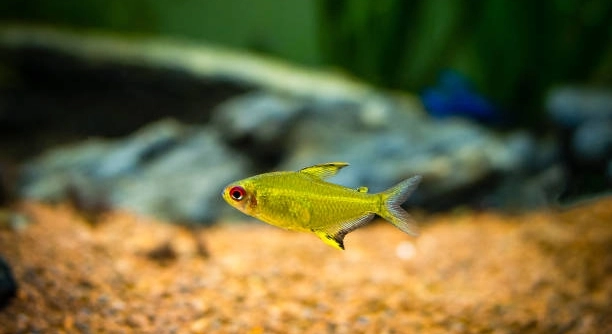
Do you enjoy keeping vibrant aquariums but notice your Lemon Tetras behaving oddly around lights? Many fish owners observe subtle changes in swimming patterns and color intensity when illumination shifts in their tanks. Watching these small changes can be fascinating.
Lemon Tetras often display increased activity and brighter coloration under well-positioned lighting. Light intensity and duration directly affect their behavior, including schooling patterns, feeding responses, and interaction with tank mates. Proper lighting promotes natural activity while minimizing stress and erratic movements.
Observing these behaviors can improve tank management and help maintain a healthy environment for your fish. Understanding their responses enhances the overall aquarium experience.
How Light Affects Lemon Tetra Behavior
Lemon Tetras respond noticeably to changes in light intensity. When lights are brighter, they tend to swim more actively near the top and middle sections of the tank. Their yellow hues appear more vivid, giving the impression of liveliness and alertness. Dimming the lights often results in slower, more cautious movements, with fish tending to stay closer to plants or decorations for cover. Sudden changes in lighting can startle them, causing short bursts of rapid swimming followed by periods of hiding. Consistent lighting schedules help them establish a routine, reducing stress and promoting natural behavior patterns. Observing these patterns can guide how to position lights in your tank. Different tank setups, like open swimming areas versus heavily planted spaces, can also influence how they react. Overly harsh lighting may overwhelm them, while soft, gradual lighting helps maintain their calm demeanor.
Adjusting light gradually can help maintain stability in the tank. Consistent schedules encourage natural movement and reduce stress.
Monitoring light effects allows for fine-tuning the aquarium environment. Subtle adjustments improve comfort and overall health, keeping Lemon Tetras active and visually appealing throughout the day.
Practical Tips for Lighting Lemon Tetra Tanks
Position lights to mimic natural conditions, ensuring the tank has shaded areas and open swimming spaces.
Choosing the right bulbs is essential. LED lighting provides flexibility in intensity and duration, allowing precise control over day and night cycles. Avoid excessively bright lights that may force the fish to hide continuously. Timers are useful to maintain a consistent schedule, preventing abrupt changes that can stress the fish. Observing your Lemon Tetras over several days will show patterns of preferred swimming zones and activity peaks. Adjusting light intensity gradually rather than abruptly helps them acclimate comfortably. Combining ambient room lighting with aquarium lighting can further reduce shadows and sudden contrasts, promoting a calmer environment. Additionally, using floating plants or light-diffusing materials can soften illumination, giving fish areas to rest and explore at their own pace. Regularly reviewing the tank setup ensures the lighting remains effective as plants grow and decorations shift. Properly managed lighting supports natural behavior and enhances the visual beauty of Lemon Tetras.
Adjusting Light Duration
Maintaining a consistent light schedule prevents stress and supports natural activity. Lemon Tetras thrive with about 8 to 10 hours of light daily, followed by a dark period for rest. Sudden changes can trigger erratic swimming and hiding behaviors.
Gradually increasing or decreasing light helps fish acclimate without startling them. Using timers ensures a steady routine, reducing the likelihood of stress-related illnesses. Observing their behavior during transitions provides insight into their comfort level. Some Lemon Tetras may become more active during early light periods, while others prefer calmer mid-day activity. Properly timed lighting supports feeding patterns and encourages natural schooling behaviors, creating a harmonious environment in the tank.
Consistency in lighting not only influences activity but also affects coloration. Proper day-night cycles allow Lemon Tetras to display their vibrant yellow and silver hues fully. Inadequate or irregular lighting can dull their appearance and increase stress levels. Even minor adjustments in timing can have noticeable effects on their behavior. Floating plants and shaded areas can further enhance comfort by offering refuge during bright periods, giving fish control over exposure. By monitoring and fine-tuning light duration, you create a stable and visually appealing tank.
Effects of Light Positioning
Light placement impacts swimming patterns and territorial behavior, encouraging natural exploration while preventing excessive stress.
Positioning lights directly above open areas encourages active schooling and feeding behaviors. Avoid placing lights too close to the water surface, which may create glare and intense reflections, causing Lemon Tetras to dart or hide. Side lighting can enhance plant growth and provide shaded areas, giving fish spots to rest when needed. Observing their preferred swimming zones helps in adjusting height and angle for optimal comfort. Rotating decorations or plants occasionally can prevent overly bright or dark zones, maintaining balanced exposure throughout the tank. Properly positioned lighting enhances natural behaviors, reduces aggression, and highlights their vibrant colors while keeping the aquarium visually appealing and healthy for all inhabitants.
Light Intensity and Mood
Higher light intensity can make Lemon Tetras more active, while dimmer conditions often encourage calm, reserved behavior. Gradual changes help avoid sudden stress.
Strong lighting highlights their colors but may cause temporary hiding. Balanced illumination ensures they feel secure and maintain natural swimming patterns.
Using Ambient and Tank Lighting
Combining room lighting with aquarium lights creates a consistent environment. Ambient light reduces harsh contrasts, while tank lights control intensity and focus areas. Adjusting both types together can minimize shadows and glare. Observation helps determine the best setup for promoting healthy activity and visual appeal.
Light Reflection and Tank Surfaces
Reflections from glass or water surfaces can startle Lemon Tetras. Minimizing glare with diffused lighting reduces stress and encourages natural movement.
FAQ
Do Lemon Tetras need very bright lights?
Lemon Tetras do not require extremely bright lighting. Moderate light is sufficient to bring out their natural colors and support plant growth. Too bright lighting may stress them, causing hiding or rapid swimming, while soft to moderate light encourages natural activity and schooling behavior.
How long should aquarium lights stay on for Lemon Tetras?
A consistent schedule of 8 to 10 hours of light daily works best. Following this with a period of darkness allows the fish to rest and mimic natural day-night cycles. Using timers can maintain this schedule reliably and reduce stress caused by sudden changes.
Can light changes affect their health?
Yes, sudden or irregular lighting can trigger stress, which may weaken the immune system. Over time, this can make Lemon Tetras more prone to illness. Gradual adjustments in intensity and duration help maintain stability, supporting both their behavior and overall well-being.
Do Lemon Tetras behave differently in planted tanks versus bare tanks?
They do. In planted tanks, fish often feel more secure, making them more relaxed and active around lights. In bare tanks, they may seek shaded areas or swim cautiously. Plants and decorations help break up light patterns, reducing glare and creating comfortable spaces.
Will the position of the light change their swimming patterns?
Yes, light position has a noticeable effect. Lights positioned over open swimming areas encourage active schooling, while side lighting or shaded zones give fish places to rest. Observing where they spend time can guide light placement for a balanced environment.
Can reflections in the tank disturb them?
Reflections from water or glass surfaces can startle Lemon Tetras, causing sudden darting or hiding. Using diffused lighting, adjusting angles, or adding floating plants helps minimize glare and reflections, promoting calmer and more natural behavior.
Do Lemon Tetras become more colorful under light?
Yes, proper lighting enhances their yellow and silver hues. Moderate, well-positioned light allows their colors to appear vivid without causing stress. Sudden bright light may temporarily make them hide, but consistent lighting helps them display their best coloration naturally.
Is it necessary to turn off lights completely at night?
Yes, a period of darkness is important. Continuous light can disrupt natural rest cycles and increase stress. Complete darkness simulates nighttime, allowing them to rest and maintain healthy behavior and coloration for the next day.
Can light intensity affect their feeding habits?
Indirectly, yes. Lemon Tetras are more likely to feed actively in well-lit areas where they feel safe. Too bright or harsh light may cause hesitation or hiding, while soft, moderate lighting encourages natural feeding patterns without stress.
Do different types of bulbs change their behavior?
LEDs are preferred because they offer control over intensity and color spectrum. Standard fluorescent bulbs work but may provide less flexibility. The right bulb type allows gradual adjustments and consistent illumination, supporting both plant growth and the fish’s natural activity.
How can I tell if my Lemon Tetras are stressed by light?
Signs include darting, hiding, clamped fins, or swimming only in shaded areas. Monitoring behavior after adjusting light intensity or schedule helps identify stress. Gradual changes, shaded areas, and consistent routines reduce these issues and improve their comfort.
Can seasonal light changes affect them?
Yes, seasonal variations in room light can influence behavior. Shorter daylight periods may reduce activity, while longer periods increase movement and coloration. Maintaining consistent aquarium lighting helps counteract extreme seasonal fluctuations and keeps behavior stable.
Do Lemon Tetras prefer natural light or artificial light?
Artificial light is preferred for consistency and control. Natural sunlight can cause temperature fluctuations, algae growth, and glare, stressing the fish. Carefully timed artificial lighting provides predictable illumination that supports their natural behavior.
Does tank size interact with light effects?
Yes, larger tanks may need more evenly distributed lighting to prevent dark zones. Smaller tanks are easier to illuminate uniformly. Proper light positioning ensures all fish experience balanced exposure without excessive brightness or shadows.
How do I combine ambient room light with aquarium lighting?
Using both together reduces stark contrasts and prevents sudden shadows. Ambient light softens the environment, while aquarium lights focus on intensity and direction. Coordinating both types creates a stable, comfortable setting that supports activity, schooling, and natural color display.
Are there long-term effects of poor lighting?
Chronic exposure to improper lighting can cause stress, faded coloration, and abnormal behavior. Over time, this may affect immune function and overall health. Correct light duration, intensity, and placement help maintain healthy behavior, coloration, and lifespan for Lemon Tetras.
Can I use floating plants to control light exposure?
Yes, floating plants create natural shaded areas, giving Lemon Tetras control over exposure. They can rest in shaded spots when light is strong and swim in open areas when it is softer, promoting natural behavior and reducing stress.
Does light intensity affect schooling behavior?
It does. Moderate, well-distributed light encourages tight schooling and coordinated swimming. Too bright or uneven lighting can scatter fish or make them hide, disrupting social patterns. Balanced illumination supports cohesion and reduces stress within the group.
Should I adjust lights gradually for new fish?
Yes, introducing new Lemon Tetras to a tank with abrupt lighting changes can increase stress. Gradually increasing intensity allows them to acclimate, explore the environment, and establish natural behaviors without excessive hiding or erratic movement.
How often should I review my tank lighting setup?
Regularly, especially as plants grow or decorations shift. Changes in light reflection, shadows, and intensity can impact behavior. Observing activity patterns and adjusting placement or intensity ensures a stable, healthy environment that maintains natural behavior and vibrant colors.
Final Thoughts
Lighting plays a significant role in shaping Lemon Tetra behavior and overall well-being. Observing their activity patterns under different lighting conditions helps understand their needs. Bright, moderate, or dim light can all influence swimming, feeding, and social interactions. By paying attention to how they respond, adjustments can be made to create a comfortable and natural environment that promotes healthy behavior and reduces stress. Consistency is key, as sudden changes in light can cause panic or erratic movements. Providing a mix of open swimming areas and shaded zones allows the fish to choose where they feel most secure, which is essential for their sense of safety and mental well-being.
Proper light duration also contributes to the daily rhythm of Lemon Tetras. A consistent schedule of roughly 8 to 10 hours of light followed by a dark period helps them rest and maintain their natural cycles. Timers can simplify this process and ensure stability in their environment. Gradual adjustments are always preferable to abrupt changes, whether increasing or decreasing intensity. This not only prevents stress but also encourages natural coloration and activity levels. Observing their behavior over time provides insights into what works best for each specific tank setup, as tank size, decorations, and plant coverage all affect light distribution. A well-planned lighting system supports not only the fish but also plants and overall tank health, making it easier to maintain a balanced and visually pleasing aquarium.
Finally, the combination of light intensity, position, and duration should be tailored to the needs of Lemon Tetras. Using diffused or adjustable lighting helps reduce reflections and glare, creating a calm environment. Floating plants or shaded areas offer additional control for the fish, letting them regulate exposure according to their comfort. Monitoring their responses and making small changes when necessary allows the tank to remain both functional and visually attractive. Over time, this attention to lighting can enhance their natural behaviors, vibrant colors, and overall health. Taking the time to understand and manage these factors ensures a stable environment where Lemon Tetras can thrive, swim actively, and display the natural beauty that makes them a popular choice in home aquariums.

Hello,
If you enjoy the content that we create, please consider saying a "Thank You!" by leaving a tip.
Every little bit helps us continue crafting quality advice that supports the health, happiness, and well-being of pets around the world, for pets of all shapes, sizes, and species.
We really appreciate the kindness and support that you show us!