
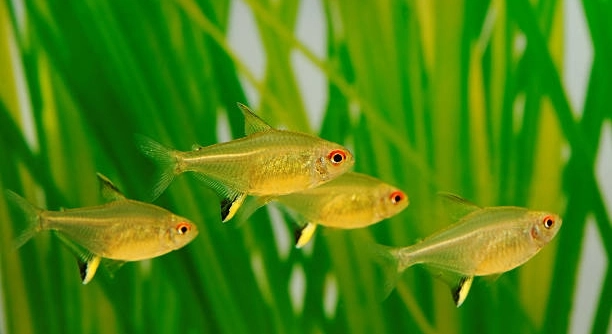
Lemon tetras are small, lively fish that brighten up any community tank. Their bright yellow bodies and peaceful nature make them a popular choice among aquarists seeking harmony in their aquarium.
Lemon tetras can catch diseases from other fish if exposed to pathogens. Proper quarantine, clean water, and healthy tank conditions significantly reduce the risk of disease transmission among species in a shared environment.
Understanding these risks helps maintain a healthy aquarium and protect your lemon tetras from potential illnesses before they become serious.
Common Diseases Lemon Tetras Can Catch
Lemon tetras are generally hardy, but they are not immune to illnesses. Some of the most common diseases include ich, fin rot, and velvet. Ich appears as small white spots across the body and fins, often accompanied by scratching against objects. Fin rot gradually eats away at the fins, leaving them ragged and frayed. Velvet causes a dusty, gold-colored coating on the body and can make the fish lethargic. Stress, poor water quality, or sudden changes in the tank environment increase susceptibility to these conditions. Maintaining stable water parameters and avoiding overcrowding are crucial preventive steps. Introducing new fish without proper quarantine can also introduce pathogens, so observing new additions closely is essential. Feeding a balanced diet with occasional live or frozen foods strengthens the immune system, making lemon tetras more resistant to infections. Early detection and treatment are key to ensuring they recover fully and continue thriving in a community tank.
Regular monitoring and care help reduce the likelihood of disease spreading in the tank.
By keeping an eye on their behavior and appearance, you can catch early signs of illness. Routine water changes and maintaining proper filtration are simple yet effective ways to prevent diseases. Quarantining new fish for at least two weeks before adding them to the main tank protects healthy fish. Using medications carefully, as recommended, can help treat infections quickly and effectively. Combining these practices ensures a healthier environment where lemon tetras can flourish and maintain their vibrant appearance.
Preventing Disease Transmission
Quarantining new fish is one of the simplest ways to prevent spreading disease.
Setting up a separate tank for at least two weeks allows observation for illness before introducing new fish.
Quarantine tanks give you time to notice unusual behavior or visible signs of disease before it reaches the main aquarium. In addition, keeping water quality consistent, feeding properly, and avoiding overcrowding reduce stress that can weaken fish immunity. Regular tank maintenance, including partial water changes and cleaning filters, also plays a critical role in prevention. Avoid cross-contamination by using separate nets and equipment for different tanks. Healthy, well-fed lemon tetras are more resilient against infections. Monitoring temperature and pH levels ensures the environment remains stable and comfortable. These combined practices help maintain a peaceful, disease-free aquarium where lemon tetras can thrive alongside other fish.
Symptoms of Illness in Lemon Tetras
Lemon tetras may show signs like clamped fins, lethargy, loss of appetite, or unusual swimming patterns. Spotting these early helps prevent severe health issues and allows for timely treatment before the condition worsens.
Changes in coloration, such as dullness or faded yellow, can indicate stress or disease. Ich often presents as tiny white spots, while velvet appears as a dusty golden layer on the body. Fin rot causes frayed edges, and abnormal swimming may signal internal issues or parasites. Observing behavior during feeding and interactions with other fish is critical. Early detection improves recovery chances and keeps the community tank stable.
Behavioral changes are also important indicators. Hiding, rapid gill movement, or rubbing against objects often point to discomfort or external parasites. Monitoring these subtle shifts daily allows for intervention before illness spreads. Consistency in water quality, temperature, and diet supports overall health and helps lemon tetras recover faster from minor issues without medication.
Treatment Options for Lemon Tetras
Medication can be necessary when diseases progress, but mild infections may improve with improved tank conditions.
Choosing the right treatment depends on the type of illness. Ich requires raising water temperature and possibly using anti-parasitic medications, while fin rot often responds to antibacterial treatments. Velvet may need specific anti-parasitic or antibiotic care. Following the instructions carefully is essential to avoid harming the fish or disrupting the tank balance.
Supporting recovery involves maintaining excellent water quality, removing sick fish to a hospital tank, and offering nutritious food to boost immunity. Monitoring progress daily ensures the treatment is effective and helps prevent recurrence. Combining proper medication with stable tank conditions gives lemon tetras the best chance of full recovery.
Quarantine Practices
New fish should always be quarantined for at least two weeks before joining the main tank. This period allows observation for any signs of illness that could spread to healthy lemon tetras.
A separate tank also prevents sudden stress from affecting the entire community. Keeping quarantine tanks clean and well-maintained is essential for accurate monitoring and safe introduction.
Maintaining Water Quality
Consistent water quality is crucial to prevent diseases. Regular testing for ammonia, nitrite, nitrate, and pH levels ensures a stable environment. Sudden fluctuations can stress fish and make them more prone to infections. Regular partial water changes help maintain optimal conditions.
Feeding and Nutrition
Providing a balanced diet strengthens the immune system. Lemon tetras benefit from high-quality flake food supplemented with occasional live or frozen options. Proper feeding supports growth, coloration, and overall health.
Observing Tank Behavior
Monitoring interactions in the tank helps detect early signs of stress or illness. Aggressive behavior, hiding, or erratic swimming can indicate underlying health issues, allowing for timely intervention.
FAQ
Can lemon tetras get sick from other fish?
Yes, lemon tetras can catch diseases from other fish if pathogens are present in the tank. Close contact, shared water, or introducing new fish without proper quarantine increases the risk of spreading infections. Maintaining a clean environment and monitoring fish health reduces this risk significantly.
What are the most common diseases lemon tetras face?
Lemon tetras are prone to ich, fin rot, and velvet. Ich appears as white spots on the body, fin rot causes ragged fins, and velvet gives a goldish dusty coating. Stress, poor water quality, and sudden environmental changes increase susceptibility. Early detection and treatment improve recovery chances.
How can I prevent my lemon tetras from getting sick?
Preventing disease involves quarantine for new fish, regular water changes, stable temperature, and balanced nutrition. Avoid overcrowding and maintain proper filtration. Observing fish behavior daily helps detect early signs of illness before it spreads to others. Clean nets and equipment prevent cross-contamination.
How do I quarantine new fish effectively?
Set up a separate tank for at least two weeks. Monitor for unusual behavior, visible signs of illness, and appetite changes. Provide clean water and proper food. Quarantine allows early treatment of potential diseases without affecting the main tank community.
What should I do if a lemon tetra shows symptoms of disease?
Move the sick fish to a hospital tank to prevent spreading illness. Identify the disease and use appropriate medication if necessary. Maintain excellent water quality and provide nutritious food to support recovery. Monitor progress daily to ensure effective treatment.
Can stress cause diseases in lemon tetras?
Yes, stress weakens the immune system, making fish more vulnerable to infections. Common stress factors include sudden water changes, overcrowding, aggressive tank mates, or poor water quality. Reducing stress with stable conditions and proper tank setup helps prevent illness.
How often should I check water parameters?
Water parameters should be checked weekly. Ammonia and nitrite should remain at zero, nitrate below 20 ppm, and pH stable according to the tank setup. Consistent testing ensures a healthy environment and reduces the risk of disease.
What foods help keep lemon tetras healthy?
High-quality flake food as the base diet works well. Supplement with live or frozen foods such as brine shrimp or daphnia for protein. A varied diet supports immunity, coloration, and overall vitality, making fish more resistant to disease.
Can one sick fish infect the whole tank?
Yes, contagious diseases can quickly spread in a shared environment. Immediate isolation of the affected fish and careful treatment prevents outbreaks. Maintaining proper hygiene and tank management helps protect healthy fish.
How long does it take for a lemon tetra to recover from disease?
Recovery time varies depending on the illness and treatment. Minor infections may improve within a few days with proper care. Severe diseases can take several weeks. Prompt treatment, stable water, and nutritious food are critical for full recovery.
Are there signs of early illness I should watch for?
Early signs include faded coloration, clamped fins, reduced appetite, lethargy, hiding, or erratic swimming. Observing these behaviors daily allows quick intervention before conditions worsen, helping maintain a healthy aquarium environment.
Is it safe to medicate the entire tank?
Medicating the entire tank is sometimes necessary for contagious diseases but should be done carefully. Follow instructions to avoid harming fish or beneficial bacteria. Using a hospital tank is preferred for targeted treatment whenever possible.
How does tank size affect disease risk?
Smaller, overcrowded tanks increase stress and disease transmission. Larger tanks with proper stocking density reduce aggression and allow stable water conditions, lowering the risk of infections among lemon tetras.
Can I mix lemon tetras with other fish safely?
Yes, as long as tank mates are peaceful, similar in size, and disease-free. Aggressive or incompatible species increase stress and susceptibility to illness. Quarantine new additions to prevent introducing pathogens.
What is the role of temperature in disease prevention?
Stable temperature reduces stress and prevents temperature-related infections. Sudden drops or spikes can weaken immunity and trigger illness. Maintaining the recommended range for lemon tetras supports overall health and disease resistance.
How do I know if a treatment is working?
Improvement in behavior, appetite, and appearance indicates effective treatment. Spots fading, fins healing, and increased activity are positive signs. Continue monitoring and completing the full course of medication to prevent relapse.
Are there natural ways to boost immunity in lemon tetras?
Providing a varied, high-quality diet and stable tank conditions strengthens immunity naturally. Avoiding stress, maintaining clean water, and offering occasional live or frozen foods helps fish resist infections without over-reliance on medications.
Can old or weak fish be more prone to disease?
Yes, older or weaker fish often have reduced immunity, making them more susceptible to infections. Extra care, gentle handling, and a stress-free environment help protect vulnerable lemon tetras and improve their chances of recovery.
Should I remove all decorations during treatment?
Not necessarily, but avoid porous decorations that may harbor pathogens. Smooth, cleanable surfaces are easier to disinfect and reduce the risk of reinfection during treatment. Regular cleaning supports a healthy, disease-free environment for all fish.
How long should I monitor fish after treatment?
Continue observing for at least two weeks after symptoms disappear. Relapses are possible, and early detection allows quick intervention. Maintaining consistent water conditions and proper nutrition during this period ensures long-term health.
Can lemon tetras transmit disease to other species?
Yes, some pathogens are not species-specific. Infected lemon tetras can spread diseases to other community fish if preventive measures, quarantine, and proper tank management are not followed.
Is it safe to mix treated and untreated fish?
Mixing treated and untreated fish is risky until the disease is fully cleared. Untreated fish may become infected, undermining treatment efforts. Proper quarantine and separation are essential for effective disease management.
How important is tank hygiene for disease prevention?
Tank hygiene is crucial. Regular water changes, filter maintenance, and removal of uneaten food reduce harmful bacteria and parasites. A clean environment significantly lowers the chances of disease and keeps lemon tetras healthy.
Can stress from transport cause illness?
Yes, transport can temporarily weaken immunity. Minimize stress by acclimating fish slowly, maintaining stable water conditions, and providing a quiet environment after introduction. Proper handling helps prevent post-transport infections.
Do lemon tetras need vitamin supplements?
Occasional vitamin supplements can support immune health, especially during recovery or stressful periods. Use recommended doses to avoid over-supplementation. A balanced diet usually meets most nutritional needs.
What is the first step when noticing sick fish?
Isolate the affected fish immediately to prevent spreading disease. Assess symptoms, check water parameters, and plan treatment based on the type of illness. Quick action increases recovery chances.
How can I reduce the risk of future outbreaks?
Regular monitoring, proper quarantine, clean water, balanced nutrition, and maintaining stress-free conditions help prevent future outbreaks. Consistent care and attention to early warning signs protect lemon tetras and other tank inhabitants.
Can lemon tetras survive without treatment?
Mild infections may improve with stable water and care, but most diseases worsen without proper intervention. Early treatment ensures survival, reduces suffering, and prevents spread to other fish.
Is it safe to use multiple medications at once?
Combining medications can be risky and may harm fish or disrupt tank balance. Use treatments sequentially or under expert guidance to ensure safety and effectiveness.
How do I know when the tank is safe again after disease?
The tank is generally safe once water parameters are stable, symptoms disappear, and no new signs appear in quarantined or treated fish. Continue monitoring for at least two weeks to confirm recovery.
What role does stress play in disease recurrence?
Stress can trigger relapse even after treatment. Avoid overcrowding, aggressive tank mates, sudden water changes, and poor nutrition to minimize stress and prevent recurring illness.
Can lemon tetras recover fully from severe infections?
Yes, with prompt treatment, proper care, and stable conditions, lemon tetras can recover fully. Recovery may take time, but consistent attention to health and environment improves outcomes.
Is it necessary to consult a veterinarian for fish diseases?
For persistent, severe, or unclear symptoms, consulting an aquatic veterinarian ensures accurate diagnosis and safe treatment. Professional guidance can prevent mistakes and improve recovery success.
How often should I observe my lemon tetras for signs of illness?
Daily observation is ideal. Watch behavior, coloration, appetite, and interactions. Frequent monitoring allows early detection, timely treatment, and better overall health for the tank community.
Can lemon tetras catch diseases from plants or decorations?
Yes, contaminated plants or decorations can introduce pathogens. Rinse or disinfect items before adding them to the tank to reduce the risk of infections spreading to fish.
Are there long-term effects after surviving a disease?
Some diseases may leave minor lasting effects, such as fin damage or slower growth. With ongoing care, most lemon tetras regain health and resume normal behavior.
How do I balance medication use with tank ecosystem health?
Limit treatment to affected fish when possible and avoid prolonged medication in the main tank. Monitor water quality and beneficial bacteria to maintain a healthy ecosystem.
Can lemon tetras recover from parasitic infections without medication?
Minor parasitic infections may resolve with stable water and strong immunity, but most require targeted treatment to prevent worsening and spreading to other fish.
What are signs that treatment is not working?
Persistent symptoms, worsening condition, or new signs of illness indicate ineffective treatment. Adjusting the approach or consulting a professional may be necessary to save the fish.
How do I keep lemon tetras healthy long-term?
Maintain clean water, stable temperature, balanced nutrition, proper quarantine, and minimal stress. Regular observation and early intervention ensure lemon tetras remain vibrant and disease-free in a community tank.
Is tank filtration important for disease prevention?
Yes, efficient filtration removes waste, controls harmful bacteria, and maintains water clarity. Proper filtration reduces stress and the risk of infections, supporting overall fish health.
Can overfeeding contribute to disease?
Yes, overfeeding increases waste, ammonia, and nitrate levels, promoting bacterial growth. Feeding appropriate portions reduces water pollution and lowers the risk of disease for lemon tetras.
Do lemon tetras need companions to stay healthy?
They are schooling fish and thrive in groups. Proper social structure reduces stress, encourages natural behavior, and contributes to overall health, making them more resistant to illness.
How do I know if my tank setup is contributing to illness?
Frequent disease outbreaks, high stress behavior, and poor water parameters suggest tank issues. Assess filtration, stocking density, water quality, and maintenance practices to identify and correct problems.
Can temperature fluctuations alone cause illness?
Yes, sudden changes in temperature stress fish and weaken immunity. Maintaining a consistent, suitable temperature range is essential to prevent stress-related diseases.
Are certain fish more likely to transmit disease to lemon tetras?
Aggressive, larger, or unhealthy fish are higher-risk for transmitting disease. Careful selection of tank mates and quarantine measures reduce this risk.
Is it safe to add new fish during a disease outbreak?
No, adding new fish can worsen the situation and introduce new pathogens. Focus on treatment, recovery, and stabilizing the tank before introducing additional fish.
Can lemon tetras survive mild infections without intervention?
Some may survive mild cases with strong immunity and excellent water conditions, but intervention is generally safer to prevent complications and protect other fish.
What are the most effective preventative measures?
Quarantine, clean water, proper nutrition, stress reduction, and careful observation are the most effective ways to prevent disease. Consistency in these practices keeps lemon tetras healthy long-term.
How do I know if a tank is fully recovered after disease?
Stable water parameters, healthy behavior, normal appetite, and absence of symptoms in all fish indicate recovery. Continued monitoring ensures long-term health.
Can lemon tetras transmit bacterial infections to humans?
No, diseases affecting lemon tetras are specific to fish. Proper hygiene when handling tanks is always recommended but poses no direct risk to humans.
Is it normal for fish to hide more after illness?
Yes, recovering fish often seek shelter to reduce stress. Allow hiding spots and avoid disturbances to support recovery and minimize stress.
Can stress from new tank mates cause illness?
Yes, introducing aggressive or incompatible fish can stress lemon tetras, weakening immunity and increasing susceptibility to disease. Proper selection and quarantine reduce this risk.
Are live plants safe during disease treatment?
Some treatments can harm live plants. Using hardy species or temporarily removing sensitive plants may be necessary during chemical treatments. Rinse or replace as needed.
How do I maintain long-term immunity in lemon tetras?
Consistent care, balanced diet, clean water, low stress, and monitoring for early signs of illness help maintain strong immunity and prevent recurring infections.
Can lemon tetras spread fungal infections?
Yes, fungal infections can spread through contact or shared water. Isolate affected fish and maintain clean conditions to prevent transmission.
How quickly do diseases spread in a community tank?
Contagious diseases can spread within days if conditions are poor. Early detection, isolation, and treatment are essential to control outbreaks.
Do water conditioners prevent disease?
Water conditioners neutralize chlorine and heavy metals but do not prevent disease. Proper hygiene, quarantine, and tank management are necessary for disease prevention.
How important is observation during feeding?
Feeding time is an opportunity to notice changes in appetite or behavior. Monitoring closely during feeding helps detect early signs of illness.
Can lemon tetras recover fully from fin rot?
Yes, with proper medication, clean water, and good nutrition, fin rot can heal completely, restoring fins and preventing secondary infections.
Are small tanks riskier for disease outbreaks?
Yes, limited space increases stress and waste accumulation, raising the likelihood of disease. Adequate tank size and filtration are important preventive measures.
Can untreated tank water carry disease?
Yes, untreated or contaminated water can harbor pathogens. Proper cycling, filtration, and conditioning reduce the risk of infections.
Do lemon tetras need vitamins during illness?
Supplementing vitamins can support recovery, especially when appetite is reduced. Use recommended doses alongside regular feeding to strengthen immunity.
What is the role of hiding places in disease prevention?
Hiding places reduce stress, provide security, and allow sick fish to recover. Natural behavior and reduced aggression contribute to better overall health.
Can disease affect reproduction?
Yes, sick fish may stop breeding or produce weak offspring. Ensuring health and proper conditions supports reproductive success.
Are there signs that disease has permanently affected a fish?
Visible deformities, missing fins, or slower growth may indicate lasting effects, but most lemon tetras continue to thrive with proper care.
Is it safe to reuse hospital tanks for new fish?
Yes, after thorough cleaning and disinfection, hospital tanks can be safely reused. Avoid contamination by removing residues and replacing water before adding new fish.
Can water temperature adjustments help treat disease?
Some diseases, like ich, respond to temperature changes. Raising or stabilizing temperature under careful monitoring can support treatment and speed recovery.
How often should I clean the main tank to prevent disease?
Partial water changes weekly and regular substrate cleaning help remove waste and reduce harmful bacteria, maintaining a disease-free environment.
Can stress from poor lighting cause illness?
Yes, inadequate or excessive lighting can disrupt behavior and stress fish, lowering immunity and increasing vulnerability to disease.
Should I isolate aggressive fish to prevent disease?
Yes, aggressive fish stress others, making them more prone to infections. Separation or tank adjustments help reduce stress-related illness.
How do I balance adding new fish with disease prevention?
Always quarantine new fish, maintain water quality, and avoid overcrowding. Careful observation and gradual introduction prevent outbreaks while expanding the tank community.
Can lemon tetras recover from multiple infections at once?
Recovery is possible but challenging. Targeted treatment, isolation, stable conditions, and strong nutrition improve the chances of surviving concurrent infections.
Is continuous observation necessary after treatment?
Yes, continued monitoring ensures symptoms do not return and fish remain healthy. Early detection of relapse allows quick corrective measures.
Do tank decorations influence disease spread?
Yes, porous or unclean decorations can harbor pathogens. Smooth, cleanable decorations reduce infection risk and support overall health.
Can lemon tetras transmit parasites to other species?
Yes, some parasites are not species-specific. Infected lemon tetras can pass parasites to other tank inhabitants, emphasizing quarantine and proper treatment.
How important is consistent feeding during recovery?
Consistent feeding maintains energy and supports the immune system. Small, frequent meals of high-quality food help fish recover more efficiently.
What should I do if symptoms return after treatment?
Reassess water quality, review medication protocols, and consult an expert if necessary. Quick intervention prevents worsening and protects other fish.
Are there signs of immune suppression in lemon tetras?
Frequent illness, slow recovery, and persistent lethargy indicate weakened immunity. Stress reduction, proper diet, and clean water help restore resilience.
Can overcrowding trigger disease outbreaks?
Yes, overcrowding increases stress, waste accumulation, and competition, making fish more susceptible to illness. Proper stocking density is essential for health.
Is it safe to add plants after disease treatment?
Yes, but ensure plants are clean and free of pathogens. Rinse or treat plants before reintroducing them to prevent reinfection.
Do lemon tetras need regular health check-ups?
Daily observation is the best form of health check. Look for behavioral or physical changes to catch illness early and ensure timely intervention.
Can diet alone prevent disease?
While a balanced diet strengthens immunity, it cannot fully prevent disease. Quarantine, clean water, and stress reduction are also essential.
Are some tank mates safer than others?
Peaceful, similarly sized, and healthy fish are safer companions. Aggressive or incompatible species increase stress and disease risk.
Does water hardness affect disease susceptibility?
Extreme hardness or softness can stress fish, making them more prone to infection. Maintaining parameters within recommended ranges supports overall health.
Can lemon tetras carry disease without showing symptoms?
Yes, asymptomatic carriers may harbor pathogens and spread disease. Quarantine and observation help prevent introducing hidden infections to the main tank.
Is it necessary to remove substrate during treatment?
Not always, but removing or cleaning contaminated substrate reduces pathogen load and supports effective treatment.
How do I maintain long-term disease prevention?
Regular observation, quarantine, clean water, balanced diet, low stress, and proper tank management are key to keeping lemon tetras healthy indefinitely.
Can multiple fish treatments interfere with each other?
Yes, some medications interact and may harm fish. Use sequential treatments or expert guidance to avoid complications.
Do seasonal changes affect disease risk?
Yes, temperature or lighting fluctuations can stress fish
Lemon tetras are beautiful, lively fish that bring color and energy to a community tank. They are generally hardy but can be susceptible to diseases if exposed to pathogens or stressful conditions. Maintaining a stable, clean environment is essential for their health. Regular water changes, proper filtration, and consistent monitoring of water parameters help prevent common issues such as ich, fin rot, and velvet. Introducing new fish without proper quarantine can expose them to illnesses, so isolating new additions for at least two weeks is an important preventive step. Observing behavior, appetite, and coloration daily allows for early detection of any health problems, which is critical for effective treatment. A small change in swimming patterns, clamped fins, or faded coloration can be an early sign of stress or disease. Catching these issues early improves recovery chances and protects other fish in the tank.
Nutrition plays a vital role in keeping lemon tetras healthy. Providing a balanced diet with high-quality flake food as a staple, supplemented occasionally with live or frozen foods, strengthens the immune system. Proper feeding routines support growth, enhance coloration, and increase resistance to infection. Overfeeding or inconsistent feeding can lead to poor water quality and stress, both of which make fish more prone to illness. Ensuring the tank is not overcrowded and that fish are housed with compatible species reduces stress and prevents aggression. Stress management is just as important as water quality and nutrition. A calm, well-maintained tank allows lemon tetras to exhibit natural behavior, build stronger immunity, and recover more quickly if they do fall ill. Regular cleaning, maintaining hiding spaces, and avoiding sudden changes in the environment help create a safe and supportive home for them.
Even with careful management, diseases can still occur. Knowing how to respond effectively is crucial. Isolating sick fish, identifying the type of illness, and providing the right treatment while maintaining clean water and proper nutrition gives lemon tetras the best chance of recovery. Monitoring progress daily ensures that any treatment is working and allows adjustments if needed. Preventive measures, such as quarantining new fish, maintaining water quality, and feeding a balanced diet, remain the most reliable ways to reduce the risk of illness. By combining vigilance, consistent care, and a stable tank environment, lemon tetras can thrive in a community aquarium for many years. Taking the time to observe, manage stress, and respond quickly to health concerns creates a sustainable, disease-free habitat, allowing these small, colorful fish to remain vibrant, active, and healthy. A well-maintained tank not only supports the physical health of lemon tetras but also allows you to enjoy their natural behavior and lively presence every day.

Hello,
If you enjoy the content that we create, please consider saying a "Thank You!" by leaving a tip.
Every little bit helps us continue crafting quality advice that supports the health, happiness, and well-being of pets around the world, for pets of all shapes, sizes, and species.
We really appreciate the kindness and support that you show us!