
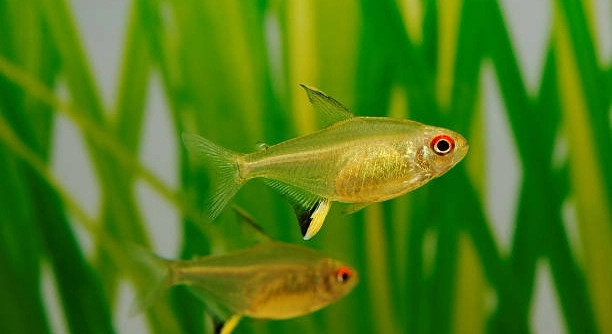
Have you ever noticed your arowana moving in short bursts while you try to understand what this sudden behavior means for its comfort, health and overall well being in your home aquarium during your observations.
The primary reason an arowana swims in short bursts often relates to environmental stressors, including poor water quality, limited space, or sudden disturbances. These conditions elevate physiological responses that manifest as quick movements intended to restore stability and maintain balance.
As you explore this behavior further, you will find guidance that supports a calmer environment and encourages healthy movement overall.
Common Triggers Behind Short Burst Swimming
Sudden short bursts from your arowana often reflect shifts inside its environment that challenge its sense of ease and stability. Changes in lighting, unstable temperatures, or water quality changes can push the fish to react with quick motions as it tries to adjust. When something feels unfamiliar, the arowana depends on natural instincts that encourage rapid movement to create distance and regain balance. Even small changes such as shifting plants or introducing new tank mates can activate these brief spurts. Repeated disruptions may increase tension, making the fish more responsive to tiny triggers that it would normally ignore. Understanding these patterns helps you create steadier conditions that allow the fish to settle, swim smoothly, and behave with greater confidence overall. Maintaining consistent care, stable water readings, and calm surroundings encourages a slower pace, allowing your arowana to feel safe and avoid sudden reactions that disrupt its rhythm.
Short bursts often occur when the arowana senses pressure from its surroundings and reacts quickly to maintain control. Stable water conditions, proper tank space, and gentle handling reduce these responses and guide the fish toward calmer, more predictable movement patterns over time, which helps it develop steady behavior daily overall.
Creating a stable setup begins with steady water parameters, gentle lighting, and minimal disturbances. Your arowana responds well to calm surroundings, so keeping feeding routines consistent and avoiding sudden changes supports healthier movement. Placing decorations thoughtfully and allowing enough swimming room reduces tension that leads to fast bursts. When the environment stays predictable, the fish gains confidence and settles into smoother habits. Paying attention to small signs of discomfort helps you adjust conditions before they affect long term behavior, allowing your arowana to enjoy a balanced space. This approach encourages natural motion and keeps your fish comfortable throughout each day.
How to Stabilize Your Arowana’s Behavior
A calmer tank begins with thoughtful adjustments that remove strain from your arowana’s daily routine. Clean water, balanced filtration, and predictable light patterns help reduce sudden reactions. These elements work together to support steady movement and limit unnecessary stress that builds over time and promote a healthier sense of comfort.
Improving your arowana’s behavior begins with creating a controlled environment that feels stable from morning to night. Start with reliable water maintenance, using regular testing to ensure ammonia, nitrite, and nitrate remain within safe levels. Calm lighting prevents sudden shifts that may startle the fish, while a well sized tank offers enough room for wide, smooth swimming. Carefully placed plants and structures create gentle boundaries without limiting movement. Reducing loud noises and quick motions near the tank further lowers tension. Feeding on a predictable schedule helps the fish understand when to expect activity, lowering the urge to react with rapid movements. Introducing new tank mates slowly and monitoring their interactions avoids conflicts that could trigger sudden bursts. Consistent cleaning, balanced filtration, and moderate water flow give the fish a sense of steadiness throughout the day. By noticing changes early and adjusting conditions with care, you support long term comfort and encourage behavior that stays relaxed and controlled. This approach strengthens the fish’s ability to remain calm, even when minor changes occur around it, and helps maintain a peaceful tank where movement feels natural, steady, and free from tension that disrupts its usual swimming rhythm across different times of day consistently.
Identifying Stress Signals
Short bursts often appear alongside other indicators that show your arowana is feeling uneasy. Rapid gill movement, hiding, surface pacing and sudden twitching can all signal discomfort. Observing these signs helps you act early and steady the environment before the behavior becomes more frequent.
Your arowana may also display changes in appetite and posture when stress grows. A fish that normally eats well may begin ignoring food or approaching it cautiously. Its body might stiffen or tilt as it tries to stabilize itself in uncertain conditions. You can often see small shifts in color when tension rises, especially if the fish is adjusting to poor water quality or sudden noise near the tank. Tracking these patterns makes it easier to identify what has changed inside the aquarium and address the source with calm, steady actions that guide the fish back to predictable movement.
Careful observation helps you understand how often these stress signals appear and whether they connect with specific disturbances. When a short burst is followed by frantic circling or attempts to escape, the environment may be too chaotic for the fish. If the behavior fades when the room stays quiet or lighting softens, the cause may be external rather than internal. Recognizing these differences helps you respond more accurately, supporting both comfort and consistent swimming patterns through small adjustments that match what your arowana needs each day.
When Tank Mates Influence Behavior
Tank mates can pressure your arowana in subtle ways that encourage quick movement. Even gentle species may occupy space too closely, causing your fish to assert boundaries. If the aquarium feels crowded, the arowana might react with short bursts that signal tension or discomfort around other fish nearby.
Introducing compatible species requires careful thought, since the arowana reacts strongly to behavior that seems intrusive. Active fish that zip around the tank can overwhelm it, while territorial species may provoke defensive bursts. Watching how each fish interacts helps you decide whether the group is suitable. A tank with ample room allows every species to create personal space without triggering constant reactions. When adding new fish, slow introductions and observation periods prevent conflicts before they escalate. Adjusting hiding spots and visual barriers can also reduce tension, giving each fish a calm area to retreat. Maintaining balanced stocking levels ensures your arowana feels secure, swims smoothly and responds less sharply to the presence of others.
Environmental Factors That Increase Reactivity
Water flow that is too strong can push your arowana into fast movement as it tries to stay balanced. Loud sounds near the tank, shifting decorations and sudden lighting changes also encourage brief bursts because the fish reacts quickly when its surroundings feel unpredictable or unsteady.
Temperature fluctuations and unstable water readings can also raise tension. Even small swings in pH or hardness may cause your arowana to move sharply as it responds to discomfort. Keeping every element steady makes a noticeable difference, helping the fish remain calm instead of reacting with rapid movement throughout the day.
Feeding Habits and Their Impact
Feeding routines influence how your arowana moves throughout the tank, especially when anticipation builds. When meals arrive at irregular times, the fish may dart around quickly because it expects food but cannot predict when feeding will occur. Overfeeding can also encourage restless behavior, especially if leftover food affects water quality. Offering balanced meals at consistent times supports calm movement and reduces sudden reactions. When the fish understands the feeding pattern, it spends less time searching aggressively and more time swimming smoothly. Careful portioning prevents digestive discomfort, helping the arowana maintain steady behavior after eating.
Creating a Supportive Routine
A predictable daily routine helps your arowana build confidence and reduces the need for rapid reactions. Simple habits like consistent lighting, regular cleaning and calm surroundings provide reassurance that supports smooth movement and balanced behavior.
FAQ
Why does my arowana swim in short bursts even when the water seems fine?
Even when water appears clean, small imbalances in temperature, pH, or hardness can trigger sudden movements. Your arowana senses subtle changes that humans might miss, such as minor chemical shifts or uneven currents. Stress from these factors can cause quick bursts, as the fish attempts to stabilize itself and maintain comfort. Consistently testing water parameters and keeping them stable prevents repeated sharp reactions and helps your arowana feel secure.
Can tank size affect short burst swimming?
Yes, a tank that is too small restricts movement and makes your arowana feel confined. Limited space often forces the fish into sudden, quick motions when it attempts to navigate around obstacles or other fish. A properly sized tank offers room for smooth, long swims, reducing stress-driven bursts. Adequate space also allows the arowana to explore without encountering boundaries too often, which encourages natural, relaxed movement patterns over time.
Do tank mates cause short burst behavior?
Tank mates can influence how your arowana reacts. Active, fast-moving fish or territorial species may trigger defensive or startled bursts as your arowana establishes its territory or avoids perceived threats. Even peaceful species can cause brief bursts if the fish feels crowded or pressured. Observing interactions and ensuring enough space for each fish reduces these reactions. Gradual introductions of new tank mates help your arowana adjust without resorting to sudden, sharp movements.
Does feeding schedule affect sudden swimming?
Yes, irregular feeding can provoke short bursts. If your arowana anticipates food but cannot predict when it will arrive, it may dart around the tank quickly out of excitement or anxiety. Overfeeding can worsen this behavior, causing discomfort and stress. A consistent feeding schedule with measured portions allows the fish to develop predictable patterns, helping it swim calmly and avoid abrupt movements driven by uncertainty or hunger.
Can water flow trigger bursts?
Strong water currents or inconsistent flow can cause your arowana to react with short bursts as it tries to maintain balance. Sudden shifts in flow or turbulence make the fish adjust quickly, leading to rapid movements. Ensuring a moderate, steady current suitable for arowanas allows the fish to swim smoothly without needing to compensate for fluctuating pressure, minimizing stress and abrupt reactions.
Are short bursts a sign of illness?
Sometimes they are. Rapid, jerky movements can indicate discomfort from parasites, infections, or internal stress. Watch for other signs like clamped fins, loss of appetite, or discoloration. If these appear alongside bursts, testing water and consulting a veterinarian specializing in fish may be necessary. Early detection and treatment prevent further stress and help your arowana regain normal swimming patterns.
How can I reduce stress that leads to bursts?
Minimizing disturbances is key. Maintain steady lighting, moderate noise levels, and stable water conditions. Keep the environment predictable and avoid sudden changes in decor or tank setup. Consistent care and gradual adjustments help the arowana feel secure. Creating calm surroundings allows smoother swimming, reduces tension, and prevents frequent bursts caused by anxiety.
Will short bursts decrease over time with proper care?
Yes, proper care and a stable environment usually reduce this behavior. Balanced water parameters, appropriate tank size, compatible tank mates, and a predictable feeding routine all help the arowana adapt. Over time, it learns that the surroundings are safe, and bursts become less frequent as confidence grows. Consistency is the most effective method for encouraging calm, steady swimming habits.
Can lighting affect my arowana’s swimming patterns?
Lighting changes can startle your fish and trigger quick bursts. Sudden bright light or frequent on-off cycles may cause temporary stress. Gradual lighting transitions and a consistent day-night cycle help your arowana feel safe, promoting calmer swimming and reducing sudden movements related to sensory overstimulation.
Is monitoring behavior daily necessary?
Yes, daily observation allows you to detect early signs of stress, illness, or environmental issues. Noticing patterns in swimming, appetite, or interaction with tank mates helps you intervene before short bursts become frequent or severe. Consistent monitoring ensures your arowana remains healthy and comfortable in its environment, supporting smoother movement and long-term well-being.
Final Thoughts
Short burst swimming in arowanas is a behavior that often reflects their responses to the environment around them. These movements are usually natural reactions to stressors, discomfort, or sudden changes in their tank. Observing these patterns carefully helps you understand what might be affecting your fish. Small adjustments, such as improving water quality, maintaining stable temperature, and reducing sudden disturbances, can make a significant difference in how your arowana moves. Over time, consistent attention to these factors allows the fish to feel safer and more secure, which naturally reduces the frequency of sudden bursts. Even minor changes in routine, like adjusting lighting gradually or keeping the tank quieter, contribute to a calmer environment. Paying attention to how the fish responds to its surroundings ensures that it can swim comfortably and maintain healthy behavior patterns.
The role of space and tank setup is also important. Arowanas need enough room to swim freely without feeling restricted. Crowded conditions or too many decorations in the wrong places can trigger bursts as the fish tries to navigate or establish its territory. Tank mates can influence behavior as well. Even non-aggressive species may cause tension if there isn’t enough space for everyone to coexist comfortably. Monitoring interactions and providing areas for retreat helps your arowana feel secure and reduces the need for sudden, defensive movements. Consistency in feeding schedules and careful portioning of food also support smoother swimming patterns. When the fish knows what to expect, it becomes less reactive and more relaxed, which leads to calmer, longer swims throughout the day. These small, consistent efforts collectively improve the overall health and well-being of your arowana.
Finally, paying attention to subtle stress indicators is essential. Rapid gill movements, clamped fins, or changes in appetite can accompany short burst swimming and indicate that the fish may need adjustments in care. Daily observation is key to noticing these behaviors early and acting before the stress becomes more significant. Supporting your arowana with a stable environment, gentle interactions, and a predictable routine encourages a sense of security and confidence. Over time, the fish can adapt to its surroundings, swim smoothly, and maintain a balanced, healthy lifestyle. By understanding the reasons behind short burst swimming and implementing steady care practices, you create conditions where your arowana can thrive and display natural behavior without unnecessary tension.

Hello,
If you enjoy the content that we create, please consider saying a "Thank You!" by leaving a tip.
Every little bit helps us continue crafting quality advice that supports the health, happiness, and well-being of pets around the world, for pets of all shapes, sizes, and species.
We really appreciate the kindness and support that you show us!