
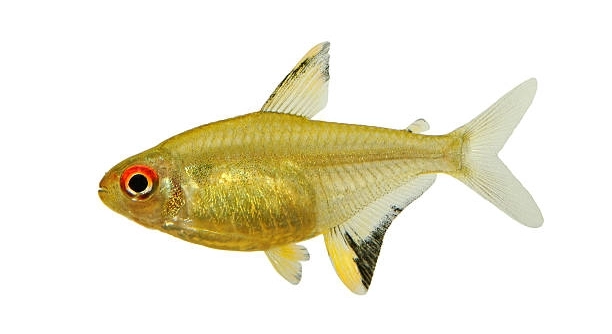
Do your lemon tetras often gather in the corners of your aquarium, seeming to avoid the open water? Many fish owners notice this behavior and wonder if it is a sign of stress or just normal social activity.
Lemon tetras gather in tank corners primarily due to a combination of security and social behavior. Corners provide a sense of safety, reduce exposure to perceived threats, and allow them to coordinate movements with other fish in their school efficiently.
Observing these patterns can help improve tank setup and fish welfare. Understanding their natural instincts ensures a calmer, healthier environment for your aquarium community.
Understanding Lemon Tetra Behavior
Lemon tetras often prefer corners because it makes them feel safe. In a new or busy tank, open areas can feel exposed, and corners offer a secure spot to rest or observe surroundings. This behavior is natural, rooted in their instinct to avoid predators. In addition, tetras are schooling fish, which means they feel more confident when close to each other. Corners allow them to cluster together while maintaining a sense of security. Lighting and water flow also play a role. Bright lights or strong currents can push fish toward calmer areas. Plant coverage and decorations in the tank can influence their preferred corners, creating a space where they can hide or retreat. By arranging the tank thoughtfully, you can reduce stress and encourage more natural activity. Corners are not signs of illness but rather their way of coping with their environment.
Watching them interact in corners reveals much about their social structure and comfort.
Adjusting tank layout can encourage tetras to explore more open areas, improving their overall activity and well-being while maintaining a sense of security.
Tank Conditions That Affect Positioning
Water quality directly affects where lemon tetras gather. Poor water conditions can make them seek corners for safety and minimize energy use.
Temperature, pH, and hardness all influence fish comfort. Sudden changes in these factors can stress tetras, causing them to remain in corners more frequently. Providing consistent water conditions helps them feel safe to swim freely. The size and layout of the tank also matter. A cramped tank limits swimming space, while a well-planned aquarium with plants and hiding spots allows tetras to choose where they feel secure. Corners can also serve as resting spots when fish are less active. Observing how tetras use these spaces gives insight into their needs. Careful monitoring of feeding, lighting, and water parameters ensures their environment encourages balanced movement. Lemon tetras thrive in stable, predictable conditions, and minor adjustments can significantly reduce corner-gathering behavior. Proper care strengthens their health and promotes natural schooling activity.
Social Dynamics and Schooling
Lemon tetras rely on schooling for safety. Being together in corners reduces stress and allows them to monitor their surroundings efficiently. Isolation can make them anxious, so corners serve as a central gathering point for social interaction.
Schooling behavior is a critical part of their natural instincts. In a tank, tetras form tight groups, often choosing corners to maintain cohesion while staying alert. Corners allow them to coordinate movements without exposing themselves to perceived threats. This behavior is more noticeable when the school is small or when tank conditions are new. Providing enough space and visual barriers can help balance their need for social closeness with freedom to explore. Over time, as tetras become accustomed to the tank, they may gradually spend more time in open areas while maintaining their group structure.
Observing these social patterns shows that corner gathering is not random. It is a deliberate choice to maintain safety, cohesion, and comfort within the school. Understanding these dynamics can help in arranging tanks to support natural behaviors.
Environmental Stress Factors
Bright lighting and strong currents often push lemon tetras toward corners. These areas offer shelter and calmer conditions. Plants, decorations, and low-traffic zones make corners more attractive and reduce stress.
Stress in lemon tetras can result from sudden environmental changes, overcrowding, or inconsistent water conditions. High levels of light can cause them to avoid open areas, while strong water flow may tire them out. Corners act as a refuge where fish can regain energy and feel safe. Incorporating hiding spots and maintaining gentle currents helps reduce stress. Temperature fluctuations and poor water quality intensify this behavior, making it essential to monitor these factors closely. By understanding these environmental stressors, owners can create a more comfortable habitat.
Tank setup plays a significant role in mitigating stress. Adding plants, arranging decorations strategically, and controlling lighting ensures that tetras can freely explore while still having secure retreat areas. Regular observation of their behavior helps identify stress triggers early. Adjustments to water flow, tank population, and placement of objects can reduce corner gathering over time, encouraging more natural swimming patterns and enhancing overall well-being.
Feeding and Activity Patterns
Lemon tetras often gather in corners before feeding. These areas provide a safe spot to watch for food while staying protected from more active tank mates.
After feeding, tetras may return to corners to rest. This allows them to digest safely while remaining near their school and maintaining a sense of security.
Light and Temperature Effects
Lighting and temperature changes influence corner-gathering behavior. Bright lights can make open areas stressful, while cooler or warmer zones in the tank create preferred resting spots. Maintaining consistent lighting schedules and stable water temperature encourages tetras to explore more areas, reducing excessive corner clustering.
Tank Layout Considerations
Corners become natural gathering points when tanks lack adequate hiding spots or enrichment. Proper placement of plants and decorations can distribute tetras more evenly.
FAQ
Why do lemon tetras stay in corners most of the time?
Lemon tetras gather in corners because it feels safer for them. Corners offer protection from open water, bright lights, and stronger currents. In a tank, these areas allow them to cluster with other fish, maintain social bonds, and feel less exposed. This behavior is natural and does not always indicate illness or stress. Observing how often they leave the corners versus staying inside them can help determine if they are comfortable or if changes in the environment are needed.
Is it normal for tetras to avoid the center of the tank?
Yes, avoiding the center is normal, especially for new or shy fish. Corners provide a sense of security, and the center feels open and vulnerable. Over time, as tetras grow accustomed to their tank and feel safe, they may start exploring more areas. The layout of the tank, presence of plants, and water flow can all influence how comfortable they feel swimming in the center.
Can tank size affect corner-gathering behavior?
Absolutely. Smaller tanks or tanks with uneven spaces push fish toward corners. If the tank is too small, they have limited options and will often cluster in corners for comfort. Larger, well-decorated tanks with plants, hiding spots, and gentle water flow encourage tetras to move around more and reduce corner dependence.
Do other fish affect their corner behavior?
Yes. Aggressive or overly active tank mates can drive lemon tetras to the corners to avoid stress. Corners offer a refuge where they can observe without risk of confrontation. Peaceful, schooling tank mates tend to make tetras feel secure enough to leave corners more often.
Does lighting influence their positioning?
Bright lighting can make open areas uncomfortable. Corners, often shaded by plants or decorations, provide a more comfortable environment. Reducing light intensity or adding floating plants can encourage tetras to swim outside corners while still feeling protected.
Are they sick if they stay in corners?
Not necessarily. Staying in corners alone is not a sign of sickness, but sudden changes in behavior, loss of appetite, or unusual swimming patterns could indicate health issues. Observing water quality, temperature, and tank conditions can help determine if stress or illness is contributing.
Can water flow make them gather in corners?
Yes, strong currents can push lemon tetras toward calmer areas like corners. Corners allow them to conserve energy while maintaining control over their movements. Adjusting filter output or redirecting currents can create a more balanced environment, encouraging more open swimming.
Do they sleep in corners?
Often. Lemon tetras use corners as resting spots because it feels secure. Sleeping in corners reduces exposure and allows them to stay close to their school, which is comforting and protective.
How can I encourage them to explore more of the tank?
Adding plants, decorations, and hiding spots in other areas can help. Adjusting lighting and water flow to create comfortable open spaces encourages exploration. Over time, tetras will gain confidence and spend more time outside corners while maintaining their natural sense of security.
Does temperature affect corner-gathering behavior?
Yes. Uneven temperatures can make corners more attractive. Cooler or warmer zones often appear in tank corners, and tetras will gravitate there to regulate body temperature. Maintaining a stable, even temperature throughout the tank reduces the need to cluster in specific areas.
Are corners important for their social structure?
Definitely. Corners allow lemon tetras to stay close to each other and maintain social bonds. In their natural environment, staying close together increases safety and helps coordinate movements. Replicating this in an aquarium supports healthy schooling behavior and reduces stress.
Can tank decorations change corner behavior?
Yes. Strategic placement of plants, rocks, or ornaments creates new areas for hiding and resting. Providing multiple attractive spots can reduce constant corner clustering, allowing tetras to move naturally and feel safe in various parts of the tank.
Should I worry if they never leave corners?
Only if other signs of stress or illness appear. Healthy tetras often prefer corners initially but will explore over time. Persistent corner-only behavior combined with poor appetite, lethargy, or unusual swimming may require checking water conditions, tank mates, and overall health.
Does schooling reduce corner behavior?
It can. When tetras feel secure within a large, cohesive school, they are more willing to explore open areas. Corners remain safe spots, but confidence gained from schooling may reduce the amount of time they spend there, especially in larger, well-structured tanks.
How does feeding time affect corner gathering?
Tetras often stay in corners before feeding, using the area as a safe vantage point. Once food is introduced, they may leave corners to eat but often return afterward. Feeding routines, location, and method can influence how much time they spend in corners.
Can sudden changes in the tank make them hide more?
Yes. Rearranging plants, decorations, or changing water parameters can trigger corner-gathering behavior. Fish rely on stability, and corners provide a predictable, safe space during periods of change. Gradual adjustments help them adapt without excessive stress.
Does water clarity affect corner preference?
Tetras prefer clear, calm water. Poor visibility or cloudy water can make them seek corners for protection. Ensuring proper filtration, cleaning, and consistent maintenance supports their comfort and encourages more open swimming.
Can age or size influence corner gathering?
Younger or smaller tetras may rely more on corners for safety. As they grow and gain confidence, they often explore more open areas. Observing growth stages alongside behavior helps determine if corner preference is normal or a sign of stress.
Are corners a sign of territorial behavior?
Not in lemon tetras. They are schooling fish and do not claim territories like some other species. Corners are used for security, resting, or social clustering rather than defending a space.
Can plants alone reduce corner gathering?
Plants help, but they need to be combined with proper tank layout, stable conditions, and schooling companions. Well-placed plants create shaded areas and hiding spots, making other regions of the tank as appealing as corners.
How long does it take for tetras to stop clustering in corners?
It varies. Some adjust within days, while others take weeks. Consistent care, stable water parameters, and a thoughtfully arranged tank encourage gradual exploration. Patience is important, as their natural instincts make corners attractive regardless of improvements.
Is corner-gathering behavior permanent?
Not necessarily. While tetras naturally seek corners, proper environment, social structure, and consistent care can reduce excessive clustering. They may always use corners occasionally, but with a supportive tank, they will move freely and confidently through open areas.
Final Thoughts
Lemon tetras are naturally cautious fish that rely on corners for security and comfort. Their behavior of gathering in tank corners is largely instinctive, shaped by their need to feel protected from perceived threats. In the wild, staying close to others and using sheltered spots reduces the risk of predators and ensures better chances of survival. In an aquarium, this instinct carries over, even though there is no real danger. Corners serve as a safe zone where fish can rest, observe, and maintain contact with their school. This behavior is normal and should not be immediately considered a problem. Understanding why tetras choose corners can help tank owners provide better care and a more balanced environment.
Tank layout and environmental conditions play a significant role in corner-gathering behavior. Fish are more likely to stay in corners if the tank lacks plants, hiding spots, or shaded areas. Bright lighting, strong currents, and sudden changes in temperature or water quality can also push tetras toward these safe zones. Maintaining stable water conditions, proper temperature, and gentle currents encourages tetras to explore other parts of the tank without feeling unsafe. Including plants and decorations creates alternative sheltered spaces, allowing fish to distribute themselves more evenly. Observing how tetras interact with their environment provides valuable insight into their comfort level and overall well-being. Small adjustments in tank setup often result in more confident, natural swimming behavior.
Social structure and feeding patterns also influence why lemon tetras prefer corners. Being schooling fish, they feel more secure when close to each other. Corners provide a location where the school can cluster, reducing stress and allowing coordinated movements. Feeding routines often see tetras gathering in corners beforehand to watch for food and prepare for activity, then returning afterward to digest safely. Monitoring behavior over time ensures that corner-gathering is part of natural instincts rather than a response to stress or illness. By maintaining consistent care, providing a stable environment, and supporting natural schooling behavior, tank owners can help lemon tetras feel secure while encouraging them to explore the tank more freely. Recognizing these patterns allows for a healthier, calmer, and more enjoyable aquarium for both fish and owner.

Hello,
If you enjoy the content that we create, please consider saying a "Thank You!" by leaving a tip.
Every little bit helps us continue crafting quality advice that supports the health, happiness, and well-being of pets around the world, for pets of all shapes, sizes, and species.
We really appreciate the kindness and support that you show us!