
Do you ever find yourself wanting a small, colorful fish that is easy to care for in a home aquarium? Lemon tetras are lively, vibrant, and can brighten up any tank with minimal effort.
Lemon tetras are an ideal choice for beginner aquarists due to their hardy nature, peaceful temperament, and adaptability to a range of water conditions. Their small size and schooling behavior make them easy to maintain in community tanks.
Understanding their care requirements and behaviors will help you create a healthy, enjoyable environment for these charming fish in your home aquarium.
Easy to Care For
Lemon tetras are a great option for beginners because they do not require complex setups. They thrive in a standard community tank with stable water conditions. Regular water changes and a basic filtration system are enough to keep them healthy. They are not sensitive to minor fluctuations in temperature or pH, which makes them forgiving for those just starting with aquariums. Feeding is simple; they accept flake food, small pellets, and occasional live or frozen foods. Observing their active schooling behavior can be rewarding without demanding constant attention. Their small size means they do not need large tanks, making them suitable for apartments or homes with limited space. Lemon tetras are social fish, so keeping them in groups of six or more helps them feel secure. With minimal maintenance, they can live for several years, giving new aquarists confidence and enjoyment in their first experience with fishkeeping.
Small, vibrant, and low-maintenance, lemon tetras are perfect for anyone starting with an aquarium setup.
Keeping lemon tetras happy requires consistency. Feeding twice daily in small amounts prevents overfeeding. Regular water changes maintain water quality, which is essential for their long-term health. Their schooling behavior means they feel safest in groups, reducing stress and promoting natural activity. Choosing compatible tankmates ensures a peaceful environment. Decorations like plants and hiding spots give them comfort without complicating care. Over time, observing their interactions becomes enjoyable, offering a sense of accomplishment without complicated maintenance. Their resilience allows beginners to focus on learning about general fish care while enjoying their colorful presence in the tank.
Vibrant Appearance
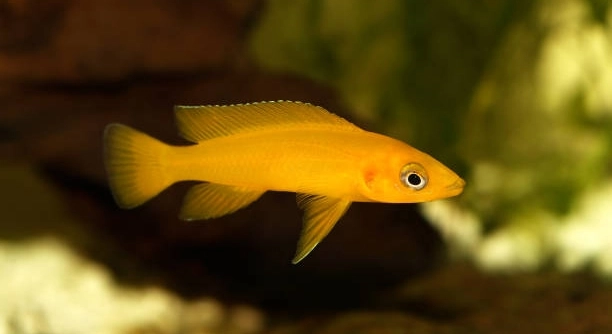
Lemon tetras stand out due to their bright yellow body and sparkling fins.
Their striking coloration is more than decorative. It reflects good health, diet, and environmental conditions. A tank with moderate lighting highlights their colors, making them a centerpiece in any community setup. Plants and dark substrate contrast with their yellow hues, enhancing visibility. Their shimmering scales can indicate water quality and overall well-being. Stress, poor diet, or inadequate water conditions may dull their color, signaling the need for attention. Choosing healthy fish with vibrant tones at the store ensures the best start in a home aquarium. Watching a group of lemon tetras glide together showcases natural elegance, which adds a lively atmosphere to the tank. Their gentle movement and bright color make observing them relaxing, which is ideal for beginners who want a visually appealing yet manageable aquarium. Proper care maintains their vivid look over time, rewarding new aquarists with both beauty and vitality in their tank.
Peaceful Temperament
Lemon tetras are non-aggressive and do well with other small, peaceful fish. Their calm nature reduces stress in the aquarium and prevents conflicts among tankmates.
Because they are gentle, lemon tetras adapt easily to community tanks. They rarely chase or nip at other fish, making them suitable companions for species like guppies, rasboras, or small catfish. Their social behavior encourages harmonious schooling without dominating the tank environment. This temperament allows beginners to focus on maintaining water quality and feeding schedules rather than managing aggression or injuries. A peaceful group of lemon tetras creates a balanced, lively tank where all fish coexist comfortably.
Maintaining a peaceful tank involves keeping an adequate number of lemon tetras in a group. Smaller numbers may cause stress and erratic behavior. Providing plants and hiding spots supports their natural instincts without creating aggression. Monitoring their interactions and ensuring proper nutrition promotes calm and healthy activity. Their relaxed nature makes observing them enjoyable, as they move gracefully through the water. Stress-free conditions lead to better coloration and longevity, showing that their temperament directly impacts their overall well-being.
Small Size and Adaptability
Their compact size allows them to thrive in modest aquariums while still schooling effectively.
Lemon tetras are ideal for tanks starting at ten gallons, though larger tanks provide more space for active movement. Their small body size reduces the demand for excessive filtration and simplifies water maintenance. Despite being small, they are active swimmers, often gliding through mid-level water and interacting within their school. This adaptability makes it easier to establish a healthy tank without complex equipment or large spaces. They adjust to moderate temperature ranges and common water parameters, which is especially helpful for new fishkeepers.
Adaptability also means lemon tetras can coexist with various plant setups and substrate types. They are not picky eaters, accepting standard flake foods along with frozen or live options. Observing their schooling behavior in different tank layouts shows how flexible they are, moving through open areas or weaving between plants. This resilience allows beginners to experiment with tank design while maintaining a stable environment for the fish. Their small size and flexible habits make care simple and rewarding.
Affordable and Accessible
Lemon tetras are inexpensive and widely available at most pet stores. Their low cost makes it easy to start a small school without a significant investment.
Because they are common, finding healthy specimens is straightforward. This accessibility allows beginners to quickly set up a tank without searching extensively for rare or delicate fish.
Hardy Nature
Lemon tetras tolerate minor water fluctuations and are resistant to common beginner mistakes. Their resilience reduces the risk of sudden illness and makes them forgiving for new aquarists. With proper feeding and regular maintenance, they can thrive in a simple tank setup. Their hardiness makes them a reliable choice for anyone learning basic fish care.
Schooling Behavior
They are happiest in groups of six or more, which encourages natural activity and reduces stress.
FAQ
How many lemon tetras should I keep in one tank?
Lemon tetras are schooling fish and feel most secure in groups. A minimum of six is recommended, but larger schools of ten or more are ideal. They swim together closely, which reduces stress and encourages natural behavior. Smaller groups may act skittish or hide frequently.
What size tank is suitable for lemon tetras?
A ten-gallon tank is the smallest practical size for a small school of lemon tetras. Larger tanks provide more swimming space and stability in water parameters, which helps reduce stress. They occupy mid-level water, so a well-planned layout with plants and open areas works best.
What water conditions do lemon tetras need?
They prefer slightly acidic to neutral water with a pH of 6.5–7.5 and temperatures between 72–78°F. While hardy, maintaining consistent water quality is important. Regular water changes and a functioning filter help prevent stress and disease. Their adaptability allows some flexibility, but sudden changes should be avoided.
What should I feed lemon tetras?
They are not picky eaters. Flake food, micro pellets, and occasional live or frozen foods like brine shrimp or daphnia work well. Feeding small amounts twice a day prevents overfeeding and keeps the tank clean. A varied diet helps maintain bright coloration and overall health.
Can lemon tetras live with other fish?
Yes, they are peaceful and do well with other small, non-aggressive species. Guppies, rasboras, and small catfish are suitable tankmates. Avoid larger or aggressive fish that might nip at their fins or stress them. Proper schooling and hiding spaces further ensure a harmonious community tank.
How often should I change the water?
Weekly water changes of 20–25% are sufficient for maintaining water quality. This routine removes waste and replenishes minerals essential for fish health. Monitoring water parameters regularly helps detect issues early and ensures the tetras remain active and colorful.
Do lemon tetras require special lighting or decorations?
Moderate lighting enhances their yellow color without causing stress. Plants, rocks, and hiding spots create a natural environment and help them feel secure. Open swimming areas are also important, as they need room to school and display their active behavior.
How long do lemon tetras live?
With proper care, they typically live 3–5 years. Stable water conditions, proper nutrition, and maintaining a peaceful tank environment contribute to their lifespan. Observing their behavior and coloration regularly helps ensure they are healthy throughout their life.
Do they breed easily in home aquariums?
Breeding lemon tetras is possible but requires attention to water quality and tank setup. They prefer soft, slightly acidic water for spawning. Plants or fine-leaved artificial decorations provide surfaces for eggs. Removing adults after spawning prevents them from eating the eggs. Fry require small live foods to grow successfully.
What are common signs of illness?
Lemon tetras may become lethargic, lose color, or show clamped fins when stressed or ill. Rapid breathing, white spots, or unusual behavior can indicate disease. Prompt water checks, quarantine of affected fish, and maintaining cleanliness help prevent and manage illnesses.
How can I make my lemon tetras feel comfortable?
Provide a group of at least six, stable water conditions, and plenty of mid-level swimming space. Adding plants and hiding spots reduces stress. Feeding a varied diet and avoiding aggressive tankmates ensures they remain active, healthy, and colorful. Observing their schooling behavior can be very rewarding.
Are lemon tetras suitable for small apartments?
Yes, their small size and minimal maintenance make them ideal for limited spaces. A ten-gallon tank or larger fits easily in apartments. Their peaceful temperament and vibrant color brighten a room without requiring complex equipment or constant attention.
How can I introduce new fish to a tank with lemon tetras?
Acclimate new fish slowly using a drip method or gradual water mixing. Monitor interactions to prevent stress or aggression. Ensuring compatible species and maintaining a group of lemon tetras reduces conflict and keeps the tank peaceful. Regular observation during the first week is recommended.
What is the best way to observe their natural behavior?
Watching them in groups shows their schooling patterns. Providing open swimming areas and plants allows them to display natural activity. Feeding at regular intervals encourages movement without stressing them. Their gentle temperament makes them enjoyable to watch in a community tank setting.
Can lemon tetras tolerate slight mistakes from beginners?
Yes, they are forgiving and can handle minor fluctuations in water quality or temperature. While consistent care is important, small errors are usually not fatal. Their hardy nature helps new aquarists gain confidence while learning proper aquarium management techniques.
Do they require any special supplements?
No special supplements are necessary if they receive a balanced diet. Occasional vitamin-enriched foods can boost color and health, but standard flake or pellet diets are sufficient. Focus on water quality, temperature, and tank stability for long-term well-being.
How can I tell if my lemon tetras are stressed?
Stress signs include hiding, erratic swimming, loss of color, and clamped fins. Causes may include small group size, aggressive tankmates, poor water quality, or sudden environmental changes. Addressing the root cause quickly helps restore their health and activity.
Is it okay to mix lemon tetras with other tetras?
Yes, they generally get along with other small tetra species. Ensure tank size accommodates schooling behavior. Mixing species can add variety, but maintaining proper numbers of each group ensures peaceful interaction and reduces competition for space and food.
Do lemon tetras require nighttime darkness?
Yes, a regular day-night cycle is important. Turning off the lights at night helps them rest, reduces stress, and promotes natural behavior. Providing 10–12 hours of light daily is adequate for their health and coloration.
What is the best way to clean a tank with lemon tetras?
Perform partial water changes weekly, clean the substrate with a siphon, and rinse filter media in tank water. Avoid harsh chemicals. Routine maintenance keeps water quality high, supporting their active behavior and vibrant appearance. Observing them during cleaning can ensure they remain healthy and stress-free.
Lemon tetras are an excellent choice for beginners who want a small, colorful, and manageable fish. Their hardy nature makes them forgiving to minor mistakes, which is reassuring for anyone just starting with aquariums. Unlike more delicate species, they tolerate slight variations in temperature and water conditions, allowing you to focus on learning basic care without constant worry. Their small size makes them suitable for modest tanks, and they thrive in groups, showing natural schooling behavior that adds movement and life to any setup. Feeding is simple, and they accept a variety of foods, from flake food to small live or frozen options, which keeps their diet varied without requiring special attention. This combination of hardiness, adaptability, and low-maintenance needs makes them ideal for those who want a rewarding yet uncomplicated experience in fishkeeping.
Beyond their practical benefits, lemon tetras also bring visual appeal to a home aquarium. Their bright yellow color and shimmering fins make them stand out in a tank, and their mid-level swimming adds a dynamic element to the overall environment. Including plants, decorations, and open swimming spaces enhances their natural behavior and provides comfort, while moderate lighting highlights their vibrant hues. Watching a school of lemon tetras glide together is calming and satisfying, offering a sense of liveliness without demanding constant intervention. Their peaceful temperament ensures that they coexist well with other small, non-aggressive species, which allows for a harmonious community tank. This peaceful nature combined with vivid coloration creates an engaging and attractive aquarium setup, even in a smaller space or apartment environment.
Caring for lemon tetras is straightforward, but maintaining consistent routines ensures they stay healthy and active. Regular water changes, attention to water parameters, and proper nutrition support their long-term well-being and vibrant appearance. Keeping them in appropriate groups reduces stress, promotes natural schooling behavior, and allows you to observe their interactions more fully. While they are forgiving, maintaining a stable environment is essential for preventing stress-related health issues and ensuring their lifespan of three to five years. Overall, lemon tetras combine resilience, beauty, and a calm temperament, making them a reliable and enjoyable choice for beginners. By providing a simple yet thoughtful setup, you can enjoy the benefits of these lively fish while building confidence and experience as an aquarist. Their balance of ease, charm, and social behavior makes them a practical and visually appealing addition to any home aquarium.

Hello,
If you enjoy the content that we create, please consider saying a "Thank You!" by leaving a tip.
Every little bit helps us continue crafting quality advice that supports the health, happiness, and well-being of pets around the world, for pets of all shapes, sizes, and species.
We really appreciate the kindness and support that you show us!