
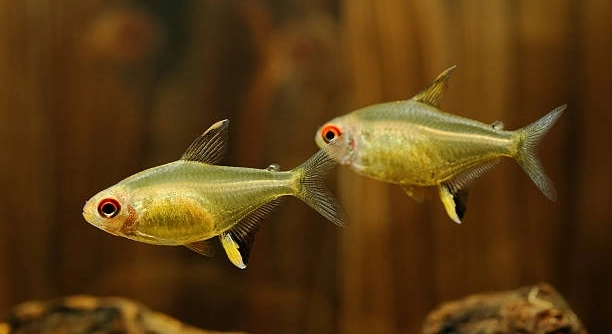
Lemon tetras are small, bright fish that bring a splash of color to any aquarium. Their lively movements and gentle nature make them appealing companions for hobbyists who enjoy observing fish behavior daily.
Lemon tetras are capable of forming social bonds with other fish of their species. They exhibit group cohesion, synchronized swimming, and familiar partner preferences, indicating the development of simple yet meaningful social interactions within their shoal environment.
Observing these subtle social behaviors can enhance your enjoyment of a planted aquarium. Understanding their interactions helps create a harmonious and engaging environment for your fish.
Understanding Lemon Tetra Social Behavior
Lemon tetras are naturally social fish that thrive in small groups. Observing them in a well-planted tank, you may notice that they swim together, mirror each other’s movements, and occasionally linger near the same spots. These behaviors indicate comfort and familiarity among individuals, which is important for their mental and physical health. Keeping them in a group of at least six allows them to display natural interactions. Stress levels are reduced in well-established groups, making them more active and colorful. Proper tank setup, including hiding places and plants, encourages them to interact and reduces aggression. Food distribution also plays a role in their cohesion, as feeding times often bring them together. While their interactions are simple, they are significant. Regular observation helps you understand patterns, recognize changes in behavior, and ensure a balanced and stable tank environment that supports their well-being over time.
Their natural behavior emphasizes the importance of social environments for their overall health.
Maintaining a stable group allows lemon tetras to flourish. Observing their swimming patterns and grouping tendencies shows which individuals are more connected. Tank conditions, including space and hiding spots, influence interactions. Proper lighting, water temperature, and feeding schedules reinforce positive behaviors, supporting both activity and coloration. Overcrowding or isolation can trigger stress, causing color dulling or lethargy. By providing a consistent environment and monitoring their dynamics, owners can foster stable groups. Simple interventions, like rearranging decorations or introducing new plants gradually, help maintain harmony. Understanding these behaviors ensures each tetra thrives while exhibiting natural social patterns that enhance both observation and tank balance.
Signs of Connection Among Lemon Tetras
Group swimming, following one another, and synchronized movements indicate bonds between lemon tetras.
When pairs or small clusters consistently swim together, it suggests a level of comfort and familiarity. These patterns emerge as tetras learn each other’s rhythms, showing trust and reduced stress. Subtle behaviors, such as gently nudging or staying in proximity, reflect stable social structures. Monitoring these interactions allows for adjustments in tank conditions to support healthy dynamics. Feeding responses also highlight social cohesion, as connected individuals often feed alongside each other without conflict. Maintaining stable groups ensures these behaviors continue, contributing to a lively, harmonious aquarium where each fish can express natural tendencies while remaining safe and active.
How Lemon Tetras Communicate
Lemon tetras communicate mainly through movement and proximity. Following each other closely or swimming in unison signals comfort and recognition. Subtle nudges or pauses near tank mates are ways they maintain social bonds and establish group cohesion without aggression.
Movement patterns reveal social dynamics within the group. When a tetra consistently stays near certain individuals, it shows preference and familiarity. Rapid swimming or sudden changes in direction can indicate alertness or mild stress. Observing these cues helps identify which fish are comfortable together and which may need more space. Tank conditions, such as hiding spots and plant density, directly affect how openly they interact. Recognizing these behaviors allows adjustments to promote harmony and reduce conflicts, keeping the group stable and active.
Feeding time also highlights their communication. Lemon tetras often gather quickly, signaling excitement and alerting others. Coordination in swimming towards food shows trust in the group, while hesitations or avoidance indicate discomfort. Maintaining consistent routines reinforces these social patterns. Over time, patterns emerge that reflect group hierarchy, comfort levels, and individual preferences. Watching how they navigate around one another provides insight into their subtle social interactions, helping ensure a peaceful, dynamic aquarium environment.
Creating a Comfortable Environment
Proper tank setup is essential for stable social interactions. Plants, decorations, and hiding spaces allow tetras to feel secure.
A spacious tank with plenty of hiding spots reduces stress and encourages natural behaviors. Dense plants and driftwood create areas for resting and observing, while open swimming areas support group cohesion. Lighting, water temperature, and filtration must remain consistent to prevent sudden disturbances that could disrupt interactions. Gradual changes in the environment, like rearranging décor or introducing new plants, allow fish to adjust without tension.
Water quality also plays a major role in social stability. Maintaining optimal pH, temperature, and cleanliness prevents illness and supports activity. When conditions are ideal, lemon tetras exhibit natural swimming patterns, socialize more readily, and display vibrant coloration. Overcrowding or poor conditions often lead to isolation, aggression, or lethargy. Consistent care and observation ensure that each fish can interact comfortably, making the aquarium a lively and harmonious environment where social bonds can thrive.
Observing Group Dynamics
Lemon tetras thrive in groups of six or more. Watching them swim together reveals patterns of cohesion, pairing, and gentle following. These movements indicate comfort and familiarity, helping maintain a calm and balanced tank environment.
Subtle differences in behavior show individual preferences. Some tetras stick close to certain tank mates, while others explore more freely. Tracking these tendencies allows for better understanding of social structure and ensures all fish remain comfortable within the group.
Encouraging Interaction
Providing consistent feeding times, open swimming areas, and hiding spots promotes regular interaction. Structured routines and comfortable spaces help lemon tetras maintain group cohesion. Observation of these interactions ensures a peaceful and engaging tank environment.
Recognizing Stress Signals
Color fading, rapid darting, or isolation can indicate stress. Addressing these signs promptly preserves group harmony and prevents health issues.
Maintaining Long-Term Social Balance
Stable groups require careful monitoring and consistent care. Proper tank size, water quality, and plant coverage ensure lemon tetras continue to interact naturally. Over time, observing shifts in behavior helps identify needs for adjustments. Maintaining regular routines and a balanced environment prevents aggression and encourages healthy social patterns, allowing the group to remain cohesive. Subtle interventions, such as rearranging décor or adding new hiding spots gradually, support ongoing comfort. Regular observation allows for early identification of stress or changes in social bonds, ensuring each tetra thrives within the group.
FAQ
Can lemon tetras live alone?
Lemon tetras are social fish and do not thrive when kept alone. Isolation can lead to stress, dull coloration, and reduced activity. Keeping them in groups of at least six ensures natural behaviors, active swimming, and stable social bonds, which are essential for their health.
How many lemon tetras should be kept together?
A minimum of six lemon tetras is recommended, though larger groups of eight to twelve provide better social interactions. Groups allow for stable cohesion, synchronized swimming, and reduced aggression. Small groups or solitary fish may exhibit anxiety, hiding, or lethargy, which can negatively affect overall tank dynamics.
Do lemon tetras form lasting bonds?
Yes, lemon tetras can show preferences for certain tank mates. These preferences are subtle, often visible through pairing or consistent swimming near the same individuals. While these bonds are not as complex as mammal friendships, they indicate comfort and trust within the group.
How do lemon tetras communicate?
Lemon tetras communicate mainly through movement and proximity. Synchronized swimming, following, and gentle nudging are common ways they convey comfort, alertness, or curiosity. Observing these behaviors helps in understanding group dynamics and identifying signs of stress or social preference.
What are signs of stress in lemon tetras?
Stress in lemon tetras appears as color fading, rapid darting, hiding, or isolation. Poor water quality, overcrowding, or sudden environmental changes often trigger these behaviors. Addressing stress promptly by improving water conditions, adjusting group size, or adding hiding spots helps maintain harmony and health.
Can lemon tetras get along with other fish species?
Lemon tetras are peaceful and can coexist with other non-aggressive, small fish. Ideal tank mates include other small tetras, rasboras, and peaceful bottom dwellers. Aggressive or much larger fish may threaten them, so choosing compatible species ensures a calm, interactive environment.
Do lemon tetras show personality differences?
Individual lemon tetras may exhibit distinct behaviors. Some are more adventurous and explore the tank, while others stay near plants or preferred companions. Recognizing these differences helps in arranging tank space and group composition to maintain balance and comfort for all fish.
How can I encourage natural social behavior?
Providing a spacious tank with plants, open swimming areas, and hiding spots supports interaction. Consistent feeding routines and stable water conditions reinforce group cohesion. Gradually introducing new decorations or tankmates allows the tetras to adapt without stress. Regular observation ensures positive social dynamics continue.
Are lemon tetras active during the day or night?
Lemon tetras are primarily diurnal. They are most active during daylight hours, swimming in groups, feeding, and exploring their environment. Dim lighting at night encourages resting, while consistent light cycles support their natural rhythm, reducing stress and promoting overall well-being.
How do I know if my lemon tetras are happy?
Happy lemon tetras display bright coloration, active swimming, and group cohesion. They interact with tank mates without aggression and use plants and open spaces evenly. Stable behavior patterns, consistent feeding responses, and absence of hiding or darting are good indicators of comfort and health.
What should I do if one tetra is isolated?
If a tetra isolates, first check water quality and tank conditions. Ensure hiding spots are balanced and the group size is adequate. Sometimes isolation occurs temporarily due to stress or hierarchy adjustment. Monitor behavior, and if prolonged, consider adjusting tank arrangements or gently reintroducing the fish to encourage interaction.
Can lemon tetras recognize individual tank mates?
Yes, lemon tetras show preference for certain individuals, often sticking close or swimming in pairs. While recognition is simple, it indicates social bonding. Observing these preferences helps in managing group dynamics and ensuring all fish are comfortable and integrated within the shoal.
Do lemon tetras need special care to maintain social bonds?
Maintaining stable water conditions, consistent feeding routines, and appropriate group sizes supports social bonds. Providing enough space and hiding spots prevents stress and conflict. Gentle monitoring ensures any shifts in behavior or social structure are addressed promptly, keeping the group harmonious and active.
Can new tetras be added to an existing group?
New tetras can be added, but gradual introduction is key. Quarantine new fish first to prevent disease. Introduce them slowly, rearranging decorations if needed to reduce territorial behavior. Observing interactions during the first few days helps ensure the new additions integrate without disturbing existing social bonds.
How important is tank size for social behavior?
Tank size directly affects social interactions. Crowded tanks lead to stress, aggression, and isolation, while adequately sized tanks provide space for swimming, hiding, and group cohesion. For a small group of six to eight lemon tetras, a minimum 20-gallon tank is recommended, with larger tanks benefiting larger shoals.
Do lemon tetras bond more with certain species than others?
They form stronger bonds within their own species, showing consistent pairing and following behaviors. While they can coexist with other peaceful species, these interspecies interactions are more about tolerance than preference. Understanding these tendencies helps maintain a harmonious tank environment.
How can I observe social interactions safely?
Observing from outside the tank or during feeding allows insight into interactions without disturbing the fish. Avoid sudden movements or tapping the glass. Regular observation helps track preferences, identify stress, and ensure that the group remains cohesive, comfortable, and active.
Can social bonds affect breeding behavior?
Yes, strong bonds and stable groups encourage natural breeding behaviors. Comfortable tetras display pairing tendencies, synchronized swimming, and reduced stress, which are conducive to spawning. Ensuring optimal water conditions and hiding spots enhances the likelihood of successful breeding within bonded groups.
Do environmental changes disrupt social bonds?
Sudden changes, such as water parameter shifts, rearranging décor, or introducing aggressive tank mates, can temporarily disrupt bonds. Gradual adjustments and monitoring allow fish to adapt while maintaining cohesion. Stable environments support lasting social interactions and reduce stress-related behaviors in lemon tetras.
Are social bonds more important than diet or water quality?
While diet and water quality are critical for health, social bonds influence behavior and stress levels. A well-fed fish in poor social conditions may still show stress signs. Balancing all factors ensures both physical health and natural social behaviors are maintained consistently.
How long do lemon tetras typically live in a healthy group?
With proper care, a stable group, and optimal tank conditions, lemon tetras can live five to eight years. Longevity depends on diet, water quality, and social stability. Observing interactions and addressing stress ensures they remain healthy and active throughout their lifespan.
Can social monitoring prevent health issues?
Yes, monitoring interactions can highlight stress, aggression, or illness early. Fish showing unusual isolation or rapid movement may require attention. Maintaining consistent observation helps prevent health problems, keeps the group balanced, and supports both social and physical well-being of lemon tetras.
Are there signs of aging that affect social behavior?
Older tetras may swim more slowly, isolate temporarily, or show less bright coloration. These changes are natural and should be observed to ensure they are not related to illness. Providing stable group dynamics and comfortable spaces helps aging fish remain integrated within the shoal.
Can lemon tetras bond with other species in mixed tanks?
They may tolerate peaceful species, swimming near them without aggressive behavior. However, true bonds form only within their own species. Observing interactions ensures that tankmates coexist harmoniously without stress or territorial disputes. Maintaining compatible species supports overall tank balance.
How do I support social recovery after stress or illness?
After illness, maintain stable water conditions, provide hiding spaces, and reintroduce the fish gradually to the group. Avoid sudden changes and monitor behavior closely. Ensuring comfort and safety encourages the fish to reintegrate, restoring social interactions and reducing long-term stress effects.
Can social bonds influence feeding behavior?
Yes, tetras often feed in coordinated groups, following familiar companions. Disruptions in social bonds may lead to hesitation, competition, or uneven food intake. Maintaining stable group dynamics supports natural feeding behaviors, ensuring all individuals receive proper nutrition.
Do lemon tetras require enrichment for social health?
Providing plants, open swimming areas, and varied decorations encourages interaction and natural behaviors. These environmental elements prevent boredom, reduce stress, and strengthen social cohesion. Observing how tetras use these features helps optimize tank setup for active, harmonious groups.
Are there long-term benefits to strong social bonds?
Stable social bonds reduce stress, enhance coloration, support activity, and encourage natural behaviors like feeding and swimming in synchrony. Strong interactions contribute to overall well-being and longevity. Regular observation and consistent care maintain these benefits throughout the life of the group.
How can I tell if bonds are weakening?
Signs include sudden isolation, aggression, or changes in swimming patterns. Monitoring interactions allows early intervention, such as adjusting tank layout or group composition, to restore cohesion and maintain a peaceful environment for all fish.
Do environmental enrichments strengthen bonds?
Yes, well-placed plants, hiding spots, and swimming paths allow tetras to interact naturally while feeling secure. Enrichments support pairing behaviors, coordinated movements, and group stability. Thoughtful tank design enhances both comfort and social cohesion.
Can lemon tetras form bonds immediately?
New groups may take days to weeks to establish stable interactions. Initial pairing, exploration, and occasional hesitation are normal. Patience, stable conditions, and observation support gradual formation of comfortable social patterns.
How do seasonal changes affect behavior?
Natural lighting cycles can influence activity and swimming patterns. Gradual adjustments in light and temperature help maintain social stability. Sudden changes may stress fish, affecting cohesion and interaction. Consistency supports long-term group harmony and predictable behavior.
What role does tank decoration play in bonding?
Decorations provide landmarks, hiding spaces, and areas for resting, which reduce stress and encourage social interaction. Rearranging décor too frequently may disrupt bonds. Thoughtful placement allows tetras to navigate freely while maintaining comfortable group cohesion.
Can social bonds impact health indirectly?
Yes, stable social bonds reduce stress, which supports immune function, coloration, and overall activity. Fish in disrupted or unstable groups may experience health decline even with proper water and diet. Maintaining social harmony contributes to long-term vitality and resilience.
Are all tetras equally social?
Individual differences exist. Some are more outgoing, while others prefer quiet areas or select companions. Recognizing these differences helps arrange tank space to support both exploration and social comfort, ensuring a balanced, cohesive group.
Can tetras remember previous companions?
Lemon tetras exhibit recognition of familiar tank mates. They often swim together repeatedly, indicating memory of social bonds. This recognition supports cohesion and comfort, reducing stress and promoting stable group interactions over time.
Do environmental stressors affect memory of bonds?
Stress from poor water quality, overcrowding, or aggressive tankmates can temporarily disrupt social recognition. Stable environments allow fish to resume normal interactions and restore bonds. Monitoring conditions ensures social memory and group cohesion remain intact.
How do I balance multiple groups in one tank?
If keeping multiple shoals, ensure adequate space, hiding spots, and visual barriers. Avoid overcrowding and monitor interactions to prevent aggression. Proper tank division and environmental enrichment allow both groups to coexist peacefully while maintaining individual social dynamics.
Can lemon tetras form bonds outside the tank?
Social bonds are limited to their shared environment. Transferring fish between tanks or altering conditions can temporarily disrupt interactions. Gradual introductions and careful observation help maintain comfort and cohesion during changes.
Do bonds influence reproductive behavior?
Stable bonds encourage spawning behaviors, as comfortable fish are more likely to pair and interact closely. Disrupted social groups may delay or prevent natural reproductive behaviors. Maintaining harmony supports both general health and breeding potential.
Are there ways to measure social cohesion?
Observing synchronized swimming, pairing patterns, feeding coordination, and proximity offers insight into group stability. Tracking these behaviors over time helps identify changes, stress, or preference shifts. Maintaining consistent observation ensures a balanced, healthy shoal.
How long does it take for bonds to form in a new group?
Bonds typically form within a few days to weeks, depending on tank size, group composition, and environmental stability. Providing space, hiding spots, and consistent routines accelerates the process. Monitoring interactions ensures that all fish adjust comfortably.
Can social bonds reduce aggression?
Yes, stable bonds minimize conflict. Fish that feel secure within their group are less likely to exhibit aggression, chase, or isolate others. Supporting social cohesion through proper tank setup, group size, and routine care ensures a peaceful environment for all tetras.
Do older tetras maintain bonds with younger fish?
Older tetras often interact calmly with younger ones, guiding movement within the group. While individual preferences may influence pairing, overall cohesion is maintained if the tank provides space and stability. Observing interactions helps ensure all age groups are comfortable and integrated.
Can changes in group composition disrupt bonds?
Introducing or removing fish can temporarily disrupt social structures. Gradual adjustments, quarantine for new fish, and observation allow the group to reestablish comfort and cohesion. Maintaining environmental stability supports smooth transitions.
Do bonds influence coloration?
Stress from weak or disrupted bonds can cause dull coloration. Fish that feel secure and maintain regular interactions often display brighter, more vibrant colors. Stable social dynamics contribute directly to visual health and overall well-being.
Are bonds stronger in larger or smaller groups?
Moderate-sized groups allow more stable interactions. Too small a group limits bonding opportunities, while overcrowding increases stress and competition. Observing swimming patterns, pairings, and cohesion helps determine optimal group size for stable bonds.
How does feeding order reflect bonds?
Connected tetras often feed together, following familiar companions. Disruption in group cohesion may lead to hesitation, competition, or avoidance. Observing feeding patterns provides insight into social relationships and ensures equitable access to food.
Can stress recovery rebuild broken bonds?
Yes, after stress, stable conditions, hiding spots, and gradual reintegration help restore social bonds. Patience and observation ensure that fish regain comfort, resume interactions, and maintain a cohesive group environment.
Do bonds impact longevity?
Stable bonds reduce stress, support activity, encourage natural behavior, and indirectly promote health, which can contribute to a longer lifespan. Maintaining social cohesion alongside proper care enhances both quality of life and longevity for lemon tetras.
How often should social behavior be monitored?
Regular daily or weekly observation is sufficient. Monitoring swimming patterns, interactions, and feeding behavior allows early identification of stress, health issues, or group instability. Consistent observation supports a harmonious and healthy environment.
Can environmental enrichment restore broken bonds?
Yes, adding plants, hiding spots, and rearranging décor gradually can encourage interaction, reduce stress, and support social reintegration. Observing fish responses ensures enrichment is effective and safe for restoring cohesion.
Do bonds affect activity levels?
Yes, secure and cohesive groups display higher activity, synchronized swimming, and natural exploration. Weak or disrupted bonds often lead to lethargy or hiding, highlighting the importance of maintaining stable social interactions for overall vitality.
Can tetras bond across multiple tanks?
Social bonds are confined to the tank environment. Transferring fish between tanks can disrupt established interactions. Gradual acclimation and careful observation support integration and minimize stress.
Are bonds maintained after illness?
Recovery from illness may temporarily alter interactions. Gradual reintroduction, stable conditions, and observation allow fish to regain comfort and reestablish social bonds, restoring normal group dynamics.
Do bonds influence resting behavior?
Connected tetras may rest near each other or in safe hiding spots, reflecting trust and cohesion. Observing resting patterns provides insight into comfort levels and social stability within the group.
Can I track bonds visually?
Yes, noting consistent pairings, proximity, synchronized swimming, and feeding behavior helps track bonds. Visual tracking allows early detection of changes in cohesion or stress, supporting proactive care and group harmony.
Are there risks if bonds are ignored?
Neglecting social bonds can lead to stress, aggression, color fading, lethargy, and increased susceptibility to disease. Maintaining observation, stable conditions, and proper group size prevents these negative effects and ensures overall well-being.
Do bonds influence spawning success?
Strong social bonds encourage pairing, reduce stress, and promote natural behaviors needed for spawning. Unstable groups may show delayed or unsuccessful breeding. Supporting cohesion ensures both comfort and reproductive success.
How do environmental factors influence bonds?
Water quality, lighting, temperature, space, and hiding spots all affect comfort and cohesion. Stable, enriched environments support natural social behavior, while sudden changes can disrupt established bonds. Monitoring conditions ensures ongoing social stability.
Can lemon tetras form bonds with plants or tank structures?
Yes, they may consistently explore, rest, or swim near certain decorations or plants, reflecting comfort with their environment. Providing varied spaces supports natural behavior and indirectly strengthens social cohesion.
Are bonds stronger in certain tank layouts?
Tanks with open swimming areas, dense plants, and strategically placed hiding spots encourage interaction while providing security. Proper layout supports pairing, synchronized swimming, and overall group harmony.
Do tetras show loyalty to specific companions?
While not loyalty in a human sense, they exhibit preference by consistently swimming with familiar individuals, reflecting comfort and trust. Observing these patterns helps in managing group dynamics effectively.
Can human interaction influence bonds?
Calm observation during feeding or care allows tetras to remain comfortable. Sudden disturbances or tapping the glass can stress the group, temporarily affecting interactions. Gentle routines support stable bonds.
Do bonds affect feeding hierarchy?
Yes, more connected fish often feed together, while isolated individuals may hesitate. Understanding these dynamics ensures fair food distribution and helps maintain cohesion.
How long should new introductions be monitored?
Monitor closely for several days to weeks. Observe pairing, aggression, and swimming patterns to ensure smooth integration and preserve established social bonds.
Can environmental stress permanently damage bonds?
Severe or prolonged stress can weaken interactions temporarily, but stable conditions usually allow bonds to recover. Early intervention prevents long-term disruption and maintains group harmony.
Are social bonds instinctive or learned?
Both. Instinct drives shoaling and group cohesion, while repeated interactions allow recognition and preference formation. Observing behavior over time reveals subtle learned social patterns.
Do bonds affect health indirectly?
Yes, stable bonds reduce stress, promote activity, improve coloration, and support overall immune function. Maintaining cohesion contributes significantly to long-term health and vitality.
Can bonds change over time?
Yes, as fish grow, age, or adjust to tank conditions, preferences may shift. Monitoring interactions helps ensure stability and identifies when intervention is needed.
Are bonds more important in small or large tanks?
Bonds are important in all sizes, but adequate space is crucial. Small tanks may amplify stress, while large tanks allow natural grouping and movement, supporting cohesion and reducing conflict.
Can stress disrupt bonds temporarily?
Yes, sudden changes, illness, or aggressive tankmates can temporarily interrupt interactions. Stable conditions and gradual reintegration help restore comfort and cohesion.
Do bonds affect activity during feeding?
Connected fish often move together and feed simultaneously. Disrupted bonds may cause
Final Thoughts
Lemon tetras are small, lively fish that thrive in social settings. Observing them interact provides insight into their behavior and comfort levels. In groups, they display synchronized swimming, pairing tendencies, and gentle nudges that indicate trust and familiarity. These interactions are not complex friendships like in mammals, but they are meaningful within the context of a shoal. Watching these subtle behaviors can be rewarding and helps you understand their natural instincts. Providing the right number of fish, usually six or more, ensures they can exhibit these behaviors comfortably. Smaller groups or isolated fish may become stressed, hide more often, or show duller coloration, which are clear signs of discomfort. A stable group allows each fish to feel secure and reduces tension, leading to a more active and visually appealing aquarium. The social structure of lemon tetras is delicate, and it benefits from careful observation and understanding.
A key factor in maintaining social harmony is the tank environment. Adequate space, open swimming areas, and hiding spots allow tetras to interact naturally while feeling secure. Dense plants, driftwood, or other decorations offer shelter and reduce stress, letting fish establish their own preferred spots. Proper lighting and water conditions support consistent behavior, while sudden changes can disrupt social bonds. Feeding routines also influence interactions, as tetras often swim together and follow each other toward food, reinforcing comfort within the group. Over time, these simple patterns of behavior create a predictable and stable social environment. Regularly monitoring the group helps identify signs of stress, illness, or discomfort, allowing adjustments before problems become serious. Maintaining these conditions promotes long-term health, stable coloration, and natural activity levels, ensuring the tetras thrive both individually and as a group.
Understanding lemon tetra social behavior enhances the enjoyment of keeping them. Their interactions are subtle, yet each movement tells a story about their comfort and bonds with tank mates. Observing swimming patterns, feeding responses, and pairing tendencies provides insight into the dynamics of the group. While they do not form friendships in the human sense, the bonds they develop are important for their well-being. Stable social groups reduce stress, support natural behaviors, and contribute to longer, healthier lives. Providing a balanced environment with proper space, hiding spots, and consistent routines ensures that these interactions remain positive. With patience and attention, you can create an aquarium where lemon tetras are active, harmonious, and visually vibrant. The care and observation required are straightforward but rewarding, making their social behaviors one of the most interesting aspects of keeping these fish.

Hello,
If you enjoy the content that we create, please consider saying a "Thank You!" by leaving a tip.
Every little bit helps us continue crafting quality advice that supports the health, happiness, and well-being of pets around the world, for pets of all shapes, sizes, and species.
We really appreciate the kindness and support that you show us!