
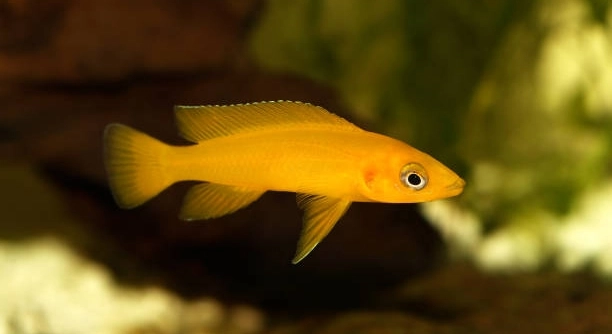
Arowanas are graceful fish that capture attention with their shimmering scales and fluid movements. Many owners enjoy observing them glide through the water, appreciating their elegance and the calm presence they bring to an aquarium.
Arowanas can be distracted by outside movement. They are naturally alert and responsive to changes in their environment. Sudden motions or reflections near the tank often trigger curiosity or defensive behavior, affecting their swimming patterns and overall focus.
Understanding how external stimuli impact arowanas is important for their well-being. Observing these reactions can help maintain a stable and comfortable environment for the fish.
How Outside Movement Affects Arowanas
Arowanas are highly sensitive to motion near their tanks. Even small movements, like someone walking by or shadows shifting, can catch their attention. This reaction is a natural instinct to detect potential threats or prey. Over time, frequent disturbances may stress the fish, causing them to swim erratically or hide more often. Providing a stable environment with minimal interruptions allows the arowana to remain calm and display its natural behaviors. Owners often notice that arowanas become more predictable and relaxed when distractions are limited. Positioning the tank away from high-traffic areas or using a background can help reduce constant visual stimuli. Maintaining consistent lighting and minimizing sudden reflections also supports their comfort. Arowanas that are consistently exposed to external movement may still adapt, but their stress levels can increase, which could impact health. Creating a peaceful environment enhances their well-being and allows them to thrive in a home aquarium.
Limiting external motion around the tank helps arowanas feel secure and reduces stress-related behaviors.
Observing an arowana’s reactions over time shows how different types of movements affect its activity. Quick, repeated motions may make the fish dart or stop swimming entirely, while slower, predictable movements are less disturbing. This pattern suggests that arowanas can distinguish between minor, non-threatening activity and situations that require caution. By adjusting the tank’s location and monitoring the surroundings, owners can better understand their fish’s comfort level.
Tips to Minimize Distractions
Reducing movement near the tank improves an arowana’s comfort. Simple adjustments to the environment make a significant difference.
Position the aquarium in a quieter area away from heavy foot traffic and direct sunlight. Adding a background or partial cover on the tank can limit visual distractions. Avoid placing reflective surfaces or electronics nearby, as these can startle the fish. Consistent lighting that mimics natural day and night cycles reduces sudden changes that might catch the arowana’s attention. Feeding times should be calm and predictable to prevent stress. Observing the fish regularly allows owners to identify patterns in behavior and notice if certain movements trigger agitation. Enrichment, such as floating plants or smooth hiding spots, can also divert attention from external disturbances. Small, consistent steps to control the environment help arowanas feel secure, which supports their health and natural activity. Over time, a well-managed tank fosters a calmer, more confident fish, making care routines easier and more enjoyable.
Signs Your Arowana Is Distracted
Arowanas that notice outside movement often show sudden bursts of speed or stop swimming. They may turn sharply toward the motion or hover near the surface. Repeated reactions can indicate that the fish is alert and easily distracted, affecting their normal routine.
Distracted arowanas may also display less predictable feeding behaviors. They might ignore food or take longer to approach it if nearby activity catches their attention. Erratic swimming and hesitation are common when they feel unsettled. Over time, these signs help owners identify patterns of stress or curiosity related to external stimuli. Observing carefully allows adjustments to the tank environment that reduce unnecessary distractions, supporting the fish’s overall comfort and routine.
Long-term distraction can influence an arowana’s health and behavior. Continuous exposure to movement may increase stress, leading to reduced appetite or irregular activity levels. Fish may retreat to corners or hide behind decorations to feel secure. Managing the environment with minimal disturbances encourages stable behavior, helping the arowana maintain a calm and healthy routine. Monitoring reactions regularly ensures that adjustments can be made before stress impacts overall well-being.
How to Adjust Your Tank Environment
Creating a controlled environment limits distractions and helps arowanas stay calm. Rearranging tank placement reduces visual disturbances and stress.
Positioning the aquarium away from busy areas, windows, or reflective surfaces minimizes sudden movements that catch the fish’s attention. Adding a solid background or partial cover can further reduce external visual stimuli. Tank lighting should remain consistent, avoiding abrupt changes or overly bright reflections. Including hiding spots, plants, or decorations gives the arowana places to feel secure while still allowing room to swim freely. By controlling external stimuli and providing a stable, enriched environment, the fish can focus on natural behaviors like swimming, feeding, and exploring. Regularly observing responses helps identify areas for improvement, ensuring the tank supports a calm and healthy fish.
Common Distractions for Arowanas
Reflections on glass, passing shadows, and sudden movements nearby can easily catch an arowana’s attention. Even small disturbances may cause quick swimming or hovering near the tank edges, showing heightened alertness.
Loud noises or vibrations around the aquarium can also distract the fish. These disturbances often lead to irregular swimming patterns and occasional hiding, affecting their daily routine and comfort.
Observing Behavioral Changes
When arowanas are distracted, they may become less responsive to feeding or enrichment. Owners often notice hesitation or brief pauses in swimming whenever movement occurs nearby. This behavior highlights their alert nature and emphasizes the importance of a calm, stable environment for maintaining normal activity and reducing stress.
Managing Tank Placement
Placing the aquarium in a low-traffic area reduces constant disturbances. Stability in location helps arowanas feel secure and maintain regular behavior patterns.
FAQ
Can arowanas recognize people moving outside the tank?
Arowanas are observant and may notice movements outside their aquarium, including people walking by. They don’t recognize individuals like humans do, but they respond to motion as a potential threat or something interesting in their environment. Sudden movements often catch their attention, causing brief pauses or quick swimming responses. Over time, fish may become familiar with predictable movements, reducing stress, but unpredictable activity can still trigger alert reactions.
Why does my arowana swim erratically when someone walks past?
Erratic swimming is a natural response to perceived changes in the environment. Arowanas are predators but also cautious fish. Sudden movement can trigger instinctual reactions to avoid potential danger. This behavior is amplified in younger or more sensitive fish. Minimizing external stimuli and placing the tank in a quieter area can reduce these episodes, helping the fish maintain calmer and more predictable swimming patterns.
Does constant distraction affect my arowana’s health?
Yes, frequent distractions can increase stress levels, which may affect appetite, immunity, and overall behavior. Prolonged stress can lead to decreased feeding, slower growth, and vulnerability to illness. Creating a stable environment with minimal disturbances is key. Observing the fish for stress indicators like hiding, rapid gill movement, or unusual swimming patterns can help prevent long-term health issues.
Are some arowanas more sensitive to outside movement than others?
Individual temperament varies. Some arowanas are naturally more alert or skittish, reacting quickly to passing shadows, reflections, or people moving nearby. Others remain calmer in similar situations. Sensitivity can depend on age, environment, and past experiences. Owners can help reduce stress by providing a consistent setting and limiting sudden visual stimuli.
How can I reduce distractions without closing off the tank completely?
Simple adjustments like placing a solid background on the tank, adding plants or decorations, and keeping it away from high-traffic areas help. Soft, consistent lighting avoids reflections and harsh contrasts. Providing hiding spots allows the arowana to retreat when it feels uneasy, while still keeping it visible and active in the aquarium.
Will my arowana eventually ignore outside movement?
With time, some fish may habituate to regular, predictable activity near the tank. They learn that certain movements are not threatening. However, sudden or irregular changes will always elicit some reaction due to their alert nature. Continuous observation and a stable environment help encourage calm behavior without causing stress.
Does tank size influence how distracted an arowana becomes?
Yes, larger tanks provide more swimming space and areas to retreat, which can reduce stress from external disturbances. Smaller tanks limit escape routes and make fish feel more exposed, increasing sensitivity to movement. Choosing an appropriate tank size and creating visual barriers enhances comfort and reduces distraction-related behaviors.
Can feeding routine reduce distraction?
A consistent feeding schedule helps focus the arowana’s attention on food rather than outside activity. Calm, predictable feeding times create positive associations with the environment. Distractions during feeding can cause hesitation, so maintaining a quiet area and offering food in the same location reinforces a sense of security.
Do reflections in the tank glass cause distraction?
Yes, reflections can trigger reactions similar to those caused by real movement. The fish may perceive its own reflection as another fish or a potential threat. Using a background, adjusting lighting, or positioning the tank to reduce reflections minimizes this type of distraction, helping the arowana remain calm.
How can I tell if my arowana is stressed from external stimuli?
Signs include erratic swimming, frequent hiding, loss of appetite, rapid gill movements, or aggression toward other tank inhabitants. Regular observation helps distinguish between normal curiosity and stress-related behaviors. Implementing gradual environmental adjustments and reducing sudden movements near the tank supports the fish’s well-being and encourages stable behavior.
Arowanas are naturally alert and sensitive fish, responding quickly to changes in their environment. Movements outside the tank, reflections, or sudden noises can catch their attention and influence their behavior. Observing how your arowana reacts to these stimuli helps you understand its needs and comfort level. Maintaining a stable environment with minimal disturbances allows the fish to display natural behaviors, such as smooth swimming, feeding confidently, and exploring its surroundings. Small adjustments, like relocating the tank to a quieter area or using a solid background, can make a significant difference in reducing distractions. Over time, this stability promotes calm and predictable behavior, improving the overall well-being of the fish and making daily care easier.
Stress from frequent distractions can have long-term effects on an arowana’s health. Consistent exposure to sudden movements or reflections may lead to erratic swimming, hiding, or decreased appetite. These behaviors indicate that the fish is on high alert, which can increase energy use and impact growth or immune function. Providing hiding spots, plants, or decorations within the tank helps the arowana feel secure while still allowing it to swim freely. A predictable feeding schedule also supports a sense of stability, as the fish learns to associate calm periods with food and safety. By observing reactions and adjusting the tank environment, owners can prevent unnecessary stress and ensure that the arowana remains healthy and active.
Every arowana has its own temperament, and sensitivity to outside movement can vary. Some fish may adapt to regular activity nearby, while others remain cautious regardless of repeated exposure. Recognizing these differences is important for creating a supportive environment. Reducing external distractions, providing consistent lighting, and offering enriched areas within the tank all contribute to a calm and balanced space. By paying attention to the fish’s behavior and making thoughtful adjustments, owners can create conditions that encourage natural activity, reduce stress, and enhance overall quality of life. Arowanas thrive best in environments where they feel secure, and careful management of external stimuli is a key part of ensuring their long-term health and comfort.

Hello,
If you enjoy the content that we create, please consider saying a "Thank You!" by leaving a tip.
Every little bit helps us continue crafting quality advice that supports the health, happiness, and well-being of pets around the world, for pets of all shapes, sizes, and species.
We really appreciate the kindness and support that you show us!