
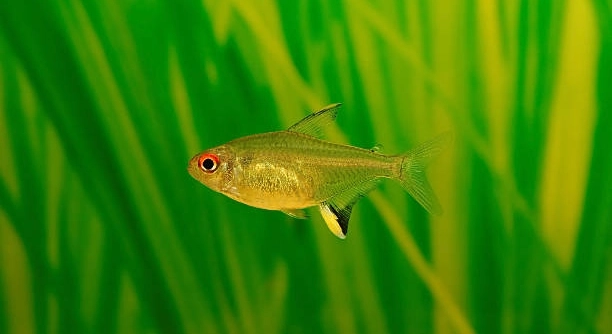
Lemon tetras are small, vibrant fish that bring life to any aquarium. Observing their behavior can be fascinating, especially when they begin interacting more closely in the tank. Many fish keepers look for signs of schooling.
Lemon tetras form a school when they swim together in a coordinated manner, maintaining a similar direction and spacing. This behavior promotes safety, social interaction, and reduces stress, reflecting their natural instincts in the wild.
Recognizing these patterns early helps you support their well-being and create a harmonious aquarium environment for your fish.
Understanding Lemon Tetra Behavior
Lemon tetras are naturally social fish, and their schooling behavior is a critical part of their daily life. In a tank, you may notice them swimming in small groups that gradually grow larger. These schools form as the fish adjust to their surroundings and gain confidence in the environment. Observing their movement can be subtle at first, with occasional alignment or synchronized swimming. Over time, as the fish feel safer and more comfortable, the group becomes tighter and more coordinated. This behavior reduces stress and mimics their natural instincts in rivers and streams, where being in a group provides protection from predators. Feeding times often highlight schooling behavior, as the fish move together toward food while maintaining their formation. Lighting, tank size, and the presence of hiding spots all influence how easily lemon tetras form schools. Understanding these factors helps you create a supportive environment for healthy schooling behavior.
Lemon tetras that feel secure are more likely to swim together consistently. Their environment greatly influences this behavior.
Paying attention to subtle signs like synchronized turns, spacing, and direction allows you to confirm when your lemon tetras have established a school. It also helps prevent stress-related behaviors such as hiding or aggression. Regular observation and consistent tank conditions encourage stable social structures, making it easier for the fish to maintain harmony.
Supporting School Formation
Creating the right environment encourages lemon tetras to form stable schools. Tank size, decorations, and water quality all play a role. A medium to large tank with open swimming space allows the fish to move freely while still feeling secure near plants or rocks. Water temperature and pH levels that match their natural preferences help reduce stress, promoting social interaction. Introducing lemon tetras in groups rather than individually also encourages faster schooling.
Consistent care ensures your lemon tetras remain healthy and display natural schooling patterns.
Monitoring their social interactions over time helps you understand each fish’s behavior within the group. Fish that are stressed or isolated may need adjustments in tank conditions or additional companions. Observing how the school reacts to feeding, light changes, and external stimuli gives insight into their comfort level. Providing hiding spots and gentle water flow creates an environment where the fish feel safe while maintaining visibility for schooling. This balance between open space and shelter ensures they can swim together confidently. Paying attention to water quality, regular maintenance, and balanced feeding strengthens their health and supports consistent group behavior. Over time, you will notice a well-formed school that moves fluidly and demonstrates natural, coordinated patterns, enhancing both their well-being and the visual appeal of the aquarium.
Signs Your Lemon Tetras Are Forming a School
Lemon tetras begin schooling when they swim together in a coordinated pattern, maintaining similar spacing and direction. Their movements become synchronized, and they respond quickly to each other’s changes in speed or orientation. This behavior is a clear indicator of a developing social group.
When observing your tank, notice how lemon tetras adjust their positions relative to one another. Fish that were once scattered may start gathering into loose groups near the center or along the tank’s midline. Their turns and accelerations often match, showing a level of coordination that reflects schooling instincts. Over time, this pattern becomes more consistent, and the group behaves as a single unit during movement and feeding. Such behavior indicates both comfort and social bonding within the tank.
School formation also depends on environmental factors. Lemon tetras are more likely to coordinate their swimming in tanks with open swimming space and minimal disturbances. Plants and decorations provide shelter without blocking movement. Lighting that mimics natural conditions encourages consistent activity, while water quality and temperature support health and reduce stress. Adding new fish gradually and in small groups prevents disruption, allowing existing tetras to adjust without breaking the developing school. By providing optimal conditions, schooling behavior becomes more pronounced and stable over time.
Encouraging Consistent Schooling
Consistent schooling requires a stable and supportive environment. Maintaining water parameters within their preferred range, along with proper tank size and layout, encourages synchronized swimming. Group introductions should be gradual to minimize stress and promote harmony.
Monitoring social interactions helps identify any fish struggling to integrate. Lemon tetras that remain isolated may need temporary separation or additional hiding spots to feel secure. Observing their feeding behavior can also indicate social dynamics within the group, as healthy schools coordinate movements toward food while maintaining spacing. Regularly adjusting plants and decorations ensures open swimming areas are available, supporting fluid movement. Maintaining consistent water temperature, pH, and cleanliness reinforces stable behavior, making schooling more natural and predictable. Over time, these measures result in a cohesive school that demonstrates coordinated, confident movement throughout the tank.
Common Mistakes to Avoid
Overcrowding the tank can prevent lemon tetras from forming a stable school. Too many fish in a small space creates stress and disrupts coordination. Maintaining appropriate group sizes allows natural schooling behavior to develop.
Inconsistent water conditions also affect social patterns. Sudden changes in temperature or pH can make fish retreat or scatter, breaking up the school.
Observing Subtle Indicators
Pay attention to small movements like slight changes in direction and spacing. Lemon tetras often communicate through body position and fin movement, which can signal the start of schooling. Consistent observation helps you understand their social structure.
Tank Setup Tips
Open swimming areas with a few plants or hiding spots work best. This balance allows the fish to move freely while feeling secure.
FAQ
How many lemon tetras are needed to form a school?
Lemon tetras are social fish, and schooling is most noticeable with at least six to eight individuals. Smaller groups may not show consistent coordination, while larger groups create a stronger visual effect and more natural behavior. Maintaining a balanced group helps reduce stress and encourages confident swimming.
Can lemon tetras school immediately after being introduced to a new tank?
Newly introduced fish often take time to adjust. Stress and unfamiliar surroundings can prevent immediate schooling. It may take several days or weeks for them to feel secure enough to swim together consistently. Gradual acclimation and a stable environment help them form a school more quickly.
Do tank size and decorations affect schooling?
Yes, they do. A tank that is too small restricts movement and can disrupt schooling behavior. Open swimming areas are essential, while plants and decorations provide security. Arranging decorations to leave clear paths encourages coordinated movement without stress.
What signs indicate lemon tetras are forming a school?
Look for synchronized movements, similar spacing, and matching changes in direction. Fish will respond quickly to each other’s movements, forming a cohesive group. Feeding times often make schooling more apparent, as they move together toward food while maintaining formation.
How does water quality influence schooling behavior?
Stable water conditions are crucial. Sudden changes in temperature, pH, or chemical balance can cause stress, making fish retreat or scatter. Consistent maintenance, including regular water changes and monitoring, ensures a supportive environment that encourages schooling.
Is schooling behavior affected by other tank mates?
Yes. Aggressive or territorial fish can disrupt the school, while peaceful species generally have little impact. It’s best to house lemon tetras with compatible, non-aggressive fish to allow natural schooling patterns to develop without interference.
Can isolated lemon tetras be encouraged to join a school?
Introducing additional lemon tetras gradually helps isolated fish integrate. Providing open swimming space and safe hiding spots reduces stress, making them more likely to join the group. Patience is key, as it may take several days for hesitant individuals to become fully coordinated.
Does feeding impact schooling behavior?
Feeding time often highlights schooling tendencies. Lemon tetras typically move together toward food while keeping proper spacing. Consistent feeding schedules reinforce group cohesion and provide opportunities to observe the school’s coordination and social interactions.
How long does it take for a school to stabilize?
Formation time varies depending on tank conditions, group size, and individual temperament. In ideal conditions, a school can form within a few days, but full coordination and consistent behavior may take several weeks. Regular observation and stable conditions speed up the process.
Are there health benefits to schooling?
Yes. Schooling reduces stress, provides a sense of security, and mimics natural behaviors. Fish that feel safe and socially integrated are less likely to exhibit aggression or hide excessively. Supporting schooling behavior contributes to overall health, longevity, and well-being in the aquarium.
Can lighting affect schooling?
Moderate lighting that mimics natural conditions encourages activity without causing stress. Bright or fluctuating lighting may make fish nervous, disrupting the school. Consistent lighting schedules help maintain a calm environment that supports coordinated swimming.
What should be avoided to maintain a stable school?
Avoid sudden changes in tank conditions, overcrowding, and aggressive tank mates. Disruptions in the environment, such as excessive noise or strong currents, can scatter the group. Providing a stable, predictable environment is the best way to support long-term schooling behavior.
Do lemon tetras ever break the school temporarily?
Yes, brief breaks happen during feeding, exploration, or minor disturbances. This is normal as long as they regroup quickly. Temporary separation does not indicate a problem if the fish return to coordinated movement within a short period.
Can juvenile lemon tetras form a school?
Juveniles may start with small, loose groups. As they grow and gain confidence, schooling becomes more defined. Proper tank conditions and consistent group presence encourage young tetras to develop natural social behaviors over time.
How do you encourage a hesitant fish to school?
Gradually increase group size, provide safe hiding spots, and maintain stable water conditions. Avoid sudden changes, and allow the fish to acclimate at their own pace. Gentle observation ensures they feel secure, eventually integrating fully into the school.
Are there differences between male and female schooling behavior?
Both sexes participate similarly, though males may display slightly bolder movements during feeding or territory exploration. Overall coordination and spacing remain consistent, and schools typically include both males and females without issue.
How important is tank maintenance for schooling?
Regular cleaning, water changes, and monitoring of parameters are critical. Poor water quality stresses the fish, causing disorganized swimming and disrupted social patterns. Consistent maintenance ensures a healthy environment, encouraging natural schooling behavior.
Can stress from other fish interrupt schooling?
Yes. Aggressive or overly active fish can cause scattering or hiding. Ensuring tank mates are compatible and non-threatening allows lemon tetras to swim together without fear, maintaining consistent coordination.
Is schooling behavior the same for all tetra species?
No. Each species has unique social tendencies. Lemon tetras are naturally inclined to form tight, coordinated schools, but other tetras may exhibit looser groupings or different social behaviors. Understanding species-specific needs helps in creating supportive environments for schooling.
Do environmental changes affect the long-term stability of a school?
Yes. Significant changes in temperature, pH, tank layout, or lighting can disrupt established schooling patterns. Gradual adjustments and careful monitoring help maintain cohesion and reduce stress, ensuring long-term stability of the group.
How can observation improve schooling behavior?
Regularly watching the fish helps identify stressors, behavioral changes, or health issues. Adjusting the environment based on observation supports smoother coordination, encourages hesitant fish to join, and reinforces consistent, healthy schooling over time.
Lemon tetras are fascinating fish to keep because of their social behavior and natural inclination to form schools. Observing them as they begin to coordinate their movements can be both satisfying and informative. Schooling is more than a visual display—it reflects the fish’s comfort, health, and social interaction. When lemon tetras swim together in a cohesive group, it shows that they feel secure in their environment. Creating the right tank conditions is crucial to supporting this behavior. Open swimming space, appropriate group size, and stable water conditions all contribute to a healthy school. While it may take time for a group to become fully coordinated, patience and careful observation usually result in a harmonious school that moves fluidly and responds to changes together. Noticing subtle behaviors, like spacing and synchronized turning, helps confirm that the fish are forming a proper school.
Maintaining consistent care and monitoring the tank environment is essential for long-term schooling success. Water quality, temperature, and pH should remain stable, as sudden changes can disrupt group behavior. Feeding routines also influence schooling, as fish often move together toward food while maintaining their formation. Avoiding overcrowding and introducing new fish gradually helps minimize stress, making it easier for hesitant or isolated individuals to join the group. Tank layout matters as well. Plants and decorations should provide shelter without blocking swimming paths. Balanced lighting and gentle water flow also create an environment that encourages confident movement. By paying attention to these factors, you can support both the natural instincts of the lemon tetras and the visual appeal of a coordinated school. Over time, these practices result in a more stable and cohesive group that demonstrates natural behavior consistently.
Observing the development of a lemon tetra school can be a rewarding part of aquarium keeping. It allows you to see social interactions, coordination, and confidence among your fish. Understanding the factors that influence schooling, from water quality to tank layout, ensures that your fish remain healthy, stress-free, and engaged with one another. A well-formed school not only enhances the appearance of your aquarium but also contributes to the well-being of each individual fish. By providing the proper environment, monitoring social behavior, and maintaining consistent care, you create conditions where schooling can thrive naturally. Lemon tetras will display coordinated swimming, responsive movement, and a sense of security that reflects their comfort in the tank. Paying attention to these behaviors and supporting them through thoughtful care ensures that your fish develop strong, lasting social bonds and enjoy a healthy, balanced life in your aquarium.

Hello,
If you enjoy the content that we create, please consider saying a "Thank You!" by leaving a tip.
Every little bit helps us continue crafting quality advice that supports the health, happiness, and well-being of pets around the world, for pets of all shapes, sizes, and species.
We really appreciate the kindness and support that you show us!