
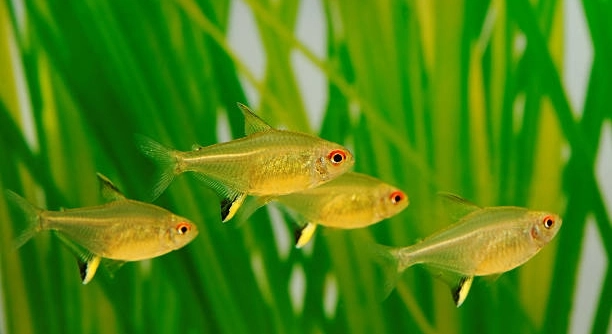
Are your lemon tetras spending most of their time near the bottom or top of the tank instead of swimming freely through the middle? This behavior can be concerning, especially if your fish are usually active and social.
Lemon tetras often avoid the middle of the tank due to stress, poor water conditions, or insufficient cover. Ensuring proper water temperature, pH balance, and adequate hiding spots can encourage more natural swimming behavior and reduce avoidance.
Observing subtle changes in their behavior and environment can help you understand why they prefer certain areas. Adjustments to the tank setup can improve their comfort and confidence.
Common Reasons Lemon Tetras Avoid the Middle
Lemon tetras may avoid the middle of the tank for several reasons. One major factor is stress from water conditions. Sudden changes in temperature or pH can make them feel unsafe. Inadequate filtration or irregular water changes also increase stress, leading them to stick to the bottom or top. Another reason is lack of cover. Open spaces make them feel exposed, so they naturally avoid areas without plants or decorations. Overcrowding can contribute as well. If there are too many fish, they may feel threatened and choose safer spots near the edges. Aggressive tank mates can also drive them away from the center. Even lighting plays a role; too bright lights can make them uncomfortable. By observing their behavior and tank setup, you can identify specific stressors. Small adjustments in water quality, tank decorations, and lighting often encourage more confident swimming patterns.
Adjusting the tank setup and monitoring water quality can quickly improve their comfort. These changes often encourage them to explore more freely.
Making small improvements, like adding live plants or floating cover, can make the middle area feel safer. Keeping water clean and consistent will help reduce stress. Over time, your tetras should begin using the center more, showing more natural and active behavior, creating a balanced and healthy tank environment.
Tank Conditions and Water Quality
Poor water quality is a common reason for avoidance. Regular checks for ammonia, nitrite, and nitrate levels are essential. Even minor imbalances can make the fish uncomfortable.
Maintaining stable temperature and pH levels is critical for lemon tetras. Water that is too warm or too cold, or fluctuates frequently, can cause stress and avoidance. Proper filtration ensures debris and toxins are minimized, helping the fish feel secure. In addition, performing partial water changes weekly removes excess waste and maintains a healthy environment. Avoid overfeeding, as uneaten food decomposes and affects water quality. Providing aeration through gentle bubbles or movement improves oxygen levels. Observing fish behavior after adjustments can indicate whether conditions are optimal. Healthy fish are more likely to swim confidently throughout the tank, including the middle areas, rather than staying near the edges or hiding. By combining consistent water testing, careful maintenance, and thoughtful tank arrangement, you create an environment where lemon tetras feel safe, active, and stress-free, encouraging natural swimming patterns.
Tank Decorations and Hiding Spots
Adding plants and decorations gives lemon tetras places to hide and feel secure. Floating plants, dense foliage, and driftwood create layers, reducing stress and encouraging exploration throughout the tank.
Providing a variety of hiding spots helps the fish feel safe while swimming. When the middle of the tank is open, they may avoid it, fearing exposure. Using live plants, rocks, and driftwood can break up open areas, giving them confidence to move freely. Even small caves or clusters of plants near the center allow the fish to venture out without feeling vulnerable. Gradually arranging decorations in a way that creates natural pathways can make the middle area more inviting. Observing their response to changes helps you determine what works best. By combining cover with clear swimming areas, lemon tetras gain both security and space to swim naturally.
Avoiding sudden rearrangements is important. Fish need time to adjust to new hiding spots, ensuring comfort and stability in the tank. Gradual changes maintain confidence and reduce stress-related avoidance.
Feeding Habits and Tank Behavior
Consistent feeding routines affect where lemon tetras swim. Overfeeding or irregular schedules can increase stress, making them avoid certain areas. Proper feeding encourages more balanced tank activity.
Feeding at the same times each day helps the fish feel secure and reduces skittish behavior. Uneaten food can lead to water quality issues, discouraging swimming in the middle. Using small, frequent feedings ensures food is consumed quickly, preventing debris accumulation. Observing the fish during feeding also helps identify health or behavioral concerns. Adjusting the feeding method, like scattering food evenly or using sinking pellets, encourages fish to explore different areas of the tank. Tank mates’ behavior during feeding can influence lemon tetras’ confidence, especially if aggressive or larger fish dominate food. Maintaining a calm, structured feeding routine promotes comfort, reduces stress, and gradually encourages the fish to use the tank more evenly.
Lighting and Tank Environment
Too bright lighting can make lemon tetras feel exposed, causing them to avoid the middle. Dimmer lighting or shaded areas encourage more confident swimming.
Adjusting light intensity gradually allows fish to acclimate. Using floating plants or partially shaded sections creates natural cover and reduces stress effectively.
Schooling and Social Behavior
Lemon tetras are schooling fish and feel safer in groups. If the school is too small or fish are separated, they may stay near edges. Ensuring a proper group size encourages movement throughout the tank.
Schooling provides a sense of security and reduces stress, making fish more likely to explore all areas. Observing their interactions helps you identify timid individuals and adjust tank conditions to support group cohesion. A well-coordinated school promotes natural swimming patterns and overall tank harmony.
Observation and Adjustment
Careful observation helps identify patterns in tank behavior. Watching their swimming habits and interactions provides clues about stressors.
Regularly monitoring your tank and making small adjustments to decorations, lighting, and water quality keeps lemon tetras comfortable. Consistent observation ensures they gradually explore the middle, maintaining a balanced and healthy environment.
FAQ
Why are my lemon tetras hiding at the bottom of the tank?
Lemon tetras often hide at the bottom due to stress or feeling unsafe. Poor water quality, sudden temperature changes, or bright lighting can make them seek shelter. Adding plants, driftwood, or other hiding spots helps them feel secure while encouraging more confident swimming over time.
Can aggressive tank mates cause them to avoid the middle?
Yes, lemon tetras are peaceful and may avoid areas where aggressive or larger fish dominate. If other fish chase or corner them, they retreat to edges or the bottom. Separating aggressive species or providing sufficient cover can reduce tension and allow tetras to explore freely.
Does water temperature affect their swimming patterns?
Absolutely. Lemon tetras prefer stable temperatures between 72°F and 78°F. Fluctuations can stress them, causing them to cling to the tank’s top or bottom. Consistent heating, using a reliable aquarium heater and thermometer, maintains comfort and promotes normal activity throughout the tank.
How does tank size impact their behavior?
Small or overcrowded tanks increase stress and reduce swimming space. Lemon tetras thrive in medium to large tanks with at least 10 gallons per small group. More space reduces competition for territory, encourages schooling, and helps them explore the middle confidently.
Can lighting make them avoid certain areas?
Yes, overly bright lights make them feel exposed and vulnerable. Using dim lighting, floating plants, or shaded areas creates cover. Gradually adjusting light intensity allows tetras to acclimate and encourages them to swim through open spaces safely.
Do hiding spots really help with their confidence?
Definitely. Lemon tetras feel safer when they have plants, caves, or driftwood to retreat to. Hiding spots reduce stress and encourage exploration, including the middle of the tank. Changing decorations too often can cause confusion, so it’s best to add cover gradually.
How does feeding affect where they swim?
Feeding routines influence comfort and activity. Regular, small feedings prevent leftover food from affecting water quality, which can stress fish. Scattering food encourages movement across the tank. Uneaten food or competition from tank mates may cause them to avoid open areas temporarily.
Why do some tetras stay at the top while others stick to the bottom?
Individual temperament, health, or minor stress can cause variation. Sick or weaker fish may stay near the top for oxygen or the bottom for safety. Observing for signs of illness, like faded color or erratic swimming, helps identify underlying problems early.
How can I encourage my tetras to use the middle more?
Provide a mix of cover and open swimming space. Maintain clean water, stable temperature, and calm lighting. Gradually adding mid-level plants or floating cover makes the middle feel safe. Ensuring a proper school size and peaceful tank mates further encourages natural swimming behavior.
Are there health concerns if they avoid the middle?
Persistent avoidance may indicate stress, illness, or poor water conditions. Monitor for lethargy, changes in appetite, or unusual markings. Prompt adjustments to water quality, tank environment, or diet often restore normal behavior and prevent long-term health issues.
Does tank maintenance play a role in their behavior?
Yes. Regular water changes, filter cleaning, and debris removal prevent stress and maintain water stability. Clean water encourages tetras to explore freely, reducing avoidance behaviors. Neglecting maintenance increases toxins, which can drive fish to hide or stick to safe zones.
Is schooling behavior affected by tank conditions?
Definitely. Lemon tetras are naturally social. Small schools, aggressive neighbors, or lack of cover can disrupt cohesion. Healthy schools move confidently, including through the middle of the tank. Observing interactions and adjusting the environment supports strong schooling patterns and reduces anxiety.
Can sudden changes in the tank make them avoid areas?
Yes, abrupt changes like new decorations, rearranged plants, or sudden lighting shifts create stress. Gradual introductions allow tetras to adjust, helping them feel comfortable exploring the middle without fear. Sudden disruption can temporarily cause hiding or edge-clinging behaviors.
How long does it take for them to adjust?
Adjustment varies. Some fish acclimate within a few days, while others need weeks. Consistent water parameters, proper cover, and calm surroundings speed up comfort. Observing behavior daily helps determine when they are confident enough to explore all areas of the tank.
What signs indicate they are finally comfortable?
Active swimming throughout all tank levels, regular schooling, and normal feeding behavior show confidence. Reduced hiding and balanced use of open spaces, including the middle, indicate they feel secure and stress-free. Stable coloration and relaxed movements confirm overall well-being.
Are there any tools to help monitor their behavior?
Video recording or brief observation sessions help track patterns and spot stress indicators. Noting feeding times, hiding spots, and swimming levels gives insight into preferences. Adjusting tank conditions based on observations ensures lemon tetras gradually feel safe using the entire space.
Can seasonal changes affect their activity?
Yes, temperature fluctuations and daylight variations may influence swimming habits. Maintaining stable water temperature and consistent light cycles helps tetras remain active and reduces avoidance of open areas, keeping their behavior predictable and healthy.
Does tank cleaning frequency matter?
Regular cleaning prevents toxin buildup that stresses fish. Partial water changes, filter maintenance, and substrate cleaning keep the environment stable. Neglecting these tasks can drive tetras to edges, bottom, or top, avoiding the center due to discomfort or unsafe conditions.
How important is water flow for their comfort?
Moderate water flow mimics natural conditions, helping lemon tetras feel secure. Strong currents can stress them, making them stick to calmer zones near the tank edges. Adjusting filter output ensures a gentle, comfortable flow throughout the tank.
Should I separate tetras from other species if they are stressed?
If tank mates are aggressive or overly dominant, temporary separation can reduce stress. After adjusting tank size, cover, and water conditions, reintroduce them gradually. Peaceful coexistence encourages confidence and exploration of all areas, including the middle of the tank.
Can tank mates influence feeding and swimming patterns?
Yes, competitive or fast-eating fish can intimidate lemon tetras. Scattering food evenly, feeding smaller portions, and monitoring interactions reduces stress, allowing tetras to explore the middle safely while maintaining natural schooling behavior.
Is water hardness a factor in their behavior?
Water hardness affects comfort and health. Lemon tetras prefer soft to moderately hard water. Sudden changes can make them avoid open areas. Testing and adjusting hardness ensures they feel safe swimming through all tank levels.
How often should I observe their behavior?
Daily observation is ideal. Short, consistent checks help detect stress, illness, or environmental issues early. Tracking swimming patterns and hiding behavior allows you to make timely adjustments to tank conditions, promoting confidence and overall well-being.
Do tetras react to noise or vibrations outside the tank?
Yes, loud noises or sudden vibrations can startle them, causing temporary avoidance of the middle. Placing the tank in a calm area and minimizing disturbances helps maintain stable, confident swimming behavior.
Can plants alone encourage middle swimming?
Plants help, but a mix of cover types works best. Floating plants, mid-level decorations, and open swimming areas combined give security while allowing natural exploration of all tank zones.
Does the number of tetras affect their confidence?
Yes, small schools may feel insecure, while groups of six or more promote safety in numbers. A proper school size encourages coordinated swimming and reduces avoidance of the middle, allowing more natural tank behavior.
Are there any signs that water quality is poor without testing?
Faded color, gasping at the surface, lethargy, and hiding are indicators. Regular testing confirms conditions. Immediate action, like partial water changes, restores stability and encourages more active swimming throughout the tank.
How long before I see improvement after adjustments?
Improvements can appear within days for minor stressors, but more significant changes may take weeks. Gradual observation ensures adjustments are effective, helping lemon tetras feel safe and begin using the middle confidently.
Can stress from transport or recent introduction affect behavior?
Yes, newly introduced or recently transported tetras often stay near edges or the bottom. Allowing time to acclimate, keeping water stable, and providing hiding spots promotes gradual confidence and exploration of open areas.
Do lemon tetras prefer certain tank levels naturally?
While they naturally swim mid to upper levels, stress, environment, and schooling behavior influence preferences. Proper tank setup, peaceful companions, and cover help balance their use of all levels, including the middle, for healthier activity patterns.
Can feeding live or frozen food encourage middle swimming?
Yes, distributing live or frozen food across the tank encourages movement. It motivates tetras to leave edges and explore mid-level areas safely while supporting natural foraging behavior.
Is it normal for some individuals to avoid the middle longer than others?
Yes, temperament varies. Shy or weaker fish may take longer to feel comfortable. Observing patience, maintaining calm conditions, and providing gradual encouragement help all individuals use the tank evenly over time.
How can I make sudden tank changes less stressful?
Introduce new decorations or plants gradually. Adjust lighting, water flow, and temperature slowly. This reduces fear, helping lemon tetras maintain confidence and explore all areas without retreating to edges or hiding.
What should I do if one tetra remains isolated?
Check health, water quality, and tank dynamics. Isolated behavior can indicate illness, stress, or bullying. Addressing the environment, providing cover, and monitoring interactions encourages reintegration and balanced swimming with the school.
Does tank size limit their willingness to explore?
Yes, cramped tanks increase stress and reduce freedom. Providing adequate space, proper cover, and a suitable school size encourages confidence, helping lemon tetras move freely, including the middle, and maintain natural behavior patterns.
Can seasonal light changes disrupt their routine?
Yes, sudden variations in daylight or artificial lighting can affect comfort. Maintaining consistent light cycles and gentle transitions helps lemon tetras remain active and confident throughout all tank areas.
How do I know when they are fully comfortable?
Confident tetras swim naturally throughout the tank, including the middle. They school smoothly, feed without hesitation, show bright coloration, and exhibit relaxed movements, indicating reduced stress and a secure environment.
Are there environmental cues that encourage middle swimming?
Yes, moderate lighting, scattered cover, stable water conditions, and calm tank mates create a safe space. These cues gradually encourage exploration of the middle, promoting healthy behavior and balanced activity throughout the tank.
Can tank vibrations from pumps or filters cause avoidance?
Strong vibrations can stress tetras, making them cling to edges or bottom areas. Ensuring gentle filtration, proper positioning, and minimal disturbance reduces stress, allowing them to use the middle confidently.
Do tetras prefer certain decorations for security?
Yes, dense plants, driftwood clusters, and small caves provide safety. Mid-level decorations combined with open swimming space encourage exploration while maintaining a secure environment. Gradually introducing these elements helps tetras feel comfortable using the middle of the tank.
Is water clarity important for middle swimming?
Absolutely. Clear water improves visibility and reduces stress. Cloudy or murky water can make tetras feel unsafe, causing them to avoid open areas. Consistent maintenance and filtration ensure confidence and balanced swimming throughout the tank.
How do I handle sudden aggressive behavior from tank mates?
Immediate separation or adding cover is important. Observing interactions and adjusting the environment reduces stress and allows lemon tetras to regain confidence, encouraging normal schooling and middle-tank activity.
Can adding more tetras improve confidence?
Yes, increasing the school size helps shy individuals feel safer. A larger group encourages natural schooling behavior, promoting movement across all tank levels, including the middle, and reducing stress-related avoidance.
Do tetras have individual personalities that affect tank use?
Yes, some are naturally timid while others are bolder. Personality differences affect swimming patterns and comfort in open areas. Gradual environmental adjustments help all individuals gain confidence and explore the tank evenly.
What’s the role of substrate in their comfort?
Smooth, clean substrate reduces stress. Uneven or rough surfaces may make tetras feel unsafe in open areas. A suitable substrate encourages exploration, schooling, and natural swimming behavior, including movement through the middle of the tank.
Can water chemistry changes cause temporary avoidance?
Yes, sudden shifts in pH, hardness, or ammonia levels can stress fish. Gradual corrections and consistent monitoring help restore confidence, encouraging the fish to swim freely throughout the tank.
How do I encourage shy tetras to join the school?
Provide cover, feed strategically, and maintain calm conditions. Gradual exposure to other fish and reassurance through consistent tank care helps shy individuals feel secure enough to explore and join the group.
Do seasonal temperature changes affect their activity levels?
Yes, colder water can reduce activity, causing them to stay at the bottom. Maintaining stable temperatures ensures normal movement and encourages use of all tank levels.
Can adding mid-level plants make a difference?
Yes, mid-level plants offer security without blocking open space. They allow tetras to explore the middle gradually, reducing stress and promoting natural swimming behavior.
How long should I monitor behavior after changes?
Observe daily for several weeks. Monitoring responses to adjustments ensures tetras feel comfortable, gradually increasing confidence to explore the middle and use the tank fully.
Do they respond to human presence?
Yes, calm observation can reduce stress, while sudden movements or tapping may startle them. Gentle, predictable interactions help maintain confidence and normal swimming patterns.
Are there signs of stress I should look for regularly?
Fading color, erratic swimming, clinging to edges, hiding, or loss of appetite indicate stress. Early detection allows adjustments in water, environment, or tank mates to restore normal behavior.
Can temperature swings at night affect behavior?
Yes, nighttime drops can cause temporary bottom-dwelling or edge-clinging. Stable heating and monitoring overnight temperatures help maintain normal activity and comfort throughout the tank.
Do floating plants help with middle swimming?
Yes, they provide shade and security, encouraging tetras to move through mid-level areas while still feeling protected. Gradually increasing cover can improve confidence and tank exploration.
How do I prevent bullying from tank mates?
Ensure compatible species, adequate hiding spots, and proper school size. Observe interactions and separate aggressive fish if necessary. These steps reduce stress, allowing lemon tetras to swim freely, including the middle of the tank.
Is there a difference in behavior between males and females?
Males may be slightly bolder, while females can be more cautious. Both respond to environmental comfort and schooling. Proper setup, cover, and group size help balance their swimming patterns and confidence levels.
How often should I check water parameters?
Weekly testing is ideal, including pH, ammonia, nitrites, and nitrates. Consistent monitoring ensures safe conditions, reducing stress and encouraging balanced swimming throughout all tank areas.
Can seasonal plant growth affect swimming behavior?
Yes, dense plant growth may block open areas, making tetras hesitant. Trimming and arranging plants thoughtfully ensures security while maintaining space for middle-tank exploration.
Are there specific times when tetras avoid the middle naturally?
Newly introduced fish or nighttime periods may show temporary avoidance. Consistent conditions, gradual acclimation, and safe cover help them regain confidence and explore the middle regularly.
Does tank height affect comfort levels?
Yes, very tall tanks may make tetras feel exposed in the middle. Adequate vertical cover, floating plants, and mid-level decorations provide security, encouraging exploration of all zones.
Can changing tank layout too often cause stress?
Yes, frequent rearrangement creates confusion and avoidance. Gradual adjustments with time to acclimate maintain confidence and encourage natural swimming throughout the tank.
Do lemon tetras have preferences for certain plant types?
Yes, they feel safer in dense, fine-leaved plants like Java fern or moss. Broad-leafed plants can also provide cover. Combining types creates comfort and encourages exploration of the middle.
How do I balance open space and cover?
Create areas for swimming with enough hiding spots nearby. Gradually opening mid-level spaces while maintaining security helps tetras feel safe and encourages movement across the entire tank.
Is water flow adjustment important?
Yes, gentle currents mimic natural conditions and reduce stress. Strong currents can drive fish to edges or bottom. Proper flow encourages confident swimming through all tank levels.
Do I need to quarantine new fish to prevent stress?
Yes, quarantining prevents disease and reduces sudden social stress. Introducing healthy, disease-free tetras gradually allows them to integrate and explore the middle safely.
How do I know if avoidance is normal or problematic?
Occasional edge or bottom use is normal. Persistent hiding, refusal to explore mid-levels, or signs of illness indicate stress or environmental issues. Observing patterns over time helps distinguish normal behavior from problems.
Can seasonal water chemistry changes affect behavior?
Yes, rainwater, evaporation, or tap water variations can alter pH or hardness. Regular testing and adjustments maintain stability, encouraging confident swimming throughout the tank.
Does group size affect schooling efficiency?
Yes, larger schools promote coordinated movement and reduce anxiety. Properly sized groups encourage exploration of the middle, helping timid individuals feel secure and active.
How do I safely adjust water temperature?
Gradually change temperature using a reliable heater. Sudden shifts stress fish and may cause prolonged edge or bottom dwelling. Consistency ensures confidence and comfort throughout the tank.
Can mid-tank decorations simulate natural environments?
Yes, driftwood, rocks, and mid-level plants mimic natural habitats. Providing these encourages exploration and reduces stress, making the middle a safe and inviting area.
Are sudden noises or vibrations harmful?
Yes, frequent disturbances can cause temporary hiding or edge-clinging. Minimizing external noise and vibrations supports stable behavior and confident swimming patterns.
Can feeding method influence middle-tank activity?
Yes, scattering food or using slow-sinking pellets encourages movement throughout all tank levels. This promotes natural exploration and reduces avoidance of open areas.
How long should I wait to see full behavior recovery?
Behavior may normalize within days for minor adjustments, but full confidence can take several weeks. Patience, consistent conditions, and gentle encouragement are key to gradual improvement.
Do tetras respond differently to live versus frozen food?
Live food stimulates foraging and exploration, encouraging movement through mid-level areas. Frozen food also works if scattered properly, promoting natural activity and use of the middle tank space.
What’s the best way to reduce stress from tankmates?
Ensure compatible species, sufficient space, and adequate hiding spots. Separating aggressive fish or adjusting school sizes reduces intimidation, allowing tetras to regain confidence and explore the middle freely.
Can water changes influence swimming behavior?
Yes, partial water changes improve quality and reduce stress. Consistent maintenance encourages balanced tank use, helping lemon tetras feel safe in mid-level areas.
Are there signs of permanent fear in tetras?
Persistent edge-hugging, refusal to feed, or avoidance despite ideal conditions
Final Thoughts
Understanding why lemon tetras avoid the middle of the tank requires careful observation and attention to their environment. Their behavior is often influenced by stress, water conditions, tank mates, and the availability of hiding spots. Fish are naturally cautious creatures, and any factor that makes them feel exposed can cause them to stick to the edges, the top, or the bottom of the tank. By identifying potential stressors, you can make adjustments that encourage them to explore more freely. Simple changes, such as adding plants, driftwood, or other forms of cover, can make a significant difference. Even slight improvements to water quality, temperature stability, and lighting can help fish feel safer. Observing their responses after each adjustment helps you understand what works best for your specific tank setup. Each fish may respond differently, and patience is essential as they adapt to changes over time.
Maintaining consistent tank conditions is one of the most effective ways to reduce stress in lemon tetras. Regular water testing, partial water changes, and proper filtration ensure that the tank remains clean and stable. Abrupt changes, whether in temperature, lighting, or water chemistry, can increase stress and reinforce avoidance behaviors. Feeding routines also play a role in their comfort and activity. Providing small, frequent feedings and distributing food evenly encourages the fish to move through different tank levels, including the middle. Schooling behavior should be taken into account as well, since lemon tetras rely on the safety of a group. A properly sized school reduces anxiety and encourages natural movement patterns. Tank mates should be chosen carefully, ensuring compatibility to prevent aggression that may drive tetras away from the center. Gradual changes to the tank setup, along with a calm and stable environment, help fish gain confidence and use the middle area more comfortably.
It is important to remember that each lemon tetra is unique, and their responses to the environment may vary. Some individuals may remain cautious longer, while others adjust quickly. Observing their behavior consistently, providing secure areas, and minimizing sudden disruptions can help all fish feel more confident over time. Middle-tank avoidance is not always a sign of illness, but it should not be ignored, as prolonged stress can affect health. By maintaining clean water, stable conditions, appropriate tank mates, and sufficient cover, you create an environment that encourages natural swimming and reduces stress. Over time, lemon tetras usually begin exploring the middle more regularly, showing signs of comfort and balanced activity. Paying attention to these details ensures that your fish remain healthy, active, and confident, and it makes the tank a more harmonious and enjoyable space for them to thrive.

Hello,
If you enjoy the content that we create, please consider saying a "Thank You!" by leaving a tip.
Every little bit helps us continue crafting quality advice that supports the health, happiness, and well-being of pets around the world, for pets of all shapes, sizes, and species.
We really appreciate the kindness and support that you show us!