
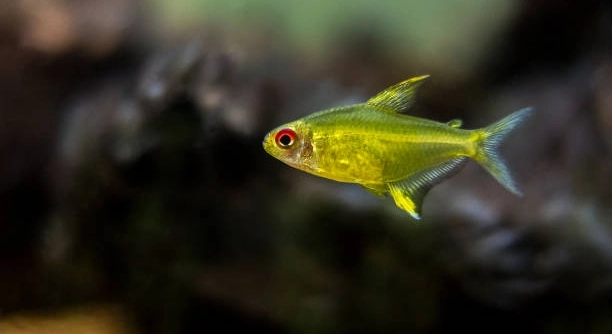
Are your Lemon Tetras suddenly nipping at each other or at other fish in the tank? Aggressive behavior can appear unexpectedly, leaving many fish owners concerned about their aquatic pets’ well-being and social dynamics in the aquarium.
Lemon Tetra nipping is commonly caused by stress, overcrowding, lack of hiding spaces, poor diet, sudden changes in water conditions, or natural territorial behavior. Identifying the exact cause allows for targeted solutions to maintain a peaceful tank environment.
Understanding why these small fish behave aggressively can improve their overall care and health. Each factor affecting nipping will help create a calmer and happier aquarium.
Overcrowding in the Tank
When a tank becomes overcrowded, Lemon Tetras can start nipping more frequently. Each fish needs adequate space to swim and establish its own area. Crowding increases stress, which often leads to aggressive behavior. Fish may chase one another, nip fins, or dominate specific spots in the tank. Overcrowding can also affect water quality, as more fish produce higher amounts of waste. Poor water conditions combined with limited space amplify irritability and conflict. Observing your tank’s population is key to preventing these issues. Ensuring each tetra has enough room reduces stress and promotes natural behavior.
Reducing the number of fish or moving some to another tank can immediately calm aggressive interactions and restore a healthier environment for all tank inhabitants.
Carefully assessing tank size and fish population can prevent future nipping incidents. Providing hiding spaces and open swimming areas allows tetras to feel secure and reduces overall tension in the aquarium. Consistent monitoring of their behavior helps maintain balance and ensures that any signs of aggression are addressed promptly. By creating a spacious, structured environment, Lemon Tetras can thrive without resorting to fin-nipping or territorial disputes, resulting in a calmer, more harmonious tank for both the fish and the owner.
Poor Diet and Nutritional Deficiencies
A lack of proper nutrition can trigger nipping behavior in Lemon Tetras. When their diet does not meet their needs, fish may become irritable or aggressive, seeking stimulation in harmful ways.
Feeding a varied diet that includes flakes, pellets, and occasional live food ensures tetras remain healthy and reduces stress-related aggression.
Consistently providing balanced meals is crucial to preventing fin-nipping. Nutritional deficiencies can affect growth, immune response, and overall behavior. Lemon Tetras need sufficient proteins, vitamins, and minerals to maintain calm interactions with tank mates. Overfeeding can also lead to water pollution, which stresses fish and may increase aggressive tendencies. Observing how your tetras respond to different food types helps identify dietary gaps and adjust portions accordingly. In addition to quantity, timing and frequency of feeding influence behavior. Regular feeding routines create predictability, reducing anxiety and the urge to nip. Prioritizing diet not only promotes healthy growth but also encourages peaceful coexistence, ensuring that your tetras interact naturally without harming each other.
Sudden Changes in Water Conditions
Rapid changes in water temperature or chemistry can stress Lemon Tetras, triggering nipping behavior. Stability in pH, hardness, and temperature is essential to maintain calm fish and reduce conflicts.
Even minor fluctuations can make tetras anxious and more likely to nip fins. Introducing new water too quickly during changes or failing to properly condition tap water can shock them. Stress from these changes often shows as erratic swimming, hiding, or increased aggression. Monitoring water parameters daily and performing gradual adjustments helps fish adapt. Providing stable conditions allows tetras to feel secure and maintain peaceful interactions, minimizing nipping incidents in the tank.
Keeping a consistent routine for water changes and filtration ensures that stress remains low. Observing how fish respond after adjustments helps identify if further corrections are needed. Stability supports healthy behavior and prevents unnecessary conflicts. Gradual changes paired with proper conditioning protect delicate tetras from aggression caused by sudden environmental shifts.
Lack of Hiding Spots
Lemon Tetras need plants, rocks, or decorations to feel secure. Without hiding spots, they may become territorial and nip others frequently.
When the tank lacks adequate cover, fish have nowhere to retreat when feeling threatened. Open spaces without shelter increase stress and tension. Nipping often occurs as a result of this insecurity. Providing dense plants, caves, or ornaments allows tetras to hide, rest, and establish territories safely. Observing their behavior after adding hiding spots usually shows reduced aggression and calmer swimming patterns.
Hiding spots are not only for protection but also for natural exploration. They allow tetras to feel in control of their environment, reducing the need to chase or nip others. Arranging decorations to create separate areas gives each fish a sense of ownership, minimizing disputes. Varied structures encourage healthy social interaction and provide stimulation, preventing boredom-related aggression. Well-placed shelters ensure a harmonious tank and support the overall well-being of Lemon Tetras, helping them thrive peacefully in a shared space.
Territorial Behavior
Lemon Tetras may nip when defending a specific area in the tank. This behavior is more common in smaller tanks or when space is limited.
Territorial disputes often occur around feeding spots, decorations, or preferred swimming areas. Providing more space and visual barriers can reduce aggression.
Stress from Tank Mates
Introducing aggressive or larger fish can stress Lemon Tetras, prompting nipping. Even other small species may trigger tension if their behavior is too boisterous. Consistently monitoring interactions helps identify problematic tank mates early, preventing ongoing conflict and stress-related aggression.
Breeding Behavior
During breeding, male Lemon Tetras may nip at females or rival males to assert dominance and protect potential spawning sites. This behavior is temporary but can be intense.
Inadequate Tank Size
A tank that is too small for the number of fish increases stress, leading to nipping. Expanding space or reducing population helps maintain calmer interactions.
Why are my Lemon Tetras suddenly nipping each other?
Lemon Tetras often nip due to stress, overcrowding, or lack of proper nutrition. Sudden changes in water conditions or the introduction of new tank mates can also trigger aggressive behavior. Observing their environment carefully can help pinpoint the cause and prevent further incidents.
How can I reduce nipping in my tank?
Providing enough space, hiding spots, and a stable environment is key. Regular feeding with a balanced diet, gradual water changes, and monitoring interactions among fish help reduce aggression. Reducing the number of fish or rearranging decorations can also create less stressful conditions.
Do tank size and population affect nipping?
Yes, smaller tanks or overcrowded conditions increase stress and aggression. Lemon Tetras need room to swim freely and establish territories. Overcrowding amplifies competition for space, food, and hiding spots, often leading to fin-nipping. Maintaining appropriate stocking levels helps maintain harmony.
Can diet impact their behavior?
Nutritional deficiencies or inconsistent feeding schedules can cause irritability. Offering a varied diet of flakes, pellets, and occasional live foods ensures fish remain healthy and reduces stress-induced aggression. Proper feeding routines promote calm behavior and overall well-being.
Will adding hiding spots help reduce aggression?
Yes, plants, rocks, and decorations give Lemon Tetras areas to retreat and feel secure. Hiding spots reduce territorial disputes, limit chasing, and allow fish to rest. Well-placed shelters encourage natural behaviors without aggression, making the tank more peaceful.
Are sudden water changes harmful?
Sudden changes in temperature, pH, or hardness can shock fish and increase nipping. Gradual adjustments and proper water conditioning are essential. Monitoring water parameters and maintaining stability reduces stress, encouraging more relaxed behavior among tank mates.
Do tank mates influence nipping behavior?
Aggressive, fast, or overly boisterous fish can stress Lemon Tetras, triggering nipping. Choosing compatible species and observing interactions is important. Problematic tank mates should be separated or moved to reduce stress and prevent ongoing fin damage.
Does breeding affect aggression?
Yes, males may nip females or rival males during breeding to assert dominance and protect spawning sites. While temporary, this behavior can be intense. Providing extra space and hiding areas can help manage aggression during breeding periods.
How often should I monitor their behavior?
Daily observation is recommended to spot early signs of stress, aggression, or illness. Monitoring helps identify triggers, assess tank conditions, and ensure timely interventions to prevent ongoing nipping.
Can rearranging the tank help?
Reorganizing decorations or adding new plants can break established territories and reduce disputes. Creating multiple zones allows fish to establish their own space, minimizing competition and promoting calmer interactions.
Is water quality a factor in aggression?
Yes, poor water quality increases stress, which often leads to nipping. Regular filtration, water testing, and cleaning are essential to maintain healthy conditions, prevent aggression, and support the overall well-being of Lemon Tetras.
How long does nipping behavior last?
Nipping can be temporary or persistent depending on the cause. Stress-related aggression may subside once conditions improve, but overcrowding or incompatible tank mates may cause long-term issues. Continuous observation and adjustments are necessary to ensure lasting harmony.
Can fin nipping cause serious harm?
Repeated fin nipping can damage fins, cause infections, and reduce overall health. Promptly addressing the causes of aggression, such as overcrowding, poor diet, or stress, is essential to prevent lasting harm and maintain a healthy tank.
Is it normal for small amounts of nipping to occur?
A small degree of nipping is natural in social fish like Lemon Tetras. It often helps establish hierarchy and territory. However, persistent or severe nipping indicates stress or environmental problems that need attention.
What is the best overall strategy to prevent nipping?
Maintaining a stable environment with adequate space, hiding spots, proper diet, compatible tank mates, and regular monitoring is essential. Consistency in care and proactive observation reduces stress, minimizes aggression, and ensures Lemon Tetras live peacefully together.
This FAQ addresses the most common concerns about Lemon Tetra nipping behavior, providing clear solutions to maintain a calm, healthy aquarium environment.
Lemon Tetras are small, lively fish that can bring beauty and movement to a home aquarium. Their tendency to nip, however, can be frustrating for anyone caring for them. Nipping is often a response to stress, overcrowding, poor diet, sudden changes in water conditions, or a lack of hiding spaces. Understanding the reasons behind this behavior is the first step toward creating a peaceful tank. By observing the fish and the tank environment closely, owners can identify triggers and take practical measures to reduce aggression. Making small, consistent adjustments in tank setup, feeding, and water maintenance can have a significant impact on their behavior, helping the fish coexist more calmly.
Maintaining a balanced environment is essential for reducing nipping and ensuring the overall well-being of Lemon Tetras. Tank size, population, and structure play important roles in their social behavior. Providing ample swimming space and multiple hiding spots allows each fish to feel secure, lowering tension and territorial disputes. A proper diet with a variety of flakes, pellets, and occasional live food keeps the fish healthy and reduces stress-related aggression. Stability in water conditions, including temperature, pH, and hardness, also helps them feel comfortable and minimizes erratic behavior. Paying attention to these factors creates a supportive environment where Lemon Tetras can display their natural, peaceful behavior without harming each other.
Regular observation and proactive care are key to maintaining harmony in the tank. Even small changes, such as rearranging decorations or adding plants, can significantly reduce fin-nipping and promote healthier interactions among fish. Monitoring tank mates and addressing aggressive behaviors early ensures that tensions do not escalate. While minor nipping can be normal in establishing social hierarchies, persistent aggression should always be addressed to prevent stress or injury. By providing a spacious, stable, and well-structured environment, Lemon Tetras are more likely to thrive, swim calmly, and display their full, vibrant colors. Consistency, attention, and understanding of their behavior help create a peaceful aquarium that benefits both the fish and the caretaker.

Hello,
If you enjoy the content that we create, please consider saying a "Thank You!" by leaving a tip.
Every little bit helps us continue crafting quality advice that supports the health, happiness, and well-being of pets around the world, for pets of all shapes, sizes, and species.
We really appreciate the kindness and support that you show us!