
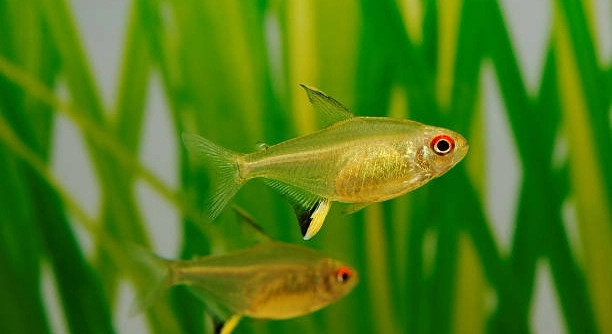
Lemon tetras are small, bright fish that bring life to any aquarium. Watching them swim is calming, yet sometimes they seem to linger in corners, moving slowly and barely interacting with other fish in the tank.
Lemon tetras hover in the corner primarily due to stress, illness, or water quality issues. Poor tank conditions, improper temperature, or lack of hiding spots can make them feel unsafe, prompting them to stay in secluded areas instead of swimming freely.
Observing these behaviors closely can help you maintain a healthier environment. Small adjustments can improve their comfort and overall well-being in your aquarium.
Common Reasons Lemon Tetras Hover in Corners
Lemon tetras often hover in corners because of changes in their environment. Water quality is one of the most important factors. High ammonia, nitrite, or nitrate levels can stress them, making them stay in one place. Temperature changes can also affect their behavior. If the water is too cold or too warm, tetras may slow down and seek shelter. Another reason is overcrowding. Too many fish in the tank can make them feel unsafe, pushing them to the edges. Even decorations and lighting play a role. Bright lights or sudden movements outside the tank can make tetras nervous. Providing plants, caves, or gentle lighting can help them feel secure. Diet also matters; a lack of proper nutrients can make them lethargic. Observing these factors carefully allows you to notice changes early and make adjustments before stress becomes serious.
Stress and poor water conditions are the main triggers for this behavior, though lack of hiding spots also contributes.
Lemon tetras are naturally shy fish. In a tank without enough plants or small hiding areas, they may cling to corners for security. Sudden changes in water chemistry, such as pH swings, can worsen their anxiety. Overfeeding or irregular feeding schedules can impact their energy levels, making them less likely to swim freely. Even subtle disturbances outside the tank, like people moving quickly or loud noises, can influence their behavior. By gradually improving water conditions, adding cover, and maintaining a calm environment, you can encourage your tetras to swim more actively. Paying attention to their behavior over time gives you insight into their comfort and health. Small improvements often lead to noticeable changes, making your tank more balanced and peaceful for all the fish.
How to Improve Their Comfort
Small changes in the tank can have a big impact on lemon tetras.
Maintaining water quality is the first step. Regular water changes and testing for ammonia, nitrite, and nitrate levels keep the environment safe. Using a gentle filter and avoiding sudden temperature swings also helps. Adding plants and hiding spots allows tetras to explore while feeling secure. Feeding them small portions multiple times a day ensures they get proper nutrition. Observing their behavior daily lets you notice any changes early. Avoiding overcrowding and keeping tankmates calm also reduces stress. Even adjusting lighting to a softer setting can make them feel more comfortable. Each of these steps contributes to their overall well-being.
When lemon tetras feel safe and secure, they swim freely and interact with other fish. Gradual adjustments prevent sudden stress, allowing them to adapt naturally. Monitoring water parameters consistently helps avoid problems before they escalate. Offering varied foods, including high-quality flakes or frozen options, improves their energy and coloration. Providing hiding spaces reduces anxiety and encourages normal behavior. Over time, you can see a clear difference in activity levels and confidence. Ensuring tankmates are compatible and peaceful prevents bullying or chasing, which can push tetras into corners. By keeping the environment stable, feeding them properly, and offering plenty of shelter, your lemon tetras can thrive and display the vibrant behavior that makes them enjoyable to watch.
Water Quality and Tank Conditions
Regular water changes are essential to keep ammonia and nitrate levels low. Poor water conditions make lemon tetras stressed, causing them to hide in corners or remain inactive for long periods.
Testing water weekly helps track changes in pH, ammonia, nitrite, and nitrate. If levels are off, even slightly, tetras can become lethargic or exhibit unusual swimming patterns. Temperature consistency is also crucial. Lemon tetras prefer 75–80°F; fluctuations can shock them and push them to corners. A gentle filter reduces strong currents that may tire them out. Keeping the tank clean and maintaining stable water chemistry helps prevent stress-related behaviors.
Adding live plants and decorations improves comfort and reduces stress. Tetras feel safer with hiding spots, which also break the line of sight and lessen aggression from other fish. Avoid overcrowding and incompatible species, as this increases tension and forces tetras into corners. A properly balanced environment encourages natural activity and healthier interactions among tank mates, reducing the tendency to hover in one place.
Diet and Feeding Habits
Feeding small portions several times a day keeps tetras healthy and energetic. Overfeeding or inconsistent schedules can cause them to hide and become sluggish.
A varied diet supports energy and vibrant coloration. Lemon tetras thrive on a mix of high-quality flakes, frozen, and live foods. Flakes provide daily nutrients, while frozen foods like brine shrimp or daphnia supplement protein and stimulate natural hunting instincts. Live foods encourage activity and reduce boredom. Avoid excess food, as uneaten portions decompose, affecting water quality and stressing the fish. Monitoring how much they eat and adjusting portions accordingly maintains both health and water cleanliness.
Consistency in feeding and food variety directly influences their behavior. Active, well-nourished tetras are more likely to explore the tank and interact with other fish. Skipping meals or offering only one type of food can result in lethargy, poor growth, and a tendency to hover in corners. Gradually introducing new foods ensures they adapt without digestive issues. Combining proper feeding with stable tank conditions creates an environment where lemon tetras feel safe, confident, and naturally curious, reducing stress-related behaviors.
Stress and Environmental Factors
Sudden movements near the tank or loud noises can startle lemon tetras, causing them to retreat to corners. Bright lights or reflections can also make them feel unsafe, increasing stress levels and affecting normal swimming behavior.
Overcrowded tanks add tension. Too many fish competing for space or food can push tetras into isolated spots.
Tank Mates and Compatibility
Aggressive or larger fish in the same tank can intimidate lemon tetras. They may hide in corners to avoid confrontations. Choosing calm, compatible species reduces fear and allows tetras to swim more freely, improving their overall activity and social behavior.
Lighting and Decorations
Soft lighting and adequate plants or ornaments provide safe zones. Tetras feel more secure when they have areas to hide, reducing stress and encouraging natural swimming patterns.
Health Concerns
Illness or parasites often cause unusual behavior like corner hovering. Monitoring for physical changes and abnormal swimming is crucial to catch health problems early and treat them promptly.
FAQ
Why is my lemon tetra always in the corner?
Most often, corner-hiding is a response to stress or discomfort. Water quality, temperature, overcrowding, or aggressive tank mates can make them feel unsafe. Ensuring stable water parameters, gentle filtration, and hiding spots reduces anxiety and encourages normal swimming.
Can poor water quality make lemon tetras hover in corners?
Yes. High levels of ammonia, nitrite, or nitrate create a stressful environment. Even slight pH fluctuations or temperature swings can affect their comfort. Regular testing and partial water changes maintain safe conditions and prevent stress-induced corner-hiding.
Do lemon tetras need hiding spots?
Absolutely. Plants, rocks, and decorations give them areas to feel secure. Without hiding spaces, they may stay in corners or along the tank edges to avoid perceived threats. These safe zones improve confidence and reduce anxiety-related behavior.
Can tank mates affect lemon tetra behavior?
Yes, aggressive or larger fish can intimidate them. Even active but territorial species may force tetras into corners. Choosing calm, compatible fish helps lemon tetras swim freely, interact naturally, and reduce hiding tendencies.
Does lighting influence their activity?
Bright lights or reflections can stress them, especially without shaded areas. Soft lighting and gradual transitions reduce tension, encouraging natural swimming patterns and allowing them to explore the tank safely.
Can illness cause them to hover in corners?
Illness, parasites, or infections often result in lethargy and corner-hiding. Watch for physical changes like clamped fins, faded coloration, or unusual swimming. Early detection and treatment improve recovery and overall health.
Does diet impact their behavior?
Yes. Poor nutrition or irregular feeding can make lemon tetras less active. A varied diet of flakes, frozen, and live foods supports energy levels and natural activity, reducing corner-hiding caused by lethargy.
How do I reduce stress in my tank?
Maintain stable water conditions, provide hiding spots, avoid overcrowding, and choose compatible tank mates. Consistent feeding and gentle handling also minimize stress, making tetras more confident and active.
Can temperature affect lemon tetra behavior?
Temperature swings can shock them and cause stress. Lemon tetras prefer 75–80°F. Consistent temperature with a reliable heater ensures comfort and prevents stress behaviors like hovering in corners.
How can I tell if my tetra is stressed or sick?
Corner-hiding is one sign, but look for clamped fins, lack of appetite, rapid gill movement, or dull coloration. These signs indicate either stress or illness and should prompt action to improve conditions or seek treatment.
Is it normal for them to rest in corners sometimes?
Yes, brief periods of corner resting can happen. However, constant hovering usually signals an issue with water quality, tank conditions, diet, or health that needs attention.
What small changes can improve their confidence?
Adding plants, adjusting lighting, ensuring consistent water parameters, feeding balanced meals, and avoiding sudden movements around the tank gradually makes lemon tetras feel safe, helping them swim more freely and interact naturally with tank mates.
Can overcrowding make them hide?
Yes. Too many fish competing for space or resources can increase stress and force tetras to the corners. Maintaining an appropriate number of fish ensures they have enough room to swim comfortably.
Do lemon tetras like current in the tank?
They prefer gentle currents. Strong water flow can exhaust them or cause anxiety, leading to corner-hiding. Adjusting the filter or placing decorations to reduce flow helps create a more comfortable environment.
How long does it take for them to adapt to a new tank?
Adaptation can take a few days to a couple of weeks. Providing hiding spots, stable water, and calm surroundings supports faster acclimation and reduces prolonged corner-hiding behaviors.
Can seasonal changes affect their behavior?
Yes. Sudden temperature or light changes related to seasons can cause stress. Monitoring water conditions closely during seasonal shifts helps maintain comfort and normal activity levels.
Is corner-hiding harmful if it happens occasionally?
Occasional resting in corners is normal. Persistent hiding, however, indicates underlying stress, poor water quality, or health issues. Addressing these factors is key to maintaining long-term health and active behavior.
Do lemon tetras interact less when stressed?
Yes, stress often reduces social interactions. Corner-hiding, reduced feeding response, or avoiding other fish are signs they feel unsafe. Improving tank conditions encourages natural schooling and social behaviors.
How can I encourage them to swim more?
Ensure proper water quality, stable temperature, hiding spots, and compatible tank mates. Feeding a varied diet and reducing disturbances outside the tank promotes confidence and active swimming.
Are there signs that indicate they feel safe?
Yes. Confident tetras swim in open areas, interact with tank mates, feed readily, and explore decorations. Balanced behavior and bright coloration indicate a healthy, comfortable fish.
This FAQ covers common questions and practical steps to address corner-hiding, helping lemon tetras feel secure, active, and healthy in your tank.
Final Thoughts
Lemon tetras are small, delicate fish that respond strongly to their environment. Their behavior, especially hovering in corners, often reflects how comfortable or stressed they feel in the tank. Many of the issues that cause this behavior are easy to address with careful observation and consistent care. Maintaining proper water quality is one of the most important factors. Regular testing for ammonia, nitrite, and nitrate levels, along with consistent partial water changes, helps keep the water safe and stable. Even small fluctuations in pH or temperature can affect their behavior. A gentle filter and stable heater help provide a calm, steady environment that reduces stress and allows tetras to swim freely.
Tank setup also plays a major role in their comfort. Providing plants, decorations, and hiding spots allows them to feel secure. Open swimming areas combined with shaded or covered spaces give lemon tetras options for exploring without feeling threatened. Overcrowding should be avoided, as too many fish can increase competition for food and space, pushing them into corners. Tank mates need to be peaceful and compatible to prevent intimidation or aggression. Even lighting can influence behavior, as bright lights or harsh reflections can make tetras feel nervous. Adjusting light intensity gradually and providing shaded areas helps them adjust naturally. Paying attention to these details ensures that your fish are confident and active.
Diet and feeding routines also affect their overall activity. A varied diet that includes high-quality flakes, frozen foods, and occasional live foods provides necessary nutrients and encourages natural movement. Overfeeding or irregular feeding schedules can lead to lethargy and stress, making them more likely to hide in corners. Observing your tetras closely helps you notice changes in swimming patterns, appetite, and interactions with other fish. These behaviors are early indicators of health or environmental issues. Addressing problems promptly improves their well-being and prevents more serious conditions. By maintaining clean water, providing a balanced diet, and creating a safe, structured tank environment, lemon tetras can thrive. With careful attention and small, consistent improvements, they become more active, social, and confident, allowing you to enjoy their natural beauty and lively behavior.

Hello,
If you enjoy the content that we create, please consider saying a "Thank You!" by leaving a tip.
Every little bit helps us continue crafting quality advice that supports the health, happiness, and well-being of pets around the world, for pets of all shapes, sizes, and species.
We really appreciate the kindness and support that you show us!