
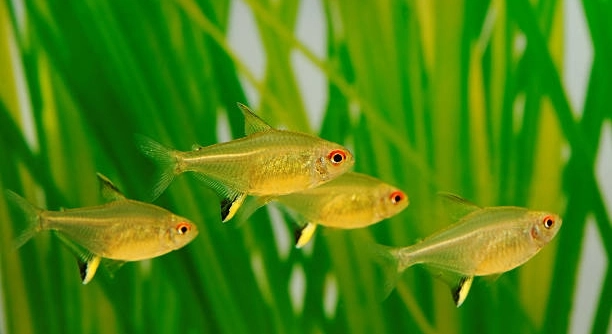
Many aquarium enthusiasts enjoy keeping lemon tetras for their vibrant color and peaceful nature. Observing these small fish can be rewarding, but distinguishing males from females is not always easy for beginners.
Male and female lemon tetras can be differentiated by body shape, coloration, fin size, and behavior. Males tend to be more slender, brighter in color, and have longer fins, while females are rounder, paler, and display less pronounced fin features.
Knowing these differences can help you maintain a healthy, balanced tank and ensure breeding pairs are correctly identified.
Body Shape Differences
Male and female lemon tetras have noticeable differences in body shape. Males usually appear more slender and elongated, making them look slightly smaller than females. Females tend to be rounder, especially when carrying eggs, giving them a fuller midsection. Observing your tetras in a well-lit tank can help you spot these differences more clearly. Males often swim with a straighter posture, while females may show a gentle curve when turning. These shape differences are subtle but become easier to recognize over time, particularly when comparing multiple fish together. In groups, males’ slim bodies stand out against the females’ plumper appearance, helping you separate them quickly. Monitoring their shapes also helps identify healthy fish, as sudden changes may indicate stress or illness. Overfeeding can make females appear even rounder, so keeping their diet balanced is important. Understanding these shape variations ensures you can manage your aquarium effectively and prepare for potential breeding if desired.
Recognizing body shape differences between males and females allows proper tank management and helps prevent stress and overcrowding within your lemon tetra population.
Knowing how body shape impacts swimming and social behavior can make observing their interactions more interesting.
Coloration and Fin Differences
Male lemon tetras usually display brighter, more vivid yellow tones compared to females, whose coloration tends to be softer or paler. This difference becomes more apparent under good lighting and as the fish mature. Bright coloration in males is often a signal of health and fitness, particularly during breeding periods. Fin size and shape also differ, with males having slightly longer and more pointed fins, while females have shorter, rounder fins. Paying attention to these traits helps you separate genders without causing stress by physical handling.
Males’ brighter color and longer fins are not only visually striking but also influence behavior and social interactions. Their vivid yellow hue attracts attention and signals dominance in groups, while females’ subtler tones allow them to blend in more easily. Longer fins in males can affect swimming patterns, making them appear more graceful but occasionally slower when navigating tight spaces. Observing these differences closely in a tank with multiple fish enhances understanding of hierarchy, mating behaviors, and health. Knowing which fish is male or female is also crucial if breeding is a goal, as pairing the right individuals improves success. Subtle changes in color or fin condition may indicate stress or illness, so careful monitoring supports overall tank care. Over time, recognizing these visual cues becomes intuitive, allowing confident identification and ensuring your lemon tetras thrive in a healthy environment.
Behavior Differences
Male lemon tetras are generally more active and display frequent chasing behavior, especially when females are nearby. Females tend to stay calmer and move in smaller groups. Observing these patterns can help you distinguish the sexes without handling them directly.
Males often patrol their territory and interact with other males through displays and short chases. These behaviors are part of establishing dominance and attracting females. Females usually avoid confrontation, preferring to stay in safer areas of the tank or among plants. Noticing these interactions over time makes it easier to predict which fish are male and which are female. Active males are often more colorful, while calmer females maintain their subtler tones. Changes in behavior can also signal stress, illness, or environmental issues, so observing interactions helps maintain a healthy tank. Behavior differences are reliable indicators, especially when combined with body shape and coloration traits.
Monitoring behavior also improves breeding outcomes, as recognizing dominant males and receptive females allows for better pair selection. Understanding these differences supports tank harmony and prevents aggression-related injuries.
Size Differences
Males are generally slightly smaller and slimmer than females, who have fuller bodies, particularly when carrying eggs. These size differences become more apparent as the fish reach maturity and are easier to notice in groups.
Females’ rounder shape is often linked to reproductive readiness. In a healthy tank, they may appear noticeably plumper compared to males. Males remain slender and maintain their vibrant color even as they age. Differences in size can affect swimming speed and position within the group, with males often leading or chasing while females move more slowly or remain in safer spots. Observing the group as a whole provides clear visual cues for identifying each gender.
Tank size and population also influence how obvious these size differences appear. Crowded tanks may make distinctions harder to see, while a well-maintained tank allows each fish to show its natural body proportions. Nutrition plays a role as well—females with a balanced diet will develop their characteristic roundness, while males remain lean and agile. Recognizing size variations helps in feeding management, breeding preparation, and monitoring overall health.
Breeding Behavior
Males display courtship behavior by chasing females and flaring their fins to attract attention. Females respond by swimming more slowly and positioning themselves near plants or safe areas for potential egg-laying.
Successful breeding depends on recognizing these interactions. Males’ persistence and females’ responses indicate readiness. Observing these behaviors helps ensure proper pair selection.
Egg-Laying and Fertility
Females scatter eggs among plants or spawning mops. The number of eggs varies with age, health, and nutrition. Males fertilize the eggs immediately after they are laid. Maintaining clean water and providing fine-leaved plants improves survival rates. Monitoring both sexes during this stage ensures optimal conditions for hatching.
Lifespan Differences
Males and females have similar lifespans, typically around three to five years. Environmental care, diet, and stress levels largely influence how long they live.
FAQ
How can I quickly tell a male lemon tetra from a female?
Males are usually slimmer with brighter yellow coloring and longer fins, while females are rounder and paler. Observing a group together makes the differences easier to notice, as males often swim actively and chase others, whereas females are calmer.
Do males fight with each other often?
Yes, males may show short chases or fin displays to assert dominance. These interactions are normal and rarely harmful if the tank is spacious. Adding plants and hiding spots helps reduce tension and provides safer spaces for females.
When do lemon tetras reach sexual maturity?
Most lemon tetras reach sexual maturity around six to eight months. Males develop brighter colors and longer fins, while females grow rounder bodies. Watching behavior and body shape during this time makes gender identification more accurate.
Can females lay eggs without a male present?
Females can produce eggs, but they will not be fertilized without a male. Eggs laid without fertilization will not hatch. Ensuring a male is present is necessary for breeding success.
Does diet affect gender differences?
Yes, nutrition impacts size, color, and fertility. Well-fed males maintain bright colors, while females develop a fuller body for egg production. A balanced diet ensures both sexes remain healthy and display their natural traits.
How do I reduce aggression between males?
Providing a tank with sufficient space, plants, and hiding spots helps prevent aggressive encounters. Observing behavior and separating overly dominant males can maintain harmony. Grouping more than one male with several females balances social dynamics.
Do females get stressed easily?
Females are generally calmer but can become stressed if overcrowded or constantly chased by males. Stress can affect color, appetite, and egg-laying. Maintaining proper tank conditions and monitoring interactions reduces stress levels.
How long do eggs take to hatch?
Fertilized eggs usually hatch in 24 to 36 hours, depending on water temperature. Keeping water clean and stable improves survival. After hatching, fry are very small and require fine food or infusoria until they grow large enough for regular flakes or micro pellets.
Can males and females live together peacefully?
Yes, lemon tetras are generally peaceful. Proper tank size, vegetation, and balanced sex ratios prevent excessive chasing and aggression. Observing interactions ensures both sexes coexist comfortably.
What signs indicate a healthy male or female?
Healthy males display vibrant yellow colors, long fins, and active swimming patterns. Healthy females appear rounder, swim calmly, and show subtle coloration. Changes in behavior, shape, or color may indicate illness or stress.
Is it necessary to separate males and females outside breeding?
No, lemon tetras can live together year-round. Separation is only needed for controlled breeding or if one fish is injured. Monitoring group dynamics is enough to prevent problems in a mixed tank.
Do females show visible changes when carrying eggs?
Yes, females become noticeably rounder in the belly area when ready to lay eggs. Observing this fullness along with calm swimming behavior helps identify reproductive readiness.
How often should I feed breeding pairs?
Feeding small amounts two to three times a day with a mix of high-quality flakes, frozen, or live foods supports health and fertility. Overfeeding can lead to water issues, so maintaining balance is important.
Can water conditions affect gender traits?
Yes, poor water quality can dull male coloration, stress females, and reduce egg production. Regular water changes, proper filtration, and stable temperature maintain visible differences and overall health.
Are there any visual cues besides color and shape to tell males and females apart?
Behavior is also a strong indicator. Males are more active, chase frequently, and display fins, while females move slowly, hide more, and avoid confrontation. Combining visual and behavioral cues gives the most accurate identification.
Do lemon tetras require a specific tank size for males and females?
A tank of at least 20 gallons is ideal for a small group. Proper space allows males to establish territory without stressing females. Plants and decor provide additional hiding spots and reduce conflicts.
Can males change color based on mood or health?
Yes, males may appear paler when stressed, sick, or during poor water conditions. Bright, consistent yellow indicates good health and a calm environment. Observing these changes can alert you to problems early.
Is it hard to breed lemon tetras at home?
Breeding lemon tetras is manageable with the right conditions. Clean water, fine-leaved plants, and proper feeding encourage spawning. Separating fry from adults after hatching increases survival rates. Patience and observation are key to successful breeding.
How long do lemon tetras live if cared for properly?
Both males and females typically live three to five years. Maintaining clean water, a balanced diet, and a stress-free environment supports longevity. Monitoring health and behavior ensures they live full, active lives.
Can stress affect coloration in females as well?
Yes, females may lose subtle color or appear less vibrant when stressed. Providing calm tank conditions, adequate space, and hiding areas helps maintain natural appearance and overall well-being.
Final Thoughts
Understanding the differences between male and female lemon tetras is essential for anyone keeping these fish in a home aquarium. Males are generally slimmer, more colorful, and display longer fins, while females are rounder, paler, and have shorter fins. Observing these traits can make it easier to identify the sexes, especially when the fish are in groups. Paying attention to body shape, coloration, and fin size not only helps in distinguishing males from females but also contributes to maintaining a balanced and healthy tank. Over time, noticing these details becomes natural, and it helps prevent accidental stress or aggression caused by overcrowding or incorrect pairings. Knowing which fish is male and which is female is particularly useful for those who want to breed lemon tetras, as it ensures that proper pairs are selected and that the environment supports successful spawning.
Behavior is another key factor that separates males from females. Males are typically more active and often display chasing behavior or fin flaring, especially around females. Females tend to be calmer, moving more slowly and preferring areas of the tank with plants or hiding spots. These behavioral patterns provide additional clues for identifying sex without needing to handle the fish. Observing interactions within the group can also give insight into social dynamics, including dominance hierarchies and potential breeding readiness. Understanding behavior helps maintain harmony in the tank and reduces stress for all fish. When combined with visual cues like size and coloration, behavior makes sex identification more accurate. Additionally, monitoring behavior can help detect early signs of illness or environmental stress, giving the opportunity to make adjustments before problems worsen.
Taking care of both males and females involves paying attention to their diet, environment, and social structure. Providing a balanced diet supports health, enhances coloration in males, and ensures females develop a healthy body for potential egg-laying. Maintaining clean water, appropriate tank size, and sufficient hiding spaces reduces stress and allows natural behaviors to occur. Recognizing differences between the sexes also prepares aquarists for breeding, helping to increase survival rates of eggs and fry. Over time, these observations improve overall tank management and allow the fish to thrive in a stable environment. By understanding the physical traits, behaviors, and care requirements of male and female lemon tetras, you can create a harmonious aquarium where both sexes live comfortably and display their natural beauty.

Hello,
If you enjoy the content that we create, please consider saying a "Thank You!" by leaving a tip.
Every little bit helps us continue crafting quality advice that supports the health, happiness, and well-being of pets around the world, for pets of all shapes, sizes, and species.
We really appreciate the kindness and support that you show us!