
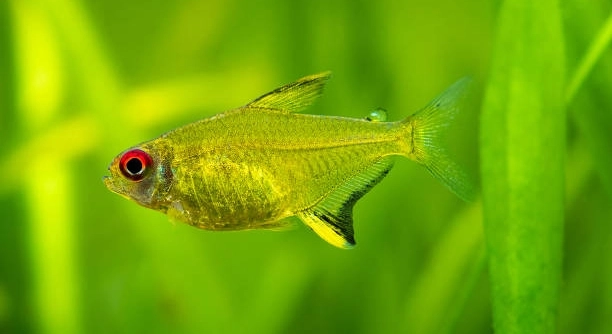
Lemon tetras are small, vibrant fish that bring life to any freshwater tank. Their lively movements and bright yellow color make them popular among aquarium enthusiasts of all experience levels. Watching them interact can be enjoyable.
Lemon tetras can exhibit mild territorial behavior, especially in smaller tanks or when stressed. Providing ample swimming space, hiding spots, and stable social groups reduces aggressive tendencies and helps maintain harmony within the aquarium environment.
Learning how these fish interact with their environment helps ensure a peaceful and healthy tank. Proper care and observation can prevent unnecessary stress and conflict among tankmates.
Understanding Lemon Tetra Behavior
Lemon tetras are generally peaceful fish, but their behavior can change based on tank conditions. They naturally swim in schools, which provides security and reduces stress. When kept in small groups or crowded tanks, they may become restless or chase smaller fish. Providing plenty of hiding spots with plants and decorations allows each tetra to claim a small area, reducing tension. Lighting, water temperature, and diet also influence behavior. Bright lights can make them more skittish, while consistent feeding keeps them calm. Observing subtle signs like fin flicking or short chases helps monitor stress levels. Over time, tetras establish loose territories around hiding spots or preferred swimming lanes, but these are not strongly defended like with larger, more aggressive fish. Maintaining a balanced environment ensures that territorial behaviors remain mild and do not disrupt the group’s overall harmony, allowing them to swim freely and interact naturally.
Territorial behavior in lemon tetras is often mild and manageable with proper tank setup and group size.
Keeping your tank well-planted with open swimming space helps reduce conflicts. Regular observation allows you to address any emerging issues before they escalate.
Tank Setup and Social Dynamics
Providing enough space is crucial for reducing territorial behavior. A tank of at least 20 gallons for a small school of lemon tetras is recommended. Plants, rocks, and driftwood create visual barriers, giving fish places to retreat and rest. Open swimming areas balance the hiding spots, ensuring that dominant fish do not control the entire tank. Water parameters should remain stable, with temperature around 72–78°F and pH near neutral. Feeding multiple small meals rather than one large one helps prevent competition.
Observing social interactions is important to keep aggression low.
Even with proper setup, some tetras may assert dominance occasionally. In such cases, rearranging decorations or adding more plants can break up established territories. Ensuring the group has at least six or more individuals spreads aggression across multiple fish, preventing repeated bullying of a single tetra. A mix of vertical and horizontal swimming spaces accommodates different swimming patterns and helps avoid overcrowding in preferred areas. Regular monitoring and subtle adjustments maintain a peaceful, balanced tank where lemon tetras can coexist without constant stress, creating a visually appealing and lively aquarium.
Feeding and Territory
Feeding routines influence how lemon tetras interact. Unequal access to food can cause minor skirmishes, especially in smaller tanks. Providing multiple feeding spots and spreading food evenly helps prevent one fish from dominating others. Regular, balanced meals maintain calm behavior.
Using high-quality flakes, pellets, and occasional live or frozen foods keeps lemon tetras healthy and reduces stress. Overfeeding can lead to water quality issues, which increases agitation and may worsen territorial behavior. Observing how the fish gather during feeding gives insight into potential dominance patterns. Rotating feeding locations encourages all tetras to explore the tank and minimizes the formation of rigid territories around favorite spots, supporting peaceful group dynamics.
Feeding behavior often signals underlying social structure. Fish that consistently chase others during meals may be asserting mild dominance. Adjusting food distribution and tank layout can reduce these behaviors. Monitoring responses to feeding helps maintain balance and promotes a calm, cooperative environment among all tetras.
Signs of Aggression
Aggression is subtle but noticeable in lemon tetras. Flicking fins, chasing, or short lunges indicate mild dominance or territorial assertion.
Aggressive interactions are usually brief but can escalate if the tank is overcrowded or lacks hiding spaces. Observing patterns helps identify which individuals are more assertive. Separating overly aggressive fish or adding plants and decorations can help diffuse tension. Stress signs, such as hiding or clamped fins, indicate the need for environmental adjustments to maintain harmony.
Maintaining peace requires careful observation. Lemon tetras establish small territories mostly around preferred swimming areas or hiding spots. Over time, these territories shift depending on tank layout, group size, and individual temperament. Adding vertical and horizontal spaces allows subordinate fish to retreat without confrontation. Even minor aggression can be managed through consistent care, proper feeding, and ensuring each tetra has enough space. Small interventions, like rearranging plants or increasing the school size, often resolve conflicts and prevent long-term stress, keeping the tank environment stable and the group dynamics balanced.
Tank Size Considerations
Lemon tetras do better in larger tanks where space is not limited. Crowded conditions increase stress and can trigger more noticeable territorial behavior. Providing at least 20 gallons for a small school allows them to swim freely and establish loose personal zones.
Grouping at least six tetras together reduces aggression. Larger schools distribute dominance more evenly and prevent repeated harassment of a single fish. Proper tank size ensures everyone has room to retreat, feed, and explore, supporting a calmer, more harmonious environment.
Hiding Spots and Decorations
Plants, rocks, and driftwood create essential hiding spots. These features allow fish to establish small territories without conflict. Subtle barriers reduce line-of-sight confrontations and give shy individuals space to rest.
Social Structure of Lemon Tetras
Lemon tetras naturally form social hierarchies within their school. Dominant individuals may assert mild control over swimming paths or feeding areas, while others find their own safe zones. These interactions are usually brief and rarely escalate into serious aggression. Maintaining group sizes of six or more spreads dominance evenly. Observing patterns and providing plenty of space and hiding places supports natural social behavior, allowing the school to coexist peacefully. Stability in tank conditions and feeding schedules further reduces stress and helps maintain calm, cooperative interactions among all members.
Water Quality Importance
Stable water conditions are crucial. Poor water quality can increase stress and lead to more aggressive behavior in lemon tetras.
FAQ
Can lemon tetras live peacefully with other fish?
Yes, lemon tetras are generally peaceful and do well with other small, non-aggressive fish. Avoid pairing them with large or aggressive species, as this can stress them and trigger defensive or territorial behavior. Keeping them in schools of at least six also encourages calm social interactions.
Do lemon tetras need plants in the tank?
Plants are highly recommended. They provide hiding spots and help define personal spaces, reducing conflict. Both live and artificial plants work, but live plants also improve water quality. Dense planting creates areas where timid fish can retreat, making territorial disputes less frequent and allowing everyone to coexist more comfortably.
How many lemon tetras should be kept together?
A minimum of six is ideal. Small groups can lead to stress and minor aggression, as dominant individuals may chase others more frequently. Larger schools distribute dominance and provide social security, making the tank environment more stable. This setup allows natural schooling behavior, which promotes healthy and balanced interactions.
What tank size is best for lemon tetras?
A 20-gallon tank is the minimum for a small group. More space is better, as it allows fish to swim freely and establish loose personal zones. Overcrowding can cause stress, increase chasing, and amplify territorial tendencies. Proper space helps maintain calm behavior and overall health.
Do lemon tetras defend territories aggressively?
Territorial behavior in lemon tetras is usually mild. They may chase or flick fins occasionally, especially near preferred hiding spots or during feeding, but serious aggression is rare. Providing enough space, hiding places, and a stable social group keeps this behavior under control.
Can diet affect aggression in lemon tetras?
Yes, feeding practices influence behavior. Uneven or infrequent feeding can cause competition and minor conflicts. Offering multiple feeding points and a balanced diet of flakes, pellets, and occasional live or frozen food reduces stress. Consistent feeding routines help maintain calm interactions among tankmates.
How can I tell if my lemon tetras are stressed?
Signs include clamped fins, hiding excessively, or unusual chasing. Stress can result from poor water quality, overcrowding, lack of hiding spots, or aggressive tankmates. Observing subtle behavior changes allows for early adjustments, such as rearranging decorations or improving water parameters.
Do tank decorations affect their social behavior?
Yes, decorations shape territory and reduce conflicts. Rocks, driftwood, and plants act as visual barriers, letting fish establish personal areas without confrontation. Rearranging decorations occasionally can prevent long-term dominance over specific zones and encourages a more balanced distribution of space among the school.
Is water quality important for controlling aggression?
Absolutely. Stable water parameters reduce stress, which in turn minimizes aggressive tendencies. Regular testing for ammonia, nitrite, nitrate, and pH, along with routine water changes, ensures a healthy environment. Clean, stable water keeps lemon tetras calm and helps maintain peaceful social dynamics.
Should I separate aggressive individuals?
Separation is rarely needed but can help in extreme cases. More often, adding plants, adjusting feeding spots, or slightly increasing school size resolves tension. Observing patterns over time is more effective than immediate isolation, as minor disputes are natural and usually self-limiting.
How do I prevent future territorial issues?
Maintaining proper tank size, group numbers, hiding spots, and water quality is key. Regular observation allows early intervention if behavior escalates. A well-planned setup balances personal space with social interaction, keeping the school cohesive and minimizing repeated aggression.
Can stress from territorial behavior affect health?
Yes, persistent stress can weaken the immune system, making fish more susceptible to illness. Ensuring adequate space, social groups, hiding places, and stable water parameters helps prevent stress-related health problems, supporting long-term well-being in lemon tetras.
How often should I monitor their behavior?
Daily observation is ideal. Watching for chasing, hiding, or unusual activity lets you spot potential issues early. Minor disputes can often be managed by small adjustments, preventing them from developing into prolonged aggression or stress.
Do lemon tetras change behavior as they age?
Mature tetras may show more defined social roles but rarely become highly aggressive. Older fish usually establish stable hierarchies within the school. Providing consistent care throughout their lifespan helps maintain peaceful interactions and prevents territorial disputes from escalating over time.
Can lighting influence territorial behavior?
Yes, bright lighting can make fish skittish, increasing minor conflicts. Dim or moderate lighting reduces stress and creates a more comfortable environment. Using floating plants or shaded areas can soften the effect of direct light, allowing tetras to swim calmly and maintain social harmony.
Are all tetras equally likely to be dominant?
Individual temperament varies. Some fish may assert themselves more often, while others stay submissive. Observing interactions allows you to identify dominant individuals and make adjustments, like adding hiding spots or slightly rearranging the tank, to maintain balance and prevent prolonged stress in less assertive fish.
Can water temperature affect aggression?
Yes, inconsistent or extreme temperatures increase stress and can trigger chasing or fin flicking. Keeping the water between 72–78°F ensures a stable environment. Proper temperature control promotes calm behavior and supports the natural social structure of lemon tetras, reducing territorial disputes.
Do tankmates influence territorial behavior?
Definitely. Aggressive or much larger species can trigger defensive behavior in lemon tetras. Choosing peaceful, similarly sized fish allows tetras to maintain mild, manageable territories without constant stress, creating a balanced tank environment.
Is regular maintenance necessary to prevent aggression?
Yes, consistent water changes, monitoring parameters, and cleaning substrate prevent stress-related behaviors. A well-maintained tank keeps fish healthy and calm, reducing the chances of chasing, fin flicking, or other minor territorial disputes from escalating.
Can rearranging the tank help with territorial issues?
Yes, rearranging plants and decorations disrupts established territories and encourages fish to explore new areas. This can reduce dominance conflicts and give shy individuals better access to food and hiding spots, maintaining a peaceful, balanced social environment for the entire school.
How do I know if my tank setup is balanced?
Signs of balance include minimal chasing, healthy schooling behavior, and even feeding participation. Fish should have space to retreat, explore, and rest without constant harassment. Regular observation and small adjustments to layout, group size, or hiding spots help maintain long-term harmony in the tank.
Lemon tetras are small, peaceful fish that bring life and color to a freshwater tank. While they are generally calm, they can display mild territorial behaviors, especially in crowded or poorly arranged tanks. Understanding their natural tendencies is important for creating an environment where they feel secure and can thrive. These fish swim in schools, and their social interactions are an essential part of their behavior. Providing a proper number of individuals helps distribute dominance and reduces the likelihood of stress or aggressive encounters. A group of at least six is recommended, as this allows lemon tetras to maintain their natural schooling patterns and establish loose personal zones without constant conflict. Observing how they interact within their group helps identify if adjustments are needed in tank size, layout, or feeding practices.
Tank setup plays a key role in controlling mild territorial behavior. Open swimming space, along with plenty of plants, rocks, and hiding spots, gives each fish areas to retreat and claim without confrontation. Rearranging decorations occasionally can prevent dominant fish from controlling the same space over time, helping the group remain balanced. Water quality and temperature are also important factors. Stable conditions reduce stress, which in turn lowers the likelihood of chasing or fin flicking. Feeding routines influence behavior as well. Providing multiple feeding spots and a balanced diet prevents competition and allows all fish to access food comfortably. Monitoring the group during feeding can reveal subtle signs of dominance or tension, allowing for small interventions before problems escalate.
Maintaining harmony in a lemon tetra tank requires regular observation and minor adjustments. Aggression is usually brief and mild, but being proactive ensures a peaceful environment. Even small changes, like adding plants, increasing school size, or adjusting feeding locations, can make a noticeable difference. Lemon tetras establish loose territories naturally, but with proper care, these behaviors remain manageable and do not compromise their health or social interactions. By creating a stable, well-planned tank environment, you can enjoy watching these vibrant fish swim freely and interact naturally. Their behavior is easier to understand and manage when their basic needs are met, resulting in a lively, calm aquarium where all tank inhabitants coexist comfortably.

Hello,
If you enjoy the content that we create, please consider saying a "Thank You!" by leaving a tip.
Every little bit helps us continue crafting quality advice that supports the health, happiness, and well-being of pets around the world, for pets of all shapes, sizes, and species.
We really appreciate the kindness and support that you show us!