
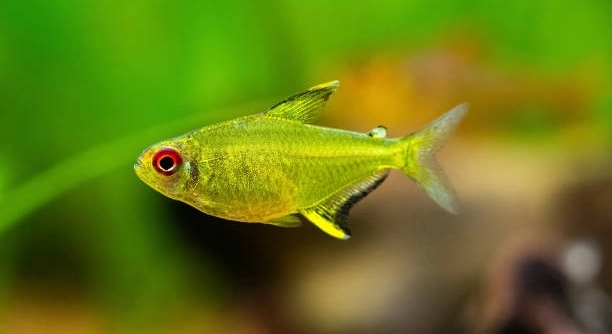
Keeping an Arowana healthy requires attention to its diet and feeding schedule. Many owners unknowingly underfeed their fish, which can lead to long-term health problems and stunted growth over time. Observing their daily habits is essential.
Underfeeding an Arowana can result in weight loss, lethargy, weakened immunity, poor scale condition, slow growth, and abnormal behavior. Consistent insufficient nutrition prevents the fish from maintaining normal metabolic functions and can compromise overall health and longevity.
Recognizing these signs early allows you to correct feeding habits and ensure your Arowana thrives in a safe, healthy environment. Proper nutrition is key to its wellbeing and vibrant appearance.
Slow Growth
Arowanas are known for their rapid growth when fed properly. If you notice your fish is not reaching the expected size for its age, it may be a sign of underfeeding. Slow growth often appears gradually, and you might attribute it to natural variation. However, consistent lack of nutrients prevents proper development. Juvenile Arowanas require a balanced diet rich in protein to build muscle and maintain energy. Feeding too little or skipping meals can lead to stunted growth that may be difficult to reverse. Even adult Arowanas can show reduced activity and thinner bodies when not fed enough. Monitoring size and comparing it to growth charts helps track progress. Adjusting portion sizes to the fish’s appetite ensures it receives enough nutrition to thrive. Proper feeding supports strong bones, vibrant scales, and overall vitality in your Arowana. Paying attention to these details can prevent long-term health complications.
Slow growth often goes unnoticed until it becomes severe, making early attention crucial for recovery.
Maintaining a feeding schedule that matches your Arowana’s age and size is essential. Offer a variety of foods including pellets, live prey, and occasional treats to meet nutritional needs. Record feeding amounts and monitor body condition weekly. Supplements may be added if diet lacks essential vitamins. Overfeeding should be avoided as well, but underfeeding has more immediate visible effects. Gradually increasing portions as the fish grows can help maintain steady development. Regular observation of appetite and behavior will indicate if the diet is sufficient. Balancing nutrition, portion size, and feeding frequency ensures your Arowana grows at a healthy rate without risking obesity or malnutrition. Consistency and careful attention are key to supporting a strong and active fish.
Lethargy and Low Activity
Underfed Arowanas often show reduced movement and appear less engaged with their surroundings.
Lethargy may seem subtle at first, but persistent inactivity signals insufficient energy from inadequate feeding.
Arowanas need enough food to fuel their swimming and hunting instincts. Low activity can indicate that their caloric intake is insufficient for normal metabolism. When fish appear listless or spend extended periods near the tank bottom, it is often linked to underfeeding. Energy levels affect behavior, responsiveness, and interaction with other tank mates. Correcting feeding amounts restores vitality and encourages natural movement. Observing your fish daily helps identify changes early. Feeding appropriate portions several times a day ensures consistent energy supply. In addition to quantity, diet quality matters—high-protein food supports stamina and mental alertness. Over time, proper feeding can reverse lethargic behavior, improve health, and maintain interest in the tank environment. Consistent observation and careful adjustment of feeding routines are essential to prevent long-term weakness.
Slow Growth
Arowanas are known for their rapid growth when fed properly. If you notice your fish is not reaching the expected size for its age, it may be a sign of underfeeding. Slow growth often appears gradually, and you might attribute it to natural variation. However, consistent lack of nutrients prevents proper development. Juvenile Arowanas require a balanced diet rich in protein to build muscle and maintain energy. Feeding too little or skipping meals can lead to stunted growth that may be difficult to reverse. Even adult Arowanas can show reduced activity and thinner bodies when not fed enough. Monitoring size and comparing it to growth charts helps track progress. Adjusting portion sizes to the fish’s appetite ensures it receives enough nutrition to thrive. Proper feeding supports strong bones, vibrant scales, and overall vitality in your Arowana. Paying attention to these details can prevent long-term health complications.
Slow growth often goes unnoticed until it becomes severe, making early attention crucial for recovery.
Maintaining a feeding schedule that matches your Arowana’s age and size is essential. Offer a variety of foods including pellets, live prey, and occasional treats to meet nutritional needs. Record feeding amounts and monitor body condition weekly. Supplements may be added if diet lacks essential vitamins. Overfeeding should be avoided as well, but underfeeding has more immediate visible effects. Gradually increasing portions as the fish grows can help maintain steady development. Regular observation of appetite and behavior will indicate if the diet is sufficient. Balancing nutrition, portion size, and feeding frequency ensures your Arowana grows at a healthy rate without risking obesity or malnutrition. Consistency and careful attention are key to supporting a strong and active fish.
Lethargy and Low Activity
Underfed Arowanas often show reduced movement and appear less engaged with their surroundings.
Lethargy may seem subtle at first, but persistent inactivity signals insufficient energy from inadequate feeding.
Arowanas need enough food to fuel their swimming and hunting instincts. Low activity can indicate that their caloric intake is insufficient for normal metabolism. When fish appear listless or spend extended periods near the tank bottom, it is often linked to underfeeding. Energy levels affect behavior, responsiveness, and interaction with other tank mates. Correcting feeding amounts restores vitality and encourages natural movement. Observing your fish daily helps identify changes early. Feeding appropriate portions several times a day ensures consistent energy supply. In addition to quantity, diet quality matters—high-protein food supports stamina and mental alertness. Over time, proper feeding can reverse lethargic behavior, improve health, and maintain interest in the tank environment. Consistent observation and careful adjustment of feeding routines are essential to prevent long-term weakness.
Weight Loss
Significant weight loss is a clear indicator that an Arowana is not receiving enough food. Thin bodies, sunken bellies, and visible bones suggest the fish’s caloric intake is insufficient to maintain healthy body mass. Immediate adjustment to feeding is necessary.
Gradual weight loss can be deceptive, appearing minor at first. Monitoring body condition weekly helps catch it early. Adding nutrient-rich foods and slightly increasing portions restores weight and supports overall health effectively.
Poor Scale Condition
Underfeeding often affects the quality and appearance of an Arowana’s scales. Dull, faded, or damaged scales are common when nutritional needs are not met. A balanced diet rich in protein and vitamins is essential to maintain shiny, healthy scales. Regular observation is important to detect changes early.
Reduced Appetite
When an Arowana is consistently underfed, it may paradoxically show reduced interest in food. Hunger and low energy can sometimes suppress normal feeding behavior. Adjusting feeding frequency and portion size carefully can help restore appetite and encourage normal eating habits.
FAQ
How often should I feed my Arowana?
Young Arowanas require frequent feeding, typically two to three times daily, while adults can be fed once or twice a day. Maintaining consistent feeding times ensures they receive enough energy for growth, activity, and maintaining healthy metabolism. Skipping meals can quickly affect their health.
What is the best type of food for Arowanas?
Arowanas thrive on a mix of high-protein diets, including pellets, live or frozen prey such as shrimp, fish, and insects. Occasional treats like earthworms or crickets can be added. Variety ensures essential vitamins and minerals are met, supporting growth, scales, and immunity.
How can I tell if my Arowana is underfed?
Signs of underfeeding include slow growth, weight loss, lethargy, dull scales, and abnormal behavior. Reduced appetite or staying near the tank bottom can also indicate insufficient nutrition. Monitoring daily activity and body condition helps identify feeding issues early.
Can underfeeding cause permanent health issues?
Yes, chronic underfeeding can lead to stunted growth, weakened immunity, and organ damage. Long-term malnutrition may reduce lifespan and make recovery more difficult. Ensuring proper feeding prevents irreversible damage and promotes overall well-being.
How much should I feed my Arowana at each meal?
Portion sizes depend on age and size. Young Arowanas need small, frequent meals, while adults require slightly larger portions less often. Feeding until the fish finishes within a few minutes prevents overfeeding while providing enough nutrition to sustain growth and energy.
Is it okay to occasionally skip a feeding?
Occasional missed meals are not critical for adults, but repeated underfeeding can be harmful. Young fish are more sensitive to skipped meals. Maintaining a reliable feeding schedule ensures consistent nutrition and avoids stress from irregular food intake.
How do I increase my Arowana’s appetite if it is underfed?
Offering small, frequent meals of varied, high-quality foods can stimulate appetite. Live prey or slightly warming frozen foods may encourage eating. Observing behavior and adjusting feeding gradually helps restore interest in food without overfeeding.
Are there specific vitamins or supplements needed?
A well-balanced diet usually provides necessary nutrients, but vitamin-enriched pellets or occasional supplements can support immune health, scale condition, and growth. Avoid excessive supplementation, as too much can cause health issues or water quality problems.
How important is monitoring water quality in relation to feeding?
Water quality is crucial. Poor water conditions can stress Arowanas, reduce appetite, and make them more susceptible to underfeeding effects. Regular testing and maintenance help ensure proper nutrition is absorbed and the fish remains healthy.
Can stress affect feeding habits?
Yes, stress from overcrowding, aggressive tank mates, or sudden environmental changes can reduce appetite. Even if the food supply is sufficient, stressed fish may refuse to eat, showing symptoms similar to underfeeding. Reducing stressors can restore normal feeding behavior.
What should I do if I notice multiple signs of underfeeding?
Gradually increase feeding portions and frequency while ensuring a balanced diet. Monitor behavior, weight, and scale condition daily. If issues persist, consulting an experienced aquarist or veterinarian can help identify other underlying problems affecting nutrition.
Is underfeeding more common in certain types of Arowanas?
All Arowanas can be affected, but slower-growing species or fish kept in smaller tanks with limited food distribution are more prone. Ensuring each fish receives adequate portions and adjusting feeding according to growth prevents underfeeding regardless of species.
How long does it take for an underfed Arowana to recover?
Recovery depends on the severity of underfeeding and the fish’s age. Young fish may regain weight and growth faster, while adults may take weeks to improve. Consistent feeding, high-quality nutrition, and stress-free environments accelerate recovery and restore energy.
Can I use visual assessment to determine underfeeding?
Yes, regularly observing body shape, scale quality, and activity levels provides insight into nutritional status. Combining visual checks with growth records and behavior observation ensures you identify underfeeding early and take corrective action.
Are live foods necessary for proper nutrition?
Live foods are beneficial but not strictly necessary if a high-quality pellet diet is offered. Including live or frozen prey occasionally promotes natural hunting behavior and adds nutritional variety, supporting overall health and engagement.
How does tank size affect feeding requirements?
Smaller tanks may lead to uneven food distribution, making some fish eat less than others. Proper feeding techniques and adequate tank space help ensure all Arowanas receive enough nutrition without overfeeding or leaving some undernourished.
Can underfeeding affect breeding or spawning?
Yes, inadequate nutrition reduces reproductive capability. Eggs may be fewer or less viable, and fish may lack energy for courtship or nest protection. Sufficient feeding and a nutrient-rich diet are essential to maintain healthy breeding behavior.
Should I adjust feeding during seasonal changes?
Temperature fluctuations can affect metabolism and appetite. Slightly cooler water may reduce feeding needs, while warmer temperatures increase activity and food consumption. Observing behavior and adjusting portions ensures proper nutrition year-round.
Is it better to feed smaller meals more frequently or larger meals less often?
Smaller, frequent meals help maintain consistent energy levels, especially for young or active Arowanas. Adults may tolerate fewer, larger meals, but the key is matching portions to their appetite and activity level to avoid underfeeding or waste.
What is the impact of underfeeding on behavior?
Underfed Arowanas may become sluggish, hide more often, or show reduced responsiveness. Aggression or stress can increase if competition for limited food occurs. Proper nutrition supports normal behavior and keeps interactions within the tank balanced and healthy.
Final Thoughts
Maintaining a healthy Arowana requires careful attention to its diet and feeding schedule. Underfeeding is a common issue that can have serious consequences if left unchecked. The signs of underfeeding are often subtle at first, including slower growth, slight weight loss, or reduced activity. Over time, these small indicators can develop into more serious problems, such as weakened immunity, dull scales, and behavioral changes. Observing your fish daily is essential, as it allows you to identify any changes in appearance or behavior early. Taking timely action can prevent long-term health complications and support the overall wellbeing of your Arowana. Feeding consistently and providing a balanced diet ensures your fish receives the nutrients needed to thrive. This not only promotes physical health but also supports natural behavior, making the fish more active and responsive in its environment. Proper feeding contributes to vibrant scales, strong muscles, and sustained energy levels, which are all key indicators of a healthy Arowana.
Arowanas require a combination of high-quality foods to meet their nutritional needs. While pellets can serve as a reliable base, adding live or frozen prey introduces variety and ensures sufficient protein intake. Incorporating occasional supplements may be necessary if the diet is lacking certain vitamins or minerals. The quantity and frequency of meals should match the age, size, and activity level of the fish. Juvenile Arowanas benefit from smaller, more frequent feedings to support rapid growth, while adults can be fed slightly larger portions less often. Monitoring how much your fish consumes and observing its body condition over time allows for adjustments that prevent both underfeeding and overfeeding. Proper nutrition is not just about quantity but also about quality. A well-balanced diet provides the energy needed for swimming, hunting, and natural behavior, while supporting immune function and overall health. Consistent feeding routines combined with high-quality food create a stable environment for your fish to flourish.
Underfeeding can affect more than just physical health. Energy levels, behavior, and interactions with other tank mates are all influenced by adequate nutrition. Lethargy, reduced appetite, and hiding are often signs of insufficient feeding. Addressing underfeeding involves gradually adjusting meal sizes, offering a varied diet, and maintaining a stress-free environment. Water quality also plays a role in how well your Arowana absorbs nutrients. Ensuring clean, well-maintained water supports metabolism and encourages normal feeding behavior. Recovery from underfeeding may take time, especially in adult fish, but with consistent care, Arowanas can regain weight, energy, and vitality. Paying attention to these factors ensures long-term health and allows your fish to reach its full potential. Arowanas are resilient when their nutritional needs are met, and a structured, attentive feeding routine is the most effective way to keep them strong, active, and healthy for years.

Hello,
If you enjoy the content that we create, please consider saying a "Thank You!" by leaving a tip.
Every little bit helps us continue crafting quality advice that supports the health, happiness, and well-being of pets around the world, for pets of all shapes, sizes, and species.
We really appreciate the kindness and support that you show us!