
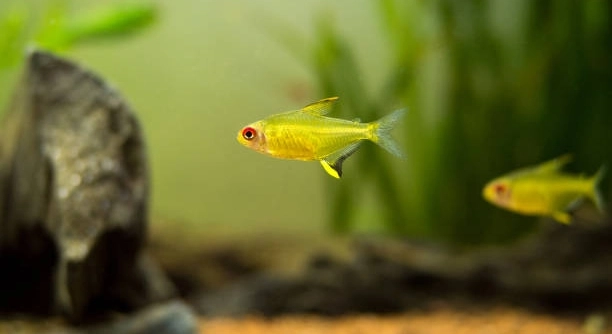
Are your lemon tetra swimming in a crowded tank, constantly brushing against each other and darting nervously around? Overcrowding can make their once peaceful environment stressful, affecting their behavior and overall wellbeing in ways you might not expect.
When lemon tetra are kept in overcrowded conditions, they experience heightened stress, reduced oxygen levels, increased aggression, poor growth, higher susceptibility to disease, irregular swimming patterns, and deteriorating water quality, all of which can significantly compromise their health and lifespan.
Understanding these issues will help you maintain a healthier, calmer aquarium and ensure your lemon tetra thrive in a more balanced environment.
Stress and Aggression
Overcrowding creates constant stress for lemon tetra. With too many fish in one tank, they cannot establish personal space, leading to frequent chasing and nipping. Their natural schooling behavior becomes disrupted, making them more defensive and reactive. Stress weakens their immune system, making them prone to illness. The water quality can also deteriorate faster under high fish density, adding another stress factor. Fish may hide more often, appear dull in color, or stop eating properly. Over time, aggressive interactions can escalate, leaving some fish injured or exhausted. Maintaining a calm environment with adequate space allows the tetra to swim freely, display normal behavior, and interact without constant confrontation. Regular monitoring of their behavior can help identify early signs of stress. Even small changes, like adding plants or rearranging the tank, can give fish safer zones to retreat and reduce overall tension.
Managing stress is essential for healthy, active lemon tetra and a peaceful tank environment.
Creating a tank that balances fish numbers with space, decorations, and hiding spots helps reduce aggression. Proper filtration and regular water changes further minimize stress. Overcrowded fish tanks often require behavioral adjustments, but thoughtful planning ensures healthier, happier fish. By observing their habits and making small changes, you can restore balance and reduce aggression. Lemon tetra thrive when they feel safe, have enough room to swim, and can establish natural schooling patterns. Stress management in overcrowded tanks is critical to maintaining vibrant, active fish that display their true colors.
Poor Growth and Health
Lemon tetra in overcrowded tanks often grow slower and appear weaker due to competition for food and limited resources.
Limited space and constant stress affect nutrient absorption and overall health. Fish may not get enough food or oxygen, making them more susceptible to illness. Poor growth is a clear sign of overcrowding.
Overcrowded tanks force fish to compete for every bite of food, which can lead to malnutrition. Constant movement to avoid aggressive neighbors uses extra energy, further hindering growth. Their immune systems are weakened, increasing the risk of infections, parasites, and disease outbreaks. Over time, smaller, weaker fish may struggle to survive alongside healthier, more dominant individuals. Even with proper feeding, the stress of tight spaces prevents efficient nutrient use, leading to stunted growth and faded coloration. Ensuring adequate space, proper filtration, and frequent water changes can improve health. Additionally, monitoring their diet and providing occasional high-quality supplements helps support stronger growth and resilience. Maintaining a balanced population in the tank allows lemon tetra to thrive, swim freely, and maintain optimal health for longer lifespans.
Irregular Swimming Patterns
Overcrowded tanks cause lemon tetra to swim erratically. They dart, collide, and often stay near the surface or corners to avoid others, showing stress and discomfort.
Erratic swimming is a direct response to constant stress and limited space. Lemon tetra naturally form loose schools, moving together calmly. When space is tight, these patterns break down. Fish may swim in circles, repeatedly bump into decorations, or struggle to navigate the tank efficiently. This behavior can tire them out, reduce feeding opportunities, and increase vulnerability to disease. Overcrowding also disrupts their natural instincts, making coordinated schooling nearly impossible. The water may have uneven oxygen distribution, forcing some fish to compete for areas with higher oxygen levels, further affecting movement.
Erratic swimming also indicates potential injury risks. Collisions and rapid movements increase the chances of fin damage or abrasions. Over time, constant stress and physical strain weaken their immune system. Providing adequate space, hiding spots, and monitoring swimming behavior can reduce these irregular patterns. Correcting overcrowding helps restore calm, coordinated movement, and supports the long-term health of lemon tetra.
Poor Water Quality
Overcrowding accelerates waste buildup, lowering water quality and increasing ammonia and nitrate levels, which harms lemon tetra health.
Excess fish produce more waste than the tank can naturally process. High ammonia and nitrite levels irritate gills, cause lethargy, and reduce immunity. Overcrowded tanks often need more frequent water changes, but even then, maintaining balance is challenging. Poor water quality encourages algae growth and fosters pathogens that can spread quickly among stressed fish. Fish may show clamped fins, loss of color, or unusual breathing patterns. Using proper filtration and monitoring water parameters regularly helps, but the simplest solution is reducing fish density.
Low oxygen levels are another consequence of poor water quality. In overcrowded tanks, the surface area for gas exchange is insufficient for all fish, making them compete for oxygen-rich zones. This adds constant stress, reduces feeding efficiency, and increases susceptibility to disease. Waste accumulation can cloud water and smother plants, further degrading the environment. Maintaining a stable, clean habitat requires balancing fish numbers with filtration, aeration, and water changes. By controlling density and keeping the tank clean, lemon tetra regain energy, display natural coloration, and swim freely in a safer, healthier environment.
Increased Disease Risk
Overcrowded tanks make lemon tetra more susceptible to infections. Close contact spreads bacteria and parasites quickly, increasing the likelihood of outbreaks.
Stress from limited space weakens the immune system. Fish are less able to fight off common illnesses like fin rot, ich, or fungal infections. Prompt attention and proper tank management are essential to prevent widespread health issues.
Reduced Breeding Success
High population density reduces breeding success in lemon tetra. Stress and competition make them less likely to spawn. Limited space prevents proper courtship behavior, reducing egg production and the survival of fry.
Aggressive Pecking
Overcrowding increases pecking among lemon tetra. Fish may nip fins or chase weaker individuals, creating injuries and long-term stress.
How many lemon tetra should be kept in a tank?
Lemon tetra are small schooling fish that thrive in groups. Keeping them in groups of six to ten is usually ideal for a 20-gallon tank. More than this in a small tank increases stress, competition for food, and aggression. Adequate space helps maintain their natural schooling behavior and reduces erratic swimming.
What are the signs of overcrowding in a tank?
Overcrowding shows in several ways. Fish may swim erratically, hide frequently, or display aggression. Fins can become frayed from nipping, colors may fade, and feeding becomes competitive. Excess waste can cloud the water, and unusual breathing patterns may appear. Watching daily behavior helps detect problems early.
Can overcrowding cause disease in lemon tetra?
Yes, overcrowding increases disease risk. Stress weakens the immune system, and close contact spreads bacteria, parasites, and fungal infections quickly. Common issues include fin rot, ich, and cloudy eyes. Maintaining water quality, reducing density, and monitoring fish health are essential to prevent outbreaks.
How does overcrowding affect water quality?
Excess fish produce more waste, raising ammonia, nitrite, and nitrate levels. Poor water quality stresses fish, irritates gills, and reduces oxygen availability. Overcrowded tanks often require frequent water changes and stronger filtration. Without intervention, the water environment becomes harmful, causing long-term health issues for lemon tetra.
Will overcrowded lemon tetra show changes in behavior?
Yes, behavior changes are common. Fish may dart rapidly, swim in circles, or stay near the surface or corners to avoid others. They may also show more aggression or clamping of fins. Stress reduces natural schooling, making them less coordinated and more vulnerable to illness.
Can overcrowding affect breeding?
Overcrowding reduces breeding success. Stress and competition prevent proper courtship, and eggs or fry may be eaten or fail to survive. Providing ample space and hiding spots increases chances for successful spawning. Low-stress environments are critical for healthy reproduction.
How can I prevent overcrowding in my tank?
Plan your tank size according to the number of fish. Avoid adding too many at once and provide hiding spots and plants to give fish space. Regular monitoring, appropriate filtration, and water changes keep the environment healthy. Spreading fish among multiple tanks can also reduce density.
What immediate steps should I take if my tank is overcrowded?
Remove excess fish to another suitable tank if possible. Perform partial water changes, check filtration, and monitor water parameters. Add decorations or plants to create visual barriers and reduce direct conflicts. Reducing density quickly helps lower stress and prevents disease outbreaks.
Does overcrowding affect the growth of lemon tetra?
Yes, growth is affected. Limited space and competition for food reduce nutrient intake, causing slower growth and weaker fish. Stress increases energy expenditure, leaving less for development. Ensuring proper feeding, space, and water quality supports healthier, faster-growing fish.
Can overcrowding shorten the lifespan of lemon tetra?
Overcrowding can shorten lifespan. Chronic stress, disease susceptibility, and poor water quality all contribute to early mortality. Fish in well-maintained, appropriately sized tanks with proper social groups tend to live longer, healthier lives and show natural coloration and behavior.
Are there ways to manage minor overcrowding without removing fish?
Yes, small adjustments can help temporarily. Rearranging decorations, adding plants, or increasing filtration and aeration can relieve stress. Frequent partial water changes maintain water quality. However, these measures only mitigate effects temporarily; reducing fish density is the most reliable solution.
How often should I monitor an overcrowded tank?
Daily observation is recommended. Check fish behavior, color, and swimming patterns. Test water parameters regularly to detect ammonia, nitrite, nitrate, and oxygen levels. Frequent monitoring allows early intervention before health issues become severe.
Can overcrowding impact feeding routines?
Yes, fish may compete aggressively for food. Dominant individuals may eat first, leaving others underfed. Overcrowding can also make feeding stressful, leading to uneven growth and poor health. Providing multiple feeding points or spreading food evenly can help temporarily, but space limitations remain a problem.
Is it possible for overcrowding effects to reverse?
Some effects can reverse if addressed promptly. Reducing density, improving water quality, and relieving stress allow fish to regain normal behavior, coloration, and growth patterns. However, long-term injuries, fin damage, or stunted growth may not fully recover. Early action is key to minimizing lasting damage.
Can plants or decorations help in an overcrowded tank?
Yes, adding plants or decorations can provide hiding spots and reduce direct conflicts. Visual barriers give fish temporary relief from stress and aggression. While this does not replace adequate space, it helps improve behavior and reduces injuries in the short term.
Does overcrowding affect schooling behavior?
Overcrowding disrupts natural schooling. Lemon tetra may swim in smaller, disorganized groups or individually to avoid conflict. Proper schooling requires space and low stress levels. Restoring appropriate tank density helps fish coordinate movements and maintain natural social behavior.
Are there long-term consequences if overcrowding persists?
Persistent overcrowding can lead to chronic stress, continuous disease risk, weakened growth, and shorter lifespans. Fish may lose natural coloration, show constant aggression, and suffer permanent behavioral changes. Maintaining proper tank conditions is essential for long-term health and wellbeing.
What is the recommended tank size for a small group of lemon tetra?
A 20-gallon tank is suitable for six to ten lemon tetra. Larger tanks allow more stable water parameters, room to swim, and natural schooling behavior. Overcrowding should be avoided to ensure healthy growth, reduced stress, and longer lifespans.
How can I tell if my lemon tetra are stressed?
Signs include erratic swimming, hiding, clamped fins, faded colors, and reduced appetite. Frequent aggression or rapid breathing also indicates stress. Observing these behaviors early helps prevent serious health problems associated with overcrowding and poor water quality.
Does filtration help in an overcrowded tank?
Filtration helps maintain water quality but cannot fully compensate for overcrowding. High-density tanks still produce excessive waste and stress. While proper filtration supports cleaner water, reducing the number of fish is necessary for long-term health and stability.
Are there specific water changes recommended for overcrowded tanks?
Frequent partial water changes are necessary to manage ammonia, nitrite, and nitrate levels. Replacing 20–30% of water every few days can improve conditions temporarily. Combined with improved filtration and reduced fish density, water changes help maintain a safer environment.
Can overcrowding cause physical injuries?
Yes, fin nipping, abrasions, and minor wounds are common. Close contact, chasing, and stress-related aggression lead to injuries that may become infected. Providing space, hiding areas, and reducing the number of fish minimizes physical harm and improves overall health.
Does diet influence overcrowding effects?
A balanced diet helps fish cope with stress, but it cannot solve overcrowding problems. Providing multiple feeding points ensures all fish get nutrients. High-quality food supports growth and immune function, but space and stress management remain critical.
What is the safest way to rehome excess lemon tetra?
Find a suitable aquarium or local fish store. Ensure the new tank is stable, cycled, and has enough space for the fish to thrive. Avoid sudden transfers to prevent stress, and acclimate fish gradually to water conditions.
Can overcrowding affect color intensity?
Yes, stressed fish may lose vibrant colors and appear dull. Stress, poor nutrition, and disease all contribute. Restoring space, water quality, and a healthy diet allows fish to regain their natural coloration over time.
Are there preventive measures to avoid overcrowding from the start?
Plan tank size and fish numbers carefully before adding new individuals. Introduce fish gradually, monitor growth, and maintain regular water testing. Providing ample space and hiding spots ensures lemon tetra remain healthy and exhibit natural behavior.
Does overcrowding affect tank plants and decorations?
Yes, high fish density can damage plants, stir up substrate, and create debris. Overcrowded fish may uproot plants or disturb decorations, affecting aesthetics and filtration efficiency. Maintaining proper fish numbers protects both fish and tank environment.
Is overcrowding stressful for all fish species?
While some species tolerate higher densities, overcrowding is stressful for most fish, including lemon tetra. Stress reduces immunity, growth, and breeding success. Observing species-specific needs and maintaining appropriate tank density ensures healthier, calmer fish.
How quickly do overcrowding effects appear?
Effects can appear within days. Stress, erratic swimming, aggression, and changes in water quality may be noticeable soon after adding too many fish. Early detection and correction prevent long-term damage and improve overall tank health.
Can overcrowding lead to permanent behavioral changes?
Chronic overcrowding can result in lasting aggression, fearfulness, and disrupted schooling behavior. Fish may never fully recover their natural patterns. Addressing overcrowding promptly reduces the likelihood of permanent effects.
Does tank shape influence overcrowding?
Longer tanks provide more horizontal swimming space, reducing stress compared to narrow, tall tanks. Even with the same volume, shape affects movement and social behavior. Planning tank dimensions carefully helps prevent overcrowding issues.
Are there signs that water quality is affecting overcrowded fish?
Cloudy water, algae blooms, foul odor, rapid breathing, and faded colors indicate poor water quality. High ammonia, nitrite, or nitrate levels stress fish. Frequent testing and water changes help maintain a safe environment.
Does overcrowding affect tank maintenance?
Yes, overcrowded tanks require more frequent cleaning, water changes, and monitoring. Filtration may become overloaded, and waste buildup increases. Maintaining proper fish numbers reduces maintenance demands and supports healthier fish.
Can overcrowding reduce aquarium enjoyment?
Yes, stressed and unhealthy fish are less active, display dull colors, and may die prematurely. Observing natural behavior and vibrant colors is part of the enjoyment, which overcrowding can diminish. Proper tank management restores a lively, attractive environment.
How can I balance fish numbers as they grow?
Monitor growth and adjust stocking levels accordingly. Plan for adult size, not just juvenile size. Adding extra tanks or rehoming fish prevents overcrowding as they mature, ensuring space for swimming, schooling, and healthy behavior.
Does temperature play a role in overcrowding stress?
Temperature affects metabolism and oxygen levels. Warmer water holds less oxygen, intensifying stress in overcrowded tanks. Stable, appropriate temperatures reduce additional stress and support fish health alongside proper tank density.
Are overcrowded tanks more prone to algae?
Yes, excess waste and nutrients from too many fish feed algae growth. Algae can reduce aesthetics and oxygen levels, further stressing fish. Regular cleaning, water changes, and density control help manage algae.
How does tank decoration placement help overcrowded fish?
Strategic placement of plants and décor creates zones for fish to hide, reducing aggression and stress. Visual barriers give fish temporary relief, even in limited space. While this does not solve overcrowding, it mitigates its effects.
Can overcrowding affect tank filtration efficiency?
Yes, more waste strains filters, leading to reduced efficiency. Overworked filters may fail to maintain water quality, causing stress and disease. Matching filtration to fish load is essential for stable conditions.
Is it better to prevent overcrowding or fix it later?
Prevention is always better. Planning tank size, fish numbers, and growth potential avoids stress, disease, and long-term health issues. Fixing overcrowding later is possible but may not reverse all damage. Proper planning ensures a stable, healthy tank environment.
How often should I test water in an overcrowded tank?
Testing at least twice a week is recommended. Monitoring ammonia, nitrite, nitrate, and oxygen levels ensures conditions remain safe. Frequent testing allows quick intervention before fish experience serious stress or illness.
Does overcrowding affect fish compatibility?
Yes, overcrowding increases aggression and territorial disputes, even among compatible species. Limited space forces more interactions, escalating stress and injuries. Providing adequate space reduces conflicts and promotes peaceful coexistence.
Are there signs of recovery after reducing overcrowding?
Fish become calmer, swim in coordinated schools, regain color, and feed more efficiently. Reduced aggression and improved water clarity indicate recovery. Continuous observation confirms ongoing improvement in health and behavior.
Can overcrowding affect fry survival?
Yes, overcrowded tanks reduce fry survival. Adults may eat eggs or fry, and limited space increases competition for food. Providing separate breeding tanks improves fry survival and reduces stress on adults.
How does oxygen availability impact overcrowded fish?
Limited oxygen in crowded tanks stresses fish, causing rapid breathing and lethargy. Surface agitation, aeration, and proper tank density improve oxygen distribution and reduce stress-related health problems.
Is overcrowding the same as overstocking?
Overcrowding refers to too many fish in a given space, while overstocking considers the tank’s filtration and maintenance capacity. Both lead to similar problems, including stress, poor water quality, and disease susceptibility. Proper planning prevents both.
Can overcrowding affect the lifespan of lemon tetra?
Yes, chronic stress, poor nutrition, disease, and injuries reduce lifespan. Fish in appropriately sized tanks with proper social groups live longer, healthier lives and display natural behaviors consistently.
Does overcrowding affect tank aesthetics?
Yes, excessive fish density causes erratic movement, injuries, and clouded water, diminishing visual appeal. Adequate space and healthy fish improve tank appearance and enjoyment.
Can overcrowding lead to permanent health issues?
Long-term overcrowding can result in stunted growth, fin damage, weakened immunity, and chronic stress. Prompt intervention improves recovery, but some effects may remain permanent.
Are certain tank shapes better for overcrowded fish?
Wider, longer tanks provide more swimming space and reduce stress compared to tall, narrow tanks. Tank design impacts behavior and comfort, complementing proper fish density for a healthier environment.
Can overcrowding affect fish social hierarchy?
Yes, limited space increases competition, disrupts natural schooling, and creates dominance conflicts. Weak fish may be constantly chased, leading to stress, injury, and reduced health. Balanced density supports stable social dynamics.
Does overcrowding make disease treatment harder?
Yes, high density spreads pathogens quickly and complicates treatment. Removing fish, improving water quality, and isolating affected individuals are necessary to control outbreaks. Overcrowding increases the effort required to maintain health.
Is overcrowding reversible if addressed early?
Early action can reverse many negative effects, including stress, erratic behavior, and coloration loss. Some physical damage may persist, but reducing density, improving water quality, and minimizing aggression allow fish to recover most functions and health.
How does overcrowding impact long-term tank stability?
Excessive fish cause fluctuating water parameters, higher waste, and repeated stress cycles. Long-term tank stability requires maintaining appropriate density, adequate filtration, and consistent care to prevent recurring issues.
Are there signs that overcrowding is getting worse?
Increased aggression, faded colors, erratic swimming, reduced feeding, and frequent illness indicate worsening overcrowding. Water parameters may also fluctuate more rapidly. Recognizing these signs allows immediate action to prevent permanent damage.
Can overcrowding affect the behavior of other species in a community tank?
Yes, stressed lemon tetra can become aggressive toward smaller or slower species. Competition for food and space may stress other tank inhabitants, increasing overall conflict and health problems. Proper stocking prevents interspecies stress.
Does overcrowding increase maintenance time significantly?
Yes, more frequent water changes, cleaning, and monitoring are required. Filters may clog faster, and behavioral observation becomes more critical. Proper tank management reduces maintenance burden and ensures healthier fish.
Can overcrowding cause abnormal growth patterns?
Yes, limited space and stress hinder proper development. Fish may grow unevenly, remain stunted, or show weakened fin structure. Adequate space and nutrition support normal, healthy growth.
Are there environmental adjustments to help temporarily with overcrowding?
Adding plants, decorations, or visual barriers reduces direct conflicts. Increased aeration and filtration help water quality. These measures help temporarily but cannot replace proper space management and reduced density.
How important is daily observation for overcrowded tanks?
Daily observation helps detect stress, illness, aggression, or behavioral changes early. Prompt intervention prevents worsening health issues and improves long-term outcomes for lemon tetra in crowded environments.
Does overcrowding affect feeding behavior long-term?
Chronic competition alters feeding patterns, leading to underfed or stressed fish. Multiple feeding points and balanced diets help temporarily, but density reduction is essential for long-term healthy feeding behavior.
Are there risks of overcrowding with tank plants?
Yes, fish may uproot or damage plants due to limited space. Overcrowding accelerates debris buildup and reduces plant health, affecting filtration and aesthetics. Proper density protects plants and supports the ecosystem.
Can overcrowding increase stress hormones in lemon tetra?
Yes, chronic stress elevates cortisol, weakening the immune system, reducing growth, and increasing disease susceptibility. Managing density and tank conditions helps lower stress hormone levels naturally.
Is it necessary to plan for adult fish size when stocking?
Yes, juvenile fish grow quickly. Planning for adult size ensures sufficient space, reduces stress, prevents aggression, and maintains water quality. Overstocking juveniles can lead to overcrowding as they mature.
Does overcrowding affect tank oxygen levels significantly?
Yes, excess fish deplete dissolved oxygen faster, especially in warm water or poorly aerated tanks. Oxygen stress causes rapid breathing, lethargy, and vulnerability to disease. Aeration and reduced density are essential.
Can overcrowding make fish more aggressive permanently?
Persistent overcrowding can lead to long-term aggression patterns. Fish may remain dominant or fearful even after conditions improve. Early action reduces the risk of permanent behavioral changes.
Are certain tank maintenance routines more critical for overcrowded tanks?
Yes, frequent water testing, partial water changes, filter cleaning, and behavioral observation are more important. Overcrowded tanks require closer monitoring to prevent stress, disease, and poor water quality.
Does overcrowding impact fish coloration long-term?
Chronic stress, poor nutrition, and disease from overcrowding can cause lasting dullness. Recovery is possible after space and care improvements, but some fish may not regain full vibrancy.
How can visual barriers reduce stress in overcrowded tanks?
Plants, rocks, and decorations create zones where fish can hide or retreat. Visual barriers reduce direct conflicts and aggression, giving fish temporary relief even if tank space is limited.
Does overcrowding make it harder to introduce new fish?
Yes, limited space increases stress and aggression toward newcomers. New fish may be chased or injured. Adequate tank space and gradual introductions improve acceptance and reduce conflicts.
Can overcrowding impact water chemistry long-term?
Yes, frequent spikes in ammonia, nitrite, and nitrate can harm fish and plants. Overcrowding makes chemical balance unstable, increasing maintenance demands and the risk of long-term health problems.
Are there signs that overcrowding is affecting social behavior?
Disrupted schooling, constant chasing, and avoidance of certain areas indicate social stress. Fish may fail to interact normally, showing signs of
Overcrowding in a lemon tetra tank affects more than just the number of fish. Stress, aggression, and health problems become evident quickly when too many fish share a limited space. Lemon tetra are naturally active and social, but when their environment is cramped, they cannot display normal schooling behavior. Erratic swimming, hiding, and chasing become common, making the tank less peaceful and affecting overall wellbeing. Maintaining a balanced population helps fish move freely, feed properly, and interact naturally, which supports both their physical and mental health. Observing fish behavior regularly allows owners to spot early signs of stress or overcrowding before these issues develop into more serious problems.
Proper tank management goes beyond simply counting fish. Water quality, filtration, and oxygen levels all interact with population density to determine the overall health of the tank. Overcrowded conditions accelerate waste buildup, making ammonia and nitrate levels rise quickly. Poor water quality adds to the stress fish experience, increasing the risk of disease and reducing growth rates. Even with a good diet, fish in crowded tanks may struggle to absorb nutrients effectively, leading to stunted growth and weaker immune systems. Introducing plants, decorations, and hiding spaces can provide temporary relief, but these measures cannot replace adequate space. Reducing the number of fish to match tank size remains the most reliable solution to restore balance and promote healthy behavior.
Long-term overcrowding can have lasting effects on lemon tetra. Chronic stress, injuries from aggression, and disrupted social structures may persist even after population density is corrected. Fish may recover partially, but some physical and behavioral changes can remain permanent. Preventing overcrowding from the start is far more effective than addressing it later. Careful planning of tank size, proper stocking, and anticipating the adult size of fish are essential steps. Regular monitoring of water parameters, fish behavior, and growth ensures that any issues are addressed promptly. By maintaining an appropriate environment, lemon tetra can live longer, display vibrant colors, and thrive in a healthy, calm, and well-balanced aquarium.

Hello,
If you enjoy the content that we create, please consider saying a "Thank You!" by leaving a tip.
Every little bit helps us continue crafting quality advice that supports the health, happiness, and well-being of pets around the world, for pets of all shapes, sizes, and species.
We really appreciate the kindness and support that you show us!