
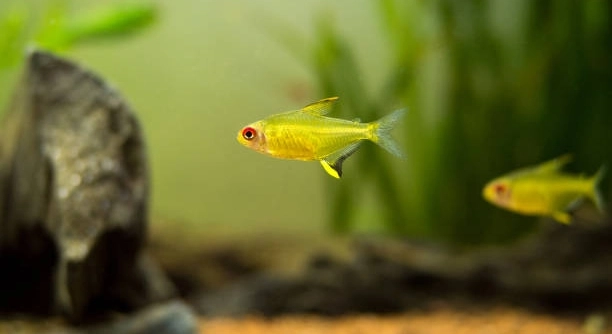
Is your lemon tetra constantly swimming in circles, catching your attention every time you glance at the tank? Watching them move in this way can be worrying, especially if you are unsure whether it is normal behavior.
Lemon tetras swimming in circles is often caused by stress, illness, or poor water conditions. Issues such as ammonia buildup, parasitic infections, or injury can lead to this abnormal swimming pattern, which requires careful observation and timely intervention.
Learning how to identify the cause can protect your fish’s health and improve the overall environment in your aquarium. Proper care and attention can make a significant difference in their wellbeing.
Common Causes of Circular Swimming
Lemon tetras often swim in circles due to stress, illness, or environmental issues. Stress can come from sudden changes in water temperature, aggressive tank mates, or overcrowding. Poor water quality, including high ammonia, nitrite, or nitrate levels, can also affect their swimming behavior. Disease is another factor, with parasites, bacterial infections, and swim bladder problems commonly causing circular swimming. Swim bladder issues make it difficult for fish to maintain balance, forcing them to spin or tilt while swimming. Injury from bumping into tank decorations or other fish can also result in unusual movement patterns. Observing your tetra’s behavior carefully can help determine whether the issue is temporary stress or a more serious health problem. Regular testing of water parameters and maintaining a clean tank are crucial steps. Providing a stable, calm environment and separating aggressive fish can prevent many issues. Understanding these factors early improves recovery chances.
Keeping your tank clean and monitoring water conditions can prevent most swimming issues in lemon tetras. Proper care is essential.
Addressing the problem promptly helps your fish regain normal behavior. Even minor changes, such as improving water quality or adjusting tankmates, can restore stability. Maintaining proper feeding routines and observing for signs of illness ensures a healthier, happier tetra. Consistency in tank management reduces stress and promotes natural swimming patterns. Identifying specific triggers, like temperature swings or aggressive companions, allows for targeted solutions that improve fish welfare. Acting early often prevents more severe health complications, keeping your tetra active and balanced.
Water Quality and Its Impact
Poor water quality can directly affect a lemon tetra’s behavior. Contaminated water leads to stress, which in turn causes unusual swimming patterns.
Monitoring ammonia, nitrite, and nitrate levels is essential. Sudden spikes in any of these can be dangerous. Regular water changes help maintain stability and reduce toxins. Temperature fluctuations can also stress fish, making them swim erratically. Filters need proper maintenance to ensure adequate circulation and oxygen levels. Overfeeding contributes to excess waste, further deteriorating water quality. Even minor adjustments, such as adding live plants or removing uneaten food, can have a noticeable effect on behavior. Observing tank conditions daily allows for early detection of potential problems, preventing serious health issues. Consistent care ensures lemon tetras have a safe, comfortable environment. By prioritizing water quality, you can reduce the likelihood of circular swimming and other stress-related behaviors. Keeping the habitat stable helps fish stay healthy, active, and balanced in their routine environment.
Swim Bladder Problems
Swim bladder issues are a common reason lemon tetras swim in circles. Overfeeding, constipation, or infection can cause the bladder to malfunction, affecting balance. Fish may spin, float, or sink, struggling to swim normally.
Swim bladder disorder affects the fish’s ability to control buoyancy. Overfeeding can lead to constipation, which puts pressure on the bladder, making it hard for the fish to stay upright. Bacterial infections can also inflame the bladder, causing similar symptoms. Adjusting feeding habits, providing high-fiber foods, or fasting for a day or two often helps. Observing your fish for changes in posture or swimming patterns is essential. Early intervention increases recovery chances and prevents long-term health problems.
Proper care includes feeding small, balanced meals and avoiding sudden dietary changes. Maintaining stable water conditions reduces stress, which can exacerbate swim bladder issues. Removing aggressive tankmates also prevents injury that could impact bladder function. If symptoms persist, consulting a vet experienced with fish can provide treatment options, such as antibiotics for infection. Supporting recovery with clean water and careful monitoring encourages normal swimming behavior to return.
Parasites and Illness
Parasites and bacterial infections can make lemon tetras swim in circles. External parasites irritate the skin and fins, while internal parasites affect organs and energy levels, disrupting swimming behavior.
Infections from bacteria, fungi, or parasites often manifest in unusual movements. External parasites, such as ich or flukes, attach to the fish, causing discomfort and stress. Internal parasites interfere with digestion and nutrient absorption, weakening the fish and causing erratic swimming. Proper quarantine of new fish, maintaining clean water, and avoiding overcrowding help prevent outbreaks. If signs of illness appear, such as spots, lethargy, or frayed fins, targeted treatment is necessary. Timely response minimizes the impact on fish health.
Treatment requires identifying the specific parasite or infection. Medications, salt baths, or antibiotics may be used depending on the condition. Keeping the tank clean and stable supports the fish’s immune system. Removing sick fish to a separate hospital tank prevents spreading disease. Regular observation ensures treatment is effective, and recovery is monitored. Ensuring proper diet and water conditions also supports overall health, helping the fish regain normal swimming patterns faster. Combining preventive care with timely intervention maintains a balanced, healthy aquarium environment.
Tank Mates and Aggression
Aggressive or overly active tank mates can stress lemon tetras. Chasing, nipping, or crowding disrupts swimming and may lead to circular movement.
Separating aggressive fish or choosing compatible species reduces stress. A calm environment allows lemon tetras to swim normally and maintain balance.
Diet and Nutrition
An unbalanced diet can affect a lemon tetra’s swimming. Poor nutrition weakens muscles and organs, leading to erratic movements. Feeding high-quality flakes, frozen, or live foods in moderate portions ensures proper growth and health. Avoid overfeeding, which can cause digestive problems and contribute to swim bladder issues.
Observing Behavior Patterns
Consistent observation helps detect early signs of illness or stress. Noting changes in swimming, appetite, or appearance provides clues about health and tank conditions.
Tank Environment
A well-maintained tank with hiding spots and stable conditions promotes normal behavior. Proper filtration, aeration, and gentle water flow reduce stress and encourage healthy swimming patterns.
FAQ
Why is my lemon tetra swimming in circles suddenly?
A sudden change in swimming behavior is usually linked to stress, water quality, or illness. Rapid changes in temperature, new tank mates, or overcrowding can make tetras anxious. Swim bladder issues, parasites, or bacterial infections may also appear suddenly, affecting balance and coordination.
Can poor water quality make my tetra swim in circles?
Yes. High ammonia, nitrite, or nitrate levels irritate fish and stress their systems. Overfeeding and decaying food worsen water quality. Regular water testing and cleaning are essential to prevent abnormal swimming patterns and maintain overall fish health.
Could swim bladder problems cause this behavior?
Swim bladder disorders are a common reason for circular swimming. Overfeeding, constipation, or bacterial infection affects buoyancy. Adjusting feeding routines, offering high-fiber foods, and occasionally fasting can help restore normal swimming. Severe cases may need veterinary attention.
Are tank mates responsible for this behavior?
Aggressive or overly active tank mates can stress lemon tetras. Chasing, nipping, or constant disturbance can trigger circular swimming. Separating incompatible fish and maintaining a calm, balanced environment helps prevent stress-related behaviors.
Does diet impact swimming patterns?
Improper diet weakens fish and may lead to swim bladder issues. Feeding a variety of high-quality flakes, frozen, or live foods in controlled portions supports digestion, organ function, and overall health, promoting normal swimming behavior.
Can temperature changes affect their swimming?
Yes. Sudden or frequent temperature fluctuations stress fish, affecting movement and appetite. Maintaining a consistent temperature suitable for lemon tetras ensures stability and reduces the likelihood of erratic swimming.
How do I know if my fish is sick or stressed?
Signs of illness or stress include circular swimming, lethargy, loss of appetite, clamped fins, or visible spots and injuries. Monitoring behavior and water conditions helps identify underlying problems early. Prompt intervention improves recovery chances.
Is medication always necessary?
Not always. Minor stress or mild swim bladder issues can resolve with improved diet, water quality, and tank conditions. Medication is needed when infections, parasites, or persistent disorders are diagnosed. Use treatments carefully to avoid harming other fish.
How long does it take for circular swimming to stop?
Recovery time depends on the cause. Stress or minor diet issues may resolve in a few days. Swim bladder problems, infections, or prolonged poor water conditions can take weeks with proper care. Consistency in environment and observation is key.
Can preventive measures keep my tetra swimming normally?
Yes. Regular water testing, maintaining proper tank size, providing compatible tank mates, offering a balanced diet, and observing behavior consistently prevent most causes of circular swimming. Early detection and stable conditions are the best ways to protect fish health.
What if nothing works?
If behavioral issues persist despite improving water quality, diet, and environment, consult a veterinarian experienced with fish. Persistent circular swimming may indicate underlying infection, injury, or chronic swim bladder disorder that requires professional care.
Is tank setup important for swimming behavior?
Absolutely. Tetras need space to swim, hiding spots for security, and gentle water flow. Proper filtration and aeration reduce stress, while well-chosen decorations prevent collisions. A stable, organized tank encourages normal swimming and overall wellbeing.
Can overfeeding make my tetra swim in circles?
Overfeeding can lead to constipation, bloating, and swim bladder stress. Feed small portions, remove uneaten food, and occasionally fast fish to support digestion and maintain healthy swimming patterns.
Do I need to quarantine new fish?
Yes. Quarantining new fish prevents introducing parasites or infections that may disrupt the entire tank. Observing new arrivals for a few weeks ensures they are healthy before adding them to the main aquarium.
Is it normal for tetras to swim in small circles occasionally?
Occasional small circles may occur during playful or exploratory swimming. Persistent or repetitive circular swimming, however, indicates stress, illness, or environmental problems that need attention. Regular observation helps distinguish between normal activity and a health concern.
How often should I check water parameters?
Frequent monitoring is vital. Testing ammonia, nitrite, nitrate, and pH levels weekly ensures water remains safe. More frequent checks may be needed if new fish are introduced, the tank is small, or signs of stress appear.
Can decorations affect swimming?
Yes. Sharp or crowded decorations can injure fish, making swimming difficult. Adequate open space, smooth surfaces, and proper placement allow tetras to move freely and reduce accidental bumps that may contribute to circular swimming.
What role does lighting play?
Proper lighting supports natural behavior. Too bright or inconsistent lighting can stress fish, while dim, consistent lighting provides a calmer environment. Maintaining a day-night cycle helps tetras feel secure and swim normally.
Should I separate a spinning tetra?
If a fish is constantly spinning or showing signs of illness, separating it in a hospital tank prevents stress from tank mates and allows targeted treatment. Quarantine also reduces the risk of spreading disease to healthy fish.
Is circular swimming reversible?
In most cases, yes. Correcting water quality, diet, tank mates, or treating illness often restores normal swimming. Early detection and consistent care improve the likelihood of full recovery, helping lemon tetras regain balance and vitality.
This FAQ addresses common concerns and solutions, providing guidance for maintaining healthy swimming behavior and preventing stress or illness in lemon tetras. Regular observation and proactive care are essential for their wellbeing.
Final Thoughts
Lemon tetras are delicate and sensitive fish that rely heavily on a stable environment to stay healthy. When they start swimming in circles, it is usually a sign that something in their habitat or care routine is off. This behavior can be caused by stress, poor water quality, illness, dietary issues, or aggressive tank mates. It is important to remember that tetras do not exhibit this pattern for no reason, and paying attention to their behavior early can prevent serious health problems. Small adjustments, like checking water parameters, adjusting feeding routines, or removing aggressive fish, often make a noticeable difference in their swimming. Observing your fish regularly gives you the chance to catch problems before they worsen, ensuring a healthier and more balanced environment for your tetras.
Addressing water quality is one of the most important steps in helping lemon tetras swim normally. Ammonia, nitrite, and nitrate levels must be monitored consistently, and regular water changes help maintain safe levels. Filtration and aeration also play a critical role in keeping the tank stable. Unstable water conditions stress fish, affecting their immune systems and making them more susceptible to illness. Even minor fluctuations in temperature can disrupt swimming patterns, so keeping the tank at a steady temperature is crucial. Diet also contributes to overall health. Overfeeding or feeding poor-quality food can cause digestive issues or swim bladder problems, which lead to erratic swimming. Providing a balanced diet with high-quality flakes, frozen, or live foods, along with occasional fasting, supports proper digestion and overall well-being. A combination of stable water conditions and proper nutrition creates the foundation for normal swimming behavior.
Behavioral and environmental factors should also be considered. Aggressive or overly active tank mates can stress lemon tetras, causing circular swimming. Rearranging decorations or providing hiding spots can reduce stress and allow fish to feel secure. Observing for signs of illness, such as clamped fins, spots, or lethargy, is essential, as early treatment improves recovery chances. If a fish continues to swim in circles despite improvements, consulting a veterinarian with experience in fish care may be necessary. Overall, patience and consistent care are key. Maintaining clean water, proper nutrition, and a calm tank environment encourages lemon tetras to return to normal swimming patterns. Taking these steps ensures a healthier, happier, and more stable life for your tetras while giving you peace of mind about their well-being.

Hello,
If you enjoy the content that we create, please consider saying a "Thank You!" by leaving a tip.
Every little bit helps us continue crafting quality advice that supports the health, happiness, and well-being of pets around the world, for pets of all shapes, sizes, and species.
We really appreciate the kindness and support that you show us!