
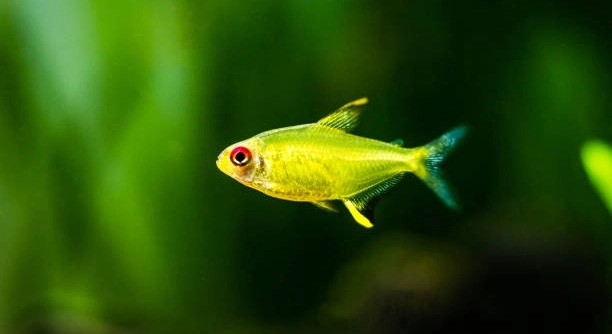
Do you enjoy keeping a lively aquarium but find yourself thinking about the best environment for your Lemon Tetras? These small, colorful fish have specific needs that can affect their behavior and overall health in subtle ways.
Lemon Tetras generally prefer a fine, natural substrate such as sand over gravel. Sand provides a softer surface that reduces stress, supports natural foraging behaviors, and helps maintain water quality by preventing debris from accumulating in gaps.
Knowing the right substrate can make a big difference in your fish’s comfort and well-being. Proper choices ensure they thrive and display their best colors naturally.
Choosing Between Sand and Gravel
When setting up a tank for Lemon Tetras, the substrate plays an important role in their comfort and behavior. Sand mimics their natural environment, allowing them to forage gently without injuring their delicate fins or bellies. Gravel can trap uneaten food and waste between the stones, creating pockets that are harder to clean and may affect water quality over time. Sand is easier to shape for planting live plants, giving your tank a natural appearance and providing hiding spaces for shy fish. It also allows the tetras to swim close to the bottom without the risk of scraping themselves. Many aquarists notice that fish are more active and display brighter colors when placed on sand. Choosing the right substrate is not just about looks—it supports their health, reduces stress, and encourages natural behaviors, which leads to a more balanced and visually appealing aquarium.
Sand offers a safer and cleaner base for Lemon Tetras, reducing maintenance and keeping them healthier in the long term.
Gravel can be attractive, but sand provides a more natural feel and allows for better plant rooting. Lemon Tetras can explore freely without injuring themselves. Choosing sand simplifies cleaning and helps maintain stable water conditions, which supports a thriving tank. When paired with live plants and gentle filtration, sand allows the tetras to interact naturally with their environment. Over time, this substrate choice can improve their overall activity, coloration, and social behaviors. While gravel may work in some setups, sand is the more practical and beneficial option for creating a stress-free and visually cohesive habitat for Lemon Tetras. The smoother surface also allows for easier observation of waste and uneaten food, making tank maintenance straightforward. This results in a healthier ecosystem for your fish while keeping the aquarium aesthetically pleasing.
Maintaining the Substrate
Sand requires careful maintenance to prevent compacting and anaerobic spots. Regular gentle stirring and vacuuming keep it clean and oxygenated.
Cleaning sand carefully prevents trapped debris from affecting water quality. Using a siphon gently ensures a clean tank without disturbing the fish too much.
Over time, uneaten food, fish waste, and decaying plant matter can settle into the sand, creating unhealthy conditions. Regular maintenance involves lightly vacuuming the top layer to remove debris while leaving the beneficial microorganisms intact. Stirring the sand occasionally prevents compacted areas that could reduce oxygen flow and cause harmful bacteria to grow. Monitoring water parameters ensures that ammonia, nitrite, and nitrate levels remain safe. Adding slow-growing plants can help absorb excess nutrients and anchor the sand, preventing it from shifting too much during cleaning. With proper attention, sand can remain a clean, safe substrate that supports healthy Lemon Tetra behavior and vibrant tank aesthetics. A well-maintained substrate not only benefits the fish but also makes the aquarium easier to manage and enjoy.
Substrate Depth and Layering
A shallow layer of sand, about one to two inches, is ideal for Lemon Tetras. Too deep can trap waste and cause anaerobic spots, while too shallow may not support plant roots or allow natural foraging behaviors.
Maintaining the right sand depth helps balance cleanliness and natural behavior. A one- to two-inch layer allows the fish to explore and forage safely without disturbing the entire tank. Live plants anchor better in this depth, providing hiding spots and reducing stress. It also ensures debris does not accumulate in hard-to-reach areas, simplifying maintenance. Carefully layering sand with a slight slope can enhance the tank’s appearance while giving the fish areas to explore. This depth supports oxygenation, prevents compacting, and creates a healthier environment overall.
Layering sand with a fine substrate on top of a nutrient-rich base can benefit plant growth. It allows plants to root effectively without mixing with debris. Lemon Tetras can forage naturally while the underlying substrate provides necessary nutrients. This method ensures a clean, visually appealing aquarium while supporting both flora and fauna. By keeping layers distinct, maintenance becomes easier, and water quality remains stable. It creates a balanced ecosystem where fish can thrive and plants grow steadily, giving the tank a natural, healthy look.
Compatibility With Tank Decorations
Sand is easier to shape around decorations, giving a natural appearance without sharp edges that could injure fish.
Carefully placing rocks, driftwood, or plants on sand prevents damage to delicate fins and keeps the tank organized.
Sand allows you to arrange decorations naturally, letting Lemon Tetras swim freely without scraping against rough gravel surfaces. Smooth stones and driftwood sit securely, reducing the risk of collapse or debris buildup. Planting live plants in sand is simpler, with roots anchoring safely while fish interact with their surroundings naturally. Decorations combined with sand provide hiding spaces, which reduces stress and encourages natural schooling behavior. Sand conforms around ornament bases, preventing gaps where debris could accumulate. This substrate supports both aesthetics and practicality, making the tank safer and more enjoyable for the fish while keeping maintenance manageable.
Cleaning and Maintenance Tips
Sand is easier to clean with a gentle siphon, preventing debris buildup. Overly aggressive cleaning can disturb beneficial bacteria and harm plants.
Rinsing decorations separately and lightly stirring the sand keeps the substrate healthy. This approach maintains water quality and supports natural fish behavior.
Avoiding Common Mistakes
Using too deep a sand layer can create compacted zones, limiting oxygen flow and promoting harmful bacteria. Light, even layers prevent these issues while still allowing plants to root and fish to forage naturally.
Mixing Substrate Types
Some aquarists mix fine gravel with sand to improve aesthetics, but pure sand is safer for Lemon Tetras. Fine sand reduces risk of injury and allows better natural behaviors, while mixed substrates can trap debris and complicate cleaning routines.
Monitoring Water Quality
Regular testing ensures ammonia, nitrite, and nitrate levels remain safe. Proper substrate maintenance directly affects these levels, supporting a healthy environment for Lemon Tetras.
FAQ
Do Lemon Tetras prefer sand or gravel?
Lemon Tetras generally do better on sand. Sand is soft and safe for their fins and bellies, allowing natural foraging behavior without risk of injury. Gravel can trap waste and uneaten food, creating areas that are harder to clean and potentially impacting water quality. Sand also supports live plants more effectively and helps the tank appear natural while reducing stress for the fish.
How deep should I lay sand in the tank?
A one- to two-inch layer is ideal. Too shallow, and plants cannot root properly. Too deep, and debris may get trapped, causing anaerobic zones that affect water quality. Maintaining this depth allows Lemon Tetras to explore naturally while keeping the substrate healthy and easier to maintain.
Can I mix sand and gravel for Lemon Tetras?
While some aquarists mix substrates for appearance, pure sand is safer. Mixing can trap waste in the gaps between gravel and sand, making cleaning more difficult. Sand alone supports natural fish behavior, reduces risk of injury, and allows plants to anchor securely. Mixed substrates can also shift more during cleaning, which may stress the fish.
Do Lemon Tetras dig in the substrate?
Yes, they naturally forage near the bottom. Sand allows them to sift gently while gravel may scratch their bellies or fins. Proper substrate depth and texture let them explore safely, which reduces stress and encourages natural schooling and feeding behaviors.
How often should I clean the sand?
Light cleaning once a week is usually enough. Use a gentle siphon to remove debris without disturbing beneficial bacteria. Stirring the sand occasionally prevents compacted areas and maintains oxygen flow. Avoid deep vacuuming that removes too much of the sand or plant roots.
Can sand affect water parameters?
Yes, the type of sand can influence pH and hardness depending on its composition. Most aquarium sand is inert, but some mineral-rich sand may slightly alter water chemistry. Testing water regularly helps ensure conditions stay stable for Lemon Tetras.
Is it okay to plant live plants in sand?
Absolutely. Sand is ideal for planting because roots can anchor well. Nutrient-rich substrates under the sand layer can support plant growth, while the top layer allows fish to forage naturally. This setup creates a balanced, healthy environment.
Will sand make maintenance harder than gravel?
Not necessarily. While sand can compact over time, light weekly cleaning keeps it in good condition. Sand also prevents waste from sinking deep between stones, making water easier to maintain. Using fine sand helps debris stay near the surface for easy removal.
Can Lemon Tetras hurt themselves on gravel?
Yes, especially if it is coarse or sharp. Gravel can scratch their fins or bellies, causing stress or infections. Sand eliminates this risk while letting them swim and forage freely, making it a safer choice for these delicate fish.
Should I use a special filter with sand?
Standard aquarium filters work well, but ensure the flow is gentle to avoid disturbing the sand too much. Strong currents can lift sand particles, making the water cloudy. Gentle filtration keeps the substrate in place while maintaining water quality.
Does substrate choice affect breeding?
Yes, Lemon Tetras prefer softer surfaces for spawning. Sand provides a gentle area for eggs to settle, whereas gravel may be too harsh. Providing fine sand encourages natural spawning behavior while keeping eggs safe from damage.
Can I switch from gravel to sand?
Switching is possible but requires care. Gradually removing gravel and adding sand in sections helps avoid stressing the fish. Monitor water parameters closely, as substrate changes can temporarily affect cleanliness and chemistry. A slow transition ensures Lemon Tetras adapt safely.
How do decorations affect sand?
Sand easily molds around rocks and driftwood, keeping the tank tidy. Smooth surfaces reduce debris accumulation. Proper placement also prevents gaps where food or waste could settle, maintaining cleaner water and safer conditions for Lemon Tetras.
Does sand help with fish coloration?
Yes, a natural sand substrate can enhance Lemon Tetra colors. Fish are less stressed on soft sand, which encourages more vibrant and consistent coloration. Stressful or harsh substrates can dull their appearance over time.
Can I use colored sand?
Colored sand is safe if it is aquarium-grade and inert. Avoid dyed sand that may release chemicals. Natural-looking sand often provides a better environment for Lemon Tetras, supporting natural behaviors and blending well with live plants.
How long does sand last in a tank?
With proper care, sand can last many years. Regular maintenance, gentle cleaning, and monitoring water quality keep it in good condition. Unlike gravel, sand does not need to be replaced unless contaminated or overly compacted.
Is sand better for small fish in general?
For small, delicate fish like Lemon Tetras, sand is generally safer. It reduces injury risk, supports natural behaviors, and keeps the tank cleaner by preventing waste from settling deep into the substrate. Small fish can swim and forage freely on sand.
What’s the best way to prepare sand for a new tank?
Rinse thoroughly before adding to remove dust and debris. Optional boiling or soaking can sterilize it, but most aquarium-grade sand is ready to use after rinsing. Layer it evenly to the recommended depth and add decorations and plants carefully.
Do I need to worry about compacting sand?
Yes, occasional stirring prevents compacted zones, which could affect oxygen flow and water quality. Light cleaning and rearranging plants or decorations helps maintain a healthy substrate structure, supporting Lemon Tetra activity and overall tank balance.
Can sand affect filtration efficiency?
Properly maintained sand generally does not affect filtration. Gentle siphoning removes debris without disturbing beneficial bacteria. Strong water currents may cloud water temporarily, but fine sand settles quickly, keeping the system stable and supporting healthy Lemon Tetra behavior.
Will sand affect aquarium lighting?
Sand reflects light softly, enhancing fish colors and plant growth. It does not interfere with lighting systems but can make the tank appear brighter and more natural. Careful placement of decorations and plants ensures even light distribution for optimal tank health.
How do I prevent algae buildup on sand?
Regular cleaning, proper lighting, and healthy plant growth help prevent algae. Avoid overfeeding and remove debris promptly. Sand can host small beneficial microorganisms that compete with algae, keeping the substrate cleaner naturally.
Is sand suitable for all types of Lemon Tetra tanks?
Yes, sand works well for small to medium tanks, planted setups, and community tanks. It provides a safe base, supports natural behavior, and integrates smoothly with decorations. Adjust cleaning routines based on tank size and stocking density to maintain water quality.
Can sand help reduce stress in Lemon Tetras?
Yes, soft sand reduces injury risk and allows natural foraging, which lowers stress levels. Stress-free fish display better coloration, are more active, and have stronger immune systems, making sand an excellent choice for overall well-being.
Does sand make it harder to see waste?
Not if maintained properly. Light-colored sand makes debris visible on the surface, making it easier to remove. Gentle siphoning keeps the substrate clean without disturbing fish or plant roots, maintaining water quality effectively.
Are there any drawbacks to sand?
The main consideration is compacting and the need for gentle cleaning. It may cloud water temporarily if disturbed. Proper care, light cleaning, and monitoring prevent most issues, making sand a reliable and safe substrate for Lemon Tetras.
Can I combine sand with other tank features for better results?
Yes, pairing sand with smooth rocks, driftwood, and live plants creates a safe, natural, and visually pleasing environment. This combination enhances Lemon Tetra behavior, supports plant growth, and simplifies maintenance while keeping the tank attractive and functional.
Is sand more expensive than gravel?
Generally, sand can cost slightly more than gravel, but the benefits for Lemon Tetras justify the price. Reduced injuries, better foraging, easier planting, and simpler maintenance make it a worthwhile investment for a healthy, vibrant tank.
Does substrate choice affect filtration frequency?
Yes, sand can reduce trapped debris compared to gravel, slightly lowering the need for intensive cleaning. Routine siphoning and monitoring keep water quality stable, and proper filtration maintains a healthy environment without excessive effort.
How does sand influence plant health?
Sand allows roots to anchor properly and supports nutrient-rich underlayers. Healthy plants thrive, contributing to cleaner water and a more natural habitat for Lemon Tetras. Strong root systems also prevent erosion and maintain substrate stability.
Can Lemon Tetras adapt if I switch to sand later?
Yes, if the transition is gradual. Remove old gravel in sections while adding sand slowly. Monitor water quality and fish behavior during the process. Most Lemon Tetras adapt quickly and enjoy the softer, safer substrate.
What is the best sand grain size for Lemon Tetras?
Fine to medium-grain sand is ideal. It allows for natural sifting and rooting without injuring the fish. Coarse sand or crushed coral may be too harsh and should be avoided to prevent stress or damage.
Does sand impact tank aesthetics?
Yes, sand creates a natural, clean look and highlights colors of fish and plants. It molds easily around decorations, allowing for a visually pleasing and organized tank layout while maintaining practicality for maintenance.
How do I prevent sand from clouding water?
Rinse thoroughly before use and avoid strong currents. Light stirring or siphoning may cause temporary cloudiness, but particles settle quickly. Using a gentle filter flow keeps water clear while maintaining substrate health.
Is sand suitable for breeding Lemon Tetras?
Yes, soft sand encourages spawning and protects eggs. It provides a gentle surface, mimicking natural conditions, and supports natural breeding behaviors without risk of injury to delicate eggs or fry.
Can sand harbor harmful bacteria?
Properly maintained sand supports beneficial bacteria rather than harmful ones. Occasional stirring and light cleaning prevent anaerobic spots where harmful bacteria could grow, ensuring a healthy environment for Lemon Tetras.
How do I choose the right sand for my tank?
Select aquarium-grade, inert sand with fine to medium grains. Avoid sharp, dyed, or chemically treated sand. Rinse thoroughly before adding it to the tank to remove dust and ensure a safe, natural environment.
Does sand affect feeding behavior?
Yes, soft sand allows Lemon Tetras to forage naturally, gently sifting through the substrate for food. This encourages activity and natural behavior, reducing stress and improving overall health.
Can I use sand with a heavily planted tank?
Yes, sand works well with plants. Nutrient-rich underlayers support root growth, while the top sand layer allows Lemon Tetras to forage without disturbing plant roots. Regular cleaning keeps both plants and fish healthy.
Does sand require special care for community tanks?
Not necessarily. Sand is suitable for community setups as long as cleaning is gentle and water quality is monitored. It is safe for most small, delicate fish while supporting natural behavior and reducing injury risk.
How does sand affect water hardness?
Most inert aquarium sand does not significantly affect hardness. Mineral-based sand can slightly alter pH or hardness, so monitoring water parameters is important. Choose sand suited to your tank’s specific needs.
Can sand support algae-eating fish?
Yes, algae-eating species can graze on surfaces without damaging soft sand. Smooth sand surfaces reduce algae buildup in crevices, making cleaning easier and maintaining healthier water conditions for all tank inhabitants.
Is sand better for small or delicate fish than gravel?
Yes, small and delicate fish benefit from sand because it reduces injury risk, supports natural foraging, and allows more active and stress-free swimming compared to coarse or sharp gravel surfaces.
How do I prevent compaction in sand tanks?
Occasional light stirring and careful siphoning prevent compaction. Avoid adding excessively deep layers, and ensure water flow reaches all areas. This keeps oxygen levels stable and supports a healthy environment for Lemon Tetras.
Can sand enhance the overall tank ecosystem?
Yes, sand supports natural fish behavior, anchors plants, and hosts beneficial microorganisms. Combined, these factors create a balanced, healthy, and visually appealing aquarium that promotes active and vibrant Lemon Tetras.
How often should sand be replaced?
With proper care, sand rarely needs replacement. Only remove it if contaminated or heavily compacted. Regular cleaning and monitoring water quality ensure it remains safe and functional for years.
Does sand affect the tank’s temperature stability?
Sand has minimal effect on temperature but provides a stable base for plants and decorations. Its natural color can slightly reflect light, contributing to even heating, and supports a consistent environment for Lemon Tetras.
Can sand prevent fish from hiding too much?
Yes, sand allows Lemon Tetras to forage and swim openly while still providing areas for shelter with plants and decorations. This encourages natural schooling and reduces excessive hiding behavior.
Is sand easier to maintain than gravel for small tanks?
Yes, fine sand traps less debris deep in the substrate, making cleaning easier. Weekly siphoning and light stirring keep small tanks clean and safe without excessive effort.
Can sand cause cloudy water in new setups?
Rinsing thoroughly before use minimizes cloudiness. Light sediment may appear initially but settles quickly. Gentle filtration keeps water clear while supporting healthy fish and plants.
Does sand support microfauna beneficial for the tank?
Yes, sand hosts microorganisms that aid nutrient cycling and contribute to a stable ecosystem. This enhances water quality and supports natural behavior in Lemon Tetras.
What are the key benefits of using sand for Lemon Tetras?
Soft substrate, natural foraging, reduced injury risk, plant support, easier cleaning, better coloration, stress reduction, and healthier fish behavior make sand the optimal choice. Proper care ensures a thriving tank environment for these delicate fish.
Are there any special tools for sand maintenance?
A gentle siphon, soft stirring tool, and occasional rinsing are sufficient. Strong tools are unnecessary and may disturb the substrate or stress the fish. Regular monitoring keeps the tank safe and clean.
How do I prevent sand from floating?
Rinsing before adding to the tank and ensuring it is dry or lightly damp prevents floating. Fine sand settles naturally, and adding water slowly helps it stay in place while maintaining clarity.
Does sand affect filtration placement?
No, standard filters work well. Keep flow gentle to avoid stirring the substrate excessively. Proper positioning ensures clean water without disturbing the sand or fish.
Is sand suitable for beginners?
Yes, with proper rinsing, light cleaning, and monitoring, sand is beginner-friendly. It simplifies maintenance compared to gravel while providing a safe, natural environment for Lemon Tetras.
Can sand improve fish activity levels?
Yes, soft sand encourages natural exploration and foraging, increasing movement and interaction among Lemon Tetras. Active fish are healthier and display brighter colors, making the aquarium more lively.
Does sand affect water clarity over time?
Properly maintained sand does not affect clarity. Gentle siphoning and monitoring prevent debris accumulation. Any temporary cloudiness settles quickly, keeping water clean and safe.
Are there health risks if sand is poorly maintained?
Yes, compacted zones or trapped debris can promote harmful bacteria and reduce oxygen flow. Regular stirring, siphoning, and monitoring prevent these issues, keeping Lemon Tetras safe.
What is the easiest way to introduce sand to an established tank?
Remove gravel gradually, add sand slowly, and monitor water parameters closely. Transition in sections to reduce stress and allow fish to adapt. Proper care ensures a smooth adjustment.
Does sand work well with live plants?
Yes, sand anchors roots, allows nutrient access, and supports healthy growth. Plants combined with sand create hiding spaces and a natural environment for Lemon Tetras, enhancing their behavior and appearance.
Can sand help reduce fish aggression?
Indirectly, yes. Safe, soft sand allows more natural schooling and exploration, reducing stress-related aggression. Proper tank layout with sand, plants, and decorations promotes harmony among Lemon Tetras.
How do I remove debris from sand without harming fish?
Use a gentle siphon on the surface layer and avoid deep vacuuming. Stir lightly to expose debris while leaving roots and beneficial bacteria intact. This keeps sand clean and safe.
Is sand better for observing Lemon Tetra behavior?
Yes, soft, light-colored sand provides clear visibility of foraging, schooling, and spawning behaviors. It allows you to monitor health and activity without disturbing the fish or substrate.
Does sand affect temperature fluctuations?
Minimal impact. It acts as a stable base, supporting decorations and plants while allowing even heating and maintaining a consistent environment for Lemon Tetras.
How do I prevent anaerobic spots in sand?
Occasional light stirring and proper depth prevent compacted, oxygen-poor zones. Regular cleaning and water monitoring ensure a healthy, aerated substrate for Lemon Tetras to explore safely.
Can sand enhance breeding success?
Yes, it provides a soft surface for eggs and fry, encouraging natural spawning behavior. Sand reduces egg damage risk and supports a safe environment for developing fry.
Is fine or coarse sand better?
Fine to medium sand is ideal. It allows natural sifting and plant rooting without injury risk. Coarse sand may harm delicate fins or interfere with foraging.
Does sand influence tank aesthetics long-term?
Yes, it maintains a natural, clean appearance while supporting plant growth. Over time, it enhances the tank’s visual appeal and highlights Lemon Tetra colors effectively.
Can sand be used in community tanks with other small fish?
Yes, it is safe for most small, delicate species. Sand reduces injury risk, supports natural behaviors, and simplifies maintenance while keeping water quality stable.
Does sand support natural schooling behavior?
Yes, soft substrate encourages exploration and group movement. Fish are less stressed, swim actively, and interact more naturally, creating a healthier and livelier aquarium environment.
How do I prevent sand from compacting under heavy decorations?
Place rocks or driftwood carefully, avoid overly deep layers, and stir lightly if needed. Proper positioning prevents compaction and maintains oxygen flow for a healthy tank.
Are there any alternatives to sand for Lemon Tetras?
Fine gravel can be used but is less ideal. It increases the risk of injury and traps debris. Sand remains the safer, more natural choice for these delicate fish.
How does sand affect nitrate levels?
Properly maintained sand allows easier removal of waste, reducing nitrate buildup. Occasional siphoning of the surface layer prevents excess nutrient accumulation, supporting water quality.
Does sand require special rinsing before use?
Yes, rinse thoroughly to remove dust and fine particles. This prevents cloudiness and ensures a clean, safe substrate for Lemon Tetras from the start.
Can sand help prevent disease?
Indirectly, yes. A clean, oxygenated substrate reduces stress and harmful bacteria growth, lowering disease risk. Proper maintenance supports overall fish health.
Is sand more visually appealing than gravel?
Many find sand more natural-looking, highlighting fish colors and decorations. Smooth surfaces create a tidy appearance while supporting plant growth and fish activity.
How do I maintain sand with heavy plant coverage?
Lightly stir and siphon around plant bases. Avoid deep vacuuming to protect roots. Proper care keeps substrate clean and supports healthy plant and fish growth.
**Can sand improve feeding efficiency
Choosing the right substrate for Lemon Tetras is an important step in creating a healthy and comfortable aquarium. Sand is generally the preferred choice because it is soft, natural, and safe for these small, delicate fish. It allows them to forage along the bottom without risk of injury, unlike gravel, which can sometimes scratch fins or bellies. A proper sand layer also supports live plants, giving roots a stable place to anchor, which helps the tank look natural and provides hiding spots for shy fish. Maintaining the right depth, typically one to two inches, ensures that the fish can explore safely while preventing compacted zones that could affect water quality. When paired with gentle filtration, sand supports a balanced environment that keeps Lemon Tetras active, healthy, and visually vibrant.
Sand also simplifies maintenance when compared with gravel. Uneaten food and fish waste tend to settle on the surface rather than getting trapped deep between stones, making it easier to clean with a gentle siphon. Stirring the sand lightly during routine cleaning prevents compacting and maintains oxygen flow, which is important for both the substrate and beneficial microorganisms living in it. These microorganisms help break down waste, contributing to a more stable and healthy tank ecosystem. By paying attention to these simple maintenance steps, you can reduce stress on your fish and encourage natural behaviors, such as schooling, exploring, and foraging, which are important for their overall well-being. Properly maintained sand also makes it easier to observe changes in fish health or water quality, giving you the ability to address problems early.
Finally, sand contributes to the overall aesthetics and functionality of the aquarium. It molds naturally around decorations, rocks, and driftwood, creating a tidy, visually appealing layout without sharp edges that could harm the fish. A smooth, natural substrate enhances the colors of Lemon Tetras, making them appear more vibrant. Sand also supports breeding behavior by providing a soft surface for eggs and fry, allowing fish to reproduce safely. While it requires some attention to cleaning and water monitoring, the benefits for both fish health and tank appearance are significant. Choosing sand creates a safer, more natural environment that encourages healthy behaviors, supports plant growth, and ensures that your Lemon Tetras can thrive comfortably in a well-maintained home aquarium.

Hello,
If you enjoy the content that we create, please consider saying a "Thank You!" by leaving a tip.
Every little bit helps us continue crafting quality advice that supports the health, happiness, and well-being of pets around the world, for pets of all shapes, sizes, and species.
We really appreciate the kindness and support that you show us!