
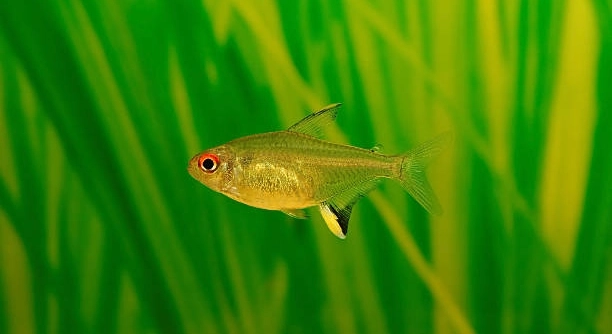
Do you ever find yourself watching your lemon tetra swim together but feel unsure if they are truly comfortable with each other? Observing their movements and interactions can help you understand their social dynamics and overall well-being.
Lemon tetra compatibility is reflected through schooling behavior, minimal aggression, and consistent swimming patterns. Fish that get along will swim in groups harmoniously, avoid chasing or nipping, and maintain steady positions within the tank, indicating a stable social structure.
Noticing subtle interactions can reveal much about their relationships and help maintain a peaceful aquarium environment for all your fish.
Understanding Schooling Behavior
Lemon tetras are naturally schooling fish, which means they feel safer and more comfortable when swimming in groups. Observing them closely can reveal a lot about their interactions. A healthy school moves together smoothly, changing direction at nearly the same time. If a fish separates frequently or seems isolated, it may be stressed or not fitting well with the group. Differences in swimming speed or position can indicate a dominance issue or mild aggression. Proper tank setup also influences schooling. Plants, open swimming spaces, and hiding spots encourage balanced social behavior. By providing the right environment, you can help your tetras maintain harmony and reduce tension. Regularly monitoring their patterns lets you notice small problems before they escalate. Over time, consistent observation helps you understand each fish’s personality and the group dynamic. Even minor changes in movement can signal a need for adjustment, whether in water conditions, tankmates, or feeding routines.
Healthy schooling is easy to spot when fish maintain a synchronized, calm group, moving together without chasing or isolating themselves.
Noticing how lemon tetras respond to each other while swimming can help you ensure a peaceful environment. Smooth coordination, proper spacing, and shared activity patterns indicate a stable group, and it becomes easier to manage the tank when these behaviors are consistent.
Signs of Aggression
Aggression among lemon tetras is usually subtle, appearing as chasing, nipping, or sudden darting.
Even mild aggression can stress other fish and affect their health. Look for repeated attacks on the same individual or fish hiding excessively. Stress can reduce appetite, weaken the immune system, and make fish more vulnerable to disease. Aggressive behaviors often arise from overcrowding, lack of hiding spots, or incompatible tankmates. Sometimes, adding more plants or rearranging decorations can help diffuse tension. Observing interactions at feeding time is also helpful because competition can increase aggression. Providing a balanced diet and multiple feeding points reduces conflict over food. If aggression persists, separating the aggressive fish or adding more individuals to disperse targeting may be necessary. Understanding individual personalities in your school allows you to anticipate conflicts and create a safer, calmer environment. Proper care, attention, and observation ensure that lemon tetras coexist with minimal stress and maintain healthy social dynamics over time.
Tank Environment and Its Impact
A well-organized tank encourages harmony among lemon tetras. Plants, open swimming areas, and hiding spots reduce stress and prevent conflicts. Overcrowding or poor layout often leads to aggression or social imbalance, so maintaining proper space is essential.
Proper water conditions are crucial for keeping lemon tetras comfortable. They thrive in slightly acidic to neutral water with stable temperature and clean filtration. Uneven lighting, sudden temperature changes, or poor water quality can increase stress and trigger unusual behaviors. Decorations should allow swimming freedom while offering hiding places. Observing how the fish use these spaces reveals social comfort. A balanced environment helps tetras interact naturally, reducing tension and promoting consistent schooling. Even minor adjustments in layout can make a noticeable difference in fish behavior and group stability, ensuring each fish feels secure and confident in its territory.
The size of the tank also plays a role. Smaller tanks limit movement and increase stress, while larger tanks provide more room to explore and interact. Hiding spaces allow shy or new fish to feel safe, reducing the risk of bullying. A varied environment keeps the fish active and engaged.
Feeding Behavior and Group Harmony
Feeding routines affect how lemon tetras relate to each other. Consistent schedules and multiple feeding points prevent dominance disputes over food, keeping the school calm and organized.
Feeding together encourages social bonding but also exposes potential issues in the group. Aggressive individuals may chase others away from food, while timid fish might miss meals, affecting their health. Providing small portions across different tank areas allows all fish to eat without conflict. Observing feeding behavior helps identify stress or aggression early. Nutritionally balanced food ensures each fish gets enough energy, supporting growth, color, and immune function. Over time, consistent feeding routines reinforce group stability and predictable social interactions, making the aquarium more peaceful and easier to manage.
Even the type of food influences behavior. Fast-moving foods may excite more active fish, causing them to chase others, while slower foods give all fish a fair chance to feed. Rotating food types keeps the fish engaged and reduces competition.
Recognizing Stress Signs
Lemon tetras show stress through hiding, erratic swimming, or faded colors. Frequent separation from the group often indicates discomfort or conflict within the school.
Other signs include loss of appetite, rubbing against objects, or sluggish movement. Monitoring these behaviors helps catch problems early, ensuring timely intervention.
Interactions During Rest
Resting behavior can reveal social comfort. Fish that sleep close together or maintain calm positions generally feel secure. Those that isolate or dart awake frequently may be uneasy, signaling tension or environmental issues that need attention.
Adjusting Tankmates
Adding or removing fish can change group dynamics. Choosing compatible species and avoiding overly aggressive individuals helps maintain peace. Proper introductions reduce stress and prevent long-term conflicts, keeping lemon tetras balanced.
Monitoring Long-Term Behavior
Keeping a consistent log of interactions helps track patterns. Observing over weeks shows how fish adapt, revealing persistent issues or improvements in social harmony.
FAQ
How can I tell if my lemon tetras are schooling properly?
Lemon tetras school naturally, so a well-coordinated group is a good sign. They should swim together in the same direction, maintain similar spacing, and respond to each other’s movements. If one or two fish consistently separate, it may indicate stress, illness, or social imbalance. Watching them over time helps identify normal versus unusual patterns.
What are the main signs of aggression in lemon tetras?
Aggression is often subtle. Look for chasing, nipping, or sudden darting toward others. Repeated targeting of a single fish, frequent hiding, or flared fins can signal dominance issues. Even minor aggression affects stress levels and overall health, so adjustments to tank layout, hiding spots, or group size may be necessary.
Do lemon tetras need a specific tank size to get along?
Yes, tank size plays a big role in social harmony. A small tank limits swimming space, increasing stress and potential conflict. Larger tanks allow more room to move, explore, and establish personal zones. Providing open swimming areas combined with plants or decorations for hiding promotes a peaceful, balanced group.
How does water quality affect their behavior?
Poor water conditions cause stress and can trigger unusual or aggressive behavior. Lemon tetras prefer slightly acidic to neutral water with stable temperature. Regular testing, water changes, and proper filtration help maintain optimal conditions. Fish that feel secure in their environment interact more naturally and maintain consistent schooling behavior.
Can feeding routines impact how well lemon tetras get along?
Yes, feeding routines influence group dynamics. Providing food in multiple areas prevents dominant fish from chasing others away. Consistent schedules reduce competition and stress. Watching feeding behavior also helps identify shy or weaker fish that may be struggling to eat, allowing timely adjustments to ensure everyone receives proper nutrition.
What should I do if one fish is consistently isolated?
Isolation often indicates stress, illness, or social tension. Check water quality, tank layout, and food distribution. Ensure the fish is not being bullied and has access to hiding spots. If problems persist, separating the fish temporarily or reassessing tankmates may be necessary to restore harmony.
How can I tell if my lemon tetras are stressed?
Stress shows through erratic swimming, hiding, faded colors, or reduced appetite. Rubbing against objects or sluggish movement are other signs. Monitoring behavior daily helps catch stress early, allowing adjustments in tank conditions, social groupings, or feeding routines to support health and stability.
Do tank decorations affect social interactions?
Yes, decorations influence behavior. Plants and hiding spots allow shy fish to feel safe and reduce aggression. Open spaces provide room for schooling. Rearranging or adding decorations can redirect dominant behaviors and promote calmer interactions. Observing how fish use these areas reveals comfort levels within the group.
How long does it take for lemon tetras to settle in a new tank?
Adjustment time varies depending on tank size, number of fish, and environment setup. Typically, a few days to a couple of weeks are needed for stable schooling and social patterns. Providing hiding spots and maintaining stable water conditions helps fish adapt quickly and reduces stress during the transition.
Are there signs that indicate permanent social problems?
Persistent bullying, repeated isolation, or inability to maintain schooling after environmental adjustments suggests long-term social issues. In such cases, reconsidering group size, tankmates, or even separating aggressive individuals may be necessary. Careful observation over time helps prevent chronic stress and ensures healthier, happier fish.
Can introducing new tankmates disrupt harmony?
Yes, new fish can temporarily unsettle the group. Introduce newcomers gradually, preferably in separate sections or with barriers. Monitor interactions closely, and ensure hiding spots are available. Over time, most lemon tetras adjust, but careful introduction minimizes stress and helps maintain a peaceful social structure.
How do I maintain long-term harmony in a lemon tetra group?
Consistent observation, proper tank conditions, balanced feeding, and thoughtful group management are key. Adjust tank size, decorations, or the number of fish as needed. Keeping a log of behaviors helps track patterns and catch issues early. Long-term care ensures social stability, healthy interactions, and a calmer, more enjoyable aquarium environment.
Is it normal for lemon tetras to have minor disputes?
Yes, minor disputes occasionally occur, especially during feeding or territory adjustments. As long as chasing or nipping is brief and no fish is injured, it is generally harmless. Maintaining adequate space, food distribution, and hiding areas keeps these conflicts minimal and prevents escalation.
Can lighting affect their interactions?
Lighting influences comfort and stress levels. Too bright or inconsistent light can increase hiding and erratic movements, while steady, moderate lighting encourages natural behavior. Observing responses to different lighting conditions can help optimize the tank environment for social stability.
How important is observing daily behavior?
Daily observation is crucial. Small changes often indicate health, stress, or social issues before they become serious. Recording behaviors, noticing patterns, and responding promptly ensures your lemon tetras remain healthy, peaceful, and interacting normally within their school.
Lemon tetras are small, delicate fish that thrive in calm, organized groups. Watching them swim together reveals a lot about their comfort level and overall health. When they school closely, move in harmony, and interact without chasing or nipping, it indicates a stable and peaceful environment. Their behavior can be subtle, so careful observation over time is important. Minor changes in swimming patterns, social interactions, or hiding tendencies often provide early signs of stress or imbalance. Understanding these patterns helps in creating a supportive habitat that encourages natural behavior. Providing an environment that meets their needs ensures that each fish feels secure and confident in its space.
Tank setup plays a significant role in maintaining harmony among lemon tetras. Open swimming areas, plants, and hiding spots allow fish to express normal behaviors while reducing tension in the group. A crowded or poorly arranged tank often leads to conflicts, while a thoughtfully organized environment promotes calm schooling and balanced social interactions. Water quality, temperature, and consistent feeding routines also impact behavior. Fish that are stressed by poor conditions may show aggression, fade in color, or separate from the group. Keeping water clean, providing sufficient space, and maintaining stable conditions help prevent these issues and allow tetras to display healthy, natural behaviors. Adjustments in the tank, even small ones, can make a noticeable difference in how comfortable and secure the fish feel.
Paying attention to interactions and responding promptly to any signs of stress ensures the long-term well-being of lemon tetras. Minor disputes may happen, but persistent aggression or isolation should be addressed through careful observation, environmental changes, or adjustments in group composition. Feeding routines, proper tank size, and careful selection of tankmates help maintain peace and reduce stress. Over time, observing daily behavior builds a clear understanding of each fish’s personality and the group dynamic, making it easier to anticipate issues and maintain stability. By focusing on water quality, space, hiding spots, and balanced feeding, you can create an environment where lemon tetras thrive together. Consistent care and attention allow them to school naturally, interact safely, and display the behaviors that indicate they are comfortable and happy in their habitat.

Hello,
If you enjoy the content that we create, please consider saying a "Thank You!" by leaving a tip.
Every little bit helps us continue crafting quality advice that supports the health, happiness, and well-being of pets around the world, for pets of all shapes, sizes, and species.
We really appreciate the kindness and support that you show us!