
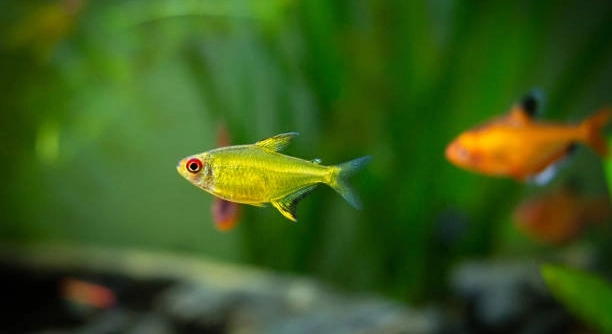
Lemon tetras are small, vibrant fish that brighten up any freshwater aquarium. Many owners enjoy their lively behavior, but keeping them healthy can sometimes feel tricky, especially when common issues appear in their environment or diet.
The main solutions for common lemon tetra problems involve monitoring water quality, maintaining a balanced diet, controlling tank temperature, reducing stress, preventing disease, correcting swimming or color issues, and ensuring proper tank mates. Each approach supports their overall health and longevity.
Learning these simple fixes can make a big difference for your aquarium. Implementing small changes helps keep your lemon tetras thriving and active every day.
Water Quality Issues
Lemon tetras are very sensitive to water conditions. Poor water quality can lead to stress, faded colors, and illness. It’s important to regularly test for ammonia, nitrite, and nitrate levels. Performing partial water changes at least once a week helps remove waste and keeps the water balanced. Temperature should be kept steady between 72 and 78°F, as sudden changes can shock your fish. Avoid overfeeding, since leftover food can pollute the tank. Using a good filter and cleaning it on schedule will help maintain clear, safe water. Observing your tetras daily will let you notice unusual behavior early. Bright colors, active swimming, and proper schooling indicate healthy water conditions. Adding live plants can naturally help absorb toxins and reduce stress. Small steps like regular testing, partial water changes, and careful feeding make a noticeable difference in their health, keeping your lemon tetras active and vibrant for longer periods.
Monitoring water quality with frequent tests and partial water changes ensures a stable environment that supports lemon tetras’ health. Consistency prevents stress and disease effectively.
Keeping water parameters stable is key. Even minor fluctuations in pH or temperature can cause stress. Consistent cleaning, proper filtration, and routine observation help your tetras thrive. Overfeeding or ignoring tank maintenance can quickly lead to issues, but small, steady habits create a healthy environment. Regular checks and proper care make the fish more resilient, maintaining their bright colors and lively behavior. Paying attention to these factors early helps prevent bigger problems and reduces the need for medication. A well-kept tank is not just cleaner—it directly improves the health and lifespan of your lemon tetras. Establishing a routine for water changes, filter cleaning, and monitoring ensures your aquarium stays balanced, making it easier to enjoy your fish without constant worry.
Diet and Feeding Problems
Feeding lemon tetras too much or too little can harm their health. A balanced diet keeps them colorful and energetic. Small, frequent feedings work best, avoiding leftover food that pollutes water.
Lemon tetras need a varied diet of flakes, pellets, and occasional live or frozen foods. Overfeeding can cause bloating, poor water quality, and stress. Underfeeding leads to weak fish and dull colors. Observing how much your tetras eat in a few minutes helps prevent waste. Mixing different food types ensures proper nutrition, supporting growth and immune function. Some tetras may prefer certain foods, so offering variety keeps all fish healthy. Freeze-dried or frozen foods like brine shrimp or daphnia are excellent supplements. Remove uneaten food promptly to avoid water contamination. Rotating protein-rich foods with high-quality flakes balances nutrition. Diet adjustments can also correct minor health issues like slow growth or pale coloring. Proper feeding habits, combined with regular water checks, create a strong foundation for healthy, active lemon tetras. Consistent feeding practices prevent illness, support vitality, and make the fish more resilient to environmental changes.
Stress and Aggression
Stress in lemon tetras often comes from overcrowding, sudden changes, or aggressive tank mates. Keeping a peaceful community and proper group sizes reduces conflict. Stress can make them hide, lose color, or get sick, so maintaining a calm environment is key.
Overcrowding or mixing them with aggressive fish causes frequent chasing and fin nipping. Lemon tetras do best in schools of six or more to feel secure. Hiding spots and plants help reduce stress by giving them places to retreat. Avoid sudden changes in lighting, temperature, or decorations, as tetras are sensitive to abrupt disruptions. Consistent tank maintenance and a stable environment keep aggression low and maintain healthy behavior. By observing interactions, you can spot tension early and separate problematic fish if necessary, preserving harmony in the tank.
Stress weakens their immune system, making disease more likely. Small adjustments, like rearranging decorations or adding gentle companions, often restore balance. Consistent water quality and a proper diet further reduce stress. Regular monitoring of behavior ensures problems are addressed quickly. Active swimming, normal schooling, and bright colors indicate stress-free fish.
Disease Prevention
Lemon tetras are prone to common freshwater diseases like ich or fin rot. Quarantining new fish before adding them prevents spreading infections. Observing your fish daily helps spot early signs, so treatment can start quickly.
Good water quality and stable temperature are critical for disease prevention. Overcrowding, poor filtration, and leftover food increase bacteria and parasite risks. Vaccinating new fish is not an option, but quarantine tanks give time to monitor for illness. Removing sick fish promptly protects the rest of the community. Feeding high-quality food supports immunity, while plants provide natural filtration. Regular water testing, partial changes, and proper tank hygiene are essential steps.
Early treatment improves recovery chances. Mild medications, temperature adjustments, and salt baths are effective for common illnesses. Keeping stress low and nutrition high prevents recurring problems. Observing color, fins, and behavior daily allows quick detection. Prevention is easier than treatment, so a routine of cleaning, monitoring, and careful introductions is key to long-term fish health.
Swimming and Positioning Problems
Lemon tetras that swim erratically or float near the surface often face swim bladder or stress issues. Maintaining clean water and proper diet helps prevent these problems. Observation and small adjustments can quickly restore normal swimming patterns.
Uneven swimming can also result from overfeeding, constipation, or sudden temperature changes. Feeding smaller portions and adjusting water parameters often corrects the issue. Providing a calm environment and ensuring proper tank mates supports recovery.
Color Fading
Faded colors in lemon tetras usually indicate stress, poor diet, or illness. High-quality food and stable water conditions are essential to restore vibrancy. Avoid overcrowding and provide hiding spaces to reduce stress. Consistent care brings back their bright yellow and silver hues.
Tank Mates
Choosing compatible tank mates prevents aggression and stress. Peaceful community fish that share similar size and temperament work best. Avoid larger, aggressive fish that may nip fins or chase tetras. Proper planning reduces conflicts and keeps all fish safe and active.
Temperature Fluctuations
Sudden or frequent temperature changes can stress lemon tetras, affecting appetite, immunity, and activity. Using a reliable heater and monitoring water temperature consistently maintains a stable environment, helping fish stay healthy and vibrant.
FAQ
How often should I change the water in my lemon tetra tank?
Regular water changes are essential to maintain a healthy environment. A 20-30% water change once a week is usually sufficient for a standard community tank. Larger tanks may need less frequent changes, but testing water quality helps determine the right schedule. Removing uneaten food and debris during water changes also prevents ammonia and nitrate buildup. Consistency is key—sudden large changes can stress your tetras, so gradual adjustments work best. Using a siphon to clean gravel or substrate helps maintain cleanliness while keeping beneficial bacteria intact.
What is the best diet for lemon tetras?
A balanced diet with a mix of flakes, pellets, and occasional live or frozen foods keeps lemon tetras healthy. High-quality flake or pellet food provides essential nutrients, while live foods like brine shrimp or daphnia add protein and variety. Feeding small amounts two to three times a day prevents overfeeding and reduces waste in the tank. Avoid feeding only one type of food, as this can lead to deficiencies. Removing uneaten food quickly helps maintain water quality and prevents disease. Rotating food types ensures better color, growth, and immunity.
Why are my lemon tetras hiding all the time?
Hiding is often a sign of stress or fear. Overcrowding, aggressive tank mates, or sudden changes in lighting or water can trigger hiding. Providing plants, decorations, or caves gives them a safe retreat. Monitoring water quality and ensuring a calm environment helps them feel secure. Schooling together also reduces anxiety. Sometimes, tetras may hide temporarily after introduction to a new tank. Observing their behavior over time helps distinguish normal cautiousness from health or stress issues.
How do I prevent fin nipping or aggression?
Aggression usually occurs when tetras are stressed, overcrowded, or housed with incompatible fish. Keeping a proper school of six or more lemon tetras reduces stress and establishes social balance. Avoid pairing them with larger, aggressive species. Providing hiding spots and open swimming areas minimizes conflict. Consistent water quality and proper feeding also reduce tension. Observing behavior regularly allows early intervention if aggression starts. Separating problematic fish or adjusting the environment often restores harmony quickly.
What are the signs of common diseases in lemon tetras?
Common signs include faded colors, clamped fins, rapid gill movement, white spots, frayed fins, or lethargy. Early detection is critical for treatment. Regular observation helps spot these changes before serious illness develops. Maintaining clean water and a balanced diet reduces disease risk. Quarantining new fish also prevents introducing infections. Treatment often involves temperature adjustments, medication, or salt baths depending on the illness. Preventing stress and keeping a stable environment improves recovery chances and lowers the risk of recurring problems.
Can lemon tetras live with other fish?
Yes, they thrive in peaceful community tanks with small, non-aggressive species. Compatible tank mates include rasboras, guppies, and small tetras of other types. Avoid large or territorial fish that may chase or harm them. Proper group size, hiding spots, and careful observation ensure a harmonious tank. Adding fish slowly and monitoring interactions helps prevent conflicts. A well-planned community setup keeps all fish healthy and active while reducing stress.
How can I improve the color of my lemon tetras?
Bright colors indicate health. Provide a varied diet with high-quality food, live or frozen supplements, and consistent water quality. Minimize stress through proper schooling, calm tank mates, and stable conditions. Adding plants or gentle lighting can enhance natural colors. Avoid overcrowding or aggressive companions that may cause fading. Consistent care over time restores vibrancy and maintains natural yellow and silver hues.
What is the ideal tank size for lemon tetras?
A minimum 10-gallon tank works for a small school, but 20 gallons or more is recommended for six or more tetras. Larger tanks offer stable water conditions, more swimming space, and room for plants or decorations. Proper filtration, regular maintenance, and enough space reduce stress and support healthy behavior, growth, and color.
How do I know if my tetras are stressed?
Signs include hiding, clamped fins, faded colors, erratic swimming, loss of appetite, or lethargy. Stress often comes from poor water quality, aggressive tank mates, overcrowding, or sudden changes. Adjusting water parameters, providing hiding spots, and maintaining a calm environment helps them recover. Regular monitoring of behavior ensures early intervention and better long-term health.
Can temperature changes affect lemon tetras?
Yes, sudden fluctuations can stress them, reduce appetite, and weaken their immune system. Keep water between 72-78°F and use a reliable heater. Avoid placing tanks near drafts, windows, or heaters. Consistent temperature prevents illness and maintains normal behavior, swimming patterns, and color.
How do I quarantine new fish?
Set up a separate tank for 2-4 weeks before introducing new tetras. Monitor for signs of disease and observe behavior. Quarantine prevents spreading infections to your main tank. During this time, feed a healthy diet, maintain stable water conditions, and treat any issues immediately. Proper quarantine protects the health of all fish in your aquarium.
What should I do if my tetra stops eating?
Loss of appetite can indicate stress, poor water quality, illness, or temperature issues. Check water parameters first and remove any potential stressors. Offer a variety of high-quality foods in small amounts. Observing behavior and color changes helps identify the cause. Quick action often restores normal feeding habits and prevents health decline.
How long do lemon tetras live?
With proper care, lemon tetras can live 3-5 years. Maintaining clean water, a balanced diet, stable temperature, and a stress-free environment maximizes lifespan. Regular observation for health and behavior ensures early intervention for any problems, supporting long-term well-being.
Are live plants necessary for lemon tetras?
Live plants are not required, but they improve water quality, provide hiding spots, and reduce stress. Plants can naturally absorb nitrates and create a more stable environment. They also make the tank more natural and visually appealing, supporting active and healthy fish behavior.
How many lemon tetras should I keep together?
Keep at least six together to support natural schooling behavior. Smaller groups can lead to stress, hiding, and aggressive behavior. Larger schools offer security, encourage activity, and maintain social balance. Proper group size promotes healthy interactions and reduces stress.
What is the best way to clean the tank?
Perform weekly partial water changes, remove debris, and clean the substrate carefully. Avoid harsh chemicals that harm fish. Rinse filter components in tank water to preserve beneficial bacteria. Maintaining a regular cleaning routine ensures stable water quality and healthy tetras.
How do I treat ich or fin rot?
Treatment usually involves medicated baths, adjusting water temperature, and improving water quality. Quarantine affected fish when possible to prevent spreading. Removing stressors, feeding a balanced diet, and keeping the tank clean support recovery. Early intervention improves treatment success and prevents serious damage.
Can lemon tetras breed in a community tank?
Breeding is possible but challenging in community tanks due to predation. Providing separate breeding tanks with plants or spawning mops increases success. Careful monitoring, water adjustments, and removing adults after spawning protect eggs and fry. This controlled approach encourages successful reproduction.
How do I know if my tank is too crowded?
Signs of overcrowding include aggressive behavior, hiding, rapid swimming, poor water quality, and stunted growth. Follow recommended fish-per-gallon guidelines and provide adequate filtration and swimming space. Adjust stocking gradually to reduce stress and maintain a balanced environment.
What should I do if my tetra is sick?
Isolate the fish in a quarantine tank if possible. Check water quality and observe symptoms carefully. Use appropriate medications if necessary. Maintain proper diet, stable temperature, and low-stress conditions to support recovery. Early action prevents disease from spreading and improves outcomes.
Are lemon tetras compatible with shrimp or snails?
Yes, small peaceful shrimp and snails usually coexist without problems. They help clean the tank and rarely provoke tetras. Monitor interactions at first to ensure harmony. Avoid larger or aggressive invertebrates that may stress or harm tetras.
Can I keep lemon tetras in a planted tank?
Planted tanks are ideal. They provide hiding spots, improve water quality, and create a more natural environment. Plants also reduce stress, support color vibrancy, and encourage active swimming. Proper lighting and care ensure plants thrive alongside healthy tetras.
How do I maintain proper pH levels?
Lemon tetras prefer slightly acidic to neutral water (pH 6.5-7.5). Regular testing and adjustments using safe products keep pH stable. Avoid sudden changes, which can stress fish. Consistent monitoring maintains a healthy environment and supports long-term health.
What signs indicate my tetra is healthy?
Bright colors, active swimming, normal appetite, schooling behavior, and clear eyes indicate good health. Observing behavior daily helps detect changes early. Maintaining proper water quality, diet, and a calm environment ensures continued health and vitality.
How long does it take for a sick tetra to recover?
Recovery depends on the illness, stress levels, and care provided. Minor issues may improve within days, while serious infections could take weeks. Prompt treatment, stable water, and proper diet speed recovery and improve chances for full restoration of health.
Can lemon tetras adapt to different water hardness?
They tolerate a range of soft to moderately hard water but thrive in soft to slightly hard conditions. Sudden changes in hardness can stress fish. Gradual adjustments and consistent monitoring ensure adaptation without negative effects.
Is it necessary to aerate the tank?
Aeration improves oxygen levels, especially in densely stocked tanks. While lemon tetras can survive in moderate oxygen, a gentle air stone or filter output ensures proper circulation, supporting activity, growth, and overall health.
How do I prevent overfeeding?
Feed small amounts that can be consumed in 2-3 minutes, 1-2 times a day. Remove uneaten food immediately. Overfeeding leads to poor water quality, obesity, and digestive issues. Monitoring feeding behavior prevents waste and maintains a healthy tank environment.
Can I mix lemon tetras with other tetra species?
Yes, they are compatible with many small tetra species, provided sizes and temperaments are similar. Mixing tetras encourages schooling and natural behavior. Avoid aggressive species that may stress or harm them. Proper observation ensures harmony and reduces conflict.
How important is tank lighting?
Moderate lighting supports plant growth and natural fish behavior. Too much light can stress tetras, while too little reduces color vibrancy. Consistent lighting cycles, ideally 8-10 hours per day, maintain normal behavior and overall health.
Do lemon tetras need a heater in every climate?
Yes, they require stable temperatures between 72-78°F. In cooler climates, a reliable heater prevents temperature drops that stress fish. Sudden changes can weaken immunity and trigger illness, so maintaining warmth is essential year-round.
What are the signs of swim bladder problems?
Symptoms include floating at odd angles, sinking, difficulty swimming, or swimming sideways. Overfeeding, constipation, or infection often causes issues. Adjusting diet, feeding smaller portions, and monitoring water quality can help recovery. Quarantine and treatment may be needed for persistent problems.
Can lemon tetras live alone?
No, they are schooling fish and need companions. Keeping fewer than six leads to stress, hiding, and poor health. Proper group size ensures social behavior, activity, and overall well-being.
How do I encourage breeding?
Provide a separate tank with soft, slightly acidic water, plants, and spawning mops. Feed high-quality, protein-rich foods to condition adults. Remove adults after spawning to protect eggs and fry. Stable temperature and water quality support successful reproduction.
What are the most common mistakes with lemon tetras?
Overcrowding, poor water quality, overfeeding, aggressive tank mates, and sudden environmental changes are common errors. Avoiding these mistakes ensures healthy, active fish. Observing behavior and maintaining routine care prevent problems before they escalate.
Are there any special care tips for young tetras?
Juveniles need clean water, a varied diet, and stable conditions. Avoid large or aggressive tank mates. Feed smaller portions frequently, monitor growth, and maintain proper schooling to support development into healthy adults. Consistent care helps them thrive.
How often should I check water parameters?
Test water at least once a week for ammonia, nitrite, nitrate, and pH. Frequent monitoring ensures early detection of issues. Adjusting parameters promptly maintains a healthy, stable environment and reduces stress or illness.
Do lemon tetras need a special substrate?
No, they are not picky, but fine gravel or sand works best. Smooth substrate prevents injury, allows plant growth, and makes cleaning easier. Avoid sharp or rough materials that could harm delicate fins or scales.
What is the best way to acclimate new tetras?
Float the bag in the tank for 15-20 minutes to match temperature. Slowly add small amounts of tank water over 30-60 minutes to adjust chemistry. This gradual acclimation reduces stress and increases survival chances in the new environment.
Can lemon tetras tolerate slightly salty water?
They can tolerate very low levels of aquarium salt temporarily to treat minor illness. Prolonged exposure or high salt levels is harmful. Use salt cautiously and according to specific treatment guidelines.
How do I know when a tetra is ready to spawn?
Mature males display brighter colors, and females appear rounder when full of eggs. Observing active courtship behavior in a quiet environment indicates readiness. Proper nutrition and tank conditions encourage successful breeding.
Can I keep lemon tetras in a nano tank?
Yes, but only for small schools of six or fewer, with careful water maintenance. Smaller tanks fluctuate more in temperature and water quality, so diligent monitoring is essential to prevent stress and disease.
Are lemon tetras sensitive to lighting changes?
Yes, sudden bright light can stress them. Gradual adjustments or dimming lights during introduction periods help them adapt. Consistent day-night cycles maintain natural behavior, color, and activity levels.
How do I reduce nitrate buildup?
Regular partial water changes, proper filtration, avoiding overfeeding, and adding live plants help reduce nitrate accumulation. Monitoring water parameters ensures levels stay safe, supporting healthy, vibrant fish.
Can lemon tetras tolerate low oxygen?
They need moderate oxygen levels. While they survive in low oxygen temporarily, consistent aeration or proper water circulation supports active swimming, feeding, and overall health. Stagnant water can lead to stress and illness.
Do they require special decorations?
No, but plants, rocks, and hiding spots improve security and reduce stress. Open swimming areas are also important. Simple, safe decorations support natural behavior and overall well-being.
What temperature range is lethal?
Temperatures consistently below 68°F or above 82°F can cause stress, illness, and death. Maintaining stable 72-78°F ensures health and longevity. Sudden changes are particularly dangerous, so monitoring is essential.
Can I treat multiple fish at once?
Yes, but ensure medications are safe for all species in the tank. Quarantine is often better to prevent affecting healthy fish unnecessarily. Correct dosage and monitoring reduce risk.
How important is tank size for behavior?
Adequate space allows normal schooling, swimming, and reduces stress. Overcrowded tanks increase aggression, hiding, and illness. Larger tanks create stable water conditions and support long-term health.
Do lemon tetras need special water conditioners?
Conditioners that remove chlorine, chloramines, and heavy metals are necessary for tap water. They make water safe and reduce stress, supporting overall health and longevity.
Can I use a sponge filter?
Yes, sponge filters provide gentle filtration, oxygenation, and surface area for beneficial bacteria. They are ideal for small community tanks and breeding setups.
How long should quarantine last?
Two to four weeks is standard. Monitor behavior, appetite, and signs of disease. This period helps prevent introducing illness to the main tank.
What are the signs of a healthy school?
Swimming together, bright colors, active behavior, and minimal hiding indicate a balanced group. Proper group size and compatible tank mates maintain social harmony and reduce stress.
How do I stop water cloudiness?
Cloudy water usually comes from overfeeding, poor filtration, or bacterial blooms. Reduce feeding, perform partial water changes, and clean the filter. Avoid chemicals unless necessary. Regular maintenance keeps water clear.
Can I use tap water directly?
No, always treat tap water with a conditioner to remove chlorine, chloramines, and metals. Untreated water can harm fish and disrupt the biological balance of the tank.
How do I monitor fish health effectively?
Observe swimming patterns, color, fins, appetite, and interactions daily. Early detection of changes allows quick action. Combining visual checks with regular water testing ensures long-term health and prevents serious problems.
Can I keep lemon tetras with bettas?
It’s risky. Bettas can be aggressive toward small, schooling fish. Only very calm bettas in a large, well-planted tank may coexist, but monitoring is crucial. Be prepared to separate fish if aggression appears.
Are there signs of internal parasites?
Symptoms include bloating, stringy feces, reduced appetite, lethargy, or weight loss. Quarantine and treatment with appropriate medication may be needed. Early detection improves recovery chances.
Do lemon tetras need strong water flow?
Moderate flow is sufficient. Strong currents can stress them, while gentle circulation ensures oxygenation and maintains water quality. Balance flow to allow natural swimming patterns.
How often should I feed fry?
Feed small amounts 2-4 times daily with finely crushed flakes, baby brine shrimp, or specialized fry food. Frequent, small feedings support healthy growth and reduce waste.
Can I keep lemon tetras in a low-light tank?
Yes, but colors may be less vibrant. Moderate lighting is ideal for showing natural coloration and supporting plant growth. Low light requires careful monitoring of plant health.
Is it okay to mix male and female ratios?
Yes, a balanced ratio encourages natural schooling and reduces stress. Avoid keeping too few females with many males to prevent harassment and breeding stress.
How do I handle dead fish?
Remove immediately to prevent water contamination. Check water parameters and observe remaining fish for signs of stress or illness. Proper disposal and monitoring prevent further issues.
Can lemon tetras jump out of the tank?
Yes, they are small and active. Always keep a lid or cover on the tank to prevent escapes. Small gaps can be risky.
Are there seasonal care changes?
Maintain stable temperature year-round. Heating may be needed in winter, while avoiding direct sunlight in summer prevents overheating. Consistency is more important than seasonal changes.
Do they need special lighting for breeding?
Moderate lighting works best. Too strong or too weak light can affect spawning behavior. A natural day-night cycle encourages normal breeding patterns.
**How do I deal with cloudy
Final Thoughts
Keeping lemon tetras healthy requires attention to several key factors, but none of them are overly complicated. Consistent water quality is the foundation of a healthy tank. Regular testing for ammonia, nitrite, nitrate, and pH helps prevent common problems like stress and disease. Partial water changes once a week, along with careful cleaning of the substrate and filter, maintain a stable environment. Even small steps, like removing uneaten food and debris, can make a noticeable difference in the health of your tetras. A stable temperature is equally important, as sudden fluctuations can shock the fish and weaken their immune systems. Using a reliable heater and monitoring water conditions consistently keeps the environment comfortable, allowing your lemon tetras to thrive.
Diet is another major factor in maintaining the health and vibrancy of your fish. Lemon tetras do best on a varied diet that includes high-quality flakes or pellets, along with occasional live or frozen foods. Feeding small portions multiple times a day helps prevent overfeeding and reduces the buildup of waste in the tank. Rotating food types ensures proper nutrition, supports bright colors, and strengthens immunity. Observing your tetras during feeding is a simple way to gauge their health. Fish that are active, swim together, and show interest in food are likely thriving, while sudden changes in appetite or behavior can signal a problem. Pairing proper diet with clean water and a stress-free environment creates the best conditions for healthy, long-lived fish.
Stress management and tank setup play an equally important role. Lemon tetras are schooling fish, so keeping them in groups of six or more helps reduce anxiety and promotes natural behavior. Providing hiding spots, plants, and open swimming areas allows them to feel secure and explore comfortably. Avoiding aggressive tank mates and overcrowding keeps tension low and prevents injuries or color fading. Monitoring behavior regularly allows you to catch problems early, whether it’s fin nipping, hiding, or unusual swimming patterns. Preventing illness is easier than treating it, so keeping stress minimal and providing a stable, well-maintained tank environment is essential. Paying attention to these factors consistently helps ensure your lemon tetras remain active, colorful, and healthy for years, making your aquarium a vibrant and enjoyable space.

Hello,
If you enjoy the content that we create, please consider saying a "Thank You!" by leaving a tip.
Every little bit helps us continue crafting quality advice that supports the health, happiness, and well-being of pets around the world, for pets of all shapes, sizes, and species.
We really appreciate the kindness and support that you show us!