
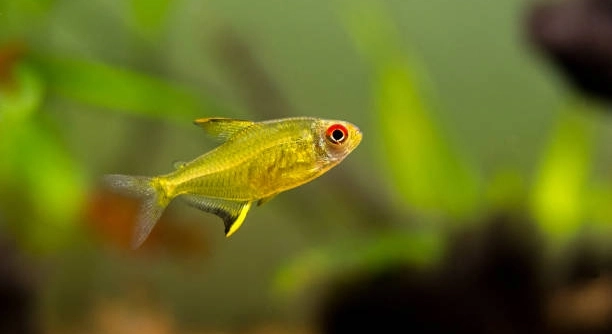
Have you ever wondered how lemon tetra behave after the lights go out, noticing their calm energy shift into steady circular motions that feel somewhat unusual during the quiet hours of nighttime in your aquarium.
Lemon tetra typically swim in circles at night due to schooling behavior combined with reduced external stimuli. This pattern reflects their instinctual need for orientation and safety, allowing them to maintain coordinated movement while conserving energy in low light conditions.
Their nighttime patterns offer clues about comfort, group dynamics, and environmental balance, guiding you toward an understanding of their behavior.
Understanding Nocturnal Schooling Behavior
When you watch lemon tetra move in circles after dark, you might feel curious about what keeps them so coordinated when the room is quiet. Their behavior is tied to instincts that help them feel secure, even when everything around them slows down. In the wild, these fish rely on group motion to avoid risks and maintain awareness, so the pattern you see at night is a softer version of that habit. The dim light makes them depend more on the movement of their group, which encourages them to follow each other in slow circles. This helps them stay connected while keeping their stress levels low. You may notice that the circles look gentle instead of frantic, showing that they are comfortable in their space. By paying attention to their patterns over time, you can better understand how your tank setup affects the way they settle down at night naturally.
This steady circular motion also reflects how lemon tetra adjust to the calm environment around them. With fewer signals to react to, they rely on simple repeated movement that keeps the group united. It is a quiet reminder that their comfort often depends on rhythm rather than constant activity daily.
Understanding this behavior can help you decide whether your tank supports their natural needs. Small details, like dim lighting at night or consistent water flow, can influence how smoothly they move together. Their circular motion is not a sign of distress, but a habit shaped by instinct and comfort. When you watch them glide in unison, you are seeing a healthy response to stable conditions. Adjusting your setup with their habits in mind can keep their nighttime behavior calm and predictable, making your aquarium feel more settled and peaceful for everyone who spends time watching it in the late hours.
Environmental Factors That Shape Nighttime Swimming
Certain features in your tank can shape how lemon tetra behave once the lights are low. Soft currents, stable temperature, and gentle shadows help them feel secure. When these elements work together, their circular swimming becomes steady, showing that they are responding well to their surroundings at all times now.
When you think about how your aquarium affects your lemon tetra at night, it helps to focus on the conditions that guide their movement. These fish respond strongly to light levels, so keeping the room softly lit during the evening can ease their transition into nighttime patterns. A tank that is too bright may make them restless, while a tank that is too dark can make them rely too heavily on group motion. Water quality matters as much as lighting. Clean, well oxygenated water supports stable activity, allowing them to swim with ease instead of reacting to discomfort. Gentle circulation also plays a role, giving them a steady flow that feels natural and keeps the group close without overwhelming them. Plants and decorations can offer quiet spaces, helping them feel protected while still staying in view of one another. Over time, you may see that their circular motion becomes smoother as they adapt to the environment you create. By keeping their needs in mind, you support a calm atmosphere that lets them move confidently through the dark hours. This makes your tank feel balanced and helps your fish stay comfortable each night in a simple and steady way for you.
Behavioral Signals to Watch For
Lemon tetra show clear signs when their nighttime patterns shift in ways that may need your attention. Small changes, like tighter circles or uneven spacing, often reflect stress or confusion. Watching these signals closely helps you understand how comfortable they feel in their environment during calm hours each night too.
When their movements become sharp or irregular, it often means something in the tank is disrupting their sense of security. You might notice one fish drifting away from the group, creating distance that feels unusual compared to their usual patterns. This separation can signal discomfort linked to lighting, water flow, or sudden noise. Paying attention to these details helps you adjust the environment in simple ways that support smoother movement. Soft lighting, steady temperature, and gentle circulation can guide them back into calm circular swimming. These shifts remind you that small changes can influence how they settle during nighttime hours.
Some behaviors can also show when the group feels especially relaxed at night. Slower circles, gentle spacing, and steady pacing often indicate that the tank conditions are meeting their needs. These calmer motions help you see how well they adapt to lighting, noise levels, and water flow after dark. If the group shifts into smoother patterns, it usually means they feel balanced in their environment. Watching these signs helps you notice positive changes that come from simple adjustments. Their peaceful rhythm becomes clear signal that they are comfortable, allowing you to understand their nighttime habits in a more natural way.
How Stress Influences Nighttime Patterns
Stress can change how lemon tetra move at night, shifting their usual smooth circles into quicker or uneven patterns. These changes often come from sudden noise, poor lighting, or uncomfortable water conditions. When stress affects the group, they may cluster tightly or swim too fast. Noticing these shifts helps you respond quickly and reduce discomfort so they can return to calmer movement. This awareness helps you support their comfort at night in simple steady ways.
When you understand how stress influences their nighttime behavior, it becomes easier to create a stable environment that keeps them at ease. Sudden changes in routine, such as loud sounds or bright lights, can disrupt the calm patterns they rely on after dark. By keeping the tank in a peaceful space, you help them maintain their usual circular motion without unnecessary tension. Water quality plays a major role too, since poor conditions can heighten stress and interrupt their movement. Regular care, gentle lighting, and predictable surroundings support their natural rhythm. As you observe the group, you may notice that they regain their smooth motions once the stress is reduced. This improvement shows how sensitive they are to balance and how their comfort depends on setting.
xxxxxxxxxxxxxxxxxxx
Lighting changes affect how lemon tetra move at night, shaping their sense of direction and comfort. Soft, steady light helps them maintain calm circles, while harsh or inconsistent lighting can cause them to adjust too quickly. Keeping the lighting gentle supports smooth movement and reduces unnecessary stress for them daily.
Water flow also shapes their nighttime behavior by guiding how closely they swim together. A gentle current gives them steady direction, while stronger flow can push them into tighter or uneven circles. Keeping the flow balanced helps them maintain calm motion and prevents confusion that interrupts their usual pattern daily.
xxxxxxxxxxxxxxxxxxx
Temperature stability plays a strong role in how lemon tetra behave once the lights are low. When the water stays within a comfortable range, their movements stay smooth and predictable, allowing them to follow the group without sudden shifts. If the temperature drops or rises unexpectedly, they may respond with quicker circles or scattered motion. Maintaining consistent warmth supports calm behavior and reduces stress. You can help them by checking the tank regularly and avoiding drafts or direct sunlight that cause fluctuations. With steady conditions, their nighttime swimming becomes gentle, showing that they feel secure in the environment each night.
xxxxxxxxxxxxxxxxxxx
Feeding patterns can also influence how lemon tetra behave after dark, especially when they expect food at certain times. When they are well fed and on a steady routine, their nighttime circles tend to stay smooth. Predictable schedules help them feel secure and support their calm movement overall each day.
FAQ
Why do my lemon tetra swim in circles only at night?
They rely on group motion when the environment becomes quieter and darker. With fewer signals to react to, they follow each other in gentle circles to stay coordinated and feel secure. This pattern helps them keep calm while adjusting to the low light. When you see them moving smoothly together, it usually means they feel balanced in their surroundings. Their natural instincts guide them toward repeated motion, helping them stay close to the group. This behavior is common and becomes more noticeable when the tank lighting dims and activity around them slows.
Is nighttime circular swimming a sign of stress?
Sometimes it can be, but most of the time it is normal behavior. If the movement looks rushed, uneven, or too tight, it may mean something in the environment is making them feel uneasy. Stress can come from sudden noise, poor water quality, or lighting that changes too quickly. Watching for small shifts in their motion helps you figure out if they are reacting to discomfort. When their circles stay smooth and steady, it is usually a sign that they feel safe.
How can I tell if their tank is affecting their nighttime behavior?
Changes in their movement can give you clear clues. If they cluster too closely or swim faster than usual, it might be a sign that something in the tank is off. Water quality, temperature, lighting, and flow all play a role in how they behave. When these factors stay consistent, their nighttime circles become gentle and predictable. Paying attention to their patterns helps you understand when the environment supports their comfort.
Do lighting changes influence circular swimming after dark?
Lighting has a strong impact on how they move. Soft, stable lighting helps them transition smoothly into nighttime behavior, while harsh or erratic lighting can make them react with quicker or uneven circles. They depend on steady dimness to find their rhythm. When the light stays consistent, their motion becomes calmer and more connected.
Can water flow cause them to circle more often at night?
A gentle current supports calmer movement, giving them a sense of direction as they swim together. Stronger flow can push them into tighter circles and make their pattern look uneven. Balanced flow allows them to follow natural rhythm without struggling. You can adjust your filter or decorations to soften strong currents.
Does temperature affect their nighttime patterns?
Temperature changes can shift their behavior quickly. When the water stays within a comfortable range, they move smoothly and keep a steady pace. Unexpected changes can cause scattered or sharp movement, showing that they feel unsettled. Keeping the tank warm and stable helps maintain calm circles after dark.
Can feeding routines influence nighttime swimming?
Feeding patterns can shape their behavior more than you might expect. When they are fed on a predictable schedule, they stay calmer at night. Overfeeding or irregular routines can lead to restless movement, especially if they expect food at unusual times. Consistency helps them settle into smooth patterns.
Should I worry if one lemon tetra separates from the group at night?
Separation can happen when a fish feels stressed, unwell, or confused by sudden environmental changes. If it becomes a habit, checking water quality, lighting, and flow can help you find the cause. When conditions improve, the fish often returns to the group. Observing their spacing helps you notice early signs of discomfort.
Why do they swim more slowly at night than during the day?
Their energy needs shift after dark, leading to slower and more relaxed motion. With fewer external cues, they focus on staying close to the group rather than exploring. This slower pace is a normal part of their rhythm and shows that they feel settled.
How can I support calm nighttime behavior?
Keeping the tank stable is the most helpful step. Gentle lighting, clean water, soft flow, regular feeding, and a peaceful room make a big difference. When everything stays steady, their nighttime circles remain smooth and connected. This helps them feel secure and keeps your tank peaceful each night.
Final Thoughts
Caring for lemon tetra becomes easier when you understand the small details that shape their nighttime routines. Their circular swimming may look unusual at first, but it is a natural pattern that helps them stay connected and calm when the tank grows quieter. When the lights fade and the room settles, they fall back on instincts that have guided them for generations, relying on group motion to feel secure. Watching them move in slow circles can give you a clearer sense of how they respond to changes in lighting, water flow, and temperature. Each steady loop is a simple reminder that their comfort depends on the environment you create for them. As you learn their patterns, the tank feels less mysterious and more like a place where you can make gentle adjustments that support their peace.
Your attention to their behavior helps you build a space where they can feel safe at all times. When you keep the lighting soft and stable, their nighttime patterns stay smooth. When the water flow stays steady and the temperature remains comfortable, they move with ease and confidence. These small details can make a strong difference in how they settle into the darker hours, shaping the rhythm they follow every night. By noticing how they react to changes, you can step in before issues become stressful for them. Their behavior often reflects the balance of the tank. When something shifts, they show you through their movement. Caring for them becomes a quiet partnership, where you watch, adjust, and learn from the way they respond to their surroundings.
With time, you may find that their nighttime circles feel comforting rather than concerning. Each smooth loop reflects the calm environment you worked to build. Their group motion shows that they trust their space and feel secure near one another. It reminds you that fish communicate through movement, and even simple patterns can tell you a lot about their health and comfort. As a woman caring for them, you may feel a subtle connection to the calm energy they show at night, especially when the tank becomes a soft focal point in your space. Their gentle circles can help you slow down too, offering a quiet moment at the end of the day. When your tank stays balanced and predictable, they can rest in their natural rhythm. Their nighttime swimming becomes something familiar and steady, showing you that they are comfortable and supported. Understanding their behavior makes your role clearer, helping you maintain a peaceful environment that keeps them thriving in a simple and dependable way.

Hello,
If you enjoy the content that we create, please consider saying a "Thank You!" by leaving a tip.
Every little bit helps us continue crafting quality advice that supports the health, happiness, and well-being of pets around the world, for pets of all shapes, sizes, and species.
We really appreciate the kindness and support that you show us!