
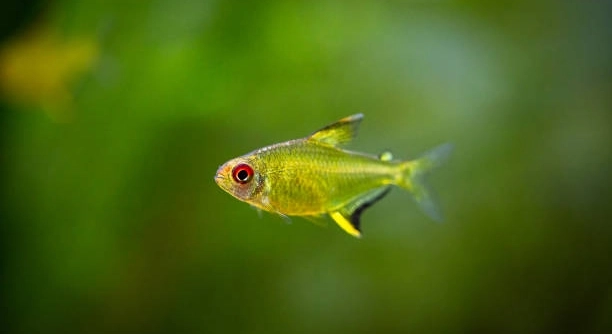
Do your lemon tetras spend most of the day tucked away in hiding spots, leaving you worried about their well-being? Observing them can be puzzling, especially when their usual lively swimming seems to vanish completely.
When lemon tetras hide all day, it is often a response to stress, poor water conditions, or illness. Ensuring proper tank maintenance, stable water parameters, and a safe environment can reduce hiding behavior and promote natural activity.
Monitoring their habitat and daily behavior can reveal subtle changes affecting their health and comfort, helping you create a balanced and peaceful aquarium environment.
Common Reasons Lemon Tetras Hide
Lemon tetras often hide because of stress caused by changes in their tank environment. Sudden shifts in temperature, pH, or water hardness can make them uneasy. Overcrowding in the aquarium can also push them to seek quiet corners. Even decorations can affect their comfort if there are not enough hiding spots or if the layout feels exposed. Illness is another major factor. If a tetra is sick, it may stay hidden to conserve energy or avoid perceived threats. Poor water quality, such as high ammonia or nitrate levels, directly impacts their behavior and health. Diet can play a role too. Fish that are not eating well or receiving unbalanced nutrition may retreat more often. By understanding these triggers, you can better adjust the tank conditions to make your tetras feel secure. Observing their daily routine closely is essential for detecting problems early.
Hiding is often a natural behavior, but persistent concealment usually signals discomfort or environmental issues that need attention.
Providing a stable, clean, and properly structured tank helps reduce stress. Lemon tetras feel safer with plants, caves, or driftwood where they can retreat when necessary. Consistent feeding schedules and healthy food choices encourage regular activity, making them more visible and lively.
Tank Environment Adjustments
Small changes in the tank can improve visibility and activity for lemon tetras. Adding more plants or rearranging decorations can create safe zones.
Ensuring the water is clean, filtered, and maintained at proper temperature and pH is critical for reducing hiding behavior. Sudden changes, such as moving the tank or adding new fish, can increase stress levels. Providing areas where tetras can explore while feeling secure promotes natural behavior. Light cycles should be regular, and over-bright lighting can cause them to hide more. Observing the fish after changes helps identify what works best. Gradual adjustments prevent shock and allow the tetras to adapt comfortably. Tankmates also influence hiding; aggressive or overly active fish can push them into corners, so peaceful companions are preferable. Balancing all these elements creates an environment where lemon tetras are more likely to swim openly, interact naturally, and display bright colors. Paying attention to both water quality and habitat structure ensures their long-term comfort and health.
Signs of Illness in Lemon Tetras
Lemon tetras may hide when they are unwell. Look for faded colors, clamped fins, labored breathing, or unusual swimming patterns. Early detection helps prevent serious health issues and allows for quicker treatment.
Illness often causes lethargy, loss of appetite, or excessive hiding. Common diseases include ich, fin rot, and bacterial infections. Water quality plays a major role in preventing these conditions. Maintaining clean water and stable parameters reduces stress and supports immunity. Sick tetras may isolate themselves even from their own group, signaling that intervention is needed. Observing behavior closely can help you identify symptoms early. Prompt action, such as water changes, medication, or adjusting diet, often improves recovery chances.
Even minor health problems can escalate quickly in lemon tetras. Regular monitoring, quarantining new fish, and keeping the tank environment consistent are essential practices. These measures support their natural behavior and overall well-being, minimizing hiding episodes and promoting visible, active swimming.
Adjusting Lighting and Hiding Spots
Lighting and hiding spots significantly affect how often lemon tetras stay concealed. Too bright or harsh light can push them into shadows.
Providing plants, caves, and decorations creates a comfortable environment. They need areas to retreat without feeling trapped. Changing the layout gradually allows them to explore without stress. Consistent light cycles mimic natural conditions and reduce sudden panic. Observe where they spend most of their time to identify areas they prefer. Overcrowded or poorly arranged spaces increase hiding behavior. Proper lighting balance ensures tetras remain active and visible.
Placement of plants and hiding spots influences tank dynamics. Dense foliage near the middle or edges provides safety while open swimming areas encourage interaction and movement. Driftwood or smooth rocks can act as visual barriers, giving fish a sense of control over their environment. Avoid placing hiding spots directly under strong light, as this discourages use. Rotating decorations occasionally keeps the tank stimulating without causing stress. Lighting should be adjusted gradually during the day to prevent sudden changes, which can trigger panic or prolonged hiding. Understanding their preferred spots and light preferences allows the tetras to feel secure, resulting in more natural swimming patterns and better overall health.
Water Quality and Temperature
Lemon tetras are sensitive to water conditions. High ammonia, nitrites, or nitrates can cause stress and hiding. Maintaining clean water with regular changes is essential for their comfort and health.
Temperature fluctuations also affect behavior. Keeping the tank between 72–78°F stabilizes their activity and reduces prolonged hiding episodes.
Social Dynamics
Lemon tetras are schooling fish. Being alone or with aggressive tankmates increases stress and hiding. Keeping them in groups of six or more encourages natural behavior and confidence.
Diet and Feeding Habits
A balanced diet supports energy levels and overall health. Lemon tetras hiding frequently may be underfed or receiving poor nutrition. Feeding high-quality flakes, frozen, or live foods ensures they get necessary nutrients. Regular feeding schedules promote consistent activity and reduce anxiety.
Monitoring Behavior
Tracking daily activity helps spot early signs of stress or illness. Note changes in swimming patterns, appetite, and interactions with tankmates.
FAQ
Why do lemon tetras hide all day after being introduced to a new tank?
New environments can be stressful for lemon tetras. They need time to adjust to unfamiliar surroundings, water conditions, and tankmates. Hiding helps them feel safe while assessing the space. Adding plants and decorations gives them security, and gradual acclimation reduces prolonged stress.
Can poor water quality make lemon tetras hide?
Yes, poor water quality is a common reason for hiding. High levels of ammonia, nitrites, or nitrates cause stress and discomfort. Regular water testing and maintenance, along with consistent filtration, are crucial. Clean, stable water conditions encourage them to swim freely and behave naturally.
Do lemon tetras hide when they are sick?
Hiding can be a sign of illness. Fish that are lethargic, losing color, or not eating may isolate themselves. Common illnesses include ich, fin rot, and bacterial infections. Observing behavior and taking prompt action, like adjusting water quality or medicating when necessary, improves recovery chances.
Is it normal for lemon tetras to hide during the day?
Some hiding during the day is normal, especially if the tank lacks sufficient cover. They naturally seek shaded or sheltered areas. However, constant hiding, especially if paired with inactivity or loss of appetite, may indicate stress or environmental problems.
How can I encourage my lemon tetras to come out of hiding?
Provide plenty of hiding spots while also leaving open swimming areas. Ensure water parameters are stable and the tank is free from sudden changes. Gradually introducing new tankmates and maintaining a consistent light cycle helps them feel secure and more confident to explore.
Do tankmates influence hiding behavior?
Yes, aggressive or overly active tankmates can push lemon tetras into hiding. Peaceful, compatible fish reduce stress and allow tetras to swim openly. Keeping them in groups of six or more improves confidence and reduces isolation, making the group feel safer overall.
Can lighting affect lemon tetra hiding?
Harsh or overly bright lighting can increase hiding. Lemon tetras prefer moderate lighting with shaded areas created by plants or decorations. Gradual light changes and a balance between light and dark areas mimic natural conditions, encouraging active swimming while still providing safety.
Does diet impact hiding behavior?
A poor or inconsistent diet can cause lethargy and stress, increasing hiding. Feeding high-quality flakes, frozen foods, or live options ensures proper nutrition. Regular feeding schedules help them develop predictable activity patterns and reduce anxiety-related hiding.
Are water temperature fluctuations a problem?
Yes, sudden changes in temperature can stress lemon tetras, making them retreat. Keeping water between 72–78°F with a stable heater prevents temperature shocks. Consistent temperatures encourage natural movement, reduce hiding, and support overall health.
What should I do if my lemon tetra never comes out of hiding?
Persistent hiding often signals ongoing stress, illness, or unsuitable tank conditions. Check water quality, temperature, tankmates, and diet. Ensure there are safe hiding places and open areas. If symptoms of illness appear, treat accordingly. Observing behavior daily helps identify triggers and allows timely intervention.
Can rearranging the tank reduce hiding?
Rearranging decorations and plants can encourage exploration if done gradually. Sudden major changes may increase stress, so small, incremental adjustments work best. Creating varied spaces for swimming and retreat improves comfort while maintaining natural hiding options.
Is it normal for lemon tetras to hide at night?
Yes, hiding at night is normal. Like many fish, lemon tetras rest during dark hours. Providing shaded areas and caves ensures they feel safe while resting. Excessive hiding during daylight, however, indicates stress, illness, or environmental issues that need attention.
Do stress and fear affect hiding behavior?
Stress and fear are major factors. Loud noises, sudden movements, overcrowding, and aggressive tankmates can all cause lemon tetras to retreat. Reducing stressors, providing hiding spots, and maintaining a calm environment helps them feel secure and remain active.
Can frequent water changes scare lemon tetras?
Yes, abrupt or frequent water changes can temporarily stress fish. Performing gradual water adjustments and maintaining stable conditions reduces hiding. Preparing new water to match temperature and parameters ensures a smooth transition and keeps tetras comfortable in their environment.
How long does it take for lemon tetras to feel safe?
Adjustment periods vary but usually take several days to a couple of weeks. Providing consistent water conditions, hiding spots, compatible tankmates, and a predictable feeding schedule helps them gain confidence and reduces constant hiding. Observing behavior closely guides further adjustments.
Lemon tetras are small, delicate fish that can be sensitive to changes in their environment. When they hide all day, it is often a signal that something in their tank or routine needs attention. Their hiding behavior can result from stress, poor water quality, illness, or even simple discomfort caused by bright lighting or a lack of safe spaces. Understanding that hiding is a natural instinct for protection helps in approaching the situation calmly. Rather than immediately worrying, observing their behavior closely can give clues about what adjustments are necessary. Many of the factors that cause hiding are easy to correct once identified, such as checking water parameters, improving tank structure, or ensuring they have enough companions in the school to feel secure.
Maintaining a healthy tank environment is key to encouraging lemon tetras to swim openly and display their natural colors. Regular water testing, proper filtration, and keeping the water within the correct temperature range are basic but essential steps. Decorations, plants, and hiding spots should be arranged in a way that allows them to feel safe without feeling trapped. A consistent feeding schedule with nutritious foods supports energy and activity levels. It is also important to monitor tankmates to avoid aggression, which can increase stress and cause prolonged hiding. Small changes, when made carefully and gradually, often make a noticeable difference in their comfort and willingness to come out of hiding. Over time, observing how they respond to these changes helps identify patterns and better understand their needs.
Patience and consistency are the most important factors when dealing with lemon tetras that hide frequently. Even after improving water quality or adjusting the tank layout, it may take days or weeks for the fish to feel fully comfortable. Paying attention to their behavior and responding to changes promptly can prevent stress from escalating into health problems. Keeping a detailed routine for feeding, water maintenance, and observation ensures they have a predictable environment. By taking the time to meet their basic needs and provide a secure, well-maintained habitat, lemon tetras are more likely to swim actively and display their vibrant appearance. Creating a balanced tank environment benefits not only their well-being but also allows you to enjoy watching their natural behavior without constant concern. A calm, structured approach to care reduces hiding and helps them thrive.

Hello,
If you enjoy the content that we create, please consider saying a "Thank You!" by leaving a tip.
Every little bit helps us continue crafting quality advice that supports the health, happiness, and well-being of pets around the world, for pets of all shapes, sizes, and species.
We really appreciate the kindness and support that you show us!