
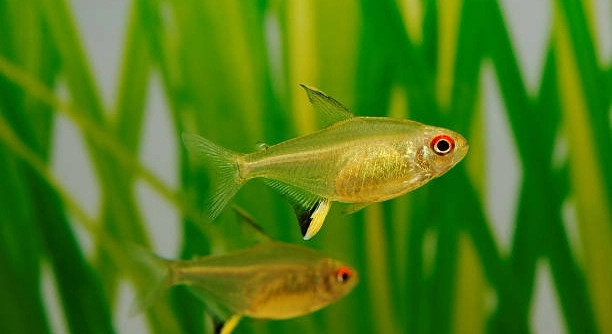
Lemon tetras are small, vibrant fish that brighten any freshwater aquarium. Sometimes, they may start to shake or twitch, leaving owners concerned. Observing these behaviors early can help ensure their comfort and long-term well-being.
Lemon tetras shake or twitch primarily due to stress, poor water quality, or internal parasites. Inadequate temperature, sudden environmental changes, and improper diet can also trigger these involuntary movements, making careful monitoring essential for their health.
Recognizing these signs is important for maintaining a healthy tank. Understanding the causes will help you take the right steps to keep your fish thriving.
Water Quality Issues
Lemon tetras are sensitive to changes in their tank environment. Poor water quality is one of the most common reasons for shaking or twitching. High levels of ammonia, nitrites, or nitrates can irritate their gills and nervous system, causing noticeable stress. Frequent water changes and a reliable filtration system are essential for keeping chemical levels safe. Even small fluctuations in pH or temperature can make them uneasy. I learned early on that regular testing and gradual adjustments prevent sudden reactions. Overcrowding can also worsen water conditions, as more fish produce more waste. Keeping a consistent cleaning routine helps maintain a stable habitat. Using a water conditioner can neutralize harmful chemicals, while adding live plants provides natural filtration. Observing your tetras daily will help you notice changes quickly. Early detection of poor water quality often prevents illness and improves overall behavior and activity. Healthy water means calmer, more comfortable fish.
Maintaining clean water reduces stress and prevents twitching. Consistent testing, partial water changes, and proper filtration keep lemon tetras healthy and active in their aquarium.
Stress from unstable water conditions can have long-term effects. Fish exposed to fluctuating temperatures or chemical levels may become more susceptible to disease. Even brief exposure to toxins can trigger repeated shaking or erratic swimming. Ensuring a stable environment involves more than just cleaning; it includes monitoring temperature, pH, and waste buildup. Using gentle water flow and avoiding sudden changes in lighting or decorations also helps. A balanced diet supports resilience against environmental stress, so feeding quality flakes or frozen foods matters. Many tetras respond positively to a quiet tank with minimal disturbances. Observing behavior after small adjustments shows what works best. Over time, these careful steps create a peaceful habitat where shaking episodes become rare, and fish display natural, energetic movements. Taking small precautions consistently ensures that lemon tetras live longer, healthier, and happier lives in the aquarium.
Diet and Nutrition
Poor diet can trigger shaking in lemon tetras. Unbalanced nutrition weakens their immune system and energy levels, making them more prone to stress and twitching.
Feeding high-quality foods, including flakes, frozen, and occasional live options, ensures proper growth and reduces erratic movements. Avoid overfeeding, as uneaten food can spoil water quality and add stress.
Providing variety in their diet keeps them healthy and active. Nutrient deficiencies often show as lethargy, color fading, or nervous movements. Fresh, protein-rich foods such as daphnia, brine shrimp, or bloodworms help maintain energy. Small, frequent meals prevent digestive issues and reduce the risk of sudden twitching. It’s important to remove uneaten food promptly, as decaying particles increase ammonia levels and can stress fish further. Over time, a balanced diet strengthens their immune system, improving their resistance to internal parasites or infections that could also cause shaking. Incorporating vegetables like blanched spinach or peas occasionally provides fiber and supports digestion. Observing how your tetras respond after diet adjustments allows you to see positive changes in their behavior. Proper nutrition, paired with clean water, creates a stable, comfortable environment that reduces twitching and helps your lemon tetras thrive.
Temperature Fluctuations
Lemon tetras are sensitive to sudden temperature changes. Even a few degrees difference can cause shaking or twitching. Consistent water temperature is crucial, and using a reliable heater helps maintain stability.
Temperature swings stress their nervous system and affect metabolism. Fish may swim erratically or hover near the heater. Small tanks are more prone to fluctuations, so monitoring daily is important. Avoid placing the aquarium near windows, vents, or drafty areas, as external factors can cause sudden shifts. Gradual adjustments when needed are safer than abrupt changes. I noticed that even minor drops in temperature triggered repeated twitching in my tetras, which resolved once the water stabilized. A steady environment keeps them calm and active.
Keeping the water temperature stable supports overall health and reduces vulnerability to illness. Sudden cold or heat can weaken immune response, making infections more likely. Using a thermometer and checking readings twice a day prevents surprises. Combining temperature stability with good water quality and diet reduces stress significantly. Consistent care allows tetras to exhibit natural behavior, swim energetically, and avoid frequent shaking episodes, improving their well-being in the tank.
Parasites and Disease
Internal parasites often cause shaking or twitching in lemon tetras. Symptoms may include loss of appetite, color fading, or sluggish swimming. Early detection is important to prevent worsening health.
Infections like ich, velvet, or bacterial issues can irritate the skin and gills, triggering involuntary movements. Observation is key; catching signs early allows for targeted treatment. Quarantining new or sick fish helps protect the rest of the tank. Medications are available, but dosage must match the specific parasite or bacteria. Maintaining clean water, proper diet, and stable temperature reduces disease risk. I noticed that once infected fish received proper treatment, shaking subsided gradually.
Parasites can spread quickly in crowded or unclean tanks, so preventing outbreaks is better than curing them. Regular tank maintenance, avoiding overcrowding, and inspecting fish before introduction are effective steps. A balanced diet strengthens immunity, while quarantine tanks allow safe treatment of infected individuals. Early intervention and proper care minimize stress, reduce twitching, and ensure fish recover faster. Watching behavior daily makes a difference, as small changes often indicate the start of illness, allowing for timely action.
Stress from Tankmates
Aggressive or overly active tankmates can cause lemon tetras to shake. Constant chasing or nipping triggers stress and nervous movements, affecting their overall health.
Even mild harassment can lead to twitching. Peaceful, compatible fish reduce tension, allowing tetras to swim freely and stay calm in their environment.
Overcrowding
Too many fish in one tank increases competition for food and space. Overcrowding raises stress levels, reduces water quality, and can trigger shaking or twitching in lemon tetras.
Managing the number of fish, maintaining proper filtration, and providing hiding spaces ensures each tetra has enough room. A balanced stocking level prevents stress-related behaviors and promotes a healthier, calmer tank.
Lighting Stress
Harsh or fluctuating lighting can cause nervous twitching. Lemon tetras prefer moderate, consistent light, and sudden changes may startle them.
Providing dimmer areas or floating plants allows fish to rest and feel secure, reducing stress and twitching.
FAQ
Why is my lemon tetra shaking but still eating?
Shaking while still eating usually indicates mild stress rather than serious illness. Changes in water quality, temperature fluctuations, or new tank decorations can cause temporary twitching. Maintaining stable conditions and monitoring for other symptoms usually helps them settle without further issues.
Can poor water quality alone make lemon tetras twitch?
Yes. High ammonia, nitrites, or nitrates irritate gills and nervous systems, causing shaking. Even if fish appear healthy otherwise, prolonged exposure can lead to disease. Regular testing, partial water changes, and proper filtration prevent water-related stress.
Could diet cause shaking?
Nutritional deficiencies or overfeeding can trigger twitching. Lemon tetras need varied diets, including quality flakes, frozen foods, and occasional live options. Removing uneaten food promptly prevents waste buildup, which can worsen water conditions and stress fish further.
Do tankmates affect their behavior?
Aggressive or overly active fish create constant stress. Chasing or nipping triggers nervous movements. Keeping tetras with peaceful, compatible species reduces tension and allows them to swim freely without shaking.
Is temperature a common factor?
Absolutely. Sudden temperature changes stress tetras and can cause erratic swimming or twitching. Small tanks are more sensitive to fluctuations. Using a reliable heater, monitoring with a thermometer, and avoiding drafty areas helps maintain stable temperatures.
Could parasites or disease be the reason?
Internal parasites, ich, or bacterial infections often lead to twitching. Symptoms may include color fading, loss of appetite, or lethargy. Early detection and proper treatment, combined with quarantine for sick fish, prevent spread and support recovery.
Can lighting trigger shaking?
Harsh, bright, or rapidly changing lighting can startle lemon tetras. Providing shaded areas, floating plants, or dimmers gives them space to feel secure. Stable, moderate lighting reduces nervous behavior and allows more natural swimming patterns.
How can I tell if shaking is serious?
Persistent twitching combined with lethargy, loss of appetite, or visible spots often signals illness or parasites. Short, occasional tremors from minor stress are usually harmless, but ongoing signs require observation and possibly treatment.
Does tank size matter?
Yes, smaller or overcrowded tanks increase stress. Limited space causes competition for food and reduces swimming freedom, which triggers shaking. Ensuring enough space per fish and proper hiding spots creates a calmer environment.
How long does it take for tetras to stop shaking?
The time depends on the cause. Correcting water quality, diet, temperature, or stress can improve behavior in a few days, while recovery from disease or parasites may take weeks. Consistent care and monitoring are key.
Should I isolate a shaking fish?
Isolation is recommended if the shaking is linked to illness or parasites. A quarantine tank allows treatment without affecting healthy fish. For stress from tankmates or environmental changes, improving the main tank is usually enough.
Can shaking be prevented?
Yes, by maintaining clean water, stable temperature, balanced diet, compatible tankmates, and moderate lighting. Daily observation helps catch early signs, allowing quick adjustments before twitching becomes frequent or severe.
Are some lemon tetras more prone to twitching?
Individual sensitivity varies. Younger or recently introduced fish are often more reactive. Fish with weaker immune systems or previous stress episodes may also shake more frequently. Observing each fish helps tailor care to their needs.
Does stress affect their lifespan?
Chronic stress weakens immunity and can shorten lifespan. Regular tank maintenance, stable conditions, and a balanced diet support long-term health and reduce stress-related behaviors, including shaking and twitching.
Can multiple factors combine to cause shaking?
Yes, stressors often overlap. Poor water quality, improper diet, aggressive tankmates, and temperature fluctuations can collectively trigger shaking. Addressing all factors together is the most effective way to restore calm behavior.
Lemon tetras are small, lively fish that bring color and movement to any freshwater aquarium. Their shaking or twitching can be worrying at first, but it is often a signal that something in their environment needs attention. Many common causes include stress, water quality issues, temperature fluctuations, diet imbalances, or the presence of parasites and disease. Each of these factors affects their comfort and health in different ways, and understanding them helps create a stable and safe tank. Paying attention to small changes in their behavior can prevent more serious problems from developing and ensures that your tetras remain active and vibrant.
Maintaining a healthy tank involves multiple steps that work together. Regular water testing and partial water changes keep chemical levels safe, while a proper filtration system removes excess waste. Temperature control is equally important, as tetras are sensitive to sudden fluctuations, which can cause twitching and stress. Feeding a varied, balanced diet supports their immune system and overall energy, and removing uneaten food prevents water quality problems. Choosing peaceful, compatible tankmates minimizes harassment and stress, while providing hiding spots or shaded areas helps fish feel secure. Even small adjustments, like adding live plants or stabilizing light levels, can make a noticeable difference in behavior. Consistency in these areas builds an environment where lemon tetras can thrive.
Observing your fish regularly allows you to identify and address potential issues before they escalate. Short, occasional shakes may be harmless, but persistent twitching combined with other symptoms often indicates an underlying problem that requires attention. Using quarantine tanks for sick or newly introduced fish can prevent the spread of disease, while targeted treatments for parasites or infections support recovery. Over time, careful monitoring and consistent care reduce stress, prevent common causes of shaking, and create a healthier, more comfortable habitat. By keeping water clean, temperature stable, diet balanced, and stress low, lemon tetras can display natural behavior, swim energetically, and enjoy a long, healthy life in your aquarium.

Hello,
If you enjoy the content that we create, please consider saying a "Thank You!" by leaving a tip.
Every little bit helps us continue crafting quality advice that supports the health, happiness, and well-being of pets around the world, for pets of all shapes, sizes, and species.
We really appreciate the kindness and support that you show us!