
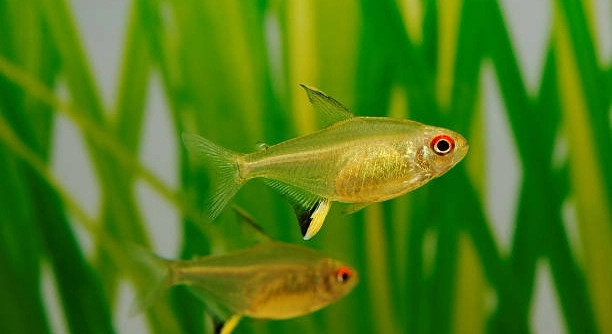
Lemon tetras are small, vibrant fish that brighten any freshwater aquarium. They are social creatures, often swimming in groups, and their interactions can reveal subtle behaviors. Observing these behaviors can help you better understand their daily lives.
Lemon tetras do exhibit a pecking order within their groups. Dominance hierarchies influence feeding, swimming positions, and social interactions, ensuring that more assertive fish often gain priority while subordinate fish adapt to maintain group harmony.
Understanding these dynamics can improve how you care for your aquarium. Recognizing social patterns helps create a balanced and stress-free environment for your lemon tetras.
Understanding Lemon Tetra Social Structure
Lemon tetras form small, tight-knit groups where social dynamics are important for maintaining order. Each fish tends to recognize its place, and minor disputes occur over food, swimming space, and preferred hiding spots. Observing your fish can reveal patterns in their behavior. Dominant tetras often swim at the front during feeding times, while more timid fish stay toward the back. These roles help reduce conflict, as everyone learns what to expect from each other. Over time, the hierarchy becomes stable, and the group can interact more smoothly. Factors such as tank size, number of fish, and available hiding places influence how easily these hierarchies form. A well-structured aquarium can encourage natural behaviors and reduce stress among the fish, making them healthier and more active. Paying attention to their interactions helps you create a balanced environment where all fish can thrive without constant competition or aggression.
Social structures in lemon tetras are subtle but noticeable, especially during feeding.
Recognizing these patterns helps you maintain harmony in the tank. Dominant fish may sometimes chase others, but this is natural. Providing enough space and hiding spots allows subordinate fish to retreat safely. Overcrowding can increase aggression and stress, so a balanced number of fish is essential. Watching interactions over time also helps identify unusual behavior, which could indicate illness or environmental stress. Adjusting tank conditions, such as lighting, decorations, and water quality, can reduce tension. Feeding strategies, like scattering food or using multiple feeding points, ensure all fish receive nourishment. Understanding their hierarchy makes tank management easier and creates a peaceful setting for lemon tetras to thrive naturally, displaying their bright colors and active swimming patterns.
Signs of Dominance in the Tank
Dominant lemon tetras show confident swimming and often take central positions in the tank.
These fish may lead movements and feed first while others follow.
Dominance can appear in small gestures, such as nudging or mild chasing during feeding. Subordinate fish usually yield or retreat, maintaining group balance. Observing how often fish initiate these actions can help you determine hierarchy. Over time, dominant and submissive roles become consistent, allowing for smoother daily interactions. Tank decorations, such as plants and hiding spots, provide areas for lower-ranking fish to escape and reduce stress. Feeding order can also reflect rank, with top fish getting the best access while others wait. Awareness of these signs helps you manage tank behavior more effectively. Adjusting tank layout or feeding methods can prevent bullying, support healthy social dynamics, and ensure all lemon tetras remain active, safe, and healthy in their environment.
How Pecking Order Affects Feeding
Dominant lemon tetras eat first, often claiming the center of the tank. Subordinate fish wait or feed at the edges. This natural order ensures everyone eventually eats but highlights the importance of tank space and food distribution to reduce stress.
Ensuring all fish get proper nutrition requires attention to feeding techniques. Scattering food across different areas helps subordinate fish access it without conflict. Using multiple feeding points can prevent dominant fish from monopolizing meals. Observing feeding behavior regularly allows adjustments to tank setup, such as adding plants or hiding spots, which give shy fish safe areas to eat. Proper feeding strategies maintain health, reduce aggression, and help all tetras thrive.
Feeding behavior also reveals changes in hierarchy. If a previously dominant fish struggles to access food, it may indicate illness or stress. Monitoring who feeds first and who waits helps track social shifts. Adjustments in tank decoration, food placement, or group size can support a balanced environment. Over time, consistent feeding routines promote stability, keeping both dominant and subordinate fish healthy and active.
Signs of Stress from Hierarchy
Subordinate lemon tetras may show hiding, rapid swimming, or reduced appetite when stressed.
Stress can reduce immunity, slow growth, and cause illness.
Identifying stress early helps prevent long-term health issues. Changes in behavior, like staying near the tank bottom or avoiding the group, often indicate social pressure. Ensuring enough space, hiding areas, and proper food access reduces tension. Monitoring water quality, temperature, and tank conditions also helps maintain a calm environment. Regular observation allows intervention before stress becomes harmful, promoting a healthier, more balanced aquarium.
Stress management requires careful planning of tank layout, feeding, and group dynamics. Plants, caves, or decorations allow subordinate fish to retreat safely when dominant individuals assert control. Avoid overcrowding, as this intensifies aggression and increases stress-related behaviors. Feeding strategies, such as spreading food and observing who eats first, help ensure all fish are nourished and confident. Water conditions also play a role; stable temperature, pH, and clean water reduce environmental stress that can worsen social tension. Over time, these measures maintain a harmonious, healthy group where lemon tetras can swim freely and display natural colors and activity levels.
Maintaining Peace in the Tank
Adding enough hiding spots reduces conflict among lemon tetras. Plants, caves, and decorations give subordinate fish safe areas to escape when dominant fish assert control.
Observing group interactions helps adjust tank layout. Even small changes in decorations or plant placement can ease tension, ensuring all fish feel secure and calm while swimming.
Adjusting Group Size
Keeping the right number of lemon tetras helps maintain a stable hierarchy. Small groups can cause increased aggression, while larger schools distribute dominance more evenly. A balanced group reduces stress, promotes natural behavior, and allows all fish to thrive without constant disputes or overcrowding issues.
Observing Swimming Patterns
Dominant fish often lead movements while subordinate fish follow or stay near the edges. Tracking these patterns helps identify social roles and potential stress points. Adjusting tank conditions, such as hiding spots and space, ensures a calmer, healthier environment for all lemon tetras.
Preventing Aggression
Regular monitoring of interactions helps prevent persistent bullying and ensures balanced social dynamics.
FAQ
How can I tell which lemon tetra is dominant?
Dominant lemon tetras usually swim confidently at the center of the tank and take the lead during feeding. They may chase other fish gently or position themselves at prime spots near food sources. Observing consistent behavior over time, like who eats first or controls swimming routes, helps identify hierarchy.
Do dominant fish harm weaker fish?
In most cases, lemon tetras show mild chasing or nudging rather than serious aggression. Subordinate fish retreat or move to the edges, avoiding confrontation. Severe harm is rare, but overcrowding or lack of hiding spaces can increase stress and occasional injury. Proper tank setup helps minimize conflict.
How many lemon tetras should be in a tank to reduce aggression?
A group of six to ten is generally recommended for small aquariums. Smaller groups may increase competition, while larger schools distribute dominance more evenly. Adequate space and hiding areas are also necessary to prevent stress and maintain harmony.
What are signs my tetras are stressed by the hierarchy?
Subordinate fish may hide frequently, avoid feeding, or swim erratically. Loss of appetite, faded color, or staying near the tank bottom are indicators of social stress. Monitoring these behaviors early allows adjustments in tank layout or group size to reduce tension.
Can tank decorations influence pecking order?
Yes. Plants, caves, and ornaments provide hiding spots for lower-ranking fish, allowing them to avoid dominant individuals. Strategic placement of decorations can prevent conflict, give fish safe zones, and reduce aggression, which helps maintain a balanced social structure.
Does feeding method affect dominance behavior?
Feeding technique impacts hierarchy interactions. Scattering food or offering multiple feeding points ensures subordinate fish can access nutrition without competition. Using a single spot can let dominant fish monopolize food, increasing stress. Regular observation helps refine feeding strategy to benefit all fish.
Can a hierarchy change over time?
Yes. Illness, growth, or aging can shift social roles. A dominant fish may lose status if it becomes weaker, and subordinate fish may move up in rank. Observing these changes helps manage tank dynamics and prevent undue stress on any fish.
How can I prevent bullying in the tank?
Ensure the tank is large enough, provide plenty of hiding spots, and maintain an appropriate group size. Spread food to reduce competition, monitor interactions, and adjust decorations to allow fish to escape if needed. Consistent care promotes a calmer environment.
Do water conditions affect social behavior?
Stable temperature, pH, and clean water reduce stress that can amplify aggression. Poor conditions may cause fish to act more aggressively or hide excessively. Regular water testing and maintenance support healthy interactions and reinforce natural social behavior.
Is it normal for subordinate fish to stay in the back?
Yes. Subordinate lemon tetras naturally avoid confrontation by staying near tank edges or lower regions. This behavior reduces stress and allows the group to maintain balance. Providing hiding areas makes it easier for these fish to retreat safely without conflict.
How often should I monitor fish behavior?
Daily observation is best. Even small changes in swimming patterns, feeding order, or social interactions can indicate stress or health issues. Monitoring behavior consistently helps maintain a peaceful, balanced tank environment for all lemon tetras.
Can the hierarchy affect breeding behavior?
Dominant fish may have priority over spawning locations, while subordinate fish may wait or find alternate areas. Ensuring enough space and hiding places supports successful breeding and reduces stress during mating periods. Observation allows you to intervene if disputes interfere with reproduction.
Does introducing new fish disrupt the hierarchy?
Yes, adding new lemon tetras or other species can temporarily upset the established order. Newcomers may be chased or isolated until roles are reassigned. Gradual introduction and sufficient space help reduce tension and allow the hierarchy to stabilize naturally.
What is the best tank size for a stable pecking order?
A tank of at least 20 gallons is recommended for a small group of lemon tetras. More space allows fish to swim freely, establish roles without constant conflict, and provides hiding spots for subordinate individuals, which supports a healthier, less stressful environment.
Can stress from hierarchy impact fish health?
Yes. Chronic stress can weaken the immune system, reduce appetite, and slow growth. Providing adequate space, hiding areas, proper feeding, and stable water conditions helps subordinate fish cope with social pressure and maintains overall health for the group.
Final Thoughts
Understanding lemon tetra behavior helps create a healthier and more balanced aquarium. These small, active fish naturally form a social hierarchy, which affects feeding, swimming patterns, and interactions within the group. Observing their behavior can reveal which fish are dominant and which are more submissive. Dominant tetras often take the lead, swimming at the center and eating first, while subordinate fish stay near the edges or retreat to hiding spots. This behavior is natural and helps maintain order, reducing stress and unnecessary conflict. By paying attention to their interactions, you can support a peaceful environment where all fish have space and access to food.
Tank setup plays a major role in supporting a stable pecking order. Providing enough space and hiding spots allows subordinate fish to retreat safely, preventing constant chasing or bullying. Decorations, plants, and caves create areas where shy fish can feel secure and explore without interference from dominant fish. Feeding strategies also make a difference. Scattering food across multiple points ensures that all fish, regardless of rank, receive proper nutrition. Observing feeding behavior over time allows you to adjust placement of food or tank features as needed. Maintaining stable water conditions, including temperature, pH, and cleanliness, also reduces environmental stress that can worsen social tension.
Monitoring your lemon tetras regularly ensures long-term well-being. Even small changes in behavior, such as reduced appetite, hiding more than usual, or erratic swimming, may indicate stress or health issues. Adjusting group size, rearranging decorations, or providing more feeding points can address these problems and maintain harmony. Over time, understanding their social hierarchy and creating a supportive environment helps all fish thrive. By keeping a close eye on interactions and making thoughtful adjustments, your lemon tetras can remain active, healthy, and vibrant, displaying natural behaviors while coexisting peacefully in the same tank.

Hello,
If you enjoy the content that we create, please consider saying a "Thank You!" by leaving a tip.
Every little bit helps us continue crafting quality advice that supports the health, happiness, and well-being of pets around the world, for pets of all shapes, sizes, and species.
We really appreciate the kindness and support that you show us!