
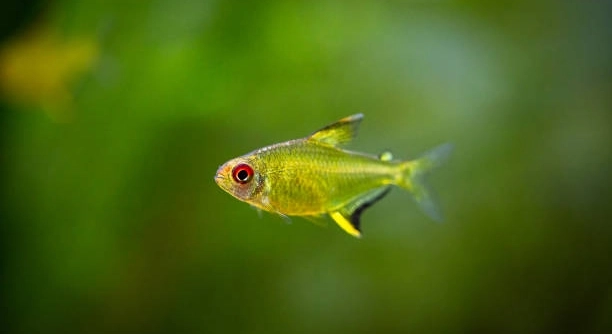
Do you ever find yourself arranging your aquarium and thinking about the perfect diet for your lemon tetras? These small, colorful fish bring life to any tank, and feeding them properly helps them stay healthy and active every day.
Lemon tetras can eat flakes daily, but it is important to provide a balanced diet that includes occasional live or frozen foods. Relying solely on flakes may lead to nutrient deficiencies and affect their long-term health and growth.
Providing a proper diet goes beyond just flakes, ensuring your lemon tetras thrive and display their natural, vibrant colors in a healthy environment.
Understanding Lemon Tetra Nutrition
Lemon tetras are small tropical fish with simple dietary needs, but providing the right nutrients is important for their health. Flake food is convenient and widely available, making it a common choice for many aquarists. These flakes are designed to offer balanced vitamins, proteins, and minerals, supporting growth and vibrant coloration. However, relying solely on flakes can limit variety, which is important for overall nutrition. Incorporating occasional live or frozen foods, such as brine shrimp or daphnia, provides extra protein and stimulates natural feeding behaviors. Vegetables and plant matter can also be added in small amounts to supplement their diet. Observing how your lemon tetras respond to different foods can help you adjust portions and ensure no overfeeding occurs. Feeding small amounts two to three times daily is generally sufficient, as overfeeding can lead to water quality issues and affect fish health. Consistency in diet keeps lemon tetras active and reduces stress.
Flakes are convenient, but rotating other food types ensures tetras receive all necessary nutrients for long-term health.
Maintaining a balanced diet is not only about nutrients but also about keeping fish engaged and healthy. Providing different textures and flavors encourages natural foraging behaviors. Rotating between flakes, frozen foods, and occasional live treats prevents boredom and supports immune system strength. It also helps avoid nutritional gaps that can affect color and energy. Observing how your tetras respond allows you to fine-tune feeding schedules and portion sizes. Regular monitoring ensures water quality stays high, as uneaten flakes can decompose quickly. Over time, careful feeding routines lead to vibrant, active lemon tetras that thrive in a clean and well-maintained tank. A consistent yet varied diet enhances both appearance and longevity.
Flakes and Daily Feeding
Daily flakes feeding is possible but should be carefully managed to avoid overfeeding.
When feeding lemon tetras flakes every day, portion control is key. Small, measured amounts prevent leftover food from contaminating the tank. It is also important to monitor fish behavior, as aggressive or lethargic responses may indicate dietary imbalance. Alternating with frozen or live foods occasionally ensures they receive extra protein and nutrients missing in flakes. Feeding at the same times each day helps establish a routine and reduces stress. Clean the tank regularly to remove uneaten food and maintain water quality. Observing your tetras’ color, activity, and overall condition provides insight into whether daily flakes meet their needs. Over time, a controlled flakes routine can sustain health, but variation remains important for full nutritional coverage.
Signs Your Lemon Tetra Is Eating Well
Healthy lemon tetras show bright coloration, active swimming, and interest in food. Clear eyes, smooth scales, and steady growth are also good indicators that their diet meets nutritional needs. Observing these signs helps you know when adjustments may be necessary.
Consistent feeding responses, like eagerly approaching food and finishing portions quickly, usually indicate that flakes and supplemental foods provide sufficient nutrition. Changes in behavior, such as hiding, sluggishness, or skipping meals, may suggest dietary deficiencies or stress. Monitoring tank mates is also important, as competition can affect feeding habits. Keeping track of growth patterns, fin condition, and overall vitality ensures that your lemon tetras remain healthy and vibrant over time. Adjusting food types, portions, or feeding frequency based on these observations supports long-term well-being and reduces the risk of malnutrition or illness.
Uneaten flakes sinking to the bottom may signal overfeeding or a mismatch in food size. By observing leftovers and fish behavior, you can refine portions to reduce waste and maintain water quality. This simple monitoring routine helps prevent common feeding problems while keeping tetras energetic and healthy.
Balancing Flakes With Other Foods
Supplementing flakes with occasional frozen or live foods provides extra protein and nutrients that flakes alone may lack. This keeps tetras strong and supports their natural behaviors in the tank.
Rotating food types prevents nutrient gaps and enhances fish vitality. Frozen brine shrimp, daphnia, or bloodworms offer protein boosts, while small amounts of blanched vegetables add fiber and variety. Feeding these alongside flakes ensures a balanced diet without overloading the tank. Monitoring how tetras respond to new foods helps determine portion sizes and frequency. Incorporating variety also supports immune function and reduces stress, encouraging vibrant colors and active swimming. By combining flakes with other foods, you provide a more complete diet that supports growth, health, and overall energy levels.
Portion Control for Daily Flakes
Feeding the right amount prevents overfeeding and water problems. Small portions two to three times daily are usually enough for lemon tetras.
Observe how quickly flakes are eaten. Adjust amounts to avoid leftovers, which can decay and harm water quality.
Preparing Flakes Properly
Breaking larger flakes into smaller pieces ensures lemon tetras can eat comfortably. Properly sized flakes reduce stress during feeding and help all fish access food equally.
Flakes should be stored in a cool, dry place to maintain freshness. Moist or stale flakes lose nutrients and may make fish less interested in eating. Feeding freshly prepared portions supports health and encourages consistent eating habits. Regularly checking flake quality ensures your tetras receive optimal nutrition while minimizing waste in the tank.
Monitoring Fish Health
Regular observation of activity, color, and appetite helps detect early signs of dietary issues or illness.
Adjusting Feeding Schedules
Changing feeding times slightly can help match the natural behavior and activity patterns of lemon tetras.
FAQ
Can lemon tetras survive on flakes alone?
Lemon tetras can survive on flakes, but a diet solely of flakes is not ideal for long-term health. Flakes provide basic nutrients, but they often lack the variety of proteins, vitamins, and minerals found in live or frozen foods. Supplementing with occasional brine shrimp, daphnia, or bloodworms ensures your tetras receive essential nutrients for proper growth and vibrant coloration. Including small amounts of plant matter or vegetables adds fiber and promotes a balanced diet. Observing fish behavior and appearance can help you judge whether flakes alone are sufficient or if additional foods are necessary.
How often should I feed lemon tetras flakes?
Feeding flakes two to three times a day in small portions is generally recommended. Overfeeding can lead to water quality problems and obesity, while underfeeding may cause nutritional deficiencies. A good approach is to offer amounts that fish can finish in two to three minutes. Monitor their activity and appetite, as these are reliable indicators of whether they are eating enough. Adjust portion sizes based on the number of tetras in your tank, their age, and their energy levels to maintain a healthy balance.
What types of flakes are best for lemon tetras?
High-quality tropical fish flakes designed for small omnivorous fish are best. Look for flakes with a balanced mix of proteins, vitamins, and minerals. Avoid low-quality or heavily processed flakes, as they may lack essential nutrients and can contribute to slower growth or dull coloration. Some flakes are specifically formulated for color enhancement, which can help maintain the tetras’ natural bright yellow tones. Rotating between different brands or types of flakes can also provide variety and prevent nutrient gaps.
Can I overfeed my lemon tetras with flakes?
Yes, overfeeding is a common issue. Uneaten flakes can sink and decompose, affecting water quality and promoting algae growth. Overfed fish may become sluggish, develop bloating, or suffer from digestive issues. Stick to small portions that are eaten quickly and remove any leftover flakes to maintain a healthy tank environment. Regular observation and consistent feeding times help prevent overfeeding while keeping tetras energetic and healthy.
Should I soak flakes before feeding?
Soaking flakes is optional but can be helpful. Pre-soaking prevents flakes from expanding in the fish’s stomach too quickly, which may cause bloating. It also makes them easier to digest, especially for younger or smaller tetras. Use clean tank water for soaking and remove any excess water before feeding to avoid affecting water quality.
Can flakes replace live or frozen food entirely?
Flakes cannot fully replace live or frozen foods for optimal nutrition. While they provide the basics, live or frozen options supply extra protein, stimulate natural hunting behaviors, and add variety to the diet. Feeding only flakes may limit growth, reduce energy, or affect coloration. A mix ensures that lemon tetras stay healthy and active.
How do I know if my lemon tetras are eating enough flakes?
Fish that finish flakes quickly, swim actively, and maintain bright coloration are likely eating enough. Lethargy, hiding, faded colors, or leftover flakes may indicate insufficient feeding or imbalance. Tracking feeding behavior daily helps maintain proper portions and ensures tetras remain healthy.
Is it okay to feed flakes at the same time every day?
Yes, feeding at consistent times helps establish a routine, reduces stress, and improves appetite. Most aquarists feed morning and evening, but slight variations are fine. Consistency supports natural activity patterns, encourages regular eating, and makes it easier to monitor the amount consumed.
Do all lemon tetras eat flakes equally?
Not always. Some fish may be more aggressive or faster than others. Smaller or shy tetras may miss out on flakes, so offering small amounts multiple times or supplementing with frozen foods ensures everyone gets proper nutrition. Observing the tank during feeding helps adjust portions and maintain fairness.
Can old flakes harm lemon tetras?
Yes, stale or improperly stored flakes lose nutrients and can become moldy, which is harmful. Store flakes in a cool, dry place and replace them regularly. Feeding fresh, high-quality flakes supports health, growth, and vibrant colors.
How do I introduce new flakes to my lemon tetras?
Introduce new flakes gradually, mixing them with familiar flakes at first. Observe how the tetras respond and reduce the old flakes over several days. This prevents stress, ensures proper acceptance, and allows you to monitor for any digestive issues or changes in appetite.
Are color-enhancing flakes necessary?
Not necessary, but they can help maintain bright coloration. Ingredients like carotenoids enhance yellow and orange tones. Using color-enhancing flakes alongside a balanced diet of standard flakes and occasional live or frozen foods ensures overall health while keeping lemon tetras visually vibrant.
Can flakes cause water quality issues?
Yes, uneaten flakes decompose quickly, raising ammonia and nitrate levels. Overfeeding increases waste and can stress fish. Feeding small portions, removing leftovers, and maintaining regular tank cleaning prevent water quality problems and keep lemon tetras healthy.
How long can flakes be stored safely?
Flakes should be stored in a cool, dry area and used within six months of opening for optimal nutrition. Exposure to moisture or heat reduces quality and can lead to spoilage. Proper storage ensures your tetras get the nutrients they need consistently.
Is it okay to mix flakes with other foods during one feeding?
Yes, mixing flakes with frozen or live foods provides variety and ensures all nutritional needs are met. Small amounts of each type prevent overfeeding while keeping meals interesting for the tetras. Alternate combinations can be used throughout the week for a balanced diet.
What are the signs of nutrient deficiency from flakes?
Signs include faded color, slow growth, lethargy, and reduced appetite. Adding live, frozen, or vegetable-based foods alongside flakes corrects deficiencies and supports immune function, energy, and overall vitality. Regular observation helps catch these issues early.
Can baby lemon tetras eat flakes?
Young tetras may struggle with large flakes. Crush flakes into smaller pieces or use specially formulated fry food. Gradually transition to adult flakes as they grow to ensure proper nutrition and growth.
How long should a serving of flakes last in the tank?
Flakes should be consumed within two to three minutes. Leftovers indicate overfeeding and should be removed promptly to maintain water quality and prevent health issues. Adjust portion sizes based on consumption to keep feeding efficient and safe.
Do flakes alone maintain natural behavior?
Flakes do not fully replicate natural foraging behavior. Adding live or frozen foods encourages hunting and active swimming, promoting mental stimulation and natural habits while keeping tetras physically fit and engaged.
Are homemade flakes an option?
Homemade flakes can be used if they contain a balanced mix of proteins, vitamins, and minerals. Care must be taken to ensure proper storage and nutrient content. Quality control is essential to maintain the health of lemon tetras.
Can flakes be part of a long-term diet plan?
Yes, when combined with occasional live, frozen, or vegetable foods. Balanced feeding routines, careful portion control, and observation ensure that flakes support long-term health without causing deficiencies or behavioral issues.
What is the best feeding routine with flakes?
Feed small portions two to three times daily, rotate occasional supplements, and monitor consumption. Keep feeding times consistent, remove leftovers promptly, and adjust based on fish behavior to ensure a healthy, balanced diet for lemon tetras.
How do I transition tetras to new flakes?
Mix new flakes gradually with familiar ones, increasing the new type over several days. Observe feeding behavior and adjust portions to prevent stress and ensure acceptance without upsetting tank dynamics.
Can flakes be used with other fish in a community tank?
Yes, flakes are suitable for most small tropical fish, but watch for competition. Ensure timid species get access, and supplement with additional foods if aggressive fish dominate feeding times.
Are all flakes safe for lemon tetras?
Not all flakes are equal. Avoid low-quality, nutrient-poor, or heavily colored flakes that may harm health. Choose high-quality tropical fish flakes with balanced ingredients for safety and nutrition.
Do flakes meet protein requirements?
Flakes provide moderate protein but may not fully meet energy needs for growth or breeding. Supplement with live or frozen foods to fulfill protein requirements, particularly for younger or active fish.
How do I prevent flakes from clouding the tank?
Feed small portions and remove leftovers promptly. Crumble large flakes to reduce sinking time. Proper feeding techniques minimize debris and maintain water clarity for a clean, healthy tank.
Can lemon tetras become picky with flakes?
Yes, over time fish may prefer certain brands or flavors. Rotating flakes and including occasional live or frozen foods prevents pickiness and ensures balanced nutrition.
How often should flakes be replaced in the tank?
Remove uneaten flakes after a few minutes to prevent decay. Replace daily with fresh portions to maintain water quality and prevent nutrient loss.
Are flakes suitable for breeding lemon tetras?
Flakes alone are insufficient for breeding. High-protein live or frozen foods improve reproductive success, while flakes can serve as a supplement to maintain energy and health.
Do flakes support vibrant colors?
Flakes with carotenoids or natural color enhancers help maintain yellow and orange tones, but a varied diet with protein-rich supplements provides the best long-term results.
Can flakes cause bloating?
Yes, flakes that expand too quickly in the stomach can cause bloating. Crushing flakes or pre-soaking small amounts reduces this risk, especially for young or small tetras.
Are there vegetarian flakes for lemon tetras?
Vegetarian flakes exist but should be supplemented with protein sources. Lemon tetras are omnivorous, so a mix of plant and animal-based foods is necessary for balanced nutrition.
Is feeding at night acceptable?
Feeding at night is possible, but lemon tetras are more active during daylight. Morning or evening feedings are typically better to encourage natural activity and consumption.
Can flakes affect tank temperature?
Flakes themselves don’t affect temperature, but uneaten food can decompose, leading to bacterial growth that may indirectly impact water conditions. Proper feeding prevents this issue.
Do flakes affect breeding behavior?
Flakes provide basic nutrition, but high-protein supplements are needed to trigger spawning. Feeding flakes alone may not support reproductive activity fully.
How do I store flakes for long-term use?
Keep flakes in a sealed container in a cool, dry place, away from sunlight. Proper storage prevents nutrient loss, mold, and spoilage, ensuring safe feeding.
Can flakes be used in a quarantine tank?
Yes, flakes are easy to manage in quarantine tanks. Use small portions to avoid water contamination, and supplement with protein sources if necessary.
Are flakes suitable for all ages of lemon tetras?
Flakes can be fed to adults, but young tetras may need smaller or crushed portions to eat comfortably. Gradually transition as fish grow for balanced nutrition.
Can over-reliance on flakes cause health problems?
Yes, nutrient deficiencies, reduced immunity, and dull coloration can occur. Supplementing with live, frozen, or plant foods prevents these issues and ensures long-term health.
Do flakes float or sink?
Most flakes float initially, giving fish time to eat. Some sink over time; monitoring feeding prevents uneaten flakes from contaminating the tank and maintains water quality.
Are all tropical fish flakes suitable for lemon tetras?
Not necessarily. Flakes designed for small omnivorous tropical fish are ideal. Avoid flakes meant for larger species or specialized diets that may not meet their nutritional needs.
Can flakes be combined with pellets?
Yes, flakes and pellets can be mixed to provide variety. Ensure portion sizes are appropriate, and monitor consumption to prevent overfeeding or leftover food buildup.
Is it necessary to remove flakes after feeding?
Yes, leftover flakes should be removed within minutes to prevent decomposition, water contamination, and potential health issues for lemon tetras.
Do flakes support energy for swimming?
High-quality flakes provide moderate energy, but active or growing tetras benefit from additional protein sources to maintain activity and overall vitality.
Can flakes be used during illness?
Flakes can be fed during mild illness, but easily digestible or medicated foods may be preferable. Monitor appetite and adjust feeding as needed to support recovery.
Are homemade flake alternatives safe?
Homemade flakes can be used if properly balanced and stored, but they require careful preparation to avoid nutrient gaps or spoilage that could harm fish health.
How do I choose the right flake size?
Select flakes small enough for lemon tetras to eat comfortably. Crushing larger flakes for young or smaller fish ensures proper consumption and reduces choking or bloating risks.
Can flakes help maintain social behavior?
Flakes support group feeding but do not fully encourage natural hunting or foraging. Supplementing with live or frozen foods promotes active social interactions and stimulates natural behaviors.
Do flakes alone meet immune needs?
Flakes provide some vitamins and minerals but may not fully support immunity. Adding varied foods enhances immune function, color, and overall vitality for lemon tetras.
Is it safe to mix flakes from different brands?
Yes, mixing high-quality flakes can provide nutrient variety. Avoid combining low-quality flakes to prevent deficiencies or imbalances that could affect health.
Can flakes cause digestive issues?
Flakes can cause bloating or constipation if overfed or too large. Crushing flakes or offering small portions reduces risk while keeping fish healthy.
Are flakes a permanent feeding solution?
Flakes can be part of a long-term diet if supplemented with live, frozen, or vegetable foods. Proper portioning, observation, and rotation ensure sustained health and vitality.
Do flakes affect reproduction?
Flakes alone are insufficient for breeding. High-protein supplements encourage spawning, while flakes maintain basic health and energy levels.
Can flakes maintain growth in young tetras?
Flakes support growth but may lack some proteins needed for rapid development. Supplementing with live or frozen foods ensures proper size, strength, and coloration.
How often should flakes be replaced in the container?
Flakes should be refreshed regularly, ideally every few months, to maintain nutrient quality. Proper storage prevents spoilage and ensures consistent, safe feeding for lemon tetras.
Do flakes help reduce aggression?
Flakes provide basic food access but do not fully prevent aggression. Offering multiple small portions or supplemental foods ensures timid fish get enough without conflict.
Can flakes be used for travel or temporary tanks?
Yes, flakes are convenient for short-term care or transport. Feed small amounts and monitor water quality closely to avoid contamination or stress.
Are color-enhancing flakes harmful?
High-quality color-enhancing flakes are safe when used properly. Avoid overreliance or low-quality products that may contain excessive dyes or artificial additives.
Can flakes replace live plants in the diet?
Flakes cannot replace plant matter entirely. Small amounts of blanched vegetables or algae supplements provide fiber and nutrients not found in flakes.
Do flakes affect breeding pairs differently?
Breeding pairs require higher protein levels than flakes alone provide. Supplementation supports egg development, fry health, and overall reproductive success.
Can flakes be used for multiple species in the same tank?
Yes, but monitor feeding to ensure smaller or slower fish receive enough nutrition. Adjust portions and supplement with other foods as needed.
Are flakes safe for long-term feeding of adults?
Yes, when supplemented with occasional live, frozen, or vegetable foods. Balanced feeding ensures adults remain healthy, active, and colorful.
Do flakes influence fish coloration long-term?
High-quality flakes with natural pigments help maintain vibrant colors. Supplementing with protein-rich foods enhances long-term brightness and overall appearance.
How to prevent flakes from molding?
Store in a dry, sealed container away from humidity and heat. Proper storage preserves nutrients and prevents mold growth that could harm lemon tetras.
Can flakes be fed during water changes?
Yes, but avoid overfeeding during water changes, as fish may be stressed. Offer small portions to maintain nutrition without affecting water quality.
Are flakes suitable for all tank sizes?
Flakes can be fed in any tank, but portion control is more critical in smaller tanks to prevent water contamination and maintain healthy conditions.
Can flakes improve survival rates in fry?
Crushed or finely ground flakes support fry growth alongside specialized fry foods. Supplementing with protein-rich foods improves survival, size, and development during early stages.
Do flakes provide sufficient calcium?
Flakes provide minimal calcium. Occasional plant matter or mineral supplements may be necessary to support bone and fin health.
Can flakes be used with automatic feeders?
Yes, flakes are compatible with automatic feeders if portioned correctly. Monitor feeding to prevent overfeeding or water quality issues.
Do flakes affect water hardness or pH?
Flakes have minimal direct impact on pH or hardness. Decomposing uneaten flakes can slightly influence water chemistry, so proper feeding and cleaning are important.
Are all flake ingredients safe for lemon tetras?
Only high-quality, balanced flakes are safe. Avoid products with artificial colors, preservatives, or low nutrient content, which may harm fish health over time.
Can flakes replace live food during winter months?
Flakes can temporarily replace live food if live options are unavailable. Ensure variety and supplementation to maintain health until live or frozen foods are reintroduced.
Do flakes help maintain energy during growth periods?
Flakes provide energy, but active or growing fish benefit from additional protein-rich foods to support muscle development and sustained activity levels.
How to prevent leftover flakes from polluting the tank?
Feed small portions, remove uneaten flakes after a few minutes, and monitor consumption. Regular cleaning ensures water quality and fish health remain optimal.
Are flakes good for breeding adults?
Flakes support basic nutrition, but protein supplements are essential for reproductive success, healthy eggs, and fry development.
Do flakes provide fiber?
Flakes contain some fiber, but plant matter or blanched vegetables improve digestion and overall gut health.
Can flakes be used in a community tank with aggressive species?
Yes, but observe feeding closely. Ensure timid fish access food, and supplement as needed to prevent malnutrition or stress.
Do flakes support color during stress?
Flakes with natural pigments help maintain some coloration, but stress may still reduce vibrancy. Variety and proper nutrition improve resilience.
Are flakes safe for long-term storage?
Flakes are safe if kept dry, sealed, and away from heat. Replace periodically to maintain nutrient quality and prevent spoilage.
Can flakes be fed to other tetra species?
Yes, most small tropical tetras can eat flakes. Adjust portions to suit size and species needs, and supplement for optimal health.
Do flakes encourage schooling behavior?
Feeding flakes encourages group feeding, which can reinforce schooling instincts, but live or frozen foods provide more active stimulation and natural behavior.
How to introduce new flake brands?
Mix new flakes with old ones gradually, increasing the new type over several days. Monitor acceptance and appetite to ensure smooth transition.
**Can flakes
Lemon tetras are small, vibrant fish that can bring life and movement to any tank. Feeding them properly is an important part of keeping them healthy and active. Flake food is a popular choice because it is easy to store, convenient to use, and generally provides the essential nutrients these fish need. Many aquarists rely on flakes as the main part of their tetras’ diet, and with careful portion control, flakes can be a reliable food source. However, flakes alone are not enough to provide all the nutrients lemon tetras need for optimal health. Adding occasional live or frozen foods, such as brine shrimp, daphnia, or bloodworms, can give extra protein and stimulate natural feeding behaviors. Small amounts of vegetables or plant matter can also be offered to supplement their diet. Paying attention to these details ensures your lemon tetras grow well, remain active, and display their natural bright yellow coloration.
Observing your lemon tetras on a daily basis helps you understand whether their diet is meeting their needs. Healthy fish are usually active, swim throughout the tank, and approach food eagerly. Their coloration remains vibrant, scales are smooth, and fins are intact. If you notice changes in behavior, fading color, or leftover flakes accumulating at the bottom of the tank, it may indicate overfeeding, underfeeding, or a lack of certain nutrients. Adjusting portion sizes, feeding frequency, or introducing variety into their diet can correct these issues. Feeding small amounts two to three times daily is generally recommended, allowing the fish to finish the food in a few minutes. This prevents excess flakes from decomposing in the tank, which can lead to poor water quality and stress for the fish. Keeping a consistent routine and monitoring water conditions ensures that your lemon tetras remain healthy, energetic, and happy in their environment.
Providing a balanced diet is not just about nutrition but also about encouraging natural behaviors and supporting overall well-being. Flakes can serve as the foundation of the diet, but rotating them with live or frozen foods keeps meals interesting and promotes activity. Using high-quality flakes that include vitamins and minerals helps maintain health, while occasional supplements provide the protein and nutrients needed for growth, reproduction, and immune support. With careful feeding practices, proper portion control, and attention to water quality, lemon tetras can thrive in a home aquarium. Over time, these small fish will display strong colors, consistent energy, and healthy development, making them enjoyable to watch and care for. A thoughtful feeding routine ensures that your lemon tetras live long, healthy lives while remaining active and vibrant in your tank.

Hello,
If you enjoy the content that we create, please consider saying a "Thank You!" by leaving a tip.
Every little bit helps us continue crafting quality advice that supports the health, happiness, and well-being of pets around the world, for pets of all shapes, sizes, and species.
We really appreciate the kindness and support that you show us!