
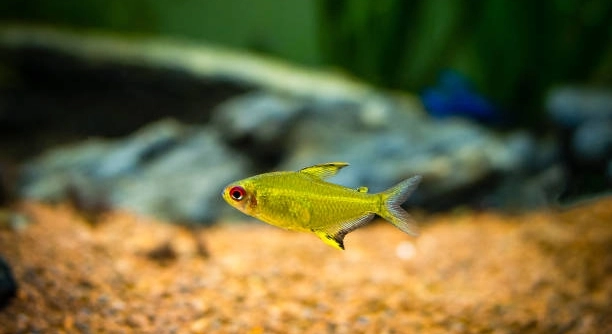
Arowanas are striking fish often admired for their graceful movements and shimmering scales. Many hobbyists notice their reactions to mirrors or reflective surfaces, which can sometimes trigger unusual behaviors in these sensitive and intelligent creatures.
Arowanas can indeed become confused by their reflections. They may mistake the image for another fish, leading to aggressive displays or repetitive swimming patterns. Such responses indicate their perception of reflection as a social or territorial stimulus.
Observing these interactions can reveal much about their instincts and natural behaviors, helping owners manage their aquatic environment more effectively.
How Reflections Affect Arowana Behavior
Arowanas are naturally territorial and highly aware of their surroundings. When they see their reflection in glass or water surfaces, they may react as if another fish has entered their space. This can cause them to flare their fins, swim aggressively, or even ram into the glass repeatedly. Over time, frequent exposure to reflections may induce stress, affecting their overall health and appetite. Some arowanas may quickly learn to ignore the reflection, while others remain highly reactive. Understanding these behaviors is essential for maintaining a calm and healthy tank environment. Adjusting lighting, adding background decorations, or changing tank placement can reduce unwanted encounters with reflections. Observing how your fish responds helps you gauge whether these strategies are working. Each arowana can have a different tolerance level, so monitoring their reactions carefully ensures they remain comfortable. Tank setup plays a key role in preventing stress caused by misinterpreted reflections.
Frequent exposure to reflections can create stress in some arowanas, so managing their environment carefully is crucial for their well-being.
Monitoring your arowana daily allows you to see subtle behavioral changes. If you notice aggression toward reflections, modifying the tank environment or adding visual barriers can significantly improve their comfort. Simple adjustments like repositioning lights or adding plants can make a big difference in reducing stress.
Preventing Reflection Stress
Limiting exposure to reflective surfaces can help reduce aggressive or confused behaviors. Mirrors or bright surfaces should be minimized in the tank area.
Providing a well-decorated tank with hiding spots, plants, and non-reflective backgrounds is highly effective in preventing stress. Floating plants, driftwood, and dark tank walls can break up reflective surfaces and give the arowana visual cues that the environment is safe. Regularly rearranging decorations can also reduce repetitive aggression toward reflections. Some aquarists use subtle lighting changes to minimize glare on glass, which can lessen the fish’s reaction. Observation remains key, as each arowana responds differently to reflections, and understanding its behavior helps maintain a healthy, calm environment. By combining proper tank setup with attentive care, you can ensure your arowana stays confident and relaxed, allowing its natural beauty and movements to shine without interference from misleading reflections.
Identifying Reflection-Induced Stress
Signs of reflection-induced stress include pacing along the tank, fin flaring, and repeated lunging at glass surfaces. Some arowanas may hide more often or show reduced appetite. Recognizing these behaviors early helps prevent long-term health issues and ensures the fish remains active and healthy.
Stress from reflections can weaken the immune system, making arowanas more susceptible to disease. Persistent aggressive interactions with their own image may result in injuries or scale damage. Tank size, lighting, and decorations all influence how the fish perceives reflections. Careful observation allows adjustments to the environment, reducing stress triggers. Each arowana’s tolerance varies, so ongoing monitoring is necessary.
Behavioral changes may also affect social interactions if multiple fish share the tank. A stressed arowana may become territorial or avoid other fish. Modifying tank layout and providing visual barriers can help, ensuring they feel secure and minimizing unnecessary confrontation with reflections or other inhabitants.
Effective Environmental Adjustments
Using non-reflective backgrounds or adding plants can significantly reduce reflection stress. Light placement also impacts how reflections appear in the tank.
Adjustments like rearranging decorations, adding driftwood, or using darker backgrounds prevent the fish from constantly seeing its own reflection. Subtle changes in lighting intensity or direction reduce glare and confusion. Floating plants or hiding spots give the arowana places to retreat, promoting natural, calm behaviors. Continuous observation ensures these measures work effectively, allowing you to respond quickly if stress behaviors reappear. Maintaining a varied and well-structured tank environment is essential for the fish’s mental and physical health over time.
Common Tank Setups That Trigger Reflections
Glass tanks without backgrounds or minimal decorations often create clear reflections. Bright lighting or direct sunlight can intensify these reflections, making them more noticeable to arowanas. Awareness of tank placement and light sources helps reduce unnecessary stress.
Tanks with shiny ornaments or smooth surfaces may also amplify reflections. Even small reflective objects inside the tank can catch the fish’s attention, causing repeated aggressive behavior. Careful selection of decor minimizes visual disturbances and creates a calmer environment.
Adjusting Tank Conditions
Proper tank conditions help arowanas feel secure and reduce reactions to reflections. Adding plants, driftwood, or non-reflective backdrops creates visual barriers and reduces glare. Light intensity and positioning should be adjusted to minimize mirrored surfaces. Continuous monitoring of behavior ensures these changes are effective and lasting.
Observing Long-Term Effects
Consistent stress from reflections can affect growth, appetite, and overall health. Monitoring behavior over time helps detect subtle changes early and maintain a stable, comfortable environment.
FAQ
Can arowanas harm themselves by attacking their reflections?
Yes, repeated attacks on reflective surfaces can injure an arowana. Scratches, torn fins, and damaged scales may occur if they continually perceive their reflection as a rival. These injuries can increase the risk of infection, making it important to minimize exposure to mirrors or highly reflective surfaces in the tank.
How can I tell if my arowana is stressed by reflections?
Signs include constant swimming along the glass, aggressive lunging at the reflection, hiding more often, or showing reduced appetite. Stress may also manifest as fin clamping or unusual color changes. Observing daily behavior helps identify whether reflections are causing tension and allows for timely adjustments to the tank environment.
Are some arowanas more sensitive to reflections than others?
Yes, sensitivity varies by individual temperament and species. Some arowanas quickly learn to ignore their reflection, while others react aggressively or repeatedly. Age and size also influence responses; younger fish may be more curious, whereas older fish may display more territorial aggression toward reflections.
What tank modifications help reduce reflection stress?
Non-reflective backgrounds, floating plants, and driftwood can break up reflective surfaces. Adjusting light placement to minimize glare, using darker walls, and avoiding shiny decorations also helps. These measures create visual barriers, allowing the arowana to feel secure and reducing repetitive or aggressive behavior toward its own image.
Is reflection stress harmful over the long term?
Yes, chronic stress can affect immune function, slow growth, reduce appetite, and impact overall health. Long-term exposure to reflections may also increase territorial aggression toward other tank mates, making it important to create a calm, stable environment that minimizes triggers.
Can mirrors ever be used safely in a tank?
Mirrors can be used briefly to stimulate exercise or observation but should not remain in the tank continuously. Short exposure can encourage movement, but long-term use may lead to stress and aggression. Always remove reflective surfaces after brief interactions to avoid negative effects.
How often should I monitor my arowana for reflection stress?
Daily observation is ideal, especially in tanks with minimal decorations or bright lighting. Keeping notes on behavior, appetite, and interaction with reflections helps track stress levels. Early intervention can prevent injuries and long-term health issues.
Do other fish in the tank react to arowana reflections?
Yes, some tank mates may respond to the arowana’s aggressive displays. Smaller or timid fish may hide more often, while others may mirror the aggression. Ensuring the tank has sufficient hiding spaces and visual barriers benefits all inhabitants.
Can lighting changes reduce reflection problems?
Adjusting the position and intensity of lighting can significantly decrease reflection visibility. Avoid direct sunlight or bright overhead lights that produce glare. Using diffused or angled lighting minimizes mirrored surfaces and reduces confusion or aggression in the fish.
Are certain decorations better than others to prevent reflection issues?
Textured or dark-colored decorations work best. Driftwood, rocks, and plants provide hiding spots and reduce reflective surfaces. Shiny or smooth ornaments should be avoided, as they can trigger repeated attacks. Regularly rearranging decorations keeps the environment engaging and lowers stress caused by repeated visual triggers.
How do I know if my adjustments are working?
Monitor behavior over several weeks. Reduced lunging at the glass, calmer swimming patterns, normal appetite, and relaxed fin posture indicate that reflection stress is decreasing. Adjustments may require minor tweaks to lighting, decorations, or tank placement until the arowana consistently displays calm behavior.
Is reflection stress more common in certain tank sizes?
Smaller tanks increase the likelihood of reflection stress, as the fish encounters mirrored surfaces more frequently. Larger tanks with more hiding spaces and visual barriers provide a sense of security, reducing repetitive aggression and improving overall well-being.
Can stress from reflections affect breeding or social behavior?
Yes, stressed arowanas may become less active or show less interest in social interactions. Aggression toward reflections can interfere with compatible tank mates, making careful environmental management critical for maintaining healthy social dynamics and encouraging natural behaviors.
Are young arowanas more likely to be confused by reflections?
Younger fish are often more curious and may explore reflections more actively. This can lead to repeated attacks or stress if visual barriers are insufficient. Early intervention with plants, backgrounds, and controlled lighting helps them adapt without developing long-term aggressive habits.
What role does observation play in preventing reflection stress?
Continuous monitoring allows you to detect subtle behavioral changes before they escalate. Recognizing signs early ensures timely modifications to the tank, maintaining a calm environment, protecting the arowana’s health, and fostering natural behaviors without unnecessary stress.
This FAQ covers the key concerns about reflections and their impact, providing practical ways to manage stress and maintain arowana well-being effectively.
Final Thoughts
Arowanas are remarkable fish with strong instincts and natural territorial behaviors. Their reactions to reflections are not unusual but are often misunderstood by aquarium owners. When arowanas see their own image, they may perceive it as another fish encroaching on their space. This can lead to aggressive displays, repeated lunging, or prolonged swimming along glass surfaces. Understanding that these behaviors are instinctual rather than intentional is important for maintaining a calm perspective. Tank conditions, lighting, and decor play significant roles in how the fish experiences reflections. Simple changes, like using darker backgrounds, adding plants, or repositioning lights, can reduce visual triggers and make the environment less stressful. Observing the fish’s daily behavior allows for adjustments before stress becomes chronic. Each arowana is different, and responses to reflections vary, so ongoing attention is essential for their comfort and health.
Stress from repeated exposure to reflections can have long-term effects on the fish’s overall well-being. Chronic stress may weaken the immune system, slow growth, and reduce appetite. Aggression triggered by reflections can also lead to injuries such as torn fins or damaged scales, which may increase the risk of infection. Managing these risks is a key responsibility for any arowana owner. Providing visual barriers, arranging decorations thoughtfully, and minimizing reflective surfaces all contribute to a healthier environment. Regular observation helps identify early signs of stress, including hiding, unusual swimming patterns, or persistent lunging. Even minor adjustments can make a significant difference in behavior. Over time, creating a stable and well-structured tank allows the fish to feel secure, reducing unnecessary aggression and promoting natural activity levels. By paying attention to their reactions, owners can ensure their arowanas remain confident and calm, fostering both mental and physical well-being.
The key to managing reflection-related behavior is a combination of careful observation, environmental adjustments, and consistency. Every tank setup and every fish is unique, so there is no one-size-fits-all solution. However, creating a safe and visually varied environment will generally reduce stress and confusion. Using floating plants, driftwood, and dark or textured backgrounds provides places for the fish to retreat, while subtle lighting adjustments minimize glare and reflection intensity. Monitoring daily allows owners to respond to any signs of stress promptly. Arowanas are intelligent and sensitive, and they thrive best in an environment that respects their instincts while minimizing unnecessary triggers. By prioritizing their comfort, you support both their health and their natural behaviors. Over time, a well-planned tank encourages peaceful, confident, and active arowanas, allowing them to display their elegance without interference from reflections. Attention to these details creates a balanced environment where the fish can flourish, reducing frustration for both the owner and the arowana.

Hello,
If you enjoy the content that we create, please consider saying a "Thank You!" by leaving a tip.
Every little bit helps us continue crafting quality advice that supports the health, happiness, and well-being of pets around the world, for pets of all shapes, sizes, and species.
We really appreciate the kindness and support that you show us!