
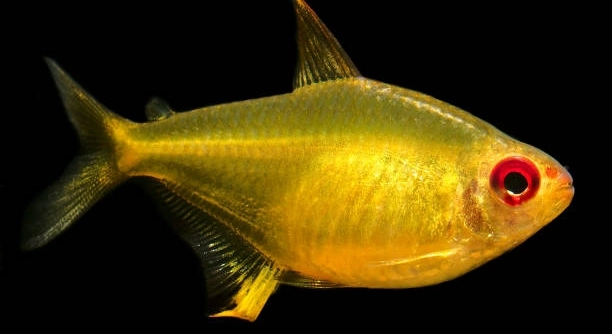
Lemon Tetras are small, vibrant fish that add color and life to any freshwater aquarium. Watching them eat can be fascinating, but their feeding habits often reveal much about their overall health and behavior.
Monitoring feeding patterns in Lemon Tetras is essential for maintaining their health. Consistent observation allows owners to detect appetite changes, ensure proper nutrition, and prevent overfeeding or aggression, supporting the fish’s long-term wellbeing in a controlled aquarium environment.
Recognizing these feeding habits can help you maintain a balanced and healthy aquarium ecosystem for your Lemon Tetras. Paying attention now can prevent problems later.
Sudden Changes in Appetite
Sometimes my Lemon Tetras suddenly eat less or seem uninterested in food. These shifts can happen due to stress, water quality, or illness. Even small changes in behavior are worth noting. Observing how often and how much they eat helps identify early signs of problems.
A sudden drop in appetite can indicate a water parameter issue or an underlying health concern. Immediate attention can prevent serious illness.
Lemon Tetras are sensitive to their environment. Changes in temperature, pH, or ammonia levels can reduce their appetite. Stress from new tank mates or rearranged decorations may also cause them to eat less. Illness, including parasites or bacterial infections, can manifest as disinterest in food. Regular observation, feeding consistent amounts, and maintaining stable water conditions can help restore their normal eating behavior. Recording their feeding patterns daily allows you to notice gradual changes before they escalate. Offering a variety of foods, such as flake, frozen, and live options, can stimulate appetite and keep them nourished. A balanced diet combined with stable water conditions is key for healthy, active Lemon Tetras.
Aggressive Feeding Behavior
Some Lemon Tetras may chase or nip at tank mates during feeding. This is usually due to competition for food or limited space.
Overcrowding or insufficient food can make them pushy at mealtimes.
Aggressive feeding behavior can stress other fish and lead to injuries. Providing ample space, hiding spots, and evenly distributing food helps minimize this issue. Observing how they interact during feeding can indicate if aggression is temporary or persistent. Adjusting the feeding routine, such as giving smaller portions more frequently, often reduces competition. It is also helpful to ensure tank mates are compatible and calm. Consistent monitoring and minor adjustments in the tank setup can greatly improve harmony during feeding, keeping all Lemon Tetras and their companions healthy and stress-free.
Selective Eating
Lemon Tetras often pick certain foods and leave others behind. This behavior can make it tricky to ensure they get a balanced diet. Offering variety helps meet their nutritional needs.
Selective eating is common in Lemon Tetras. Some fish may prefer flake foods, while others favor frozen or live options. Over time, they learn which foods appeal most, often ignoring less-preferred items. It is important to rotate food types and observe which ones are consistently eaten. If a favorite food runs out, they may reluctantly try alternatives. Providing small portions of multiple foods at once encourages them to sample everything, reducing nutrient gaps. Recording their preferences also helps in planning a balanced diet.
Consistency and observation are key. Feeding at the same times and noting which foods are consumed ensures your Lemon Tetras get proper nutrition. Ignoring selective tendencies can lead to deficiencies. Balancing their diet with flakes, micro pellets, and occasional live foods encourages healthier eating patterns. Rotating proteins and plant-based options keeps them active and reduces boredom. Tracking leftovers prevents overfeeding and maintains water quality. With patience, most Tetras adapt to new foods.
Feeding at Different Tank Levels
Lemon Tetras often feed at mid-water, but some explore surface or bottom layers. Understanding this helps ensure all fish get access to food.
Offering foods that sink, float, or stay mid-water accommodates their natural feeding habits.
Feeding at different tank levels can prevent competition and stress. Floating flakes allow surface feeders to eat without interference from mid-water fish. Sinking pellets reach bottom dwellers, ensuring they aren’t left hungry. Mid-water feeders benefit from smaller portions distributed evenly throughout the tank. Observing where your Lemon Tetras gather during feeding shows their preferred zones. Adjusting food placement reduces aggression and ensures balanced nutrition for every fish. Regularly alternating food types across tank levels promotes natural behaviors, supports healthy growth, and maintains overall tank harmony. By paying attention to these patterns, feeding becomes more efficient and less stressful for all tank inhabitants.
Rapid Eating
Some Lemon Tetras eat very quickly, often swallowing large amounts at once. This can lead to uneaten food and water quality issues.
Rapid eating may indicate competition or stress in the tank. Slowing down feeding helps prevent overfeeding and maintains a healthier environment.
Ignoring Certain Foods
Lemon Tetras may completely ignore some food types. This selective behavior can cause nutrient imbalances if not addressed. Offering a variety and observing preferences ensures they receive proper nutrition and adapt to different food options over time.
Grazing Throughout the Day
Some Lemon Tetras nibble small amounts frequently rather than eating all at once. Grazing behavior can indicate comfort in the tank and a natural feeding rhythm that mimics their behavior in the wild.
FAQ
How often should I feed my Lemon Tetras?
Lemon Tetras do best with small, consistent feedings. Feeding them two to three times a day in measured amounts prevents overfeeding and maintains water quality. Observing how quickly they finish food helps determine if portions are correct.
What foods are best for Lemon Tetras?
A balanced diet includes flake foods, micro pellets, and occasional live or frozen options like daphnia or brine shrimp. Variety ensures they receive essential nutrients. Rotating foods also keeps them active and reduces selective eating tendencies.
Can I overfeed my Lemon Tetras?
Yes, overfeeding is common and harmful. Excess food can pollute the tank, cause obesity, and promote disease. Feed only what they consume within two minutes, and remove leftovers promptly. Monitoring their appetite helps prevent overfeeding.
Why do my Lemon Tetras ignore certain foods?
They may prefer specific textures or flavors. It’s normal for them to be selective. Offering different options in small amounts encourages them to try new foods. Consistent observation ensures they receive proper nutrition.
What should I do if my Lemon Tetras eat too fast?
Rapid eating can stress the fish or cause digestive issues. Spreading food in smaller portions across the tank helps slow them down. Adding floating and sinking foods at different levels reduces competition.
How can I encourage grazing behavior?
Providing tiny amounts of food throughout the day mimics natural conditions. They nibble small portions frequently, which is healthier and keeps them engaged. Using slow-sinking foods allows mid-water feeders to graze naturally without stress.
Do Lemon Tetras need live food?
Live food isn’t required but can improve health and color. It stimulates natural hunting instincts and adds protein variety. Frozen alternatives like brine shrimp or bloodworms are also effective and easier to store.
How do I know if my Lemon Tetras are eating enough?
Healthy Lemon Tetras are active, vibrant, and maintain weight. Uneaten food or sudden appetite changes may indicate issues. Monitoring feeding behavior, growth, and energy levels helps ensure they are receiving sufficient nutrition.
Can tank mates affect feeding habits?
Yes, aggressive or larger fish can intimidate Lemon Tetras, causing selective eating or stress. Providing hiding spots, distributing food evenly, and maintaining compatible species reduces competition. Observing interactions during feeding ensures all fish are eating adequately.
Is it okay to skip a feeding?
Occasionally skipping one meal is safe, but consistent feeding schedules are important. Regularity helps maintain digestive health and keeps water quality stable. Over time, they adapt to a predictable routine and show less stress during mealtimes.
What signs indicate a feeding problem?
Signs include decreased activity, loss of color, weight changes, or uneaten food. Rapid or aggressive eating can also signal stress. Regular monitoring and adjusting diet or tank conditions promptly helps prevent serious health issues.
How can I improve water quality related to feeding?
Feed small amounts and remove leftovers to avoid decay. Regular water changes and filtration help maintain balance. Using varied foods prevents excess waste and keeps Lemon Tetras healthy. Monitoring ammonia, nitrite, and nitrate levels ensures a safe feeding environment.
How long can Lemon Tetras go without food?
They can survive a few days without food, but prolonged fasting can weaken them. Regular, small feedings maintain energy and health. In emergencies, they can tolerate short breaks, but consistent feeding is always preferred.
Do Lemon Tetras eat at night?
They are primarily active during the day. Nighttime feeding is unnecessary, but some nibbling may occur. It’s best to focus on daytime feedings to match their natural rhythm.
Can feeding schedules affect breeding?
Yes, a nutritious and consistent diet encourages healthy breeding behavior. Providing live or protein-rich foods improves fertility and overall health, which supports spawning and fry growth.
How can I tell if a new food is safe?
Introduce new foods gradually in small amounts. Monitor for digestion issues or refusal. Safe foods include high-quality flakes, pellets, and occasional frozen or live treats. Avoid human food or untested items.
What’s the best way to feed multiple Tetras at once?
Distribute food evenly across the tank to prevent competition. Offer small portions at different levels so all fish can access food without stress. Observing feeding patterns ensures no fish is left hungry.
How do I manage picky eaters?
Rotate foods and offer small amounts of each type. Encourage tasting by mixing favorites with less-preferred foods. Patience and consistency help picky Lemon Tetras gradually accept a more balanced diet.
Can feeding habits indicate illness?
Yes, unusual behaviors like sudden loss of appetite, aggression, or constant grazing may signal disease or stress. Early detection through observation allows for quick intervention and better recovery outcomes.
Is it necessary to fast Lemon Tetras once a week?
Occasional fasting isn’t harmful and can aid digestion. Skipping one feeding per week is acceptable but not required. Monitor the fish to ensure they remain healthy and active.
How important is portion size?
Portion control is critical. Small, measured feedings prevent overfeeding, reduce waste, and maintain water quality. Adjust portions based on observation of what the Tetras eat in a few minutes.
Final Thoughts
Lemon Tetras are lively, small fish that bring color and activity to any freshwater tank. Paying attention to their feeding habits is important for their health and well-being. Their eating behavior can tell a lot about their comfort, stress levels, and overall condition. By observing how they respond to different types of food, the frequency of their feedings, and how they interact with tank mates during mealtimes, you can ensure they remain healthy and active. Small details, like whether they eat quickly, nibble throughout the day, or avoid certain foods, are clues that help guide care decisions. Consistent observation is one of the simplest ways to prevent problems before they become serious.
Providing a balanced diet is crucial for Lemon Tetras. Flakes, micro pellets, frozen, and occasional live foods together provide the nutrients they need for energy, growth, and vibrant color. Variety in their diet not only keeps them interested in eating but also prevents nutritional gaps that could affect their health. It is important to adjust the type and amount of food based on their appetite and activity levels. Overfeeding or underfeeding can both cause issues, so measuring portions and monitoring leftovers is a practical step. Food should be offered in a way that accommodates their natural feeding levels, such as mid-water, surface, or bottom, depending on their preference. This ensures that every fish gets its share without stress or competition.
Maintaining stable water conditions complements proper feeding. Water quality, temperature, and pH levels directly influence appetite and digestion. Sudden changes in the tank environment can cause reduced interest in food or unusual behaviors. Keeping the tank clean, performing regular water changes, and monitoring chemical levels helps support healthy feeding habits. Attention to these details, combined with careful observation of feeding patterns, creates a safe and comfortable environment for Lemon Tetras. When feeding is managed thoughtfully and consistently, these fish thrive, maintain bright colors, and remain active, providing a lively and harmonious aquarium experience.

Hello,
If you enjoy the content that we create, please consider saying a "Thank You!" by leaving a tip.
Every little bit helps us continue crafting quality advice that supports the health, happiness, and well-being of pets around the world, for pets of all shapes, sizes, and species.
We really appreciate the kindness and support that you show us!