
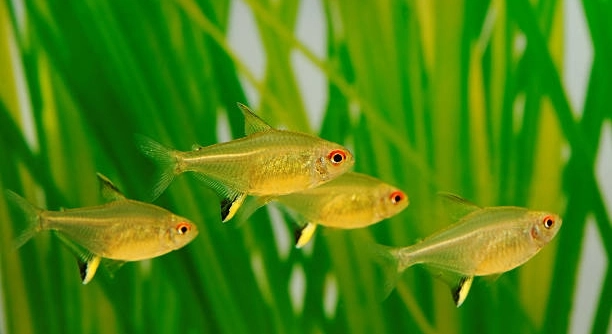
Have you ever noticed your Lemon Tetra swimming quickly around their tank, constantly chasing one another without pause? Observing their energetic movements can be entertaining and sometimes confusing for those who are new to keeping these lively fish.
Lemon Tetra engage in chasing behavior primarily as a form of social interaction and hierarchy establishment. This behavior helps maintain group cohesion, reduces aggression by clarifying dominance, and stimulates natural activity patterns necessary for their overall health.
Understanding why your Lemon Tetra behave this way will help you create a balanced and harmonious aquarium environment. Proper insight can make their lively displays more enjoyable and easier to manage.
Establishing Hierarchy
When I first noticed my Lemon Tetra chasing each other, I realized it was more than just playful swimming. In a group, they naturally set a pecking order, and chasing is their way of communicating rank. Dominant fish often swim assertively while others follow or retreat, creating a visible social ladder. Observing this can help you identify which fish are leading and which are more submissive. It is important to maintain a stable group size so that aggression doesn’t escalate. Overcrowding can increase stress and lead to health issues. Keeping their environment enriched with plants and hiding spots also allows less dominant fish to rest and recover. Proper feeding routines ensure that all fish get enough food, which reduces tension caused by competition. Watching these interactions helped me appreciate their natural behaviors rather than worrying about their constant motion, making the tank feel alive and organized.
Hierarchy allows Lemon Tetra to maintain a structured social environment, keeping aggression in check.
By recognizing how dominance influences behavior, you can better manage tank conditions. Providing space and resources prevents unnecessary stress and helps each fish thrive, promoting harmony in the aquarium.
Play and Exercise
Chasing in Lemon Tetra is often a form of exercise.
These fish are naturally active, and swimming rapidly while chasing keeps them agile and healthy. It is a normal behavior that supports their stamina, reflexes, and coordination.
Watching my tetra swim energetically around the tank made me realize how important it is to let them move freely. Unlike some fish that prefer hiding, Lemon Tetra need space to express their energy. Keeping their tank long and wide enough allows them to swim in groups without constant collisions. I added floating plants and open water areas so they could weave through obstacles, which increased their activity. Their chasing also encourages interaction, which prevents boredom and supports mental stimulation. Tanks without enough space or enrichment can lead to lethargy, making them more prone to disease. Observing their playful behavior reminded me that activity is a natural need, not just a quirky habit. Proper tank setup and regular observation make it easier to appreciate their lively, energetic nature while keeping them healthy.
Mating Behavior
Lemon Tetra chasing is often linked to mating instincts. Males pursue females as part of courtship, showing off their colors and stamina. This behavior is natural and happens more frequently when the fish are healthy and the water conditions are stable.
I noticed my male tetras swimming closely behind the females, flicking their fins and displaying bright yellow tones. This chasing is not aggressive but a form of attraction. During breeding periods, males become more persistent, and the females may respond by darting away or allowing the male to follow. It’s fascinating to see how their behavior changes subtly with the seasons and water temperature. Even without actual spawning, this instinctive activity keeps them engaged and active. Observing this courtship gave me a better understanding of their reproductive cycle and showed me how important water quality and diet are for natural behaviors to appear.
Watching their interactions over time highlighted that chasing is a complex combination of play, exercise, and reproductive instinct. Recognizing these patterns helped me adjust tank conditions to support their natural rhythms, like providing more plants and slightly dimmer lighting for comfort.
Stress and Territory
Chasing can indicate stress or territorial disputes, especially in smaller tanks. Lemon Tetra need enough space to avoid constant confrontation, and lack of hiding spots can increase tension.
I observed that when my tank was crowded, the chasing became sharper and more frequent, with fish darting aggressively around corners. Providing plants and decorations created boundaries and hiding areas that helped reduce this behavior. Stress can also come from sudden changes in water temperature, pH, or adding new fish too quickly. Each fish needs time to adjust, and giving them clear spaces helps them establish personal areas. Watching them settle into their territories reminded me how sensitive these small fish can be to their environment. By adjusting tank layout and monitoring water quality, I noticed the chasing became less stressful and more playful, maintaining balance.
Feeding Competition
Chasing often occurs during feeding times. Lemon Tetra swim quickly to grab food, creating a flurry of movement. This behavior is natural and ensures that each fish gets its share, especially in larger groups.
I noticed that smaller or slower fish sometimes follow the faster ones closely, trying to snatch leftover flakes or pellets. This chasing is not harmful if food is evenly distributed. Using a spread-out feeding method or multiple feeding points reduces tension and makes mealtime calmer. Watching them scramble for food reminded me how important proper feeding techniques are for maintaining harmony in the tank.
Schooling Behavior
Lemon Tetra chase one another to maintain group cohesion and coordinated swimming patterns. Their movements help the school stay tight, enhancing safety from perceived threats and promoting synchronized behavior.
Environmental Stimulation
Chasing increases when the tank is enriched with plants, rocks, or open swimming spaces. A stimulating environment encourages natural activity and keeps the fish engaged.
Why are my Lemon Tetra constantly chasing each other?
Chasing is a normal part of Lemon Tetra behavior. It can be linked to hierarchy, play, mating instincts, or schooling behavior. In my tank, I noticed the chasing was more intense during feeding and when new fish were added. This behavior helps maintain social order, keeps them active, and allows them to interact naturally. Understanding the reason behind their movement makes it easier to distinguish between healthy activity and aggression that needs intervention. Proper tank size, hiding spots, and multiple feeding points can reduce stress-related chasing.
Is chasing a sign of aggression?
Not always. Lemon Tetra chasing is often social or playful rather than aggressive. Aggressive chasing usually involves biting, ramming, or persistent cornering. I observed that when chasing is brief and fish quickly return to normal swimming, it’s a healthy behavior. Aggression tends to increase if the tank is overcrowded, water conditions are poor, or there are sudden changes in the group. Adding plants and decorations helped reduce tension, creating natural barriers and giving less dominant fish space to escape. Monitoring behavior over time is key to distinguishing normal chasing from harmful aggression.
Does chasing mean my fish are stressed?
Chasing can indicate mild stress, especially if it becomes constant or intense. Stress often comes from small tanks, poor water quality, or lack of hiding spots. I noticed my tetras were more frantic in a crowded tank, darting rapidly and bumping into each other. By improving water conditions, adding plants, and ensuring adequate swimming space, the chasing became more playful and less stressful. Regular observation of body color, fin condition, and swimming patterns also helps detect early signs of stress before health issues arise.
How can I reduce excessive chasing?
Providing space, hiding spots, and multiple feeding areas can reduce chasing. In my experience, rearranging plants and decorations made a big difference. Overcrowding is a common factor, so keeping an appropriate number of fish for the tank size is crucial. Maintaining consistent water temperature, pH, and quality helps reduce tension as well. If chasing persists despite these changes, it may be a sign of dominant fish needing temporary separation to restore balance. Regular monitoring and careful tank management are the most effective ways to keep chasing within healthy limits.
Is chasing linked to mating behavior?
Yes, especially for males following females. I noticed brighter-colored males chasing females during breeding periods. This chasing is part of courtship, showing off stamina and colors. Females may dart away or allow males to follow, and this behavior is natural. Providing suitable plants and gentle lighting can make this process less stressful. Observing their courtship helped me understand their reproductive cycle better and ensured the males remained active without causing harm to others.
Will chasing harm my Lemon Tetra?
In most cases, no. Normal chasing is brief and part of social or reproductive behavior. Problems arise only if chasing becomes aggressive, constant, or leads to injury. In my tank, careful attention to space, hiding spots, and group dynamics prevented harm. By separating overly aggressive individuals or adjusting the tank layout, I maintained a safe environment where chasing remained a healthy, natural activity.
How does tank size affect chasing?
Smaller tanks increase chasing due to limited space. I observed that moving my Lemon Tetra to a larger tank reduced frantic movements. Adequate swimming space allows the fish to establish hierarchy, follow schooling patterns, and exercise without stress. Ensuring open swimming areas alongside plants and hiding spots creates balance, reducing unnecessary chasing and promoting natural behavior. Proper tank size is one of the easiest ways to maintain a harmonious environment.
Are certain tank setups better for reducing chasing?
Yes. A tank with open swimming areas, floating plants, and vertical decorations helps manage chasing. In my experience, scattered hiding spots allowed shy fish to escape brief chases, and structured areas prevented constant contact. Using multiple feeding points also reduced competition. A well-planned tank keeps activity natural while preventing stress or aggressive escalation.
Can chasing indicate illness?
Rarely, but it can be a secondary sign. Sick fish may be chased more often or show unusual movements. I noticed that lethargic fish were targeted more during group swims, prompting me to check water conditions and health. Monitoring diet, water quality, and fish behavior together helps ensure chasing remains a normal, healthy activity rather than a sign of illness.
Should I separate my Lemon Tetra if they chase too much?
Separation is sometimes necessary for aggressive individuals. I had one dominant male that repeatedly chased smaller fish, so temporarily moving him to a separate tank restored balance. Usually, adjusting the tank environment, adding plants, or providing more space is enough. Separation should be a last resort after other strategies are applied. It helps prevent injury while maintaining social behavior for the rest of the group.
This FAQ section highlights the most common reasons and solutions for chasing in Lemon Tetra, helping ensure a healthy, balanced, and lively aquarium environment.
Final Thoughts
Watching Lemon Tetra chase each other can be both entertaining and a little worrying at first. Their constant movement is normal, and in most cases, it is part of healthy social interaction. Over time, I learned that chasing helps them establish hierarchy, maintain schooling behavior, and even express mating instincts. Observing their patterns allowed me to see the difference between playful chasing and aggression. It became clear that providing the right environment is key to keeping their activity natural and safe. Even though they swim fast and seem chaotic, their behavior is part of a structured social system that ensures each fish finds its place in the group.
Creating the right tank environment greatly reduces problems caused by chasing. Adequate swimming space, hiding spots, and proper decorations are essential. I noticed that after adding plants and creating open areas, the chasing became less frantic and more purposeful. Feeding routines also play a role. By spreading food in different areas, every fish gets its share, reducing competition and tension. Water quality is another important factor. Stable temperature, pH, and clean water keep the fish healthy and calm. Once these conditions were met, the chasing looked more like energetic play rather than stress or aggression. Understanding these factors made me feel more confident in caring for my Lemon Tetra and helped the tank become a calmer, more balanced environment.
It is important to remember that chasing is not always a problem. In a properly maintained aquarium, it is part of normal behavior that keeps the fish active and engaged. Observing how your Lemon Tetra interact with each other teaches a lot about their natural habits and needs. I found that regular monitoring, a well-planned tank layout, and careful attention to water conditions all help the fish live happily together. By understanding why they chase and how to manage it, the activity can be appreciated rather than feared. Lemon Tetra are lively, social fish, and their chasing is a sign that they are active, healthy, and expressing natural behaviors, making the aquarium an engaging and dynamic space.

Hello,
If you enjoy the content that we create, please consider saying a "Thank You!" by leaving a tip.
Every little bit helps us continue crafting quality advice that supports the health, happiness, and well-being of pets around the world, for pets of all shapes, sizes, and species.
We really appreciate the kindness and support that you show us!