
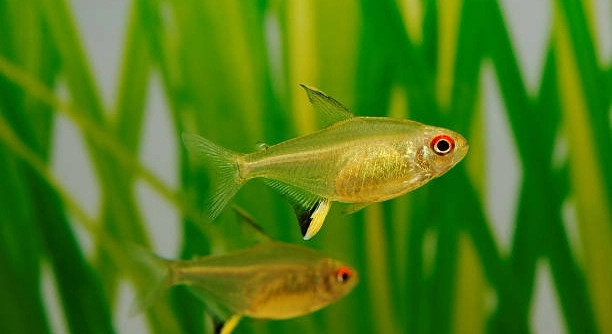
Do you love keeping a peaceful community tank but find your lemon tetras acting nervous around other fish? These small, vibrant fish are known for their sensitivity and preference for calm, compatible tank mates.
Lemon tetras experience stress when housed with aggressive, overly active, or significantly larger species. Fish that chase, nip fins, or dominate swimming space can disrupt their natural behavior, leading to reduced feeding, hiding, and weakened overall health.
Understanding which tank mates pose risks is essential for maintaining harmony. Knowing the signs of stress can help protect your lemon tetras and preserve their well-being.
Aggressive Fish Species
Aggressive fish can make lemon tetras extremely anxious. Species such as bettas, cichlids, and tiger barbs are known for their territorial or combative behavior. Even a single aggressive fish can disrupt the calm environment lemon tetras need to thrive. These tetras are small and peaceful, often schooling together for security. Aggressive tank mates chase, nip, or corner them, causing visible stress. Over time, this stress can lead to illness or a weakened immune system. It is crucial to observe how your tetras interact with other species. Signs of stress include rapid swimming, hiding, or failing to eat. Maintaining a balanced tank with non-aggressive species helps reduce tension. Planning a tank setup in advance and researching compatibility prevents issues before they start. By carefully selecting calm and similarly sized fish, lemon tetras can flourish in a safe, harmonious environment where natural behaviors like schooling and grazing can continue uninterrupted.
Aggressive fish reduce lemon tetras’ natural confidence and can lead to long-term health problems.
Monitoring interactions closely ensures early intervention, keeping your tank peaceful and your tetras thriving naturally. Lemon tetras need consistent calm surroundings to display normal behavior and coloration, which can be easily disrupted by even minor aggression. Selecting compatible species allows the tetras to swim freely, feed properly, and interact socially without fear, preserving their vitality and stress-free routine. Regular observation and minor adjustments in tank layout, hiding spots, or schooling groups can further minimize tension and reinforce security for these sensitive fish.
Fast-Swimming Fish
Fast-swimming fish often overwhelm lemon tetras and disrupt their peaceful routine.
These fish, such as danios or rasboras, tend to move quickly and unpredictably. Their rapid movements can cause smaller, slower tetras to hide frequently and expend unnecessary energy. Lemon tetras are delicate and thrive in moderate-paced tanks where they can swim calmly. When constantly startled, they may skip meals or become less active. Avoid overcrowding the tank to give each species space. Strategically placed plants and decorations create safe zones for tetras to retreat when needed. Ensuring tank mates have compatible swimming speeds helps maintain stability and reduces unnecessary stress. Properly monitoring fish behavior in the early days of introduction allows you to spot conflicts before they escalate. With careful planning, lemon tetras can enjoy a relaxed environment that supports their schooling tendencies and natural patterns, while fast-moving species occupy separate areas without causing harm or anxiety.
Large Predatory Fish
Large predatory fish pose a direct threat to lemon tetras. Their size and hunting instincts make tetras anxious, often hiding or refusing to eat. Keeping them together usually results in stress and health decline.
These larger species, like oscars or arowanas, naturally view small fish as potential food. Even if they do not actively attack, their presence alone can create a constant sense of danger for lemon tetras. This stress can manifest in faded coloration, erratic swimming, or prolonged hiding, all of which affect their overall well-being. Lemon tetras thrive in groups where they feel secure, and large predators disrupt that balance. Tank size also matters—smaller tanks increase stress as there is no adequate space for tetras to escape. Creating a community tank requires careful size consideration to ensure harmony.
Keeping large predatory fish with lemon tetras is rarely advisable. Even slow-moving predatory species can cause continuous stress. A well-planned tank separates these fish to maintain peace, allowing tetras to display normal behavior, school together freely, and feed without fear. Hiding spots and plants help, but the presence of a predator cannot be fully mitigated, making separation the safest choice.
Territorial Fish
Territorial fish can dominate space, leaving lemon tetras stressed and confined. Their aggressive guarding of specific areas interrupts the tetras’ natural movement and feeding patterns.
Species like certain cichlids or gouramis claim corners, plants, or decorations as their territory. Lemon tetras, being small and non-aggressive, are unable to contest these areas and are often pushed into open water or constant hiding. This territorial behavior can cause uneven access to food, forcing tetras to compete or avoid feeding areas entirely. Stress from repeated encounters may lead to reduced immunity or slower growth. Careful planning of tank layout, including multiple hiding spots and visual barriers, can reduce but not eliminate territorial conflicts. Matching fish that share similar space preferences ensures each species can coexist without constant stress or confrontation.
Fin-Nipping Fish
Fin-nipping fish cause direct stress to lemon tetras by constantly chasing or biting their fins. This behavior leads to injuries, making tetras anxious and reducing their overall health.
Common fin-nippers include tiger barbs and some danio species. Lemon tetras are small and peaceful, making them easy targets. Persistent nipping can damage fins, slow healing, and increase the risk of infection. Even minor harassment forces tetras to hide frequently, which interferes with schooling and feeding. Avoid housing these species together to maintain a calm, healthy tank.
Overcrowded Tanks
Overcrowding increases competition for space and resources, putting lemon tetras under constant stress. They may hide or swim frantically, unable to establish comfort.
Maintaining proper stocking levels is critical. Overcrowded conditions lead to limited oxygen, uneven water parameters, and aggressive interactions. Tetras need space to school naturally, explore, and feed without fear. A well-planned community tank ensures adequate room for all species, reducing stress and supporting their overall health and activity.
Incompatible Water Conditions
Lemon tetras are sensitive to water parameters. Poorly matched conditions with other species can increase stress and susceptibility to disease.
Highly Active Fish
Highly active fish disturb lemon tetras’ calm environment. Rapid, constant movement causes hiding and anxiety.
What tank mates should I avoid with lemon tetras?
Avoid aggressive, territorial, or significantly larger fish that can stress lemon tetras. Species such as bettas, tiger barbs, large cichlids, and arowanas are unsuitable. Fast-swimming fish like danios or rasboras may also cause anxiety. Even smaller fin-nippers can harm tetras’ fins and reduce their well-being.
Can lemon tetras live with other small, peaceful fish?
Yes, lemon tetras thrive with calm, similarly sized species. Ideal companions include other small tetras, rasboras that are not overly active, Corydoras catfish, and peaceful dwarf gouramis. These fish allow tetras to school comfortably and feed without fear, maintaining natural behaviors and reducing stress.
How does stress affect lemon tetras?
Stress impacts feeding, activity levels, and immune response. Stressed tetras often hide, swim erratically, lose color, or refuse food. Long-term stress weakens their immune system, increasing susceptibility to disease. A calm tank with compatible species and proper hiding spots helps prevent these problems.
What signs indicate a lemon tetra is stressed?
Visible stress signs include faded coloration, clamped fins, erratic swimming, and hiding frequently. Tetras may also skip meals or stay isolated. Monitoring behavior daily helps identify problems early, allowing adjustments to tank mates, layout, or environmental conditions.
How can I reduce stress in a community tank?
Providing enough swimming space, hiding areas, and stable water conditions reduces stress. Avoid overcrowding and maintain compatible species. Grouping lemon tetras in schools of at least six helps them feel secure. Regular observation ensures tetras maintain normal feeding and social behaviors.
Are fast or active fish always a problem for lemon tetras?
Not always, but highly active species can disturb tetras’ calm environment. Fish that constantly dart around or chase others may cause anxiety. Limiting tank mates to moderate-paced species and providing plants or decorations for refuge helps maintain balance.
Is tank size important for lemon tetras?
Yes, tank size directly impacts stress levels. Small tanks amplify conflicts and restrict escape routes. Lemon tetras do best in tanks of at least 20 gallons with space for schooling, swimming, and hiding, while ensuring each species has adequate room.
Can lemon tetras recover from stress?
Yes, if the cause is addressed promptly. Removing aggressive tank mates, adding hiding spots, and ensuring proper water conditions allow tetras to regain health. Recovery includes resumed feeding, normal schooling, and restored coloration. Regular monitoring prevents relapse and promotes long-term well-being.
How often should I check interactions in a mixed tank?
Daily observation is ideal. Watching behavior helps detect early signs of aggression or anxiety. Adjustments can include rearranging decorations, separating incompatible fish, or changing tank mates. Consistent monitoring ensures lemon tetras remain healthy and comfortable in a community environment.
Do hiding spots really help stressed tetras?
Yes, plants, rocks, and decorations provide refuge. Lemon tetras use these spaces to escape aggressive or fast-moving tank mates. Adequate hiding spots reduce anxiety, allow schooling without interference, and help maintain normal feeding and swimming behaviors.
What is the best way to introduce new tank mates?
Introduce new species slowly and monitor interactions. Quarantine new fish before adding them to prevent disease. Gradually acclimating them reduces stress and helps ensure compatibility with lemon tetras. Using visual barriers or rearranging plants temporarily can minimize initial territorial disputes.
How can water conditions impact lemon tetras’ stress levels?
Lemon tetras are sensitive to pH, temperature, and hardness fluctuations. Mismatched water conditions with other species can cause discomfort, reduce immunity, and trigger stress behaviors. Regular testing and maintaining stable parameters tailored to lemon tetras’ needs prevent unnecessary anxiety and health problems.
Are there signs that a tank is too crowded for lemon tetras?
Yes, signs include constant hiding, frantic swimming, and aggressive interactions. Overcrowding reduces feeding access, limits space for schooling, and increases stress for all fish. Maintaining proper stocking levels ensures tetras have room to swim, feed, and interact comfortably.
Can rearranging the tank help stressed tetras?
Rearranging plants or decorations can disrupt territorial dominance and provide fresh hiding areas. This reduces bullying, allows tetras to explore safely, and restores balance. Changes should be gradual to prevent additional stress and give fish time to adapt.
How do I know if a lemon tetra is compatible with a specific fish?
Observe interactions in a controlled environment or research behavior and size compatibility. Small, peaceful species that move at a moderate pace and do not compete aggressively for space or food are usually compatible. Compatibility ensures minimal stress and supports natural schooling behavior.
How long does it take for lemon tetras to adjust to a new tank mate?
Adjustment time varies but generally takes several days to a week. During this period, watch for hiding, chasing, or changes in feeding. Early intervention, such as separating aggressive or fast-moving fish, helps tetras adapt and prevents prolonged stress.
Is schooling important for lemon tetras’ well-being?
Yes, schooling provides security and reduces stress. Tetras rely on group behavior for comfort, coordinated movement, and natural feeding patterns. Keeping at least six together helps maintain social bonds and lowers anxiety caused by incompatible tank mates.
How often should I clean the tank to minimize stress?
Regular maintenance keeps water stable and reduces stress. Partial water changes weekly and cleaning filters as needed prevent waste buildup. Consistent upkeep ensures healthy conditions, reducing anxiety and supporting lemon tetras’ overall vitality.
Can incompatible tank mates cause disease in lemon tetras?
Indirectly, yes. Stress from aggressive, fast, or large fish lowers immunity, making tetras more susceptible to infections. Maintaining calm, compatible species and stable water conditions supports their natural defenses and prevents health issues related to stress.
What is the easiest way to prevent stress in lemon tetras?
Choose compatible, calm species, provide enough space, maintain water stability, and include hiding spots. Regular observation and prompt intervention when problems arise ensure a peaceful environment, allowing tetras to thrive and display normal behavior.
Are there visual signs that a tank environment is stressful overall?
Yes, tetras hiding constantly, clamped fins, faded color, and uneven feeding indicate stress. Plants and decorations may be avoided, and schooling behavior may break down. Identifying these signs early allows corrective measures to restore harmony and comfort for lemon tetras.
Lemon tetras are small, peaceful fish that thrive in calm and balanced community tanks. Their sensitivity to aggressive, fast-moving, or territorial tank mates makes careful planning essential. Choosing compatible species and monitoring behavior are key to ensuring a stress-free environment. Even minor signs of stress, such as hiding or clamped fins, can indicate that adjustments are needed to maintain their health. Lemon tetras rely on stable water conditions, adequate space, and safe areas to swim and school naturally. Without these conditions, their overall well-being can decline, affecting feeding, growth, and coloration. A harmonious tank is not only better for tetras but also easier to maintain, as fewer behavioral problems and health issues occur. Paying attention to the interactions among all species in the tank allows for early intervention when stress is observed, which helps prevent long-term complications.
Providing a proper environment means considering tank size, decorations, and the swimming habits of all fish. Overcrowding can increase stress, reduce feeding opportunities, and amplify aggressive behavior. Plants, rocks, and other hiding spots give lemon tetras the security they need to feel comfortable in the tank. Placing compatible species together, while ensuring enough room for all fish to move freely, encourages natural schooling behavior and reduces anxiety. It is also important to monitor the introduction of new tank mates carefully. Quarantining new fish, observing interactions, and gradually acclimating them to the tank can prevent conflicts and stress. Stable water parameters, including temperature, pH, and hardness, are essential for sensitive species like lemon tetras. Regular testing and maintenance of these conditions help maintain a safe and healthy environment. Proper feeding routines and observation of social behavior complete the setup, ensuring that tetras continue to thrive in a peaceful tank.
Stress in lemon tetras can affect their health quickly, so proactive management is necessary. Aggressive, territorial, or predatory fish should never be kept together with them, and fast or highly active species may need to be monitored closely. Even fish that are not overtly aggressive can still cause anxiety if space is limited or hiding spots are insufficient. By maintaining a calm and well-planned tank, lemon tetras can display their natural behavior, vibrant coloration, and normal feeding patterns. Careful attention to interactions, environment, and water quality ensures that stress is minimized, allowing tetras to live longer and healthier lives. Overall, the key to keeping lemon tetras happy and healthy is consistent observation, proper tank management, and thoughtful selection of tank mates. With these steps, the tank can remain a peaceful, balanced, and enjoyable environment for all species.

Hello,
If you enjoy the content that we create, please consider saying a "Thank You!" by leaving a tip.
Every little bit helps us continue crafting quality advice that supports the health, happiness, and well-being of pets around the world, for pets of all shapes, sizes, and species.
We really appreciate the kindness and support that you show us!