
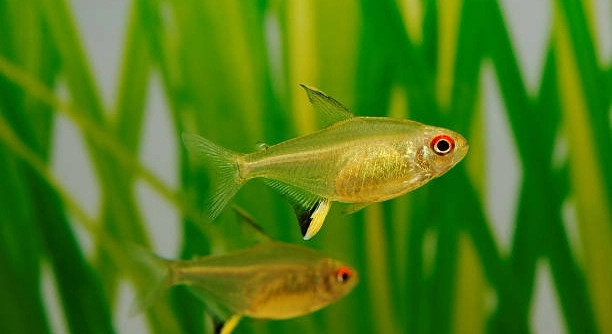
Are your lemon tetras spending more time hiding than swimming? Many aquarists notice their fish retreating behind plants or decorations. Understanding why this behavior occurs can help create a healthier, more comfortable environment for your aquarium pets.
Lemon tetras hide due to stress, poor water conditions, or lack of proper hiding spaces. Addressing these factors involves maintaining stable water parameters, providing adequate cover, and reducing aggressive tankmates, which encourages natural behavior and increases their overall well-being.
Knowing the reasons behind your fish’s hiding habits can improve their health and comfort. The following tips offer practical solutions for a happier, more active aquarium.
Stress from Tankmates
When lemon tetras are housed with aggressive or overly active fish, they may retreat to hiding spots to feel safe. Stress affects their behavior, appetite, and overall health. Even if your water conditions are perfect, constant chasing or nipping from other fish can cause anxiety. Providing peaceful tankmates and observing interactions can prevent excessive hiding. Plants, rocks, and decorations give tetras places to escape when they feel threatened. Over time, you will notice them swimming more confidently once they feel secure. Avoid overcrowding the tank, as it increases competition and tension among fish. Regularly monitoring behavior helps identify any issues early. Sometimes, rearranging the tank layout can reduce confrontations and create new territories for hiding and exploration. Stress reduction directly improves their activity levels, coloration, and longevity, making it crucial for both their mental and physical health.
Stress can be minimized by choosing calm, compatible fish and creating ample hiding spaces for your lemon tetras.
Observing your fish closely helps determine which tankmates cause anxiety. A mix of live plants and strategically placed decorations encourages natural swimming patterns while giving them secure retreats. Rearranging the tank occasionally can reset territories and reduce conflicts. Stress-free tetras display brighter colors, eat regularly, and interact more. Maintaining consistency in water quality and feeding schedules supports their overall resilience. With small adjustments, their shy behavior can diminish, allowing you to enjoy active, healthy fish.
Poor Water Quality
Even slight fluctuations in pH, temperature, or ammonia levels can cause lemon tetras to hide. They are sensitive to changes, and inconsistent water conditions trigger stress responses. Regular water testing ensures parameters remain stable and suitable for their species. Dirty water or high nitrate levels can lead to illness and lethargy, causing them to retreat. Frequent partial water changes remove waste and maintain a balanced environment. Filtration should be appropriate for tank size and bioload, and cleaning it carefully prevents harmful bacteria buildup. Observing water clarity and odor also provides clues about overall tank health. Tetras often hide near plants or decorations when water quality declines. Addressing these issues promptly promotes natural behavior and strengthens their immune system. Stability and cleanliness create a safe, inviting environment that encourages them to swim freely and confidently.
Maintaining water quality keeps lemon tetras active and reduces hiding behavior.
Consistent water parameters are essential for healthy lemon tetras. Daily observation helps catch problems before they escalate. Test ammonia, nitrite, nitrate, pH, and temperature regularly. Partial water changes of 20-30 percent weekly maintain balance, while proper filtration ensures waste removal. Avoid sudden changes when adjusting conditions, as rapid shifts increase stress. Keeping decorations and plants clean prevents algae and bacterial buildup. Healthy water supports feeding, swimming, and social interaction. When water conditions are ideal, lemon tetras feel secure and display natural behavior, reducing hiding tendencies. Over time, a stable and clean environment strengthens their resilience against disease and creates a visually appealing, lively aquarium.
Lack of Hiding Places
Lemon tetras need plants and decorations to feel secure. Without sufficient cover, they retreat to corners and remain hidden. Providing hiding spots encourages natural behavior and reduces stress, helping them swim more confidently.
Adding dense plants, rocks, and driftwood creates territories and safe zones. Tetras instinctively use these areas when threatened or resting. Live plants are especially beneficial, offering shelter and improving water quality. A mix of tall and short plants ensures hiding spaces at different levels, letting each fish find comfort. Overcrowding the tank with decorations should be avoided, as it limits swimming space and can increase stress. Rearranging plants periodically prevents territory disputes and keeps the environment stimulating. When hiding spots are adequate, lemon tetras feel safer and exhibit more active, social behavior.
Hiding spaces also improve water flow and reduce aggression. Plants and structures allow tetras to rest without exposure to stress from tankmates or equipment. Regularly maintaining these areas keeps the tank clean, prevents algae buildup, and supports fish health. Fish with proper cover are less likely to develop anxiety-related behaviors and show stronger colors. A thoughtful arrangement of decorations enhances both the fish’s security and the visual appeal of the aquarium, creating a balanced, healthy ecosystem.
Improper Lighting
Too much light can make lemon tetras feel exposed and vulnerable. Bright or prolonged lighting often causes them to hide behind plants or decorations, especially during daytime hours.
Adjusting lighting duration and intensity helps create a natural day-night cycle. Using dimmable lights or floating plants reduces brightness and provides shade. Simulating dawn and dusk conditions encourages normal swimming behavior. LED lights on a timer ensure consistent periods of light and darkness, preventing stress caused by sudden changes. Avoid placing the tank in direct sunlight, which increases algae growth and temperature fluctuations. Observing fish during different lighting conditions shows how they respond and helps identify optimal brightness levels. A well-lit tank with shaded areas encourages activity while maintaining their sense of security.
Proper lighting also supports plant growth and natural behavior. Bright conditions paired with shaded zones allow tetras to choose their comfort level. Overly harsh lighting stresses fish, leading to hiding or reduced feeding. Implementing moderate lighting enhances coloration, stimulates movement, and improves overall well-being. Regular monitoring and gradual adjustments prevent sudden stress, ensuring the tetras remain active, healthy, and confident throughout the day.
Sudden Changes in Environment
Lemon tetras are sensitive to sudden changes in temperature, pH, or tank setup. Rapid adjustments can cause them to hide and show signs of stress, even if conditions remain within acceptable ranges.
Moving decorations or introducing new fish abruptly can also trigger hiding behavior. Gradual adjustments allow tetras to acclimate comfortably.
Illness or Parasites
If a lemon tetra consistently hides and shows signs of lethargy, clamped fins, or loss of appetite, illness may be the cause. Common issues include parasitic infections, bacterial diseases, or fungal growth. Prompt observation and treatment are essential to prevent further health decline.
Overfeeding
Excess food pollutes the water and increases bacterial growth, making lemon tetras retreat to safer areas. Controlling feeding amounts helps maintain water quality and encourages normal swimming behavior.
Why does my lemon tetra hide most of the time?
Lemon tetras hide primarily due to stress, poor water quality, or lack of hiding spaces. They are naturally timid fish, and any sudden changes in the environment, aggressive tankmates, or strong lighting can make them retreat. Ensuring stable water parameters and providing plants or decorations gives them safe areas to explore without feeling threatened. Observing their behavior closely helps identify the specific cause, allowing you to make adjustments that encourage more active swimming and natural interaction with other fish in the tank.
How can I tell if hiding is due to illness?
Consistent hiding accompanied by clamped fins, lethargy, loss of appetite, or discoloration can indicate illness. Common problems include parasitic infections, bacterial diseases, and fungal growth. Quarantining affected fish and consulting treatment guides can prevent the spread of disease. Maintaining water quality reduces the likelihood of illness and keeps your tetras healthier overall. Monitoring their behavior daily makes it easier to spot early signs and intervene before problems become severe, ensuring their comfort and safety.
Can tankmates make my lemon tetra hide?
Yes, aggressive or overly active tankmates often stress lemon tetras, causing them to hide. Chasing, nipping, or dominating behavior forces timid fish into corners or behind plants. Selecting peaceful species and observing interactions helps reduce tension. Rearranging decorations and plants can also minimize conflicts. Overcrowding increases stress, so keeping a balanced number of fish in proportion to tank size is essential. By adjusting the tank setup and choosing compatible companions, lemon tetras can feel safer and swim more confidently throughout the aquarium.
How does water quality affect hiding behavior?
Even minor fluctuations in pH, temperature, or ammonia levels trigger hiding behavior in lemon tetras. Dirty water or high nitrates stress fish and may cause them to retreat to corners or behind plants. Regular water testing, partial water changes, and proper filtration maintain a stable environment. Clean water supports healthy feeding, activity, and social interaction, reducing anxiety-driven hiding. Consistency is key, as sudden shifts in water parameters worsen stress. Maintaining a stable, clean habitat ensures lemon tetras remain comfortable and exhibit natural behavior, improving their overall well-being.
Do lemon tetras need specific lighting to reduce hiding?
Yes, too much bright light can make tetras feel exposed and retreat to shaded areas. Dimmable lights, floating plants, or shaded zones create a comfortable balance between brightness and cover. Using timers to simulate dawn and dusk encourages natural activity. Avoid direct sunlight, which increases algae growth and temperature fluctuations. Proper lighting supports both plant growth and fish behavior. Observing how your tetras respond to different intensities allows fine-tuning of the setup, helping them feel secure while maintaining visibility and a healthy environment for all aquarium inhabitants.
How many hiding spots should I provide?
Lemon tetras need multiple hiding spaces distributed throughout the tank. Plants, rocks, and driftwood create safe zones at different levels, allowing each fish to find comfort. Dense areas near the substrate and open swimming areas balance safety and activity. Rearranging occasionally prevents territorial disputes and keeps fish stimulated. Avoid overcrowding the tank with decorations, as this limits swimming space and can increase stress. Providing a variety of cover allows tetras to express natural behavior, reduces anxiety, and helps them feel confident exploring the tank without constantly retreating to the same spots.
Can diet impact hiding behavior?
Yes, overfeeding or inconsistent feeding can stress tetras and make them hide. Excess food pollutes the water, increasing bacteria and reducing oxygen levels. Feeding measured amounts at consistent times improves water quality and encourages normal activity. A varied diet of flakes, frozen, or live food ensures proper nutrition, strengthening their immune system and resilience to stress. Healthy tetras are more likely to swim openly and interact with tankmates. Monitoring their eating habits and removing uneaten food prevents environmental stressors that trigger hiding, supporting both physical health and behavioral stability.
How long does it take for lemon tetras to stop hiding?
The time varies depending on the cause. Adjusting water quality, providing hiding spots, and reducing stress from tankmates may take days to weeks before fish feel secure. Gradual acclimation to changes is essential, as sudden interventions can increase anxiety. Consistency in feeding, lighting, and water maintenance accelerates confidence. Regular observation helps track progress, showing which adjustments are effective. Over time, healthy and secure tetras gradually spend more time swimming openly and interacting naturally. Patience and careful environmental management are key to reducing prolonged hiding and ensuring a balanced, active aquarium.
Are all lemon tetras prone to hiding?
Yes, hiding is a natural behavior for lemon tetras, especially in unfamiliar or stressful environments. Shyness varies by individual, but most will retreat when exposed to sudden changes, aggressive tankmates, or bright lighting. Providing a secure setup with plants and decorations helps all tetras feel safe. Gradual introductions, stable water, and appropriate tankmates reduce hiding tendencies. While some tetras may always prefer occasional retreats, creating a comfortable environment encourages more confident and active swimming, allowing them to display natural behaviors while still having safe spaces to escape when needed.
Is it possible to completely eliminate hiding behavior?
No, hiding is instinctive for lemon tetras and part of their natural survival behavior. While proper tank management, compatible companions, and environmental enrichment reduce excessive hiding, occasional retreats are normal. Encouraging confidence through stable water, sufficient cover, and stress reduction increases open swimming time. Accepting occasional hiding as normal ensures realistic expectations. Focus on creating an environment where fish feel secure yet active. By balancing hiding spaces with open swimming areas, tetras can express natural instincts without compromising health, making their behavior predictable, manageable, and consistent with their innate tendencies.
Lemon tetras are naturally shy fish that often hide as part of their instinctive behavior. This behavior can sometimes worry aquarists, but understanding the underlying reasons helps create a healthier environment for them. Stress from tankmates, poor water quality, improper lighting, and lack of hiding spaces are the most common factors that make lemon tetras retreat. Addressing these issues directly ensures they feel secure and encourages natural, active swimming. Providing a stable environment with consistent feeding, clean water, and appropriate companions allows the tetras to adjust comfortably. Observing their habits daily helps identify minor problems before they escalate into health issues or prolonged stress.
Creating a tank that balances hiding spaces with open swimming areas is essential. Plants, rocks, and driftwood offer shelter and comfort, allowing lemon tetras to explore without feeling exposed. Proper lighting and gradual changes in the environment reduce anxiety and prevent sudden retreats. Overfeeding and poor water quality also contribute to hiding behavior, so controlling food amounts and maintaining stable water parameters is crucial. Small adjustments, such as rearranging decorations or introducing floating plants, can have a significant impact on their confidence. Each change should be gradual to give the fish time to acclimate. Over time, lemon tetras that feel safe will spend more time swimming openly, feeding regularly, and interacting with other fish, showing stronger coloration and healthier behavior.
Even with all adjustments in place, it is important to remember that hiding is part of their natural instincts. It is unrealistic to expect lemon tetras to stop hiding completely, but the goal is to reduce excessive hiding caused by stress or poor conditions. By creating a secure, well-maintained environment, aquarists can enjoy seeing their tetras display natural behavior while still having safe areas when needed. Regular monitoring, proper tank management, and maintaining a calm, consistent routine contribute to their overall well-being. Understanding and respecting their behavior allows for a balanced aquarium where lemon tetras thrive, remain active, and show healthy, confident swimming patterns throughout their habitat.

Hello,
If you enjoy the content that we create, please consider saying a "Thank You!" by leaving a tip.
Every little bit helps us continue crafting quality advice that supports the health, happiness, and well-being of pets around the world, for pets of all shapes, sizes, and species.
We really appreciate the kindness and support that you show us!