
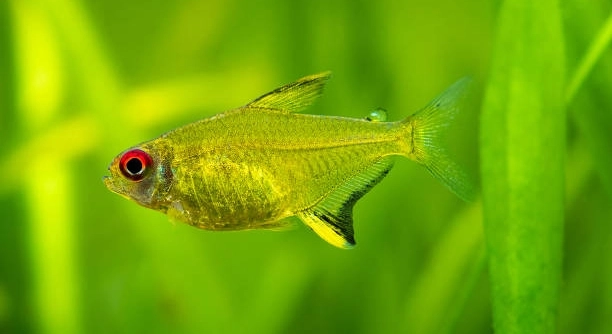
Do you enjoy keeping freshwater aquariums but find yourself considering how tank shape affects your fish? Lemon tetras are small, active fish that thrive best in carefully planned environments. Choosing the right tank can improve their health and activity.
Lemon tetras show a preference for long tanks over tall tanks. A longer horizontal swimming space better accommodates their natural schooling behavior, promotes exercise, and reduces stress, while taller tanks restrict their movement and limit visibility across the aquarium.
Knowing how tank dimensions influence lemon tetra behavior will help you provide a better home for them. Proper setup supports their well-being and encourages a lively, harmonious aquarium environment.
Why Lemon Tetras Prefer Long Tanks
Lemon tetras are naturally schooling fish, which means they spend most of their time swimming in groups. In a long tank, they have more horizontal space to move freely, reducing stress and promoting healthy activity. Taller tanks may seem impressive, but they limit the area for schooling, which can lead to skittish or shy behavior. Additionally, a long tank allows for more plants and hiding spots arranged along the length, creating a more natural environment. This setup mimics their natural habitats, where water flows horizontally and swimming space is abundant. Observing lemon tetras in a properly sized tank, you’ll notice calmer, more active behavior. Long tanks also make feeding easier, as fish can spread out and access food without competition. Overall, the extra horizontal space is beneficial for physical exercise, social interaction, and reducing territorial disputes. For anyone aiming to maintain a balanced aquarium, the tank’s shape is just as important as its size.
Lemon tetras thrive in tanks that support swimming in groups. Horizontal space is essential for their activity.
Choosing a long tank supports both mental stimulation and physical health. It allows the fish to explore, interact, and stay active throughout the day. Proper tank setup encourages natural behavior, making your aquarium more vibrant and enjoyable to watch.
Tank Setup Tips for Lemon Tetras
Long tanks give lemon tetras room to school, but proper setup is also essential. Spacing plants and decorations along the length helps maintain swimming lanes and keeps the fish comfortable.
Focus on creating open swimming areas in the center of the tank while using plants, rocks, or driftwood along the sides. This design gives tetras places to hide without restricting movement. Lighting should be moderate, and the water flow gentle to mimic their natural river environments. Regular maintenance is key, including checking temperature, pH, and cleaning schedules, ensuring water conditions remain stable. Decorating the tank with a mix of floating and rooted plants provides both shelter and visual appeal. Avoid overcrowding, as too many fish or dense decorations can negate the benefits of a long tank. By balancing open swimming space with well-placed decorations, lemon tetras remain active, healthy, and display their natural schooling behavior. Observing these fish thrive in a long, thoughtfully arranged tank highlights the importance of both dimensions and setup choices.
Ideal Tank Dimensions for Lemon Tetras
A tank that is longer than it is tall gives lemon tetras the horizontal space they need. A minimum length of 30 inches is recommended for a small school of fish. Height is less important than width for their comfort.
Lemon tetras are small, active swimmers, so providing a tank that prioritizes length over height ensures they can move naturally in schools. A longer tank allows for multiple hiding spots and swimming lanes without feeling cramped. Width also matters, giving them room to turn and interact. Tall, narrow tanks restrict movement, often causing stress and reducing social behavior. Maintaining a long tank improves circulation, encourages natural schooling, and allows for better feeding dynamics. Even with proper water conditions, a tall tank alone cannot compensate for the lack of horizontal swimming space.
Decorating a long tank should focus on enhancing horizontal pathways. Place plants, rocks, and driftwood along the sides while leaving open areas in the center. This arrangement encourages natural swimming and social behavior. Floating plants can provide shade without obstructing movement, while rooted plants give fish places to explore. Avoid overcrowding, and consider how decorations affect visibility and schooling patterns. By prioritizing horizontal space and thoughtful decoration, lemon tetras remain active and display healthy, natural behaviors that are more enjoyable to observe.
Water Flow and Filtration Considerations
Gentle water flow is ideal for lemon tetras. Strong currents in tall tanks can stress them and make swimming difficult. Proper filtration ensures stable water conditions without disturbing their natural swimming patterns.
Lemon tetras thrive in calm, stable water environments. Filters should provide gentle circulation to prevent stagnant areas without creating strong currents. Long tanks make it easier to distribute water flow evenly, reducing stress on the fish. Consistent filtration helps maintain temperature, pH, and cleanliness, which are critical for their health. Avoid high-powered filters in narrow, tall tanks, as these can push the fish into confined areas and disrupt schooling behavior. Proper placement of the filter and careful adjustment of flow rates help maintain a balance between cleanliness and comfort.
In addition to filtration, regular monitoring of water parameters is essential. Check pH, ammonia, nitrate, and nitrite levels frequently to prevent harmful conditions. Long tanks allow for better placement of heaters and filters, ensuring even temperature distribution and stable water chemistry. Gentle aeration supports oxygen levels without creating strong currents that interfere with schooling. Strategic plant placement can also help diffuse water flow, providing calmer zones for resting or hiding. By managing water flow and filtration carefully, lemon tetras remain healthy, active, and stress-free, maximizing the benefits of a long tank.
Schooling Behavior and Space
Lemon tetras feel safer and more active when they have room to school. Long tanks provide clear horizontal paths, allowing the fish to swim together naturally without constant collisions or stress.
Crowding lemon tetras in tall, narrow tanks disrupts schooling patterns. Limited horizontal space makes them skittish and less likely to explore their environment fully.
Planting and Decoration Layout
Plants and decorations should be placed along the sides and back of the tank, leaving the center open for swimming. This layout supports both natural behavior and social interaction. Floating plants can add shade, while rooted plants offer hiding spots without restricting movement.
Tank Lighting
Moderate lighting is ideal for lemon tetras. Too bright lights can stress them, while dim lighting encourages natural activity. Proper illumination also supports plant growth and enhances the colors of the fish, making the aquarium visually appealing.
Temperature and Water Conditions
Lemon tetras thrive in stable water conditions. A temperature range of 72–78°F with neutral to slightly acidic pH is optimal. Consistent water parameters prevent stress, promote schooling, and support overall health. Proper filtration and gentle aeration help maintain these conditions effectively.
FAQ
Do lemon tetras need a long tank if it’s small in height?
Yes, the length of the tank is more important than height. Lemon tetras swim horizontally in schools, so a long tank allows them to move freely, exercise, and interact. A tall, narrow tank can restrict swimming space and stress the fish, even if water volume is sufficient.
How many lemon tetras should be kept together?
Lemon tetras are schooling fish and feel most secure in groups of six or more. Keeping fewer than six can make them shy, stressed, and less active. A larger school in a long tank creates natural movement patterns and enhances their social behavior.
Can lemon tetras live in a tall tank?
While they can survive in a tall tank, it is not ideal. A tall tank limits horizontal swimming, disrupts schooling behavior, and may make the fish more skittish. Long tanks are preferred for both mental and physical well-being.
What tank length is recommended for a small school?
A minimum of 30 inches is recommended for six to eight lemon tetras. Longer tanks allow more space for swimming, planting decorations along the sides, and creating clear pathways. Width should be sufficient to provide comfort, even if height is modest.
Are there special decorations that lemon tetras prefer?
Lemon tetras enjoy plants, rocks, and driftwood arranged along the tank’s sides. Floating plants provide shade, while rooted plants give hiding spots. Keep the center open for swimming. Avoid overcrowding, as dense decorations can reduce schooling space and stress the fish.
How important is water flow in a long tank?
Gentle water flow is crucial. Lemon tetras prefer calm currents that allow swimming without effort. Strong currents, especially in tall tanks, can push them around, increasing stress and interfering with natural schooling behavior. Proper filter placement ensures even flow without disturbing movement.
What are the ideal water parameters for lemon tetras?
A stable temperature between 72–78°F is ideal. The pH should be neutral to slightly acidic, around 6.5–7.0. Consistent water quality with low ammonia, nitrites, and nitrates helps reduce stress and promotes health. Regular testing ensures these conditions remain stable.
Do lemon tetras need special lighting?
Moderate lighting is best. Bright lights can stress the fish, while dim lighting supports natural behavior and encourages exploration. Proper lighting also helps live plants grow, which contributes to hiding spots and shade in the aquarium.
Can long tanks reduce aggression in lemon tetras?
Yes, longer tanks reduce territorial disputes by giving each fish more space to swim. Open horizontal space supports schooling behavior, minimizes conflicts, and allows all fish access to food and hiding spots without overcrowding.
How often should water be changed in a long tank?
Regular water changes are essential to maintain water quality. Changing 20–25% weekly helps keep ammonia and nitrate levels low. A long tank makes it easier to maintain stable parameters because the fish have more room, reducing stress and supporting healthy activity.
Can lemon tetras share a long tank with other fish?
Yes, they can coexist with other peaceful, small species. Long tanks provide enough horizontal space to reduce competition and stress. Avoid aggressive or much larger fish that could intimidate lemon tetras or disrupt schooling behavior.
Is tank height ever beneficial for lemon tetras?
Tank height is less important but can help with plant placement and water volume. Taller tanks do not support horizontal swimming, so height should complement length, not replace it. Prioritize a long tank for schooling and activity.
Do long tanks help in feeding lemon tetras?
Yes, long tanks allow fish to spread out and access food without overcrowding. Horizontal swimming lanes reduce competition, letting each fish eat comfortably. This also encourages natural feeding behavior and reduces stress during feeding times.
How can I maintain a long tank for lemon tetras easily?
Use gentle filtration, keep plants along the sides, and perform regular water changes. Maintain moderate lighting and stable water parameters. Open center space allows natural swimming and reduces maintenance stress on the fish while supporting healthy activity.
Are there behavioral signs that indicate a tank is too short?
Yes, lemon tetras may become skittish, hide frequently, or show limited schooling patterns in short tanks. Restricted horizontal space causes stress, reduces activity, and can affect their overall health and color vibrancy. A long tank helps prevent these issues.
This FAQ provides practical tips for keeping lemon tetras happy in a long tank. Proper tank length, water conditions, and careful decoration are essential to support their natural behavior, reduce stress, and ensure a lively, healthy aquarium environment.
Lemon tetras are small, vibrant fish that thrive when their environment matches their natural swimming habits. The shape of the tank is one of the most important factors in ensuring their well-being. Long tanks provide ample horizontal space, which allows lemon tetras to school comfortably and swim freely. This movement is essential not only for their physical health but also for their mental stimulation. When confined in a tall, narrow tank, their natural behaviors are restricted, causing stress and sometimes leading to health problems. A long tank allows the fish to move side to side, interact with other members of their school, and explore their environment without feeling trapped. Proper horizontal swimming space also makes feeding easier and helps reduce competition among fish, promoting a more harmonious aquarium environment.
Tank decoration and setup further support the health of lemon tetras. Arranging plants, rocks, and driftwood along the sides and back of the tank preserves open swimming lanes in the center, allowing the fish to maintain their schooling behavior while having places to hide or rest. Floating plants can provide shade and reduce light stress, while rooted plants create a natural feel that mimics river habitats. By keeping the center open, you prevent overcrowding and ensure that all fish have room to move without obstruction. Even subtle details, like the placement of filters and gentle water flow, contribute to a tank environment that is both comfortable and stimulating. Long tanks give more flexibility to arrange these elements in a way that benefits both the fish and the aesthetic of the aquarium.
Maintaining stable water conditions is another crucial factor in caring for lemon tetras. They thrive in temperatures between 72 and 78°F with a neutral to slightly acidic pH. Regular water changes, proper filtration, and gentle aeration help maintain these parameters consistently. Long tanks make it easier to distribute water flow evenly, ensuring that the environment remains calm and stress-free for the fish. Combining appropriate tank length with careful attention to decoration, water conditions, and feeding routines creates a balanced habitat that encourages natural behavior, vibrant coloration, and overall health. Investing in a long tank and maintaining these conditions supports both the fish’s physical activity and social interaction, providing a thriving, lively aquarium that is enjoyable to observe and care for.

Hello,
If you enjoy the content that we create, please consider saying a "Thank You!" by leaving a tip.
Every little bit helps us continue crafting quality advice that supports the health, happiness, and well-being of pets around the world, for pets of all shapes, sizes, and species.
We really appreciate the kindness and support that you show us!