
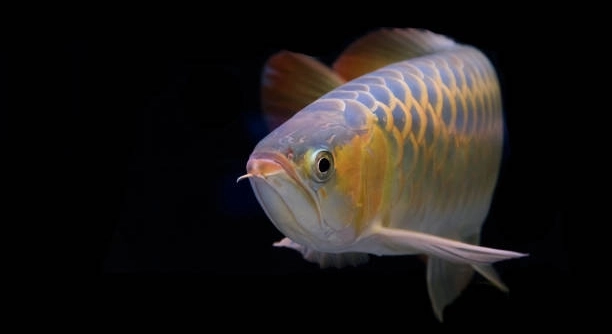
Arowanas are elegant and active fish that thrive in carefully monitored environments. Feeding them at the right times can enhance their health, growth, and natural behavior. Observing their activity helps create a routine that benefits both fish and owner.
The optimal feeding times for Arowanas align closely with their peak activity periods, typically early morning, late morning, mid-afternoon, early evening, and night. Matching feeding schedules with these active phases improves digestion, energy utilization, and overall well-being.
Following these guidelines ensures your Arowana remains healthy and active while creating a balanced routine for daily care and interaction with your fish.
Early Morning Feeding
In the early morning, Arowanas are usually most alert. I often notice mine swimming near the surface, waiting for food. Feeding them at this time helps jumpstart their metabolism after a night of rest. A small portion of protein-rich food like pellets or live insects works best. This early meal also sets a routine, which makes the fish calmer and easier to observe. Overfeeding in the morning can cause waste buildup, so moderation is key. Consistency is important; feeding around the same time every day helps the fish adapt. Observing their behavior can tell you if they are hungry or just active. Sometimes, they may explore the tank without actually needing food. I’ve found that keeping track of their response to morning feeding helps adjust portion sizes over time. Maintaining water quality alongside feeding ensures their health and growth.
Feeding early supports natural activity rhythms, enhances metabolism, and maintains a stable routine for better digestion and overall fish health.
Keeping a regular morning schedule makes it easier to monitor health and track changes in behavior.
Mid-Morning Snack
A small mid-morning feeding can keep Arowanas energized and active.
During mid-morning, the fish tend to show exploratory behavior, swimming across the tank and interacting with their surroundings. A light feeding during this time prevents lethargy and supports steady energy levels. Small portions of live or frozen food, like shrimp or worms, are ideal. This helps maintain muscle tone and encourages natural hunting instincts. I often observe mine darting around after this snack, which signals they are digesting well and staying active. Overfeeding at this time can disturb water quality, so measuring portions carefully is essential. Providing food in a slightly different area of the tank than the morning spot can stimulate activity and prevent boredom. Monitoring the fish for signs of overeating or stress ensures they remain healthy. Maintaining this mid-morning feeding routine can also create predictable activity patterns, making it easier to notice any irregular behavior that might indicate illness or stress.
Late Morning Feeding
Late morning is a good time for a slightly larger portion of food. I usually give mine a mix of pellets and small insects to keep energy levels steady throughout the day. Timing this feeding around 10–11 a.m. works well.
During late morning, Arowanas are fully active, swimming and exploring. Feeding them at this time supports digestion from the earlier meals and maintains consistent energy. I’ve noticed that spacing the portions helps prevent overeating and keeps water quality stable. Observing their behavior during this feeding allows me to adjust amounts if needed. Live or frozen foods work best for encouraging natural hunting instincts.
Providing food in a consistent spot helps them learn where to expect it. I often switch between the left and right side of the tank to encourage movement. This prevents stagnation and promotes balanced muscle development. Feeding late morning also prepares them for calmer periods in early afternoon, keeping activity levels predictable.
Early Afternoon Feeding
A light feeding in the early afternoon keeps Arowanas from slowing down too much. I give small portions that are easy to digest.
Early afternoon feedings help maintain energy between main meals. I usually offer a small amount of live or frozen food, ensuring it doesn’t exceed a quarter of their daily intake. Feeding at this time prevents lethargy and encourages natural movement throughout the tank. I’ve seen mine chase food actively, which signals healthy behavior. Moderation is key, as too much can cloud water and stress the fish. Sticking to a regular schedule keeps digestion consistent and reduces the risk of digestive issues.
Rotating the types of food encourages them to eat willingly and reduces boredom. Offering different textures, such as pellets and shrimp, stimulates natural feeding behavior. I notice that even slight adjustments in portion or timing can affect their activity levels noticeably. Early afternoon feedings complement morning routines and prepare them for the more active early evening period. Maintaining this schedule has improved both the energy and overall health of my Arowanas.
Early Evening Feeding
Early evening is ideal for a more substantial feeding. I usually offer a mix of pellets and live food to prepare them for the night. Timing this around 5–6 p.m. keeps activity high without overloading their digestion.
Feeding during early evening encourages natural hunting behaviors. I often watch mine dart and chase food across the tank. This period supports healthy muscle development and energy storage. Maintaining a consistent routine at this time prevents stress and keeps them alert.
Night Feeding
Night feedings should be light and easy to digest. I usually give small portions of live or frozen food, making sure the tank remains clean afterward.
Arowanas remain moderately active at night. Providing a small meal prevents them from waking hungry and supports consistent metabolism. I’ve noticed that skipping this feeding sometimes makes them restless, swimming near the surface more frequently. Night feeding helps maintain their natural rhythm and ensures they have enough energy to stay healthy overnight. Observing their response allows me to fine-tune portion sizes and timing. Consistency at night contributes to overall stability in their daily routine.
Mid-Afternoon Snack
A short mid-afternoon feeding keeps energy steady before the evening. I usually provide a small amount of protein-rich food to prevent sluggishness.
Continue the article with the following outline. Bold the questions. Do not write an intro for each header, get straight to the point. Do not use a greeting. Make it feel slightly personal. Write in a simplistic style.; Outline: ; FAQ (write at least 500 words); Note: Skip the intro, get straight to the point. The rest of the headers will be provided later, so do not write them yet. Skip the conclusion, and recap. Respect the given word count for every paragraph.
Final Thoughts
Feeding Arowanas at the right times is essential for their health and overall well-being. Observing their activity patterns throughout the day helps determine the best feeding schedule. Early morning, late morning, mid-afternoon, early evening, and night are generally the most suitable times. Following a consistent routine not only supports digestion but also encourages natural behaviors. I’ve noticed that when I stick to a regular feeding schedule, my Arowanas are calmer, more active, and show better coloration. Small, measured portions at each feeding prevent overfeeding and maintain water quality. Over time, establishing a routine makes it easier to notice changes in their behavior, appetite, or health, which is especially important for detecting illness early. Each feeding period has its own purpose, from jumpstarting metabolism in the morning to maintaining energy in the afternoon and night. Understanding these differences helps in providing the right type and amount of food at the correct times.
Choosing the right type of food is just as important as timing. A balanced diet includes pellets, live or frozen insects, and occasionally small fish. Pellets provide essential nutrients and vitamins, while live or frozen foods stimulate natural hunting instincts and keep the fish active. Variety in the diet also prevents boredom and improves overall health. I make sure to rotate foods to provide a mix of textures and nutrients. Protein-rich foods, in particular, are important for growth, muscle development, and energy. Feeding at predictable times with a variety of foods helps establish good habits in the fish and makes their behavior more consistent. It also allows me to track how well they are digesting their meals and adjust portions when necessary. Keeping food portions moderate is key, as excessive feeding can cause bloating, digestive issues, and water contamination.
Maintaining proper feeding times and routines is also beneficial for tank management. Regularly observing feeding habits gives insight into the fish’s health, activity, and overall condition. Consistency in feeding reduces stress, prevents aggression, and promotes balanced energy levels. I’ve noticed that when my Arowanas are fed at consistent times with the right portions, they are less likely to exhibit erratic behavior or signs of stress. Proper care during feeding, combined with attention to water quality and environmental conditions, ensures that the fish remain healthy and active. Over time, this approach helps build a strong, predictable routine that supports both the physical and mental well-being of the fish. Feeding Arowanas may seem straightforward, but paying attention to timing, portion size, and food variety can make a significant difference in their long-term health and vitality.

Hello,
If you enjoy the content that we create, please consider saying a "Thank You!" by leaving a tip.
Every little bit helps us continue crafting quality advice that supports the health, happiness, and well-being of pets around the world, for pets of all shapes, sizes, and species.
We really appreciate the kindness and support that you show us!