
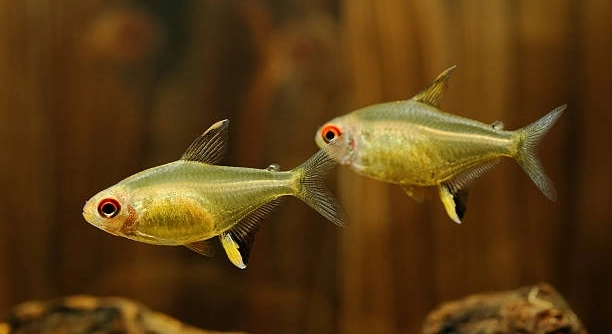
Do you ever notice how arowanas seem alert even when nothing appears to move in their tanks? These elegant fish are known for their sensitivity, reacting subtly to changes in their environment and movements around them.
Arowanas possess a lateral line system that allows them to detect minor vibrations in the water. This sensory mechanism enables them to respond quickly to disturbances, maintaining awareness of potential threats or changes in their tank environment.
Understanding this sensitivity can help ensure your arowana feels secure, allowing you to create a calmer and more stable habitat.
How Arowanas Sense Vibrations
Arowanas are equipped with a lateral line system, a series of specialized sensory cells along their bodies that detect subtle vibrations in the water. This system allows them to pick up on movements caused by other fish, tank equipment, or even nearby footsteps. Many aquarists notice that their arowanas react instantly to minor disturbances, often gliding smoothly toward the source or pausing mid-swim to assess the change. This sensitivity is an instinctive survival mechanism, helping them remain alert in both natural and captive environments. Even small changes, like water splashes or a slight tap on the tank glass, can trigger these responses. Over time, arowanas can become familiar with regular patterns of movement, distinguishing between harmless vibrations and potential threats. Tank placement and the surrounding environment can greatly influence how often these fish react. Ensuring the tank is in a low-traffic area can reduce unnecessary stress while allowing them to thrive naturally.
Controlling tank vibrations is essential for maintaining arowana comfort and stability in their environment.
Minimizing disturbances benefits the fish’s health and behavior. Regular monitoring, careful equipment placement, and avoiding sudden impacts help your arowana remain calm, ensuring a more predictable and secure tank environment.
Common Sources of Tank Vibrations
Tank vibrations often come from pumps, filters, or nearby appliances. These devices create consistent but sometimes subtle movement in the water, which arowanas can detect immediately. Even the vibrations caused by walking close to the tank or tapping on the glass are noticed by these sensitive fish. Sudden noises, such as doors slamming or heavy items being placed nearby, can startle them. Arowanas rely on this ability to gauge potential threats, and frequent disturbances may lead to stress or changes in swimming patterns. By understanding where vibrations originate, you can adjust the tank setup to minimize these effects. Reducing noise and isolating equipment can make a noticeable difference.
Prolonged exposure to constant vibrations can affect your arowana’s stress levels, feeding habits, and overall health.
Creating a stable environment begins with identifying and reducing vibration sources. Filters and pumps can be secured with dampening pads to absorb movement, and heavy appliances should be positioned away from the tank. Even small adjustments, like moving the tank to a quieter location or adding soft substrates, can lessen transmitted vibrations. Arowanas are intelligent and perceptive fish, and they quickly react to changes in their surroundings. Ensuring vibrations are minimal helps maintain natural swimming behavior, feeding patterns, and overall activity levels. Regularly monitoring the tank and observing your fish’s responses will indicate whether adjustments are effective. Taking these steps provides a more consistent, secure environment, enhancing both their physical and emotional well-being. By implementing simple changes, the tank can feel more stable and less stressful, allowing your arowana to thrive and exhibit normal, healthy behaviors.
Reducing Tank Vibrations
Placing the tank on a sturdy, level surface helps reduce vibrations. Soft pads or mats beneath the tank can absorb minor movements. Limiting foot traffic around the tank further decreases disturbances, helping your arowana stay calm and maintain normal behavior patterns.
Using vibration-dampening tools is very effective for arowanas. Filters, pumps, and heaters often transmit movement through the tank structure. Small rubber pads under these devices can absorb much of this energy, preventing unnecessary stress. Choosing low-vibration equipment and securing loose parts also helps. Even slight adjustments, like ensuring tubing doesn’t touch the tank walls, can reduce detectable vibrations. These small changes can create a more stable and peaceful environment.
Consistently monitoring the tank is important. Observing how your arowana reacts to different equipment settings and placements allows you to make gradual improvements. Over time, the fish may become less reactive to minor disturbances, resulting in calmer swimming, better feeding habits, and overall healthier behavior.
Observing Behavioral Changes
Arowanas often show subtle signs when vibrations affect them. Increased hiding, sudden darting, or changes in swimming patterns indicate stress from environmental disturbances. Paying attention to these signs helps identify sources of disruption quickly.
Stress from vibrations can impact feeding, growth, and overall health. Arowanas may become hesitant to eat, swim erratically, or display aggression. Even consistent low-level vibrations can interfere with their natural behavior, making it essential to reduce unnecessary movement. By carefully adjusting tank placement, securing equipment, and minimizing nearby activity, you can help your fish regain comfort. Observing their response after each change allows you to fine-tune the environment. Gradual improvements in behavior indicate that stress levels are decreasing and the fish is adapting well to a calmer tank.
Tank Placement
Positioning the tank away from heavy foot traffic reduces vibrations significantly. Avoid areas near doors, appliances, or high-activity zones. Even small disturbances can make your arowana more alert and restless.
Keeping the tank on a flat, sturdy surface is essential. Uneven furniture or weak supports can amplify vibrations, causing unnecessary stress for your fish. Using anti-vibration pads adds extra stability.
Equipment Adjustments
Filters, pumps, and air stones often generate subtle movements. Securing them with rubber mounts or dampening pads reduces transmission through the tank structure. Adjusting flow rates to minimize turbulence also helps. Consistently checking that tubing and cords do not touch the glass further lowers vibration exposure, creating a calmer environment for your arowana.
Observing Reactions
Track how your arowana responds to adjustments. Changes in swimming, feeding, or alertness reveal how effective the modifications are. Adjust gradually to maintain comfort.
FAQ
Can arowanas detect vibrations from outside the tank?
Yes, arowanas can sense even subtle vibrations from outside the tank. Their lateral line system allows them to pick up movements through the water, including footsteps, nearby appliances, or tapping on the tank glass. These reactions are natural and help them assess changes in their environment.
Do all arowanas react the same way to vibrations?
Reactions can vary depending on age, size, and temperament. Younger arowanas may be more sensitive and startled easily, while older fish can become accustomed to regular, harmless vibrations. Individual personalities also play a role, with some being more cautious and others more relaxed. Observing your specific fish helps tailor the environment.
Can constant vibrations stress arowanas?
Prolonged exposure to repeated vibrations can increase stress levels. Stress can lead to reduced appetite, erratic swimming, and even weaker immune responses. Minimizing unnecessary disturbances and ensuring a stable environment helps your arowana remain calm and healthy. Stress reduction contributes to better long-term growth and behavior.
How can I reduce vibrations from equipment?
Equipment like filters, pumps, and heaters often create subtle movements. Using rubber mounts, anti-vibration pads, or soft substrates beneath devices absorbs these motions. Securing tubing and cords to prevent contact with the tank glass also helps. Regular maintenance ensures devices run smoothly without generating extra vibration.
Do vibrations affect feeding behavior?
Yes, arowanas may become hesitant to eat if the tank is consistently vibrating. Sudden or frequent movements can distract or startle them during feeding. Providing a quiet, stable environment encourages regular feeding patterns and reduces stress-related avoidance behaviors.
Is it normal for arowanas to react to minor disturbances?
Absolutely. Even small changes in the tank environment can trigger responses. This sensitivity is instinctual, helping them detect potential threats. Reacting to minor vibrations, like someone walking by or a brief tap on the glass, is part of their natural awareness and survival instinct.
Can tank placement impact vibration sensitivity?
Yes, where the tank is positioned greatly affects how much vibration the fish experiences. Placing the tank on sturdy furniture, away from doors or heavy foot traffic, reduces disturbances. Using a solid stand and avoiding high-activity areas helps your arowana feel more secure and minimizes stress.
Are there signs that vibrations are too much for my arowana?
Signs include erratic swimming, frequent hiding, loss of appetite, or clamped fins. These behaviors indicate stress from environmental disturbances. Observing these responses and addressing vibration sources can improve your fish’s comfort and restore normal activity patterns.
Do arowanas adapt to vibrations over time?
They can adjust to predictable, consistent movements in their environment. Regular, harmless vibrations may become background noise to the fish. However, sudden or irregular disturbances remain stressful, so consistent monitoring and environment adjustments are still important for long-term well-being.
Should I consult a professional if my arowana seems overly sensitive?
Yes, if your arowana exhibits persistent stress or abnormal behavior despite minimizing vibrations, consulting a vet or experienced aquarist is recommended. They can help identify subtle environmental factors or health issues contributing to sensitivity and provide guidance for a stable, comfortable tank setup.
How often should I check for vibration sources?
Regular observation is key. Checking equipment, tank placement, and surrounding activity weekly helps identify new or increased vibrations. Adjusting as needed ensures your arowana maintains calm swimming patterns and regular feeding, supporting overall health and reducing long-term stress.
Can vibrations influence breeding behavior?
Yes, excessive or irregular vibrations can disrupt breeding activities. Stress from environmental disturbances may prevent courtship behaviors or reduce spawning success. Creating a stable, low-vibration environment improves the likelihood of natural mating behaviors and healthier offspring development.
Are there tools to measure vibrations in a tank?
Some aquarists use vibration sensors or smartphone apps to detect minor movements. These tools can help identify problem areas in the tank or surroundings. While not essential, they provide additional insight into the tank’s stability and can guide adjustments to improve fish comfort.
Do substrate and decorations affect vibration levels?
Yes, soft substrates and strategically placed decorations can absorb some vibrations, reducing what reaches the fish. Rocks or driftwood can act as dampeners if positioned correctly. Careful arrangement not only enhances aesthetics but also contributes to a more stable, stress-free environment.
Can daily household activities harm arowanas?
Routine activities like walking nearby, vacuuming, or closing doors can create detectable vibrations. While occasional movement is usually fine, frequent or intense disturbances can add stress. Minimizing these activities around the tank during feeding or resting periods supports calm behavior and overall health.
Is vibration sensitivity unique to arowanas?
Many fish have lateral line systems that detect movement, but arowanas are particularly perceptive due to their natural predator instincts and large size. Their reactions to minor changes are more noticeable, making careful tank management important for maintaining a low-stress environment.
How long does it take for arowanas to calm after disturbances?
Recovery time varies depending on the disturbance and the fish’s temperament. Minor vibrations may cause only a few minutes of heightened alertness, while more significant disruptions could take hours for the fish to return to normal swimming and feeding behaviors. Observing patterns helps predict recovery time.
Does water quality interact with vibration sensitivity?
Yes, poor water quality can increase stress and make arowanas more reactive to vibrations. Maintaining clean, stable water conditions reduces baseline stress, allowing fish to better tolerate minor disturbances without negative behavioral effects. Regular water changes and monitoring are essential.
Are arowanas more sensitive to vibrations during certain times of day?
Arowanas may be more alert during feeding times or active periods. Environmental noises and vibrations during these times can be more disruptive. Understanding your fish’s daily rhythm helps in scheduling tank maintenance and nearby activities to minimize stress during sensitive periods.
Can vibrations trigger aggressive behavior in arowanas?
Yes, stress from vibrations may increase aggression, especially in territorial or dominant individuals. Reducing unnecessary disturbances and providing ample space can help minimize conflict and promote calmer interactions with tank mates. Observing behavior carefully allows timely adjustments to the environment.
What is the best overall approach to managing vibrations?
Consistently monitoring, adjusting equipment, and optimizing tank placement is key. Reducing foot traffic, securing devices, and using damping materials all contribute to a stable environment. Observing your arowana’s responses ensures that interventions are effective, promoting calmer behavior and long-term health.
Arowanas are remarkable fish, known for their elegance and heightened awareness of their surroundings. One of the most notable aspects of their behavior is their sensitivity to vibrations in the tank. This sensitivity comes from their lateral line system, which allows them to detect even minor movements in the water. These movements can come from equipment, external disturbances, or nearby activity, and the fish can respond with subtle changes in swimming, posture, or alertness. Understanding this behavior is important because it allows aquarists to create a more stable and stress-free environment. Arowanas are naturally perceptive and cautious, so even small adjustments in the tank or its surroundings can significantly affect their comfort and overall well-being.
Maintaining a calm environment involves several practical steps. Placing the tank on a solid, level surface reduces the transmission of vibrations from floors or furniture. Using soft pads or mats under the tank or equipment can further dampen unwanted movement. Securing pumps, filters, and tubing so they do not touch the tank walls minimizes vibrations, while adjusting water flow can prevent unnecessary turbulence. Positioning the tank away from high-traffic areas, doors, or loud appliances also contributes to a more peaceful setting. Observing how the arowana reacts to these adjustments provides insight into which changes are most effective. Over time, the fish may become accustomed to minor, predictable disturbances, but sudden or irregular vibrations can still cause stress and disrupt normal behavior, feeding patterns, and swimming routines.
Regular monitoring and careful management of the tank environment are essential for the health and well-being of arowanas. Recognizing the signs of stress, such as erratic swimming, reduced appetite, or hiding, helps identify when vibrations or other factors may be affecting the fish. By combining proper tank placement, equipment adjustments, and attention to external activity, aquarists can reduce unnecessary stressors and encourage natural, healthy behavior. Arowanas thrive best in a stable, secure setting where they feel safe to swim and feed. Consistent care and observation not only support their physical health but also contribute to calmer, more predictable interactions within the tank. With these practices, the arowana’s sensitivity to vibrations becomes manageable, allowing both the fish and aquarist to benefit from a harmonious and well-maintained aquatic environment.

Hello,
If you enjoy the content that we create, please consider saying a "Thank You!" by leaving a tip.
Every little bit helps us continue crafting quality advice that supports the health, happiness, and well-being of pets around the world, for pets of all shapes, sizes, and species.
We really appreciate the kindness and support that you show us!