
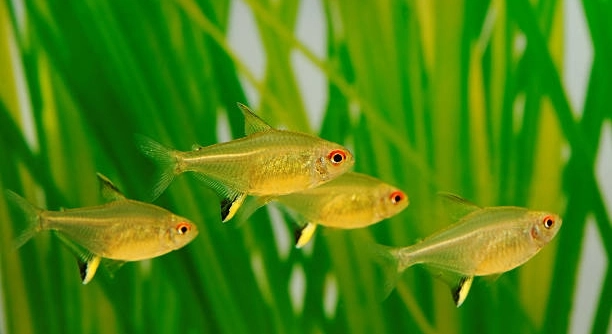
Have you ever finished a tank water change then taken a quiet moment to observe your aquarium again? This simple pause often highlights small shifts in behavior or appearance that can guide your care choices.
Observing key indicators after a tank water change is essential for maintaining aquatic stability. Careful attention to water clarity, fish behavior, equipment performance, and chemical balance allows for early detection of issues and supports consistent environmental health within the aquarium.
As you continue reading, you will discover the most important signs to monitor so your tank remains steady and thriving.
Checking Water Clarity
Right after a water change, the way the tank looks can tell you a lot about its stability. Clear water shows that the filtration system is handling the refreshed conditions without strain. A slight haze can appear when beneficial bacteria adjust to the new balance, and this usually settles on its own with steady flow and consistent aeration. If the water becomes cloudy or tinted, it might signal leftover debris, disturbed substrate, or an imbalance that needs a closer look. Taking time to notice these visual changes helps you understand how your tank reacts to fresh water and allows you to respond before anything becomes stressful for your aquatic pets.
Paying attention to simple visual cues makes ongoing care much easier and helps you maintain a clean, steady environment for your tank.
As you observe these details, you start to recognize the patterns that shape your aquarium’s stability, making each maintenance session feel calmer and more manageable.
Monitoring Fish Reactions
Fish often reveal tank imbalances through small behavioral changes, especially right after a water change. Calm, steady movement usually means they are comfortable and adjusting well.
When the water parameters shift, your fish may show signs like rapid swimming, hiding, or reduced activity. These reactions can be linked to temperature shifts, sudden pH changes, or lingering debris. Watching their behavior during the first hour helps you catch issues early, allowing you to correct anything before it affects their health. Over time, you learn what is normal for your tank and what needs attention. Stable breathing patterns, relaxed movement, and normal feeding habits show that your fish are settling into the refreshed environment without stress. Occasional cautious behavior is normal, especially if you performed a larger change than usual. Even so, gentle monitoring ensures they return to their usual routines. This habit makes your aquarium feel more predictable and supports long term comfort for every species you keep.
Watching Filter Performance
A filter that runs smoothly after a water change helps keep the tank balanced. Soft, steady flow and normal sound levels show that water is moving correctly, preventing debris buildup and keeping oxygen levels stable for your fish.
If the flow weakens or becomes uneven, the filter may be adjusting to trapped debris or changes in water depth. Checking the intake and outflow helps you confirm everything is clear and working. Sponges, pads, or media can shift slightly during maintenance, so making a quick inspection keeps the system stable. A filter that surges or slows may need a gentle cleaning, but avoid overcleaning since beneficial bacteria need time to settle again. Stable performance protects your fish from sudden stress and keeps the tank on track.
When you pay attention to small shifts in flow or sound, you recognize changes before they affect the tank. Regular observations make your maintenance feel easier and help your equipment last longer.
Noting Temperature Stability
A stable temperature right after a water change helps your fish adjust without stress. Sudden drops or warm spikes can affect their breathing and movement, so taking a moment to confirm the reading ensures the water feels safe for them.
If the temperature drifts even slightly, the heater may be compensating for the fresh water you added. Heaters often need a brief moment to catch up, especially if the new water was a little cooler or warmer than usual. Gentle monitoring helps you notice patterns in how your equipment responds. When the adjustment takes longer than expected, checking the heater placement and settings can prevent future fluctuations. Watching these details supports consistent comfort for your aquatic pets and keeps the tank in a healthy range without sudden changes.
Checking Aeration Levels
Steady aeration after a water change helps maintain proper oxygen levels. When the surface movement looks consistent and the bubbles appear uniform, it shows that the air pump or stone is keeping up with the refreshed conditions in the tank.
If the bubbles weaken or the surface becomes still, the system may need a simple adjustment. Sometimes tubing shifts slightly during maintenance, and securing it again brings everything back to normal without much effort.
Observing Plant Responses
Live plants often show small reactions to fresh water, especially if the parameters shift slightly. Leaves may perk up, settle, or release tiny oxygen bubbles as they adapt. Watching these subtle signs helps you understand how well the plants are handling the updated conditions and whether they need small nutrient changes.
Assessing Substrate Disturbance
A disturbed substrate can release debris into the water after a change. Taking a moment to notice buildup or unsettled particles helps you decide if gentle brushing or improved flow is needed to keep the tank clear.
FAQ
How long should I monitor my tank after a water change?
It helps to keep an eye on the tank for at least the first hour, since most changes in behavior, clarity, or equipment performance appear during that time. After that, occasional checks over the next several hours give you a clearer idea of how the tank is settling. Each system responds differently depending on size, bio load, and how much water you replaced. Staying aware during this period makes it easier to notice early signs of stress in fish or plants, and it also helps you understand how your equipment reacts to fresh conditions.
Why do my fish act shy or restless after a water change?
Fish often respond to small parameter shifts, even when everything still falls within safe ranges. A mild temperature change, a slight difference in pH, or stirred debris can affect their comfort for a short time. They usually settle once the environment stabilizes again. Keeping your movements calm during maintenance and matching the new water as closely as possible helps them adjust faster. Over time, you also learn the reactions that are normal for your fish, which makes these moments easier to read.
What causes cloudiness right after adding fresh water?
Cloudiness often comes from disturbed substrate or a brief shift in bacterial activity. When the beneficial bacteria adjust to new conditions, you may see a soft haze that clears on its own within a few hours. If the cloudiness becomes thicker or lasts longer than usual, it might indicate leftover debris or an imbalance that needs a closer look. Gentle flow and stable aeration often help the tank clear faster. Avoid overcleaning anything during this period, since the bacteria need time to settle.
Should I clean the filter right after a water change?
It is usually better to avoid cleaning the filter immediately unless the flow becomes weak or uneven. Filters hold a large portion of the beneficial bacteria that support your tank’s balance, and cleaning them too soon can interrupt that stability. If the filter shows signs of trapped debris, a light rinse in tank water is enough. Allowing the system to settle before doing anything more prevents unnecessary stress in the tank and keeps the environment consistent for fish and plants.
Is it normal for plants to shed a few leaves after a water change?
Some plants react to parameter adjustments by dropping a leaf or two, especially species that are sensitive to shifts in hardness or temperature. New growth usually appears once the plant adapts to the refreshed conditions. If shedding continues or affects multiple stems, you may need to adjust nutrients or lighting. Watching these reactions helps you understand what each plant prefers and how small changes influence its health.
What should I do if the temperature keeps drifting after a water change?
A drifting temperature often means the heater is still compensating for the new water. This usually settles on its own within a short time. If the heater struggles to maintain a steady reading, checking its placement, wattage, and settings can help. Heaters sometimes shift during maintenance or lose contact with the glass, causing uneven readings. Keeping the new water close to the tank temperature also reduces these fluctuations and makes the adjustment period easier for your fish.
How do I know if my aeration system is working efficiently after a water change?
Steady surface movement and a consistent stream of bubbles show that aeration is doing its job. If the bubbles become weak or the surface looks still, the tubing may have shifted or the air stone might need a quick adjustment. Since aeration affects oxygen levels, making sure everything runs smoothly right after a water change keeps your fish comfortable. Small checks like this build a habit that supports long term stability.
What signs indicate that my substrate was disturbed too much?
If the lower layers release debris or gases, you may see particles drifting through the water or small bubbles rising from the tank floor. These signs tell you the substrate was shifted more than expected. Light brushing or careful siphoning helps clear the extra material without affecting the deeper layers too much. Keeping the disturbance minimal helps preserve beneficial bacteria and reduces cloudy water.
How can I tell if something is wrong even when parameters look normal?
Behavior changes often reveal problems sooner than test readings. If fish breathe faster, hide more, or stop exploring, the tank may be reacting to something subtle. Equipment performance also gives clues, especially when flow patterns or aeration levels change unexpectedly. Paying attention to these small details helps you stay ahead of issues and keeps your tank steady.
How soon can I feed my fish after a water change?
Feeding is usually safe once the tank feels settled and the fish return to their normal movement. If they seem calm and responsive, offering a small meal is fine. Avoid feeding right away if the water is still cloudy or if the fish appear stressed, since uneaten food can add to the imbalance. Taking a moment to watch them helps you choose the right time.
Final Thoughts
Caring for an aquarium after a water change becomes easier when you know what signs to look for. Each detail, from the clarity of the water to the way your fish behave, helps you understand how well the tank is adjusting. Even small shifts can reveal useful information about the stability of the environment. When you take a moment to watch how everything settles, you give yourself the chance to respond calmly rather than react to surprises later. This steady approach allows the tank to thrive without unnecessary stress. It also helps you notice patterns in how your equipment, plants, and fish respond to fresh water, which builds confidence each time you maintain the system. With practice, the time you spend observing becomes just as important as the water change itself, creating a smoother experience for both you and your aquatic pets.
As you continue caring for your tank, you will likely find that the most important habits involve patience and awareness. A simple check of the filter can prevent problems with circulation. A quick look at the temperature ensures your fish remain comfortable. Watching fish reactions helps you catch early signs of stress before it grows into a larger issue. These small acts build a routine that makes your aquarium feel more predictable and stable. They also help you recognize what is normal for your specific setup, since every tank runs differently depending on its size, equipment, and inhabitants. When you pay attention to these elements after each water change, you learn how your tank behaves under new conditions. Over time, this understanding turns into practical knowledge you can use to keep the environment healthy and calm. It does not require advanced techniques, only a steady effort to notice small changes.
Maintaining an aquarium becomes far more enjoyable when you know what to watch for, and these observations create a sense of connection to the tank. With consistent care, everything begins to feel familiar. You start to understand how long your filter takes to settle, how your plants respond to fresh water, and how your fish show comfort. These details can guide your decisions and help prevent sudden issues that might disrupt the balance. The more you observe, the better you become at keeping the environment stable. Each water change becomes an opportunity to support the well being of the tank rather than a task to hurry through. By taking your time, noticing the small shifts, and responding when needed, you create a calm and steady space for your aquatic life. This thoughtful attention keeps your aquarium healthy and allows you to enjoy its rhythm with ease.

Hello,
If you enjoy the content that we create, please consider saying a "Thank You!" by leaving a tip.
Every little bit helps us continue crafting quality advice that supports the health, happiness, and well-being of pets around the world, for pets of all shapes, sizes, and species.
We really appreciate the kindness and support that you show us!