
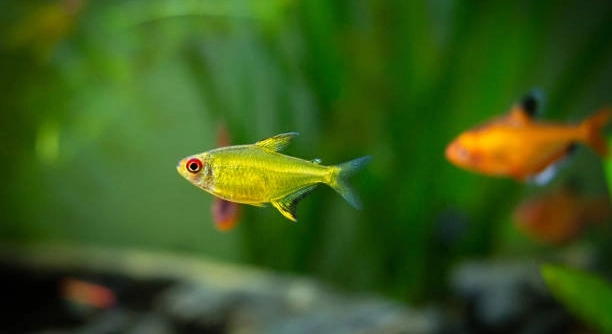
Is your arowana looking less vibrant than usual despite proper care and feeding? Many hobbyists notice dull scales or faded colors, which can be frustrating after spending time and effort maintaining a healthy aquarium environment for their fish.
Arowanas can lose their luster due to poor water quality, insufficient diet, lack of proper lighting, or stress from tank conditions. Correcting these factors with targeted adjustments often restores color and vitality effectively and sustainably.
Understanding these common causes will help you improve your arowana’s appearance and overall health, ensuring it thrives and displays the striking colors you expect in your tank.
Improve Water Quality
Maintaining clean water is essential for arowanas to display their natural colors. High ammonia, nitrite, or nitrate levels can stress fish and dull their scales. Regular water changes, proper filtration, and testing water parameters are key steps. Remove uneaten food and debris promptly to prevent toxins from building up. Temperature also plays a role—keep the water stable within the recommended range for your arowana species. Avoid sudden changes, as they can cause stress, reducing the vibrancy of the fish. Aeration helps maintain oxygen levels, which contributes to overall fish health. Incorporating live plants can also assist with water quality while providing a natural environment. Clean tanks help reduce algae growth and bacteria, which may otherwise affect your fish. Monitoring pH, hardness, and other chemical levels ensures the conditions remain ideal. Over time, consistent care in water management will improve both the health and appearance of your arowana, allowing its colors to become brighter and more defined.
Regular testing and filtration prevent harmful chemical buildup, keeping your arowana’s environment safe and vibrant.
When water conditions are optimized, arowanas not only look healthier but also exhibit better behavior. They become more active, display natural hunting instincts, and their feeding response improves. Stress-related health issues decline, and the scales regain shine. Ensuring the tank is well-maintained encourages arowanas to show off the bright colors they naturally possess.
Provide a Balanced Diet
Feeding your arowana a varied and nutrient-rich diet supports vibrant coloration and strong growth.
Arowanas require a mix of protein sources such as pellets, live or frozen fish, shrimp, and insects. Vitamins and minerals are essential for maintaining color intensity. Avoid overfeeding, as excess food can foul water, stressing your fish. Introducing foods high in carotenoids, like krill or certain pellets, enhances reds and golds naturally. Rotate protein sources to prevent dietary deficiencies and encourage healthy growth. Homemade diets can be used occasionally but must be balanced. Pay attention to the size and type of prey, ensuring it matches the fish’s age and size to prevent choking or digestive issues. Feeding at consistent times helps the fish anticipate meals, reducing stress and promoting better absorption of nutrients. A proper feeding plan, combined with good water quality, maximizes color development. Over time, the fish will display a noticeable improvement in scale brightness and overall health, reflecting the care invested in its nutrition.
Proper feeding habits combined with nutritional variety significantly improve your arowana’s color and vitality over time.
Increase Lighting
Proper lighting helps arowanas show their natural colors and supports overall health. Avoid dim or inconsistent light, as it can dull scales. A consistent light schedule of 10–12 hours per day is ideal.
Using full-spectrum aquarium lights brings out vibrant reds, golds, and metallic tones. Position lights to avoid harsh glare while ensuring even coverage. LED lights are energy-efficient and generate less heat, reducing stress on the fish. Monitor for algae growth, which can increase with stronger lighting, and clean the tank regularly to maintain clarity. Combining proper lighting with clean water allows colors to appear more vivid naturally. Adjusting light gradually after changes helps the fish adapt without stress, supporting long-term health and visual appeal.
Lighting alone isn’t enough; it works best with balanced nutrition and stable water conditions. Regularly check the timer and replace bulbs as needed to maintain intensity and spectrum, keeping your arowana vibrant.
Reduce Stress
Stress directly impacts arowanas’ color and immune system, making them look dull and less active.
Minimize sudden movements near the tank, loud noises, and overcrowding. Ensure tank size is adequate and decorations provide hiding spaces. Avoid aggressive tank mates, which can cause tension and injuries. Frequent water changes, stable temperatures, and proper filtration also reduce stress. Observing your fish for abnormal behavior can indicate early signs of stress, allowing timely adjustments to the environment. Proper acclimation when introducing new fish or changing tank conditions prevents unnecessary stress. Stress reduction promotes feeding consistency, growth, and brighter scales, reinforcing the importance of a calm and stable aquarium environment for your arowana’s overall well-being.
Consistent attention to tank conditions, gentle handling, and a quiet environment encourage your arowana to display its natural colors. Over time, calmer fish show stronger activity, better appetite, and a more vibrant appearance, reflecting improved health.
Regular Tank Maintenance
Cleaning the tank regularly prevents buildup of waste, uneaten food, and algae, which can stress arowanas and dull their colors. A clean environment supports better water quality and fish health.
Replacing 20–30% of the water weekly keeps chemical levels stable and helps maintain clarity, allowing colors to appear brighter naturally.
Use High-Quality Supplements
Vitamins and color-enhancing supplements improve arowana scale vibrancy. Products containing carotenoids, spirulina, and essential vitamins can support natural coloration. Feed supplements according to instructions to avoid overuse, ensuring the fish gets maximum benefits without harming water quality or health.
Avoid Overcrowding
Too many fish in one tank increases competition, stress, and disease risk, which can dull colors. Maintain appropriate stocking levels for your arowana’s size and species.
FAQ
Why does my arowana look dull even though I clean the tank regularly?
Even with frequent cleaning, poor water parameters like high ammonia, nitrite, or nitrate can stress your fish and reduce color vibrancy. Check pH, hardness, and temperature consistently, and make gradual adjustments. Water changes and filtration improvements often restore brightness over time.
Can diet alone bring back my arowana’s color?
Diet plays a major role, but it works best alongside clean water and low stress. Foods rich in carotenoids, shrimp, krill, and high-quality pellets support red and gold tones. Balanced feeding encourages healthy growth, and consistent feeding schedules help the fish absorb nutrients efficiently.
How often should I change water to maintain color?
Partial water changes of 20–30% weekly are usually sufficient. Larger changes can stress the fish. Always monitor chemical levels before and after changes. Stable conditions combined with proper filtration ensure your arowana’s colors remain bright.
Does lighting really affect my arowana’s color?
Yes. Full-spectrum LED or fluorescent lights enhance natural colors. Keep lights on a 10–12 hour daily schedule. Avoid sudden changes in intensity, which can stress the fish. Lighting should complement water clarity and nutrition to produce the best results.
Can stress permanently dull an arowana’s scales?
Prolonged stress can weaken the immune system, reduce appetite, and make colors fade. Removing aggressive tank mates, providing hiding spaces, and maintaining stable water conditions can reverse these effects. Calm, consistent care allows the fish to regain vibrancy over time.
Should I use supplements to improve color?
Supplements with carotenoids, spirulina, and essential vitamins can enhance color naturally. Avoid overuse, which may impact water quality. Rotate supplements with high-quality foods to ensure the fish receives proper nutrition without risking chemical imbalance.
Is tank size important for color and health?
Yes. Arowanas need ample space to swim freely. Overcrowding increases stress, reduces oxygen levels, and can dull colors. Follow recommended tank sizes for your arowana species and avoid keeping multiple large fish in confined spaces.
Can overfeeding cause dull colors?
Overfeeding produces excess waste, leading to poor water quality and stressed fish. Feed only what your arowana can consume in a few minutes. Maintaining portion control ensures proper nutrition without compromising tank conditions, supporting healthy coloration.
How long does it take for colors to improve?
Color improvement depends on water quality, diet, lighting, and stress levels. With consistent care, noticeable changes can appear within weeks to a few months. Patience and steady maintenance are key to restoring your arowana’s vibrant appearance.
Are live foods better than pellets for enhancing color?
Live foods can provide natural nutrients and stimulate hunting behavior, which promotes health and activity. High-quality pellets fortified with vitamins and carotenoids are also effective. A combination of both ensures balanced nutrition and supports long-term color vibrancy.
Can poor filtration affect my arowana’s colors?
Yes. Inefficient filtration allows waste and toxins to accumulate, stressing the fish and dulling scales. Using a strong filter, appropriate for your tank size, helps maintain clean water, reducing stress and supporting vibrant coloration.
Do different arowana species require different care for color enhancement?
Yes. Each species has specific temperature, water chemistry, and dietary needs. Understanding your arowana’s natural habitat and requirements ensures the right conditions for bright, healthy scales. Adjust lighting, supplements, and tank conditions based on species-specific recommendations.
How does water temperature impact my arowana’s color?
Temperature fluctuations stress the fish and slow metabolism, reducing color vibrancy. Maintain stable temperatures within the recommended range for your species. Avoid sudden changes during water changes or heater adjustments to preserve health and scale brightness.
Can decorations or tank layout influence color?
Yes. Sharp or reflective objects can stress arowanas, while hiding spots reduce stress. Natural decorations and smooth surfaces create a calm environment, encouraging natural coloration. Proper layout supports swimming freedom and reduces aggressive interactions, both of which affect vibrancy.
Is it normal for arowana colors to fade with age?
Some fading can occur naturally, but significant dullness usually indicates environmental or dietary issues. Maintaining proper water quality, nutrition, and low stress can slow or reverse age-related fading, keeping your arowana bright for many years.
Can I use color-enhancing foods exclusively?
Relying solely on color-enhancing foods may lead to nutritional imbalances. Use them as part of a varied diet including protein sources and essential vitamins to ensure overall health and sustainable color improvement.
How do I know if my arowana is stressed?
Signs include reduced appetite, hiding, erratic swimming, clamped fins, and faded scales. Monitoring behavior daily allows early intervention. Adjust water quality, tank mates, or environment to reduce stress and support natural color restoration.
Does water movement affect color?
Moderate water flow promotes oxygenation and circulation, supporting health and vibrancy. Excessive current can stress arowanas, while stagnant water reduces oxygen levels, dulling scales. Balance flow with species needs to maintain optimal conditions.
Are supplements necessary if I feed live foods?
Not always. Live foods provide nutrients naturally, but occasional supplementation ensures consistent vitamin and carotenoid intake, especially if live food sources vary in quality or availability. A balanced approach supports vibrant colors without compromising water quality.
Can lighting alone bring back faded colors?
Lighting helps reveal natural colors but cannot compensate for poor water quality, diet, or stress. It works best alongside proper nutrition and tank conditions to maintain a healthy, vibrant arowana.
What is the most common reason for dull scales?
The most frequent cause is a combination of stress, poor water quality, and insufficient diet. Addressing all three factors together produces the best results in restoring color and overall fish health.
How often should I monitor water parameters?
Weekly testing for ammonia, nitrite, nitrate, pH, and hardness is recommended. Frequent monitoring allows timely corrections before issues affect your arowana’s health and coloration. Consistency in observation is key to long-term vibrancy.
Is it normal for colors to fluctuate during breeding or growth?
Yes. Hormonal changes, growth stages, and breeding behavior can temporarily alter color intensity. Stable care and diet help minimize stress-related fading and support a return to vibrant scales after these periods.
Can stress from transport affect color?
Transport or relocation can temporarily dull scales. Provide gentle acclimation to the new tank, stable water conditions, and proper feeding to restore color over several days or weeks.
Do tank mates affect color?
Aggressive or territorial tank mates increase stress, which can dull colors. Select compatible species and provide enough space to reduce conflicts, ensuring your arowana maintains its natural vibrancy.
Are there any quick fixes for dull arowanas?
No instant solution exists. Gradual improvement comes from consistent water care, proper diet, low stress, and adequate lighting. Patience and steady maintenance yield lasting, healthy color restoration.
Can algae growth impact color?
Yes. Excessive algae reduces water clarity and can increase toxins, stressing your fish. Regular cleaning, proper lighting, and nutrient control help manage algae, keeping the environment conducive to bright scales.
Should I change water temperature gradually after a tank move?
Always. Sudden temperature changes stress arowanas, dulling colors and affecting appetite. Gradual acclimation prevents shock, supporting recovery and maintaining natural vibrancy.
Do arowanas show color differences between morning and evening?
Slight fluctuations can occur due to lighting and activity levels, but significant fading indicates environmental or health issues. Maintaining consistent lighting and water conditions minimizes unnecessary color changes.
Can stress from frequent handling affect coloration?
Yes. Handling increases stress and can temporarily dull scales. Limit interaction to necessary tasks and avoid rough movements. Gentle care preserves vibrancy and overall health.
Is it normal for juvenile arowanas to be less colorful?
Yes. Young arowanas often develop full coloration gradually. Proper diet, lighting, and water quality accelerate this process, but some species take months or even years to reach peak vibrancy.
Can disease cause dull colors?
Certain infections, parasites, or bacterial issues can reduce scale brightness. Monitor health closely, treat illnesses promptly, and maintain clean water to prevent color loss and support recovery.
How can I combine all care factors for best results?
Maintain clean water, feed a varied and nutritious diet, provide proper lighting, reduce stress, and observe behavior regularly. This integrated approach ensures long-term health and vibrant coloration for your arowana.
Can changing the tank location affect color?
Moving a tank can stress fish if environmental conditions fluctuate. Ensure stable temperature, water quality, and lighting in the new location to minimize fading and maintain color vibrancy.
Are there seasonal color changes?
Some mild seasonal variations can occur due to temperature and lighting changes. Consistent tank management helps reduce these effects, keeping colors steady year-round.
Do arowanas prefer natural or artificial lighting for color?
Both work if intensity and spectrum are appropriate. Natural light should be indirect to prevent stress, while artificial full-spectrum lights provide consistency and support maximum vibrancy.
How do I know if supplements are working?
Look for gradual improvement in red, gold, or metallic tones. Also monitor activity, appetite, and overall health, which indicate effective nutrient absorption.
Can stress from water flow reduce colors?
Yes. Too strong or turbulent currents cause fatigue and stress. Moderate, consistent flow promotes health, supporting natural vibrancy without overexertion.
What is the single most effective way to restore color?
No single factor alone is sufficient. Consistently combining clean water, balanced nutrition, proper lighting, and low-stress conditions produces the best long-term improvement in scale brightness.
Do different light colors affect arowana color?
Full-spectrum white light best enhances natural colors. Red or blue lights can emphasize certain hues temporarily but do not replace proper water care and nutrition.
How important is tank stability overall?
Stable temperature, pH, water quality, and environment reduce stress and encourage natural coloration. Regular monitoring and consistent care are essential for maintaining vibrant arowanas.
Can color fade indicate early health problems?
Yes. Dull scales can be an early warning of stress, poor diet, or disease. Prompt action prevents further decline and supports recovery before serious issues arise.
Does tank size influence stress and color?
Absolutely. Arowanas need adequate space to swim and establish territories. Crowding increases stress, which dulls scales and can reduce overall health. Proper sizing supports both color and well-being.
Can aging affect color recovery?
Older arowanas may take longer to regain brightness. Consistent care, diet, and stable conditions still improve vibrancy, but patience is necessary for full recovery.
Is it safe to combine supplements with live foods?
Yes, if used correctly. Rotate supplements with live food to prevent overdosing and maintain water quality, ensuring optimal nutrition and healthy coloration.
How can I monitor progress in color restoration?
Keep notes or photos of your arowana over weeks. Track water parameters, feeding habits, and lighting changes. Gradual improvements indicate effective care, while stagnant color suggests adjustments are needed.
Can water hardness affect color?
Yes. Extreme hardness or softness can stress fish. Maintaining species-appropriate hardness levels supports metabolism, health, and natural color expression.
Do arowanas respond differently to color-enhancing foods at different ages?
Younger fish absorb nutrients efficiently, showing quicker color changes. Older fish may respond slower, but consistent feeding still produces gradual improvements in vibrancy.
Can adding plants affect color?
Live plants improve water quality and provide hiding spaces, reducing stress. Lower stress supports brighter coloration, making plants a beneficial addition to the tank environment.
Are metallic or red arowanas affected differently by care?
Yes. Red arowanas often need higher carotenoid intake to maintain color, while metallic species respond more noticeably to lighting and water clarity. Tailor care to the specific species for best results.
How do I prevent future dulling?
Maintain a routine of water changes, balanced feeding, proper lighting, and stress reduction. Monitoring tank conditions and behavior regularly prevents issues before they affect color.
Can tank reflections stress arowanas?
Yes. Constant reflections or aggressive visual stimuli can stress fish. Position tanks to minimize reflective surfaces and reduce stress-related dulling.
Is it normal for colors to darken or lighten during feeding?
Slight color shifts can occur during activity, but consistent dullness suggests water quality, diet, or stress issues that need addressing.
Does water pH impact color intensity?
Yes. Improper pH stresses arowanas, reducing color vibrancy. Keep pH stable within species-specific ranges to support healthy coloration.
Are there signs of permanent color loss?
Permanent fading is rare and usually results from prolonged stress, illness, or genetic factors. Most color loss can be restored with proper care.
Can seasonal temperature changes in the room affect color?
Yes. Sudden drops or rises can stress the fish. Use heaters or coolers to maintain stable water temperature, ensuring consistent color.
Is it better to treat stress or diet first?
Both are important simultaneously. Reducing stress and providing a balanced diet together produces the quickest and most effective color restoration.
How long should I observe before expecting changes?
Visible improvement often occurs in weeks, with full vibrancy returning over months. Patience and consistent maintenance are essential for lasting results.
Can multiple factors combine to cause dull colors?
Yes. Water quality, stress, lighting, diet, tank mates, and environment all interact. Addressing all simultaneously provides the best chance for restoration and long-term color health.
Is color-enhancing food safe long-term?
Yes, if used as part of a balanced diet. Overuse may affect water quality, so rotate with standard high-quality foods to maintain health.
Do arowanas need different care in winter?
Maintain stable temperatures and consistent lighting during colder months. Avoid drastic changes that can stress fish and reduce color vibrancy.
Can sudden light changes cause color fading?
Yes. Gradual adjustments allow the fish to adapt without stress, preventing temporary dulling and supporting natural coloration.
How can I make sure my arowana is thriving visually?
Observe activity, appetite, scale shine, and fin condition. Healthy fish with proper diet, low stress, and clean water will display bright, vivid colors consistently.
Is it possible to restore a severely dull arowana?
Yes. Consistent water management, diet, lighting, and stress reduction can gradually bring back vibrant coloration, even in fish that appear very dull.
Can overuse of supplements harm color?
Excessive supplementation can impact water quality and fish health, ultimately dulling scales. Follow recommended doses and rotate with natural foods for safe use.
Do arowanas need dark periods at night?
Yes. A natural day-night cycle reduces stress and supports metabolic and color regulation. Keep lights off consistently at night for proper rest.
Can introducing new tank mates affect color?
Yes. Aggressive or territorial species can stress arowanas, leading to dull scales. Introduce compatible fish carefully and monitor interactions to maintain vibrancy.
Is color fading reversible?
In most cases, yes. With consistent attention to diet, water quality, lighting, and stress management, arowanas can regain bright, healthy scales over time.
How do I balance all care factors without overwhelming the fish?
Implement gradual changes, monitor results, and maintain a routine. Consistency in water care, diet, lighting, and environment ensures safe, sustainable improvements in color and overall health.
Can lighting schedules affect feeding behavior and color?
Yes. A consistent light cycle helps regulate appetite and activity, which indirectly supports color by promoting proper nutrient absorption and reducing stress.
Do arowanas need hiding spots for color maintenance?
Providing safe spaces reduces stress and allows rest, which supports natural coloration. Even a few well-placed decorations can make a noticeable difference in vibrancy.
Are chemical treatments for disease harmful to color?
Some treatments can temporarily dull scales or stress fish. Always follow dosage instructions and monitor water quality to minimize impact while addressing health issues.
How can I know if environmental stress is causing dull scales?
Observe behavior, appetite, and color changes. Stress-related dulling often accompanies erratic swimming, clamped fins, or hiding. Address water quality, lighting, and tank mates to improve coloration.
Is it necessary to adjust care as my arowana grows?
Yes. Larger fish require more space, stronger filtration, and higher food intake. Adjusting care ensures continued health and maintains vibrant coloration throughout growth stages.
Do different foods enhance different colors?
Yes. Carotenoid-rich foods enhance reds and golds, spirulina supports metallic and green tones, while a varied diet ensures all colors remain vivid and the fish stays healthy.
Can minor scratches or injuries affect color?
Yes. Scale damage can appear as faded patches. Maintaining a safe, smooth environment and monitoring tank mates helps prevent injury and color loss.
Is regular observation enough to catch problems early?
Yes. Daily monitoring of behavior, appetite, and appearance helps identify issues before they affect color or health, allowing timely intervention and consistent vibrancy.
Do arowanas need seasonal diet changes for color?
Minor adjustments can support metabolic changes, but consistency is key. Focus on quality, variety, and supplementation to maintain natural coloration year-round.
How important is oxygenation for color?
Adequate oxygen supports metabolism and reduces stress, indirectly promoting brighter colors. Aeration or moderate water flow ensures optimal oxygen levels for health and vibrancy.
Can water clarity alone impact scale appearance?
Yes. Clear water allows light to penetrate and reflect off scales, enhancing visible colors. Dirty or cloudy water can make healthy colors appear dull.
Is it normal for color to vary between individual arowanas?
Yes. Genetics, age, diet, and health affect color intensity. Even with identical care, some fish may display brighter or deeper hues than others.
How do I combine lighting, diet, and water care effectively?
Maintain full-spectrum lighting on a consistent schedule, feed a balanced and varied diet, and monitor water parameters regularly. Combining all three provides the strongest foundation for natural color vibrancy and overall health.
Can temperature fluctuations at night affect color?
Yes. Sudden drops or rises can stress arowanas, dulling scales. Stable nighttime temperatures are essential for consistent coloration and healthy metabolism.
Are there visual signs that supplements are not working?
No improvement in reds, golds, or metallic shine after consistent use may indicate issues with water quality, feeding, or absorption. Reassess care routine to ensure supplements are effective.
Does tank position affect light exposure and color?
Yes. Placing tanks in shaded or overly bright areas can reduce or overstim
Maintaining arowanas with bright, healthy colors requires consistent attention to several factors. Water quality is the foundation of arowana care. Regular testing for ammonia, nitrite, nitrate, pH, and hardness ensures a stable environment. Partial water changes of 20–30% weekly prevent the buildup of harmful substances that can stress your fish and dull their scales. Filtration systems must be appropriate for the size of your tank, as insufficient filtration allows toxins and waste to accumulate. Even small adjustments, such as stabilizing water temperature and ensuring proper aeration, can have noticeable effects on your arowana’s overall health and appearance. A clean, stable tank encourages natural behavior, which directly contributes to vibrant scales and stronger immune function.
Diet is another key component of keeping arowanas looking their best. A balanced and varied diet provides essential nutrients that support color development and overall health. Foods rich in carotenoids, such as krill or high-quality pellets, enhance reds and golds naturally. Including live or frozen protein sources helps maintain muscle growth and activity levels. Overfeeding should be avoided, as excess food can quickly compromise water quality and cause stress. Using supplements occasionally can help ensure adequate vitamin intake, but they work best when combined with a consistent feeding schedule and nutrient-rich foods. Paying attention to portion size and rotation of food types helps your arowana absorb nutrients effectively, promoting both health and brighter scales.
Reducing stress is just as important as water and diet management. Stress can come from aggressive tank mates, overcrowding, frequent handling, or sudden changes in the tank environment. Even minor sources of stress can weaken your fish, suppress appetite, and cause dulling of scales. Providing a calm environment with hiding spots, stable lighting, and moderate water flow supports natural behavior and color expression. Regular observation of your arowana allows you to identify early signs of stress or health issues, which can be addressed before they impact appearance. Combining proper water care, nutrition, lighting, and stress management creates a balanced environment where your arowana can thrive, showing its natural colors and maintaining overall well-being for years to come.

Hello,
If you enjoy the content that we create, please consider saying a "Thank You!" by leaving a tip.
Every little bit helps us continue crafting quality advice that supports the health, happiness, and well-being of pets around the world, for pets of all shapes, sizes, and species.
We really appreciate the kindness and support that you show us!