
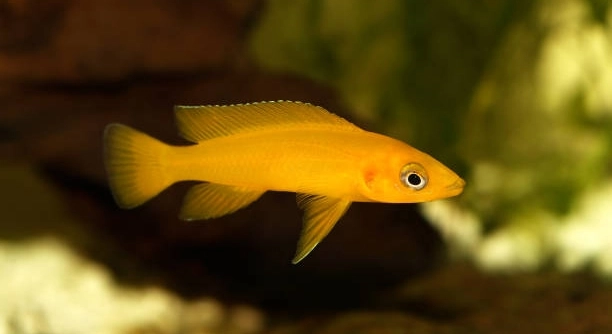
Do you ever find yourself watching your Arowana swim gracefully in its tank, noticing it pausing and staring at the glass for long moments? These fish often exhibit fascinating behaviors that can catch the attention of any observer.
Arowanas may react to their own reflection, often displaying territorial or curious behaviors. Scientific studies suggest they recognize movement and presence but do not possess full self-awareness or mirror recognition, responding primarily to perceived rivals or stimuli.
Understanding these responses can enhance how you interact with your Arowana. Observing their behavior more closely can reveal subtle patterns in their daily activities.
How Arowanas Respond to Their Reflection
Watching my Arowana approach the glass, I noticed it often flares its fins and swims with more intensity than usual. These behaviors are typically triggered by the fish perceiving its reflection as another fish invading its space. Arowanas are naturally territorial and will react strongly to what they interpret as a rival. They may swim aggressively, nudge the glass, or even attempt to chase the reflection. Over time, some Arowanas may seem to recognize that the reflection does not pose a real threat, reducing the intensity of their responses. However, this behavior varies by individual, as some remain highly reactive. Environmental factors, such as tank size and decoration, also influence their responses. Clear glass and bright lighting can make reflections more noticeable, prompting repeated interactions. Observing these behaviors can provide insight into their instincts and help adjust tank setups to reduce stress.
These interactions are primarily instinctual. They rarely indicate full self-awareness, though they show strong territorial instincts.
Monitoring your Arowana’s reflection behavior is important for maintaining a calm tank. Adjusting the tank layout or adding visual barriers can minimize stress. Over time, you can notice patterns in when the fish reacts and when it seems indifferent. Reflective surfaces may trigger short bursts of activity, while a calmer environment encourages more relaxed swimming and natural behavior.
Signs Your Arowana Recognizes Movement
Reflections trigger immediate reactions rather than conscious recognition of self. Fish respond to motion and potential threats instinctively.
Repeated exposure to reflections can help Arowanas habituate. They may gradually spend less energy reacting aggressively, conserving it for feeding and exploration. Each Arowana reacts differently, and careful observation is necessary to understand individual responses. Adjusting lighting and using tank plants or background decorations can reduce strong reactions. Some Arowanas learn quickly that the reflection is harmless, while others continue to react for months. Observing these behaviors allows owners to provide better care, ensuring the fish remain healthy and stress-free. Environmental enrichment, such as hiding spots or floating objects, can further encourage natural activity. Consistency in tank setup and monitoring changes in behavior helps create a balanced habitat where Arowanas can thrive, displaying curiosity and territorial instincts without excessive agitation. Proper management of their environment supports both their physical health and behavioral stability.
Environmental Factors Affecting Reflection Response
Tank size and layout greatly influence how an Arowana reacts to its reflection. Smaller tanks often amplify reactions because the reflection appears closer and more threatening, while larger tanks can diffuse these behaviors, reducing stress and aggression.
Lighting plays a key role in how reflections are perceived. Bright light enhances the visibility of reflections, often prompting repeated displays of aggression or curiosity. Dimmer lighting or diffused light can lessen the intensity of reactions. Decorations and background colors also affect how visible the reflection is. Adding plants or opaque backgrounds can break up reflections, helping the fish focus on its surroundings rather than its mirrored image. Even minor changes in water clarity can change how a reflection is perceived.
The position of the tank in the room influences behavior as well. Reflections from windows or external light sources can startle the fish unexpectedly. Covering or repositioning the tank can prevent unnecessary stress. Providing consistent environmental cues helps the Arowana feel secure, leading to calmer and more predictable behavior patterns over time.
Managing Aggression Triggered by Reflections
Frequent aggression toward reflections can be reduced through strategic tank adjustments. Visual barriers and rearranging tank decorations help limit exposure.
Regular observation allows owners to notice patterns in aggressive behavior and make small changes to reduce triggers. Installing backgrounds or adding floating objects can obscure reflections while still allowing the fish to swim freely. Adjusting light intensity and angles can prevent sudden bright reflections that may startle the fish. Some Arowanas may need more gradual exposure to mirrors or glass, especially if they are highly territorial. Consistent feeding schedules and environmental enrichment, such as safe hiding spots and objects for exploration, help distract the fish and channel energy away from reflections. These small changes in daily care can significantly reduce stress and improve overall well-being, creating a calmer tank environment where the fish can display natural behavior without repeated agitation from its own reflection.
Reflection and Feeding Behavior
Arowanas often react differently to reflections during feeding times. Aggression may increase if they perceive a rival competing for food. Observing these reactions can help adjust feeding practices to reduce stress and maintain a calmer tank environment.
Separating feeding areas or using feeding rings can minimize conflict. This allows the fish to focus on eating rather than reacting to reflections, ensuring proper nutrition and reducing unnecessary energy expenditure.
Habituation Over Time
With consistent exposure, many Arowanas gradually reduce aggressive responses to reflections. This process, called habituation, occurs as the fish learns that the mirrored image does not pose a real threat. Gradual exposure and stable tank conditions accelerate this adjustment, promoting calmer behavior.
Using Mirrors Safely
Mirrors can be used briefly to stimulate activity but should never be left in the tank long-term. Temporary use encourages exercise without causing prolonged stress.
Observing Individual Differences
Each Arowana reacts uniquely to its reflection, influenced by temperament, age, and prior experiences. Tracking these patterns helps provide tailored care and a more comfortable environment.
FAQ
Can Arowanas actually recognize themselves in a mirror?
Arowanas do not have full self-recognition like some mammals. They react to movement in their reflection, often interpreting it as a rival or intruder. Their responses are primarily instinctual rather than conscious. Over time, some may show reduced reactions, but this does not indicate true self-awareness.
Why does my Arowana attack its reflection so aggressively?
Aggressive behavior toward reflections is mostly territorial. Arowanas perceive their mirrored image as another fish encroaching on their space. This can include flaring fins, charging the glass, or chasing the reflection. Tank size, lighting, and the clarity of the glass can amplify these reactions.
How can I reduce my Arowana’s stress from seeing reflections?
Adding decorations, plants, or background images can obscure reflections. Dimmer lighting or positioning the tank away from windows and bright light sources can also help. Temporary mirrors for exercise should be limited in duration to avoid prolonged stress. Monitoring behavior closely allows for adjustments as needed.
Does age affect how an Arowana reacts to reflections?
Yes. Younger Arowanas are often more reactive and may show frequent aggression. Older or more experienced fish can habituate, displaying calmer responses over time. Individual temperament also plays a role, with some remaining highly territorial regardless of age.
Can repeated exposure to reflections harm my Arowana?
Extended exposure may cause stress, fatigue, or even physical injury if the fish repeatedly strikes the glass. Limiting exposure and providing hiding spots ensures the fish remains active without unnecessary agitation. Regular observation is important to prevent negative effects.
Are all Arowanas equally responsive to mirrors?
No. Species, temperament, and previous experiences influence reactions. Some may ignore their reflection after initial curiosity, while others maintain aggressive behavior. Environmental enrichment and consistent tank conditions help moderate these responses.
Should I use mirrors to train or exercise my Arowana?
Mirrors can encourage activity temporarily, promoting swimming and mental stimulation. However, prolonged use can be stressful. Short, supervised sessions are best, combined with other forms of enrichment, like floating objects or structured feeding routines.
How does lighting impact reflection behavior?
Bright lighting enhances visibility, making reflections more noticeable and often intensifying reactions. Dim or diffused lighting reduces the clarity of reflections, leading to calmer behavior. Adjusting light angles and intensity can significantly influence how often and how strongly your Arowana reacts.
Can tank size influence reflection reactions?
Smaller tanks intensify aggression, as reflections appear closer and more threatening. Larger tanks reduce repeated confrontations and provide more space for natural swimming. Including visual barriers or plants in the tank can further lessen stress from reflections.
What signs show that my Arowana is stressed by its reflection?
Signs include repeated lunging at the glass, rapid swimming, flared fins, or refusing food. Stress may also manifest in changes in color or behavior. Observing these cues and adjusting the tank environment can prevent long-term negative effects.
How long does it take for an Arowana to habituate to its reflection?
Habituation varies by individual. Some fish adjust within weeks, while others may take months. Gradual exposure, consistent environment, and reducing strong stimuli, such as bright light or highly reflective surfaces, help the fish become calmer over time.
Is it better to cover part of the tank to reduce reflections?
Yes. Covering a portion of the tank with opaque materials or decorations can break up reflections, lowering aggression and stress. This method allows the fish to interact naturally while minimizing repeated confrontations with its own image.
Do reflections affect feeding behavior?
Reflections can increase aggression during feeding, as the fish perceives a competitor. Using separate feeding areas or feeding rings helps the Arowana focus on food rather than the reflection, ensuring proper nutrition and reducing energy spent on unnecessary aggression.
Can environmental enrichment reduce reflection aggression?
Yes. Providing hiding spots, floating objects, or plants encourages natural activity and distracts the fish from the reflection. Enrichment allows the Arowana to express instincts safely, reducing repetitive aggressive behavior and promoting overall well-being.
Should I monitor my Arowana differently if it reacts strongly to reflections?
Monitoring is essential. Frequent observation helps identify triggers and adjust environmental factors. By tracking patterns and behavior, you can make targeted changes in lighting, tank setup, or feeding, ensuring the fish remains healthy and stress-free.
Observing an Arowana interact with its reflection can be both fascinating and insightful. These fish are naturally territorial, and much of their response to mirrors or reflective surfaces comes from instinct rather than awareness of self. Aggressive or curious behaviors, such as flaring fins, chasing, or pausing to stare, are common, especially in smaller tanks where reflections appear closer and more immediate. Over time, many Arowanas may reduce the intensity of these reactions, showing that repeated exposure can lead to habituation. This does not indicate that they recognize themselves in a mirror but rather that they learn the reflection is not a real threat. Understanding this distinction is important for anyone caring for these fish, as it informs how to manage their environment and behavior effectively.
Environmental factors play a significant role in how Arowanas perceive their reflection. Lighting, tank size, and decorations can either amplify or reduce these behaviors. Bright, clear lighting makes reflections more noticeable, often triggering stronger reactions, while dim or diffused light can reduce stress. Similarly, adding plants, background images, or other objects can break up the reflection and provide visual boundaries, which help the fish feel more secure. Tank size also matters, as larger tanks give the fish more space to swim without repeatedly confronting its reflection, whereas smaller tanks can increase territorial aggression. Subtle adjustments, such as repositioning the tank away from windows or reflective surfaces in the room, can further minimize stress. These considerations make a noticeable difference in the overall behavior and comfort of the fish.
Managing an Arowana’s response to reflections requires careful observation and gradual adjustments. Temporary use of mirrors can encourage activity and exercise but should never be left in the tank long-term, as prolonged exposure can cause stress or even physical strain. Tracking individual differences is essential, since each fish reacts differently based on temperament, age, and past experiences. Providing environmental enrichment, structured feeding routines, and safe hiding spots allows the fish to express natural behaviors while minimizing aggression toward its reflection. Over time, these strategies help create a calm, stable environment where the Arowana can thrive. Observing their behavior closely not only helps reduce stress but also strengthens the understanding of these remarkable fish, supporting both their health and long-term well-being.

Hello,
If you enjoy the content that we create, please consider saying a "Thank You!" by leaving a tip.
Every little bit helps us continue crafting quality advice that supports the health, happiness, and well-being of pets around the world, for pets of all shapes, sizes, and species.
We really appreciate the kindness and support that you show us!