
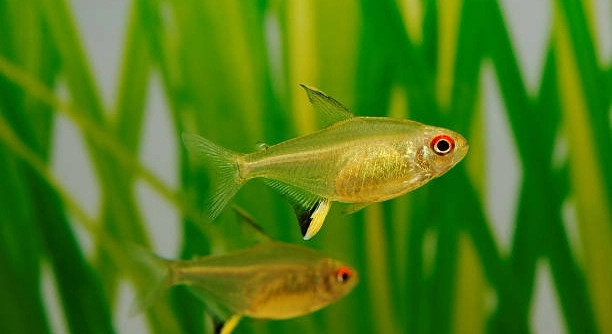
Arowanas are elegant freshwater fish admired for their gliding movements and shimmering scales. Their swimming style can vary widely depending on several environmental and biological factors, which may subtly influence their daily behavior and overall well-being.
Arowana swimming style is primarily influenced by water quality, tank size, diet, age, health, stress levels, and social interactions. Each factor affects muscle development, energy levels, and behavior, ultimately shaping how these fish navigate their environment and interact with their surroundings.
Understanding these influences allows owners to create optimal conditions for their fish. Observing changes in swimming patterns can provide insights into health and comfort in their habitat.
Water Quality and Its Effect on Swimming
Maintaining clean water is essential for arowanas to swim gracefully. Poor water quality can cause lethargy, erratic movements, or even illness. Factors like ammonia, nitrite, nitrate levels, and pH balance directly affect their muscles and energy. Chlorine or heavy metals in tap water can stress them, leading to slower or uneven swimming. Regular water changes, proper filtration, and monitoring water parameters are key to creating a stable environment. Temperature also plays a role; arowanas prefer slightly warm water, which supports better metabolism and muscle function. Stressed fish often hover near the surface or corners, showing reduced fluidity in movement. Even subtle changes in water clarity or chemical composition can impact swimming patterns. Observing your fish daily helps identify problems early and adjust conditions. Providing an environment close to their natural habitat encourages smooth, confident swimming, contributing to long-term health. Proper maintenance ensures they remain active, alert, and display their signature gliding motion.
Clean, stable water promotes consistent swimming and overall health. Arowanas thrive when conditions are carefully maintained and monitored.
Water quality influences not only swimming but also feeding behavior and social interactions. Fish in poor conditions may become aggressive or withdrawn, affecting how they navigate the tank. Over time, poor water leads to weakened muscles, slower response, and increased vulnerability to disease. Tanks with proper filtration, regular water testing, and consistent temperature create an environment where arowanas can swim naturally and confidently. Behavioral cues like frequent surface breathing or erratic turns often signal imbalances. Regular observation allows you to spot these early. Adjusting water parameters gradually is safer than abrupt changes. Even minor improvements in water quality can restore normal swimming patterns within days. Arowanas are sensitive, and small stressors accumulate, so proactive care is crucial. This attention ensures they maintain strong, fluid movements, and their tank becomes a healthy, stable space for growth and activity. By prioritizing water quality, owners support both physical and behavioral health.
Tank Size and Swimming Freedom
Arowanas need ample space to move freely. Small tanks restrict natural swimming, causing stunted movements and stress.
Tank size directly impacts swimming style and energy levels. Arowanas are large, active fish that require length and depth to glide without restriction. A cramped tank forces them to turn sharply or swim in short bursts, affecting muscle development. Wider tanks allow longer, smoother strokes and reduce collisions with walls. Proper space also reduces stress, which can influence appetite, aggression, and general activity. Decorations and obstacles should be minimal to maintain open swimming paths. The tank should provide height for vertical movement, as arowanas sometimes rise or fall in the water column. Ensuring adequate volume helps maintain stable water conditions, since larger water mass resists rapid chemical changes, indirectly supporting healthier swimming. Observing their movement in a suitable tank reveals confident, flowing strokes, a sign of comfort and vitality. Providing sufficient space encourages natural behavior, making their swimming style more expressive and less restricted.
Diet and Nutrition
A balanced diet directly influences arowana energy and swimming performance. Poor nutrition leads to sluggish movements, while proper protein and fat intake enhances muscle strength and stamina.
High-quality feed is essential for maintaining an arowana’s natural grace. Protein-rich diets from fish, shrimp, or pellets support muscle development, allowing smooth gliding motions. Fat content provides energy for sustained swimming, while vitamins and minerals contribute to overall health. Inadequate nutrition can lead to weak fins, slower reflexes, and even deformities that alter movement patterns. Feeding schedules also matter; overfeeding can cause lethargy and digestive issues, limiting active swimming. Varied diets mimic natural feeding habits, encouraging foraging behaviors that keep muscles engaged. Supplementing with live or frozen foods occasionally adds stimulation, promoting agility and alertness. Monitoring how your fish responds to different feeds helps adjust portions and types for optimal performance. Proper nutrition ensures arowanas maintain strength, coordination, and fluidity in the water, supporting both health and elegance.
Consistent, high-quality feeding improves swimming endurance and prevents energy drops. Nutritional balance is vital for sustained health and mobility.
Observing feeding responses gives insight into overall condition. Arowanas that chase and actively hunt their food demonstrate vitality and strong muscle tone. Feeding adjustments based on age, size, and activity can optimize movement and prevent fatigue. Over time, proper nutrition results in confident, fluid strokes and balanced posture. It also reduces stress-related behaviors, like hiding or erratic bursts. Supplements like vitamins or occasional live food improve alertness and reinforce natural instincts. A diet tailored to their needs strengthens immune function and promotes growth, contributing to smoother, more controlled swimming patterns that reflect a healthy, thriving fish.
Age and Development
Younger arowanas tend to be more energetic but less controlled, while mature fish exhibit deliberate, refined swimming patterns.
Growth stages affect swimming ability. Juveniles have strong bursts of energy but may lack coordination, making sudden turns or jumps common. As they age, muscle development and experience lead to smoother, more calculated movements. Proper tank size, diet, and care during early stages are crucial to supporting natural development. Rapid growth without adequate space or nutrition can result in awkward, strained motions. Observing swimming changes over time helps gauge health and readiness for larger environments. Mature arowanas often glide confidently, showing balance and endurance, reflecting both physical strength and environmental comfort.
Age also influences social behavior. Younger fish may chase or interact more, while older arowanas become selective with companions, affecting movement patterns. Consistent care ensures each stage supports optimal swimming, avoiding stress or deformities.
Health Conditions
Illness or injury can significantly change an arowana’s swimming. Weak fins, infections, or internal issues often cause sluggish or erratic movements.
Regular observation and timely treatment help maintain normal swimming patterns. Prompt care for health issues ensures the fish remains active, alert, and capable of smooth, controlled motion.
Stress and Environment
Stress affects energy levels and swimming confidence. Overcrowded tanks, sudden changes, or aggressive tank mates can make arowanas hide, swim rapidly, or appear tense.
Reducing stress involves maintaining stable water conditions, providing sufficient space, and minimizing sudden disturbances. Calm environments encourage fluid, natural swimming and support overall well-being.
Social Interactions
Arowanas’ swimming style can be influenced by nearby fish. Dominance displays, territorial behavior, or competition may change movement patterns.
Observing interactions allows adjustments in tank setup or group composition, promoting harmonious swimming and reducing aggressive encounters.
What causes my arowana to swim erratically?
Erratic swimming is often linked to stress, illness, or sudden changes in the environment. Poor water quality, incorrect temperature, or overcrowding can make arowanas dart around unpredictably. Injuries or internal health issues may also affect muscle coordination. Observing behavior alongside water parameters and physical condition helps identify the cause.
Why does my arowana swim near the surface all the time?
Swimming near the surface often indicates low oxygen levels, high water temperature, or discomfort. Arowanas may rise to find better-oxygenated water or escape unfavorable conditions. Checking aeration, water quality, and temperature can resolve the issue. Consistent monitoring keeps them comfortable and maintains normal swimming patterns.
Is my arowana’s slow swimming a sign of illness?
Slow swimming can reflect fatigue, poor nutrition, or health problems. Fish that appear lethargic may have infections, parasites, or weakened fins. Ensuring proper diet, clean water, and suitable tank conditions supports recovery. Observing other symptoms like discoloration or loss of appetite helps determine if medical attention is needed.
How does tank size influence my arowana’s movement?
Arowanas require spacious tanks to swim naturally. Small tanks restrict movement, causing abrupt turns and limited strokes. Larger tanks allow longer, smoother gliding motions, reduce stress, and promote muscle development. Proper layout with minimal obstacles ensures fluid swimming and helps maintain strength and coordination over time.
Can diet change affect swimming patterns?
Yes. Balanced nutrition supports energy, muscle development, and stamina, directly influencing swimming. High-protein diets promote strength and agility, while deficiencies may lead to sluggish or uneven movements. Feeding schedules also matter; overfeeding can slow activity, while underfeeding reduces endurance. Varied diets maintain natural instincts and alertness.
Do arowanas change swimming style as they age?
Younger arowanas are energetic but less coordinated, often showing sudden bursts or quick turns. As they mature, muscles develop, movements become smoother, and swimming appears more deliberate. Proper care during early growth stages ensures natural progression, while insufficient space or nutrition can cause awkward or strained motions.
How does stress affect swimming behavior?
Stress leads to rapid, tense movements or hiding. Common stressors include overcrowding, aggressive tank mates, sudden water changes, or noise. Reducing stress through stable water conditions, adequate space, and minimal disturbances encourages calm, fluid swimming. Stress management directly supports overall health and activity levels.
Can health issues be detected through swimming patterns?
Yes. Changes in swimming often indicate underlying problems. Sluggish movements, erratic bursts, or loss of balance may signal illness, fin damage, or internal issues. Regular observation of behavior alongside water quality and diet helps detect health concerns early, allowing timely intervention and recovery.
Do arowanas interact socially through swimming?
Arowanas display dominance or territorial behavior, which affects movement. Aggressive displays or chasing can alter swimming patterns. Observing interactions helps adjust tank composition or layout, promoting harmony. Controlled social environments reduce stress, allowing fish to swim confidently and naturally without unnecessary aggression.
How can I encourage natural swimming patterns?
Maintaining stable water quality, proper tank size, balanced diet, and minimal stress promotes fluid, natural movements. Regular monitoring of behavior and environment ensures comfort. Providing enough space, proper companions, and appropriate enrichment supports active, confident, and graceful swimming.
Final Thoughts
Arowanas are remarkable fish with distinct personalities and elegant swimming styles. Their movements are influenced by multiple factors, including water quality, tank size, diet, age, health, stress, and social interactions. Each of these elements contributes to how fluidly and confidently they glide through the water. Maintaining clean, stable water is essential, as even small changes in temperature, pH, or chemical levels can disrupt their swimming patterns. Proper filtration and regular water testing are key to keeping the environment comfortable. Alongside water conditions, providing enough space for movement is crucial. Arowanas are active and large fish, and cramped tanks limit natural swimming, forcing them into abrupt turns and shorter strokes. Spacious tanks allow longer glides and smoother motions, which also reduce stress and support muscle development.
Nutrition plays an equally important role in swimming performance. A balanced diet with sufficient protein, fats, and vitamins supports energy, strength, and muscle coordination. Feeding live, frozen, or high-quality pellet foods in controlled amounts ensures the fish remain active without becoming overweight or sluggish. Observing how arowanas respond to food can provide insight into their overall health and vitality. Younger fish tend to have bursts of energy but lack coordination, while older arowanas swim with more control and precision. Careful attention during each stage of development allows them to build muscle and confidence in movement. Health issues, stress, and social dynamics can also affect swimming. Illnesses or injuries often lead to slower or erratic movements, while aggressive companions or overcrowded tanks may cause defensive or tense swimming. Reducing stress through stable conditions and proper group arrangements helps arowanas move naturally.
By understanding the factors that influence swimming, owners can create an environment that promotes both physical and mental well-being. Regular observation is essential to notice subtle changes in behavior, which can indicate health concerns or environmental imbalances. Adjusting water parameters, diet, tank layout, and social arrangements ensures the fish can swim with confidence and grace. Each arowana may have unique preferences and behaviors, but all benefit from consistent care and attention. Supporting natural swimming patterns not only improves their quality of life but also allows owners to enjoy their beauty and elegance fully. Paying attention to these details ensures that arowanas remain strong, active, and healthy, displaying their signature gliding movements for years to come.

Hello,
If you enjoy the content that we create, please consider saying a "Thank You!" by leaving a tip.
Every little bit helps us continue crafting quality advice that supports the health, happiness, and well-being of pets around the world, for pets of all shapes, sizes, and species.
We really appreciate the kindness and support that you show us!