
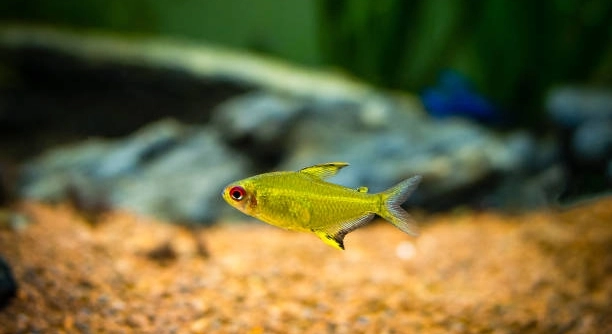
Lemon tetras are small, vibrant freshwater fish often kept in home aquariums. Their bright colors and active swimming patterns make them a favorite among hobbyists who enjoy observing lively, peaceful fish.
Lemon tetras are capable of distinguishing between day and night through changes in light intensity. Their internal circadian rhythms, combined with environmental cues such as natural or artificial lighting, allow them to regulate activity levels and rest periods accordingly.
Understanding how light affects their behavior can help you maintain a healthy and balanced aquarium environment for these delicate fish.
How Lemon Tetras React to Light Changes
Lemon tetras respond quickly to changes in light, adjusting their activity depending on brightness. During the day, they are active, swimming in groups and exploring their environment. Their bright yellow coloring stands out more under daylight, making them easier to observe. At night or when the lights are dimmed, they slow down, often resting near plants or decorations. This adjustment is part of their natural behavior in the wild, where they experience cycles of sunlight and shade. Sudden changes in lighting can startle them, causing stress or erratic swimming. Gradual transitions in light are best for their comfort. Many aquarium owners notice that feeding patterns also shift with light changes, as tetras become less active when the tank is dark. Keeping a consistent day-night schedule helps them maintain regular routines, supporting their health and overall well-being. Observing these patterns gives insight into how delicate and responsive lemon tetras truly are.
Consistent lighting helps maintain their daily rhythm and reduces stress, making them more vibrant and active in the aquarium.
Providing natural light cues in the tank encourages healthy behaviors, mimicking conditions they would experience in their natural habitat. Carefully timed lighting helps reinforce these natural patterns, creating a stable and balanced environment for your lemon tetras.
Feeding Patterns and Daily Activity
Lemon tetras are more active during daylight, showing noticeable feeding behaviors when the lights are on. They tend to ignore food at night, preferring to rest in shaded areas or near plants, which mirrors their instinctive need to avoid predators when visibility is low.
Feeding should be timed with light cycles to match their natural activity. In the morning, small portions of flake or frozen food encourage movement and social interaction, while evening feeding should be lighter to prevent uneaten food from polluting the tank. Observing their behavior helps identify the right portions and timing, as overfeeding can lead to health issues and water quality problems. Some tetras may become more social when fed during daylight, swimming closer to the surface or interacting more with other fish. Their daily routine is tightly linked to light, making consistency important for health and stress reduction. Maintaining this rhythm supports proper growth, digestion, and coloration. Tracking feeding and activity patterns provides a practical approach to understanding how lemon tetras perceive day and night, ensuring they remain lively and healthy throughout their life in the aquarium.
Adjusting Aquarium Lighting
Proper lighting is essential for lemon tetras to distinguish day from night. Using a consistent schedule with gradual transitions helps them adapt without stress, keeping their natural rhythms intact. Sudden changes can cause confusion and unusual behavior in the tank.
Gradually increasing and decreasing light simulates sunrise and sunset, providing cues that encourage normal activity patterns. Timers can make this process simple, ensuring the fish experience a stable day-night cycle. Avoid leaving lights on for extended periods, as this can disrupt their rest and make them more prone to stress or illness. Observing their swimming patterns and resting spots helps determine if lighting adjustments are effective.
Different types of bulbs can impact visibility and coloration. LED lights often provide consistent brightness and reduce heat, while fluorescent options mimic natural light. Positioning lights to avoid intense glare helps tetras feel secure. Plants and decorations also affect how light spreads, offering shaded areas for resting. By monitoring their reactions, you can fine-tune lighting to support both their health and visual appeal in the tank.
Nighttime Behavior
Lemon tetras typically slow down when lights dim, preferring to stay near plants or tank edges. Their nocturnal rest is vital for health and energy conservation.
During the night, their metabolism slows, and they remain relatively still. This behavior mimics natural habitats where predation risk is higher in low light conditions. Fish may form small groups while resting, providing a sense of security. Maintaining dark periods without interruption allows their internal clocks to reset, keeping feeding and activity patterns predictable. Sudden disturbances, like tapping on the glass or turning lights on abruptly, can stress them and disrupt sleep.
Providing shaded areas and gentle lighting adjustments ensures lemon tetras maintain regular sleep cycles. Consistent routines improve overall health, coloration, and activity during the day. Observing nighttime behavior also helps identify potential health concerns early, such as lethargy or unusual hiding. By respecting their need for darkness, the aquarium becomes a stable environment where fish can thrive naturally, reflecting their instincts from the wild and supporting long-term well-being.
Light Sensitivity
Lemon tetras are sensitive to sudden changes in light intensity. Bright flashes can startle them, causing rapid swimming or hiding. Gradual adjustments help them remain calm and maintain normal activity patterns.
Providing dimmed or filtered light at night allows them to rest naturally. This approach reduces stress and promotes consistent behavior throughout the day and night.
Seasonal Light Changes
Seasonal variations in daylight can influence lemon tetras’ activity and feeding schedules. Longer days may increase their movement and foraging, while shorter days encourage longer rest periods. Maintaining consistent tank lighting helps offset extreme seasonal fluctuations.
Using Timers
Timers are helpful for keeping a stable light schedule. They reduce the risk of human error and ensure day-night cycles remain consistent, which supports the fish’s internal rhythm.
Tank Environment
Plants, decorations, and hiding spots create shaded areas that help tetras feel secure. A well-structured environment allows them to rest comfortably and reduce stress during darker periods.
FAQ
How do lemon tetras know when it is day or night?
Lemon tetras rely on changes in light intensity to determine day from night. Their internal circadian rhythm aligns with environmental light cues, allowing them to be active during bright periods and rest when it is darker. Gradual changes in light help maintain their natural patterns.
Can artificial lights affect their behavior?
Yes, artificial lights can influence activity and feeding patterns. Consistent lighting that mimics natural cycles helps maintain normal behavior. Sudden bright lights may startle them, causing stress and erratic swimming. Timers are useful for keeping light schedules consistent.
Do lemon tetras sleep at night?
Lemon tetras enter a state of rest during dark periods. They slow their movement, often staying near plants or decorations. This rest is essential for energy conservation, proper metabolism, and overall health. Maintaining dark periods without interruption ensures they remain healthy and active during the day.
How long should the lights be on in the tank?
A typical schedule is 10–12 hours of light per day. This mimics natural daylight and supports normal feeding, swimming, and social behaviors. Leaving lights on for longer can disrupt sleep, stress the fish, and encourage algae growth in the tank.
Can lemon tetras see in the dark?
They have limited vision in low light. While they can detect some movement and shapes, complete darkness encourages them to rest. Providing shaded areas and gentle lighting at night allows them to feel secure while maintaining natural behaviors.
What happens if their day-night cycle is inconsistent?
Inconsistent cycles can lead to stress, irregular feeding, and reduced activity. Over time, this may affect health, coloration, and growth. Consistency in lighting helps reinforce their circadian rhythm and keeps their behavior predictable and balanced.
Do lemon tetras react to seasonal changes in daylight?
Yes, they may become more active during longer days and more subdued during shorter days. Using a consistent lighting schedule helps offset seasonal fluctuations and maintains regular feeding and resting patterns.
Is it okay to feed them at night?
Feeding at night is generally unnecessary since lemon tetras are less active in darkness. Daytime feeding aligns with their natural activity, ensuring they digest food properly and maintain normal energy levels. Avoid leaving uneaten food, as it can affect water quality.
How can I reduce stress caused by lighting?
Use gradual transitions in light intensity for morning and evening periods. Provide shaded areas with plants and decorations, and avoid sudden flashes or interruptions during dark periods. Timers and dimmable lights can make this process simple and consistent.
Can poor lighting affect their health?
Yes, inadequate or inconsistent lighting can disrupt sleep, feeding, and overall behavior. Chronic stress from poor lighting may lead to weakened immunity and increased susceptibility to disease. Maintaining a predictable day-night schedule supports physical health, natural behavior, and vibrant coloration.
How do I know if their lighting is correct?
Observe activity patterns, swimming behavior, and feeding response. Active swimming during light periods and resting during dark periods indicate proper lighting. Uneven or erratic behavior may signal that adjustments are needed to the light schedule or intensity.
Are timers better than manually switching lights?
Timers provide consistency and reduce human error, ensuring the fish experience predictable cycles. Consistent day-night rhythms support internal biological clocks, reduce stress, and improve overall tank health. Manual changes may be less precise and can disturb their natural behavior.
Do lemon tetras need shaded areas in the tank?
Shaded areas help them feel secure during dark periods or sudden dimming. Plants, decorations, and hiding spots create these zones, promoting natural resting behaviors and reducing stress caused by bright lights or disturbances.
Can stress from lighting cause illness?
Yes, chronic stress from improper lighting may weaken immunity, making fish more vulnerable to infections. Providing gradual light changes, consistent schedules, and secure resting areas reduces stress and supports long-term health.
How often should I adjust the lighting for them?
Adjustments should be gradual and infrequent, only for maintenance or seasonal simulation. Sudden changes can disrupt their behavior. Using timers ensures smooth transitions without needing frequent manual adjustments.
Do all lemon tetras react the same way to light?
Individual fish may vary slightly in sensitivity, but most respond similarly to bright or dim conditions. Observing each fish helps fine-tune lighting, ensuring all members of the school remain comfortable and active.
Can I use natural sunlight for their tank?
Natural sunlight can help, but direct exposure may cause temperature fluctuations and algae growth. Indirect sunlight combined with artificial lighting provides stability while mimicking natural cycles.
How important is consistency for their circadian rhythm?
Consistency is crucial. Predictable light cycles support proper feeding, activity, and rest. Irregular patterns can stress fish, disrupt metabolism, and reduce overall health and coloration. Regular schedules ensure stable behavior and long-term well-being.
What is the best type of lighting for lemon tetras?
LED or fluorescent lights are ideal. They provide consistent brightness, minimal heat, and can be adjusted for gradual transitions. Proper positioning and intensity enhance color, visibility, and natural behaviors, while supporting a stable day-night rhythm.
Can lemon tetras adapt to new lighting schedules?
Yes, they can adapt gradually. Sudden changes may cause stress, but slow adjustments using timers or dimming techniques allow them to adjust naturally over several days. Observation during this period ensures they remain healthy and active.
Do lemon tetras communicate differently during day and night?
Their social interactions decrease during dark periods. They form smaller groups while resting and become more active and interactive during light periods. Daytime activity reinforces school behavior, while nighttime rest ensures energy conservation and reduces stress.
Is it necessary to monitor lighting even in a fully planted tank?
Yes, planted tanks still require consistent lighting. Plants need light for growth, and tetras need predictable cycles for activity and rest. Proper lighting balances plant health with fish behavior, creating a stable and healthy ecosystem.
How long does it take for them to adjust to a new tank light schedule?
Adjustment typically takes a few days. Gradual changes help reduce stress, allowing fish to establish normal feeding, swimming, and resting patterns. Observation during this period ensures the schedule supports their natural rhythm.
Can artificial moonlight affect their behavior?
Soft, dim lighting at night can simulate moonlight without disturbing rest. It may help reduce sudden movements or stress from total darkness while maintaining natural night-time behavior and circadian cycles.
How can I tell if my tetras are stressed by lighting?
Signs include erratic swimming, hiding excessively, loss of appetite, or dull coloration. Observing these behaviors indicates a need for gradual lighting adjustments, shaded areas, or a more consistent schedule.
Do tetras need different lighting in winter and summer?
Seasonal changes can be mimicked using gradual adjustments in light duration. Maintaining approximate consistency supports circadian rhythm and prevents stress caused by abrupt shifts in day length.
Is it safe to use multiple light sources in the tank?
Yes, but avoid excessive brightness or conflicting timings. Using multiple sources for gradual transitions and shaded areas can enhance comfort, reduce stress, and support natural behaviors.
How does light influence feeding schedules?
Feeding aligns with active periods during light. Daytime feeding ensures proper digestion and energy use, while night feeding may lead to uneaten food and water quality issues. Regular schedules reinforce predictable behavior.
Can too little light harm their health?
Insufficient light can disrupt circadian rhythm, reduce activity, and affect feeding behavior. Over time, this may impact growth, coloration, and overall well-being. Consistent light exposure mimicking natural cycles is essential.
What is the best way to start a lighting routine for new tetras?
Introduce gradual light transitions, using timers to simulate natural sunrise and sunset. Observe activity and feeding patterns to adjust intensity and duration. Gradual implementation ensures they adapt without stress and maintain healthy behavior.
Do lemon tetras need complete darkness at night?
Complete darkness is ideal but not strictly necessary. Dimmed or shaded light can provide comfort while maintaining natural rest cycles. Avoid sudden bright light during this period to prevent stress.
How often should I check their response to lighting?
Daily observation is recommended during initial adjustments. Monitor swimming, feeding, and resting behavior to ensure the schedule supports natural activity patterns and reduces stress over time.
Can lighting affect breeding behavior?
Yes, consistent light cycles encourage normal activity and feeding, which indirectly supports breeding readiness. Erratic lighting can stress fish and reduce the likelihood of successful spawning.
Is it okay to use colored lights in the tank?
Soft, natural-colored lights are fine. Avoid overly intense or flashing colors, as these can stress the fish and disrupt normal day-night recognition. Observation ensures the lighting is comfortable and non-disruptive.
How can I maintain a natural environment for tetras in artificial light?
Gradual transitions, shaded areas, timers, and consistent schedules simulate natural conditions. Observing behavior and adjusting intensity or placement helps maintain health, activity, and natural circadian rhythms.
Do lemon tetras sleep in groups or alone?
They often rest in small groups, which provides a sense of security. Group resting reduces stress, reinforces school behavior, and mirrors their natural habits in the wild.
Can stress from lighting affect coloration?
Yes, chronic stress from improper light cycles may cause dull coloration. Proper, consistent lighting supports vibrant colors and overall health.
Are there signs that lighting is too dim or too bright?
Too bright: frantic swimming, hiding, or erratic behavior. Too dim: lack of activity or appetite during the day. Adjust gradually to match their natural preferences.
Does tank placement near windows matter for lighting?
Yes, natural sunlight can alter tank light intensity and schedule. Indirect sunlight combined with artificial lighting provides stability and reduces sudden changes that may stress fish.
How long should tetras be exposed to light before feeding?
They respond best when the lights have been on for a short period, about 30–60 minutes, allowing them to wake fully and become active for feeding.
Can aquarium plants help regulate light exposure?
Yes, plants create shaded areas, diffuse light, and mimic natural environments. This helps tetras feel secure and reduces stress caused by overly bright or sudden lighting changes.
Should I adjust lighting for older or younger tetras?
Young tetras may need more stable lighting to prevent stress, while older tetras benefit from consistent schedules. Gradual adjustments suit all ages to maintain health and activity.
How do I balance aesthetics with natural lighting needs?
Use LED or fluorescent lights with timers and provide shaded areas. Proper placement enhances colors without overwhelming the fish, ensuring a visually pleasing and healthy tank.
Is it important to avoid sudden nighttime light exposure?
Yes, sudden light at night can startle tetras, causing stress and disrupted rest. Gradual transitions or dim lighting reduce these effects and maintain circadian rhythm.
How can I tell if my lighting routine is working?
Healthy activity during light, proper feeding, resting at night, and vibrant coloration indicate success. Irregular behavior signals a need for adjustment.
Can lighting influence social interactions?
Yes, tetras become more interactive during light periods, reinforcing school behavior. Darkness reduces activity and social interactions, reflecting natural instincts to avoid predators.
Is it necessary to change lighting when adding new tetras?
Gradual integration of lighting helps new fish adapt. Sudden changes may stress both existing and new tetras. Timers and observation ensure smooth adjustment for all.
Can lighting help prevent aggression in the tank?
Consistent light schedules reduce stress-induced aggression. Shaded areas and predictable day-night cycles allow tetras to establish comfortable routines and social hierarchies without unnecessary conflict.
Do lemon tetras need any light at night for visibility?
Dim lighting is optional but can help monitor behavior without disturbing rest. Avoid bright lights or sudden changes, as these can disrupt natural night cycles.
How important is observing behavior for adjusting lighting?
Observation is key. Swimming patterns, resting spots, and feeding behavior indicate if lighting supports their needs. Adjusting based on observation ensures a healthy and stress-free environment.
What is the role of circadian rhythm in their health?
Circadian rhythm regulates activity, feeding, metabolism, and rest. Consistent light schedules maintain rhythm, promoting energy balance, proper growth, and overall well-being.
Can lighting impact their lifespan?
Proper, consistent lighting reduces stress and supports health. Chronic stress from poor lighting may weaken immunity and shorten lifespan, while stable cycles help tetras thrive long-term.
Do lemon tetras notice small light changes?
Yes, they are sensitive to even minor changes in intensity. Gradual transitions and consistent schedules help them adapt naturally without stress or behavioral disruption.
Can lighting affect tank algae growth?
Yes, extended or overly bright lighting promotes algae growth. Maintaining balanced, timed lighting supports fish health while controlling unwanted algae.
How does lighting interact with water temperature?
Strong lighting may increase water temperature slightly. Using LED lights reduces heat output, maintaining stable temperature and preventing stress from sudden warmth.
Are there recommended light durations for breeding tanks?
Consistent cycles of 10–12 hours encourage activity and readiness for spawning. Irregular lighting can stress fish, reducing breeding success and affecting egg quality.
Do lemon tetras ever get confused by artificial lighting?
They can, if changes are abrupt or inconsistent. Timers, gradual adjustments, and shaded areas help prevent confusion, supporting normal activity and rest patterns.
Is it better to have multiple shorter light periods or one long period?
One consistent light period of 10–12 hours is preferable. Multiple short periods can confuse circadian rhythm and disrupt feeding, resting, and social behavior.
Can lighting affect disease resistance?
Yes, consistent lighting reduces stress, supporting immune function. Erratic or poor lighting can weaken resistance, making fish more susceptible to common diseases.
How can I safely adjust lighting for maintenance or cleaning?
Gradually dim or pause lights using timers or dimmers. Avoid sudden full-intensity exposure to reduce stress. Observing fish behavior ensures they remain comfortable during adjustments.
Do lemon tetras prefer natural or artificial light?
They adapt well to artificial light if it mimics natural day-night cycles. Indirect natural light can supplement, but consistency and stability are most important for their behavior and health.
Can over-illumination cause behavioral issues?
Yes, too much light may cause hiding, frantic swimming, or reduced appetite. Proper intensity and gradual transitions maintain calm, normal activity, and healthy feeding patterns.
How long should I monitor new lighting setups?
Observe behavior for at least a week. Monitor swimming, feeding, and resting patterns to ensure the schedule supports natural circadian rhythms and reduces stress.
Are timers better than manual switches for long-term health?
Yes, timers provide consistent cycles that support activity, feeding, rest, and overall health. Manual switching increases the risk of errors that can disrupt rhythms.
Do lemon tetras react differently in community tanks versus species-only tanks?
Slightly, as interactions with other species may influence activity and stress. Consistent lighting and shaded areas help maintain normal behaviors regardless of tank composition.
How does light placement affect behavior?
Proper placement reduces glare and provides shaded zones. Uneven lighting may cause tetras to hide excessively or become stressed, impacting feeding and social interactions.
Can lighting impact tank cleaning routines?
Yes, maintaining predictable cycles helps plan cleaning without disturbing rest. Avoid sudden bright light during dark periods, which can stress fish and affect behavior.
Is there a risk of disrupting sleep with too many aquarium accessories?
Excessive decorations can limit shaded areas, making it harder for tetras to rest. Thoughtful placement ensures secure hiding spots while allowing gradual light transitions.
Do lemon tetras ever need light during overcast days or cloudy conditions?
Artificial lighting helps maintain consistent activity and feeding patterns, compensating for reduced natural light and preventing disruption of their circadian rhythm.
How can I tell if they are adjusting well to new light schedules?
Active swimming during light periods, normal feeding, and resting behavior at night indicate successful adjustment. Signs of stress suggest the need for gradual changes or shaded areas.
Can lighting influence tank temperature control equipment?
Yes, intense lighting may slightly raise water temperature. Using LEDs or adjusting placement ensures stable conditions, preventing stress caused by temperature fluctuations.
Should I document lighting schedules and fish behavior?
Yes, tracking schedules and responses helps identify patterns, prevent stress, and maintain consistent health, activity, and natural circadian rhythms.
Can dim lighting at night encourage feeding?
Dim light is not necessary for feeding. Tetras are less active at night, and daytime feeding aligns with natural rhythms, digestion, and energy use.
How important is observation compared to following generic lighting guidelines?
Observation is critical. Guidelines are helpful, but each tank and group of tetras may react differently. Adjusting based on behavior ensures their needs are met accurately.
Do lemon tetras ever ignore light cues?
Occasionally, stress or illness may reduce responsiveness. Normal behavior typically resumes with consistent lighting and proper care.
Can lighting affect water chemistry indirectly?
Yes, extended lighting can promote algae, affecting oxygen levels and water quality. Proper timing and intensity help maintain a healthy environment.
How can I safely transition from one lighting type to another?
Introduce new lights gradually, adjust intensity, and observe behavior. Timers and shaded areas prevent stress during the change.
Is LED lighting preferable over fluorescent for tetras?
Yes, LEDs provide stable intensity, minimal heat, and easy adjustment for gradual transitions. Fluorescent lights are acceptable but may produce more heat and less control over dimming.
Can irregular lighting reduce social interaction among tetras?
Yes, irregular cycles may reduce school cohesion, feeding synchrony, and general activity. Consistent light periods support social behavior and reduce stress-related conflicts.
How long can lemon tetras tolerate brief light disruptions?
Short, occasional disruptions may cause minor stress but are generally tolerated. Frequent interruptions can have cumulative effects on behavior and health.
Do they prefer any specific color temperature?
Natural, soft white light is best. Very harsh or intense colors can stress fish and alter behavior, while soft, balanced tones promote natural activity and comfort.
Can lighting influence reproductive cycles?
Yes, stable cycles encourage regular activity, feeding, and readiness for spawning. Erratic or abrupt lighting changes may inhibit breeding behaviors.
How often should I replace bulbs or lighting equipment?
Replace or maintain lights according to manufacturer guidelines. Worn bulbs may change intensity or spectrum, affecting behavior, circadian rhythm, and overall tank health.
Does lighting affect fish growth?
Indirectly, yes. Proper lighting encourages activity and feeding, which support metabolism and growth. Improper lighting can reduce feeding efficiency and stress fish, slowing development.
Can lemon tetras adapt to low-light tanks?
They can survive, but low light may reduce activity, coloration, and feeding efficiency. Supplemental or timed lighting supports natural behavior and well-being.
**Is it
Lemon tetras are delicate fish that rely heavily on light cues to regulate their daily routines. Their natural behavior, including activity, feeding, and rest, is closely tied to a stable day-night cycle. Providing consistent lighting in the aquarium helps them distinguish between daytime and nighttime, reducing stress and supporting normal behavior. Gradual changes in light, rather than abrupt shifts, are important because sudden brightness or darkness can startle them, causing erratic swimming or hiding. Using timers or dimmable lights allows the tank environment to mimic natural conditions, helping these small fish maintain healthy circadian rhythms without constant human intervention. Observing their reactions to lighting changes, including how they swim, rest, and interact with each other, is essential for creating an environment that meets their needs.
Maintaining proper lighting also impacts their feeding patterns and overall health. Lemon tetras are more active during periods of brightness, making daytime the ideal time for feeding. Nighttime feeding is generally unnecessary because they rest during dark periods, and leaving uneaten food in the tank can affect water quality. Providing shaded areas, such as plants or decorations, gives them places to retreat during bright periods and allows for natural resting spots at night. Over time, consistent light and shade help strengthen their immune systems, improve coloration, and support proper growth. In addition, gradual light transitions, such as simulating sunrise and sunset, make it easier for tetras to adapt to changes without stress. Following these principles ensures the fish remain healthy, active, and vibrant, which enhances the overall balance and enjoyment of the aquarium.
A well-managed lighting schedule also plays a role in social behavior and long-term comfort. Lemon tetras often swim in schools, and consistent day-night cues encourage synchronized activity and feeding among the group. When lighting is inconsistent, their behavior may become erratic, affecting both individual health and social interactions. Providing indirect or soft light at night, along with secure hiding areas, supports natural resting behavior while minimizing stress. Observing these patterns over time allows aquarium owners to make small adjustments that improve the well-being of the fish. Proper lighting is not just a visual concern; it directly influences activity levels, feeding efficiency, social behavior, and overall health. By paying attention to light schedules, intensity, and shaded areas, it is possible to create a stable, natural-feeling environment where lemon tetras can thrive, maintain strong coloration, and enjoy a stress-free, balanced life in the aquarium.

Hello,
If you enjoy the content that we create, please consider saying a "Thank You!" by leaving a tip.
Every little bit helps us continue crafting quality advice that supports the health, happiness, and well-being of pets around the world, for pets of all shapes, sizes, and species.
We really appreciate the kindness and support that you show us!