
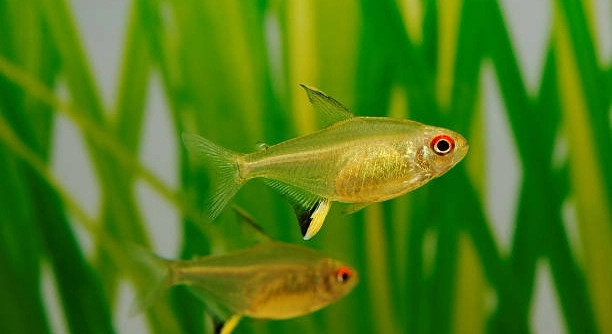
Have you ever set up a small freshwater tank and wondered what it takes to keep tiny fish happy and healthy? Lemon tetras are vibrant, active, and sensitive, making their environment an important part of their care routine.
Lemon tetras do require a filter for a healthy tank environment. Proper filtration maintains water quality, removes harmful waste, and ensures sufficient oxygenation. Without a filter, these delicate fish can quickly become stressed, leading to disease and shorter lifespans.
Setting up the right tank conditions goes beyond simply adding water and fish. Understanding filtration, water flow, and maintenance routines will make a significant difference in your lemon tetras’ well-being.
Why Lemon Tetras Need a Filter
Lemon tetras are small, lively fish that thrive in clean, well-oxygenated water. Without a filter, waste from fish, uneaten food, and plant debris quickly accumulates, creating harmful ammonia and nitrite levels. Even with careful water changes, toxins can build up faster than you expect. A filter helps maintain a stable environment by circulating water and supporting beneficial bacteria that naturally break down waste. It also keeps water movement consistent, which is important because lemon tetras enjoy gentle currents. Choosing the right filter size and type ensures that water is properly filtered without creating too strong a flow, which can stress these delicate fish. Regular maintenance, like cleaning filter media and replacing worn parts, keeps the system working efficiently. Overall, filtration is not just about aesthetics—it is essential for their health, growth, and long-term survival in your tank.
A proper filter balances water quality and oxygenation while reducing harmful toxins, keeping lemon tetras healthy and active in a stable environment.
Having the correct filter makes tank upkeep easier. It reduces frequent water changes, keeps fish behavior normal, and supports plants by circulating nutrients efficiently.
Choosing the Right Filter
Not all filters are suitable for a lemon tetra tank. You need one that provides gentle water flow while efficiently cleaning the water.
When selecting a filter, consider tank size, fish load, and filtration type. Sponge filters are ideal for small tanks because they are gentle and safe for small fish. Canister or hang-on-back filters work well in larger setups but may require adjustments to reduce flow. Look for filters that support biological, mechanical, and chemical filtration for balanced water quality. Regular monitoring of water parameters ensures the filter performs correctly. Maintaining the filter involves rinsing sponge or mechanical media in tank water, replacing carbon as needed, and checking the motor and tubing. Filters should not create strong currents that stress lemon tetras, as these fish prefer calm areas to swim freely. Proper placement is also key, avoiding strong jets in the main swimming area. Choosing a suitable filter keeps the tank stable, clean, and a safe home for your tetras.
Filter Types Suitable for Lemon Tetras
Sponge filters are gentle and safe, perfect for small tanks. Hang-on-back filters offer stronger filtration but may need flow adjustments. Canister filters work for larger setups, providing thorough cleaning without stressing the fish.
Sponge filters rely on air to push water through a porous sponge, creating low flow and ideal biological filtration. They are easy to clean, inexpensive, and safe for fry or delicate tetras because nothing can get sucked into the intake. Hang-on-back filters are convenient for medium tanks, combining mechanical, chemical, and biological filtration. Flow can often be adjusted with an output nozzle to prevent strong currents that tire out lemon tetras. Canister filters are external, offering high capacity for biological media and excellent water circulation in larger aquariums. These filters require more maintenance but provide stable water conditions and better clarity.
All filters require regular monitoring to ensure proper performance. Cleaning, media replacement, and checking water flow prevents buildup of toxins, keeping the tank environment safe. Choosing the right filter type balances efficiency with gentle water movement, essential for the health of your lemon tetras.
Maintaining Your Filter
Regular maintenance keeps filters working efficiently and the tank safe. Neglecting it can harm fish and plants.
Maintenance includes rinsing sponge or mechanical media in tank water, replacing carbon, and checking impellers. Avoid using tap water on biological media as it can kill beneficial bacteria. Monitoring flow ensures the filter is not too strong or weak. Weekly checks prevent clogging, keeping water clear and oxygenated. Clean intake and outflow tubes to maintain steady circulation. Periodic media replacement supports consistent filtration and prevents buildup of harmful substances. Filter performance directly affects fish behavior and water stability, making maintenance essential.
A consistent maintenance routine ensures your lemon tetras have clean water, proper oxygen, and a stable environment. Even minor neglect can lead to ammonia spikes, stressing fish and promoting disease. By keeping filters in top shape, the tank remains balanced, plants flourish, and fish stay active. Understanding how each filter component works makes maintenance easier, allowing adjustments without overhauling the entire system. Proper care extends the lifespan of both your filter and the aquarium ecosystem, ensuring a thriving, healthy habitat for your lemon tetras.
Flow Rate Considerations
Lemon tetras prefer gentle water currents. Strong flow can stress them and affect their swimming patterns. Adjusting filter output ensures they can swim comfortably without struggling.
Tank placement also matters. Filters near decorations or plants may create uneven currents. Positioning the filter to allow calm areas promotes natural swimming and resting spots for your tetras.
Filter Maintenance Schedule
Filters should be checked weekly to maintain water quality. Cleaning prevents debris buildup and ensures proper oxygenation. Rinsing sponge or mechanical media in tank water preserves beneficial bacteria while removing trapped particles. Carbon replacement every few weeks keeps chemical filtration effective. Monitoring flow and adjusting as needed prevents stress to fish. Keeping a simple schedule makes maintenance manageable and ensures a healthy, stable environment. Regular care avoids sudden water problems, ammonia spikes, and excessive algae growth, supporting the overall health of your lemon tetras and helping the aquarium stay clear and balanced.
Signs a Filter Needs Attention
Slow water flow, unusual noises, or cloudy water indicate a filter problem. Immediate action prevents tank issues and protects fish.
FAQ
Do lemon tetras survive without a filter?
Lemon tetras may survive short periods without a filter, but it is not ideal. Without filtration, ammonia and nitrite levels rise quickly, stressing the fish. Water changes alone are not enough to maintain a stable, healthy environment long-term. Continuous unfiltered conditions can lead to illness or death.
How often should I clean the filter for lemon tetras?
Cleaning depends on filter type and tank size. Sponge filters should be rinsed every 2-3 weeks in tank water. Hang-on-back and canister filters may require monthly media replacement or cleaning of mechanical parts. Avoid tap water for biological media to preserve beneficial bacteria.
Can a sponge filter provide enough filtration for a tank of lemon tetras?
Yes, sponge filters are usually sufficient for small to medium tanks. They provide gentle flow, which lemon tetras prefer, and excellent biological filtration. Combining them with occasional water changes ensures a stable, healthy environment.
Should I use carbon in the filter for lemon tetras?
Carbon is optional but useful for removing odors, discoloration, and chemicals from water. It does not replace biological filtration. For tanks with frequent water changes, carbon is helpful but not strictly necessary.
What flow rate is best for lemon tetras?
Gentle water flow is ideal. Too strong a current can stress fish, tire them out, and make swimming difficult. Adjust the filter output or use a flow diffuser to maintain calm areas while still circulating water efficiently.
How can I tell if the filter is working properly?
Signs include steady water movement, clear water, and normal fish behavior. Slow flow, unusual noise, or cloudy water indicates maintenance is needed. Checking and cleaning components regularly ensures the filter functions efficiently.
Do I need different filters for planted tanks with lemon tetras?
Planted tanks may benefit from sponge or gentle hang-on-back filters to avoid disturbing plants. Strong currents can uproot plants and stress fish. Filters that provide adequate biological filtration without excessive flow are best.
Can filters remove all toxins from a lemon tetra tank?
Filters handle ammonia, nitrites, and some chemicals, but they cannot replace regular water changes. Debris, leftover food, and metabolic waste still need attention. Combining filtration with routine maintenance ensures a safe, healthy tank environment.
What happens if the filter stops working suddenly?
Ammonia and nitrite levels can spike quickly, stressing fish and causing illness. Monitor water parameters closely, perform partial water changes, and repair or replace the filter as soon as possible to prevent harm.
Is it necessary to run a filter 24/7 for lemon tetras?
Yes, continuous filtration maintains stable water conditions. Turning off the filter for long periods can allow toxins to build up and reduce oxygen levels. Consistent operation supports the fish’s health and overall tank balance.
How do I choose the right filter size for my lemon tetra tank?
Filter size should match tank volume and fish load. Small tanks (10–20 gallons) usually need a gentle filter with moderate flow. Larger tanks require filters that circulate water at least 4-5 times per hour while remaining adjustable to prevent strong currents.
Can I use multiple filters in one tank?
Yes, combining filters can improve circulation and redundancy. For instance, a sponge filter plus a small hang-on-back filter provides gentle flow and added biological filtration. Ensure placement avoids excessive currents and maintains calm swimming areas for the tetras.
How do I maintain filter media without killing beneficial bacteria?
Always rinse biological media in tank water rather than tap water. This removes debris while preserving bacteria. Avoid over-cleaning all media at once; rotate cleaning to maintain a healthy bacterial population crucial for breaking down waste.
Are filters necessary for breeding lemon tetras?
Yes, filters maintain clean water essential for egg and fry survival. Gentle flow, like from a sponge filter, ensures fry are not swept away while still promoting oxygenation and biological filtration. Regular monitoring supports successful breeding outcomes.
Can a filter cause stress for lemon tetras?
Filters with too strong a current or poorly positioned outflow can stress fish. Signs include hiding, erratic swimming, or staying at the bottom. Adjust flow, use diffusers, or reposition the filter to create calm areas and reduce stress.
Do I need to change all filter media at once?
No, changing all media simultaneously can disrupt beneficial bacteria. Rotate media replacement and rinse biological components in tank water to maintain filtration while keeping bacteria alive. Mechanical and chemical media can be replaced more frequently without harming the system.
How long do filters last for a lemon tetra tank?
Filter lifespan varies by type and usage. Sponge filters can last many years with proper care. Hang-on-back and canister filters may need motor or part replacements over time. Regular maintenance extends longevity and keeps performance consistent.
Can I add an air stone instead of a filter?
An air stone increases oxygen but does not remove waste or toxins. It cannot replace filtration. Combining an air stone with a proper filter supports oxygenation but still requires regular water changes and biological filtration.
Do lemon tetras prefer specific filter placement?
Yes, they prefer calm areas away from strong currents. Position the filter so water flows around the tank gently, allowing them to swim freely while still circulating water and oxygen evenly throughout the tank.
What is the easiest filter to maintain for a small lemon tetra tank?
Sponge filters are easiest. They are simple to clean, gentle, safe for small fish, and provide reliable biological filtration. Minimal parts and straightforward rinsing routines make them ideal for beginner or small setups.
How can I prevent filter clogs in a lemon tetra tank?
Regular rinsing of sponge or mechanical media, avoiding overfeeding, and removing debris prevent clogs. Monitoring flow and checking intake tubes ensures water moves freely and reduces stress on both fish and equipment.
Can I use a filter timer for lemon tetras?
Using a timer to turn the filter off is not recommended. Continuous operation maintains stable water chemistry and oxygenation. Turning off the filter can create harmful spikes in ammonia and nitrite, negatively affecting fish health.
How do I know when it’s time to upgrade a filter?
Signs include insufficient flow for tank size, frequent clogging, or inability to maintain water clarity. Upgrading ensures proper filtration, reduces maintenance frequency, and provides a safer environment for lemon tetras.
Are silent filters better for lemon tetras?
Yes, quieter filters reduce vibrations and stress. Lemon tetras can be sensitive to constant noise or vibration from pumps. Choosing a low-noise filter supports natural behavior and peaceful tank conditions.
Can filters affect plant growth in a lemon tetra tank?
Filters influence nutrient distribution and water movement. Gentle flow encourages even nutrient circulation without uprooting plants. Strong currents can disturb roots or floating plants, so balancing filtration with plant needs is important for a healthy aquarium ecosystem.
Do I need to use chemical additives with a filter?
Not always. Proper filtration, routine water changes, and biological balance usually suffice. Chemical additives may be used for specific issues but are not a substitute for consistent mechanical and biological filtration.
Can filter media harbor harmful bacteria?
If not maintained, yes. Debris buildup can support harmful bacteria growth. Rinsing media regularly in tank water and monitoring water parameters prevent dangerous bacterial spikes and keep the tank environment safe.
What is the simplest filter setup for beginners with lemon tetras?
A small sponge filter with an air pump is simple and effective. It provides gentle flow, biological filtration, easy maintenance, and low risk of harming fish, making it ideal for first-time aquarium setups.
Do lemon tetras need additional aeration besides a filter?
Typically no, as most filters provide enough oxygenation. Additional aeration can help in densely stocked tanks or during warm months but is not essential in a well-filtered, properly maintained tank.
Can over-cleaning a filter harm lemon tetras?
Yes, scrubbing all media in tap water can kill beneficial bacteria, destabilizing water quality. Partial cleaning with tank water preserves bacteria and maintains filtration while keeping ammonia and nitrite levels safe.
How long should a filter run when setting up a new lemon tetra tank?
Filters should run continuously from the start. This establishes beneficial bacteria, stabilizes water parameters, and ensures the tank environment becomes safe before introducing lemon tetras.
Is it okay to have multiple small filters instead of one large one?
Yes, multiple filters can improve water circulation and redundancy. They should be balanced to prevent strong currents and maintain calm swimming areas, ensuring proper filtration without stressing lemon tetras.
Can a filter help with algae control in a lemon tetra tank?
Indirectly, yes. Proper filtration reduces excess nutrients that feed algae, helping keep growth under control. Combined with routine water changes and careful feeding, it supports a balanced tank and clearer water.
What should I do if the filter leaks?
Turn it off immediately, check seals and connections, and perform partial water changes if needed. Repair or replace faulty parts to prevent water loss and maintain safe conditions for lemon tetras.
Do filters consume a lot of electricity?
Most small to medium filters are energy efficient. Continuous operation does not significantly impact household electricity bills, and the benefits of clean, stable water outweigh energy costs.
Can I use a filter with live plants and lemon tetras together?
Yes, as long as the flow is gentle. Filters help circulate nutrients and maintain clean water, supporting both plants and fish. Avoid strong currents that uproot plants or stress tetras.
How often should I replace the filter entirely?
Replacement depends on type and usage. Sponge filters may last years, while motorized filters can last 3–5 years with proper maintenance. Signs of wear, reduced flow, or frequent malfunctions indicate replacement is needed.
Can filters remove medications from the tank?
Some chemical media, like activated carbon, can remove medications. It’s important to remove or bypass carbon during treatment to ensure medication effectiveness while still maintaining biological filtration.
Do lemon tetras need a filter in a very small tank under 5 gallons?
Even in small tanks, a gentle filter is recommended. It maintains water quality, oxygenates water, and reduces stress. If a filter is not possible, daily water changes are essential to keep conditions safe.
Can filter output be directed to prevent stressing lemon tetras?
Yes, using flow deflectors, sponges, or positioning the output along a tank wall reduces strong currents. This creates calm swimming areas while maintaining water circulation.
How do I balance filter maintenance and water changes?
Clean media and perform partial water changes on a regular schedule. Avoid cleaning all media at once, and time water changes to maintain stable water parameters while keeping biological filtration intact.
Are there signs of too much filtration for lemon tetras?
Yes, strong currents, fish hiding, or erratic swimming indicate excessive flow. Adjusting output or using diffusers creates a balanced environment without overwhelming the fish.
Can filters remove fish waste completely?
Filters help break down and remove waste but cannot eliminate everything instantly. Mechanical and biological filtration work together, but routine water changes remain necessary for optimal water quality.
Do I need to monitor water parameters even with a filter?
Absolutely. Filters help maintain stability but cannot prevent all fluctuations. Regular testing of ammonia, nitrite, nitrate, and pH ensures lemon tetras remain healthy and the tank stays balanced.
Can a failing filter be harmful to lemon tetras immediately?
Yes, a sudden failure can cause rapid spikes in ammonia or nitrite, stressing or poisoning fish. Immediate action, partial water changes, and repair or replacement are crucial to prevent harm.
How can I extend the life of my filter for lemon tetras?
Routine maintenance, avoiding overfeeding, gentle flow adjustments, and using proper media extend filter lifespan. Monitoring parts and cleaning intake tubes keeps the system efficient for years.
Is it safe to leave a filter running during power outages if using a backup?
Yes, a battery-operated backup or air pump can maintain water movement temporarily. Without flow, oxygen levels drop quickly, which can stress lemon tetras. Backup systems help bridge short power interruptions.
What is the simplest way to check if a filter is working?
Observe water movement, clarity, and fish behavior. Check for unusual noises or slow flow. These simple checks indicate whether the filter is performing correctly without dismantling it.
Do lemon tetras prefer certain filter brands or types?
They do not have brand preferences, but they do respond better to gentle flow and consistent operation. Choice should be based on tank size, flow adjustment, and maintenance convenience rather than brand name.
Can a filter help prevent fish disease?
Indirectly, yes. Clean water reduces stress and limits harmful bacteria and parasites. Combined with proper feeding, water changes, and tank hygiene, filters contribute to healthier, disease-resistant lemon tetras.
What is the best filter combination for a heavily planted lemon tetra tank?
A sponge filter for gentle biological filtration combined with a small hang-on-back filter for water circulation works well. This provides stable water quality while protecting delicate plants and maintaining calm areas for fish.
Are hang-on-back filters suitable for small lemon tetra tanks?
Yes, if flow is adjustable. They provide mechanical, chemical, and biological filtration efficiently. Positioning output to avoid strong currents ensures lemon tetras are not stressed.
Can filters help maintain temperature in a lemon tetra tank?
Indirectly, yes. Circulation distributes heat from a heater evenly, preventing hot or cold spots. While filters do not heat water, proper placement supports stable temperature throughout the tank.
How do I know if a sponge filter is too small?
If water remains cloudy, ammonia or nitrite levels rise, or fish seem stressed, the sponge filter may be undersized. Choosing a slightly larger sponge ensures adequate biological filtration for a stable environment.
Can filters remove uneaten food from the tank?
Mechanical filtration captures debris like uneaten food but cannot remove it entirely instantly. Regular siphoning and partial water changes complement filtration to maintain clean water.
Do lemon tetras tolerate strong filters during feeding?
No, strong currents can make feeding difficult and stress fish. Gentle flow allows them to swim naturally and feed comfortably without being swept away.
What is the impact of filter noise on lemon tetras?
Excessive vibration or noise can cause stress, hiding, or erratic swimming. Choosing quiet filters or adjusting placement minimizes disturbance and supports natural behavior.
Can I use a small filter in a large tank with lemon tetras?
It may provide partial filtration but could be insufficient for water volume and fish load. Ensure turnover rate is adequate or supplement with additional filtration for optimal water quality.
How do I prevent filter media from clogging too quickly?
Avoid overfeeding, perform regular rinsing in tank water, and remove visible debris. Proper maintenance and observing flow reduce clogging and keep water clear for lemon tetras.
Are there eco-friendly filters for lemon tetras?
Yes, sponge filters and energy-efficient hang-on-back models consume little power. They use minimal electricity while maintaining effective filtration and a stable environment for fish.
Can filters improve water clarity instantly?
Filters gradually clarify water by removing debris and supporting bacterial breakdown. Cloudiness may persist initially, but consistent operation improves water quality over days.
Do filters reduce odor in a lemon tetra tank?
Filters, especially with activated carbon, reduce odors by removing dissolved organic compounds. Regular water changes and cleaning complement filtration to keep the tank smelling fresh.
What is the main benefit of a filter for lemon tetras?
Filters maintain stable water parameters, remove waste, oxygenate water, and support healthy biological balance, ensuring a safe, comfortable environment for active, delicate tetras.
How do I maintain a canister filter for lemon tetras?
Disassemble and rinse media in tank water, replace worn parts, and check hoses and impellers. Proper care prevents clogs, maintains flow, and ensures long-term reliable filtration for the tank.
Can a filter reduce stress in lemon tetras?
Yes, clean water and gentle flow reduce stress. Stable conditions prevent disease, support normal behavior, and create a comfortable environment where fish can swim freely.
Are filter adjustments necessary for seasonal changes?
Temperature, water chemistry, and fish activity can vary seasonally. Adjusting flow and monitoring performance ensures filters continue to maintain optimal conditions for lemon tetras year-round.
Do filters affect water hardness or pH?
Filters do not directly alter hardness or pH but can influence chemical balance if using certain media. Monitoring water parameters ensures stability while maintaining filtration efficiency.
Can filters be automated for easier care?
Yes, automated systems with timers, flow control, and maintenance alerts make it easier to maintain water quality without constant manual adjustments. This reduces stress on both fish and the caretaker.
How important is filter placement in a lemon tetra tank?
Placement affects flow distribution and calm areas for swimming. Proper positioning ensures even oxygenation, reduces dead spots, and prevents strong currents from stressing tetras or disturbing plants.
What should I do if filter flow decreases over time?
Check for clogs, clean mechanical media, inspect impellers, and rinse sponge or biological media in tank water. Regular maintenance restores proper flow and maintains water quality for lemon tetras.
Can I use a filter with a small fish-only tank without plants?
Yes, filters remain essential. They remove waste, oxygenate water, and maintain biological balance even without plants, ensuring lemon tetras stay healthy and active.
Do I need a separate filter for breeding lemon tetras?
A gentle sponge filter is ideal. It provides oxygenation and biological filtration without disturbing eggs or fry, supporting healthy development while keeping water quality stable.
How does a filter support tank ecosystems for lemon tetras?
Filters maintain stable water parameters, reduce waste, oxygenate water, and support beneficial bacteria, creating a balanced environment for fish, plants, and microorganisms. This ensures long-term tank health and minimizes maintenance.
Can filters prevent algae outbreaks?
Indirectly, yes. By removing excess nutrients and debris, filters reduce conditions favorable for algae. Combined with proper lighting and water changes, they help maintain a cleaner, balanced tank environment.
Are there signs of filter overuse in a lemon tetra tank?
Strong currents, disturbed substrate, and stressed fish indicate overpowered filtration. Adjusting flow or adding diffusers balances water movement while maintaining filtration efficiency.
Do filters help maintain consistent water temperature?
Filters circulate water, evenly distributing heat from heaters and preventing temperature variations. They do not heat water directly but support stable thermal conditions for lemon tetras.
Can filter maintenance prevent disease outbreaks?
Yes, by keeping water clean, removing debris, and supporting beneficial bacteria, regular maintenance reduces stress and harmful bacteria, lowering the risk of disease in lemon tetras.
How do I know when a sponge filter is too old?
Signs include deteriorating sponge material, slow water flow, and ineffective debris capture. Replacing it ensures proper biological and mechanical filtration for lemon tetras.
Is filter noise harmful to lemon tetras?
Excessive vibration or loud motors can stress fish.
Keeping lemon tetras in a tank can be a simple and rewarding experience if the environment is set up properly. A filter is one of the most important components to ensure a healthy aquarium. Without a filter, waste products from fish, leftover food, and plant debris can quickly build up, creating harmful ammonia and nitrite levels. Even with careful water changes, it is difficult to maintain water quality consistently without filtration. A properly chosen filter helps circulate the water, supports beneficial bacteria, and keeps oxygen levels stable. It also reduces the need for constant water changes, which can be time-consuming. For small tanks, a sponge filter works well because it provides gentle flow and strong biological filtration. Larger tanks may benefit from hang-on-back or canister filters that handle higher water volumes while still maintaining a safe environment for delicate tetras. Choosing the right filter for the tank size, fish load, and plants is key to creating a stable home for lemon tetras.
Maintenance is an essential part of keeping a filter effective. Rinsing mechanical and sponge media in tank water preserves beneficial bacteria while removing debris. Chemical media, like activated carbon, may need to be replaced more often depending on water conditions. Regularly checking the flow rate and adjusting it to suit the tank ensures that the current is not too strong for lemon tetras. Observing fish behavior is an easy way to tell if the flow is appropriate. If tetras are hiding, swimming erratically, or resting excessively, the current may be too strong. Cleaning the intake and outflow tubes prevents clogs and helps maintain steady circulation. Following a consistent maintenance schedule reduces stress on fish, prevents ammonia spikes, and keeps the tank visually clear. Even small steps, like partial media cleaning or weekly inspection, make a noticeable difference in water quality and fish health. Over time, proper maintenance ensures that both the tank ecosystem and the filter itself remain efficient and long-lasting.
Filters are more than just equipment—they are part of the environment that supports the well-being of lemon tetras. Gentle water flow, stable oxygenation, and clean conditions allow tetras to swim naturally, interact, and thrive. A filter helps maintain balance, whether the tank is planted, heavily stocked, or a small beginner setup. Using the right type of filter, positioning it correctly, and maintaining it regularly contributes to a healthy, low-stress environment. Alongside proper feeding, regular water testing, and careful observation of fish behavior, filtration plays a crucial role in long-term success. By understanding the function and maintenance of a filter, you can provide lemon tetras with a safe, stable, and comfortable home. The effort spent on selecting and caring for a filter pays off in happier, more active fish and a tank that stays clean and well-balanced for years.

Hello,
If you enjoy the content that we create, please consider saying a "Thank You!" by leaving a tip.
Every little bit helps us continue crafting quality advice that supports the health, happiness, and well-being of pets around the world, for pets of all shapes, sizes, and species.
We really appreciate the kindness and support that you show us!