
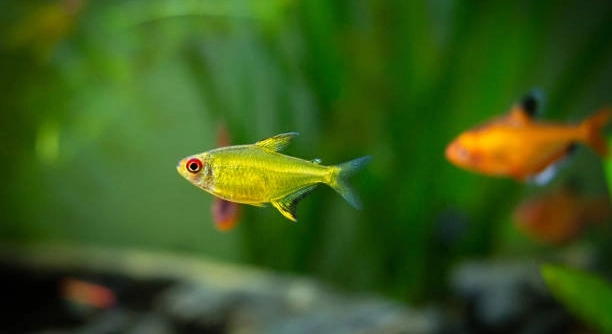
Is your Arowana constantly following shadows in its tank, gliding along with sudden movements and changes in light? Many owners notice this behavior and wonder what it might mean for their aquatic companion’s daily life and habits.
Arowanas follow shadows due to their strong predatory instincts and heightened visual sensitivity. The movement of light or objects across the tank mimics prey activity, triggering natural tracking behavior that is normal and indicates alertness rather than distress.
Observing this behavior can help you better understand your Arowana’s needs and environment, ensuring its activity remains healthy and engaging within the tank.
Understanding Shadow-Following Behavior
Arowanas are naturally alert fish, and their eyes are highly sensitive to movement. When shadows cross their tank, it often mimics prey passing by, which triggers their instinct to follow. This behavior is more pronounced in younger Arowanas who are still learning to navigate their environment. Shadows can come from your hand, decorations, or changes in light from windows. Some Arowanas may follow shadows persistently, while others are more relaxed. Tank size and lighting also play a role; brighter lights or a smaller tank can make shadows more noticeable. Regular observation can help you determine if your Arowana’s response is normal or if stress factors are influencing it. Feeding routines, tank cleanliness, and tank companions can affect attention span, making them more or less likely to react to shadows. Understanding these patterns helps in creating a comfortable habitat for the fish.
This behavior is normal and generally harmless. It indicates alertness and natural hunting instincts rather than anxiety or illness.
Keeping track of when and how your Arowana follows shadows can provide insight into its health and environment. Adjusting light sources and minimizing sudden movements around the tank can reduce unnecessary stress. Observing these patterns also helps you engage with your fish in a way that encourages natural behaviors without causing agitation. Over time, you may notice preferences for certain times of day or locations in the tank where they are more responsive. Providing hiding spots or varied decorations can help balance stimulation and relaxation. Feeding at consistent times and maintaining a clean environment further supports a calm, alert fish.
Environmental Factors That Influence Shadow-Following
Shadows are often more noticeable in tanks with bright or direct lighting.
Lighting, tank size, and decorations significantly affect how Arowanas perceive shadows. Bright lights create sharper contrasts, making every movement or passing shadow more noticeable. Smaller tanks intensify movement, causing the fish to react more often. Even plants or ornaments can cast shadows that the fish follows, while reflective surfaces outside the tank may trigger similar behavior. Frequent disturbances, such as people moving near the tank, also contribute to heightened shadow tracking. Seasonal changes in sunlight through windows or shifting room lights can increase the frequency of these behaviors. Understanding these environmental factors is essential to providing a stable and comfortable habitat. Adjusting lighting intensity, placing the tank away from constant traffic, and arranging décor strategically can minimize unnecessary stress. Regularly monitoring the tank ensures that shadows do not cause constant agitation, helping the fish maintain a natural and relaxed routine. Creating a balanced environment allows the Arowana to express natural hunting behaviors without excessive fatigue or anxiety, supporting overall health and longevity.
Feeding and Shadow-Following
Arowanas often associate movement with potential food. Shadows can resemble prey, prompting them to follow patterns in anticipation of feeding times. Observing this behavior can help you fine-tune feeding schedules and tank management to reduce unnecessary stress while supporting natural instincts.
Regular feeding routines help the fish distinguish between real prey and harmless shadows. When meals are predictable, the Arowana may react less aggressively to passing shadows and more calmly explore the tank. Overfeeding or irregular schedules can heighten responsiveness, causing constant tracking of movements. Adjusting portion sizes and timing ensures the fish maintains energy without developing stress-related behaviors, keeping both physical health and environmental interaction balanced.
Including natural behaviors in feeding can enhance overall well-being. You can use floating or moving food items to satisfy hunting instincts. Offering live or frozen prey stimulates attention and provides exercise, while ensuring dietary needs are met. Observing responses to different feeding styles can guide modifications, improving engagement and reducing fixation on shadows. This balance promotes a healthier, calmer fish while allowing natural behaviors to continue without overreaction.
Tank Placement and Lighting
Improper lighting or placement near windows can increase shadow activity and make the fish more reactive. Adjusting these elements can help reduce unnecessary movement.
Arowanas are highly visual and sensitive to light contrasts. Tanks near direct sunlight or strong artificial lights can create sharp shadows that trigger following behaviors. Rearranging lights or repositioning the tank to avoid constant shadow formation reduces stress. Even small changes, such as adding a background or adjusting the angle of room lights, can make a noticeable difference. Consistent lighting patterns help the fish establish routines and respond appropriately to natural movement rather than reacting continuously to shadows.
Monitoring environmental factors alongside tank design is key to managing shadow-following. Using diffused lighting and avoiding reflective surfaces can minimize sudden contrasts. Creating a more uniform environment allows the Arowana to focus on normal activity rather than reacting to every passing shadow. Proper tank decorations, including plants or opaque structures, break up reflections and help the fish feel secure. Gradually implementing these changes ensures minimal disruption while promoting natural, calm behavior. Over time, this results in a healthier, more balanced environment that supports both activity and rest.
Tank Companions and Shadows
Other fish or tank inhabitants can cause additional movement that the Arowana may interpret as shadows. This can increase following behavior, especially if the tank is small or crowded. Proper selection of companions helps reduce stress and constant shadow-tracking.
Peaceful, slow-moving companions reduce excessive shadow-like movements. Aggressive or fast fish can trigger heightened alertness, causing the Arowana to follow shadows more frequently. Choosing compatible species ensures a calmer environment.
Health Considerations
Excessive shadow-following may sometimes indicate stress or vision issues. Monitoring behavior alongside appetite and activity levels helps identify potential health concerns early.
Seasonal Changes and Light
Shifts in sunlight or artificial lighting patterns can affect shadow visibility. Seasonal adjustments may temporarily increase following behavior until the fish adapts to the new light conditions.
FAQ
Why does my Arowana follow shadows all the time?
Arowanas have strong predatory instincts and highly sensitive vision. Constant shadow-following usually reflects natural tracking behavior rather than illness. Factors such as tank lighting, reflections, and movement from your hand or nearby objects can trigger repeated responses. Maintaining consistent light patterns and minimizing sudden movements reduces unnecessary stress.
Is shadow-following harmful to my Arowana?
In most cases, following shadows is harmless. It shows alertness and engagement with the environment. However, excessive or frantic tracking may indicate stress or environmental discomfort. Checking water quality, tank size, and companion species helps ensure the behavior remains normal and does not impact health.
Can tank placement reduce shadow-following behavior?
Yes. Positioning the tank away from windows, direct sunlight, or highly trafficked areas limits sudden light changes and shadows. Using diffuse lighting and backgrounds minimizes visual contrasts, helping the fish remain calm while still engaging in natural behaviors.
Does feeding affect shadow-following?
Arowanas often associate movement with prey. Regular, consistent feeding schedules reduce unnecessary shadow-following triggered by anticipation of food. Offering moving or floating food occasionally satisfies hunting instincts without creating stress from constant shadow-tracking. Overfeeding can worsen hyperactivity, so proper portions are important.
Do tank companions influence this behavior?
Yes. Fast or aggressive tank mates can trigger heightened attention and cause the Arowana to follow shadows more frequently. Peaceful, slow-moving companions reduce environmental stress, allowing the fish to interact naturally without constant overreaction.
Could vision problems make my Arowana follow shadows more?
Vision issues may cause unusual reactions, but typical shadow-following is usually not related to health problems. If you notice sudden changes in behavior, clouded eyes, or reduced responsiveness to food, a health check may be necessary. Regular monitoring ensures early detection of potential issues.
How does tank size impact shadow-following?
Smaller tanks amplify movement, making shadows more noticeable. Larger tanks allow more space for the fish to move without being constantly stimulated. Adjusting decorations and providing open swimming areas can help moderate following behavior.
Are seasonal changes a factor?
Yes. Changes in sunlight, temperature, or lighting schedules can increase shadow visibility temporarily. The fish usually adapts, but monitoring behavior and adjusting tank lighting during seasonal shifts keeps the environment stable and minimizes stress.
Can I train my Arowana to ignore shadows?
You cannot completely eliminate instinctive tracking, but gradual desensitization helps. Limiting unnecessary movements around the tank and maintaining consistent lighting conditions reduces overreaction. Incorporating enrichment, such as floating food or structured decor, redirects focus without interfering with natural behavior.
When should I be concerned about shadow-following?
If shadow-following is accompanied by lethargy, loss of appetite, unusual swimming, or signs of stress, it may indicate an underlying issue. Water quality, diet, tank size, or health problems should be evaluated promptly to maintain the fish’s well-being.
Does lighting type matter for this behavior?
Yes. Harsh or direct lighting creates sharp shadows that encourage tracking. Soft, diffused lighting reduces contrast, calming the fish while still allowing it to display natural predatory behavior. Adjustable lights provide flexibility for day and night cycles, supporting both comfort and health.
How do decorations affect shadow-following?
Tank decorations create additional movement and shadows. Strategically placed plants or ornaments break up contrasts and give hiding spots, balancing stimulation with comfort. Overcrowded tanks increase shadow frequency and stress, so maintaining a simple, well-planned setup supports calmer behavior.
Will reducing shadows make my Arowana less active?
No. Activity levels are driven by natural instincts, feeding, and environment. Reducing unnecessary shadows simply prevents stress-induced hyperactivity while allowing the fish to engage in normal exploration, hunting behaviors, and swimming freely throughout the tank.
Are all Arowanas equally reactive to shadows?
No. Individual temperament, age, and prior experiences affect response. Younger fish or more active species tend to follow shadows more, while older or calmer fish may show minimal interest. Understanding your fish’s personality helps tailor tank setup and lighting for optimal comfort.
Does water quality influence this behavior?
Yes. Poor water conditions can increase stress, making the fish more reactive to visual stimuli. Maintaining proper temperature, pH, and cleanliness ensures the Arowana remains alert but not overly anxious, reducing excessive shadow-following while supporting overall health.
How can I balance natural behavior and tank management?
Allowing shadows to occur naturally supports instincts, but minimizing abrupt light changes, maintaining routine feeding, and providing structured tank decor creates a balanced environment. Observing responses over time allows adjustments that promote health, calmness, and natural engagement without overreaction.
Is this behavior linked to breeding or aggression?
Shadow-following is primarily instinctive and not directly linked to breeding or aggression. However, during breeding periods or territorial disputes, the fish may show heightened tracking or alertness. Monitoring interactions with tank mates and maintaining a stable environment helps prevent stress-related reactions.
How long does it take for Arowanas to adapt to reduced shadows?
Adaptation varies depending on age, temperament, and environmental consistency. Some fish adjust within days, while others take weeks. Consistent lighting, minimal disturbances, and structured enrichment accelerate adaptation, creating a calmer, predictable tank environment.
Can I use this behavior to engage my fish?
Yes. Moving food, creating gentle currents, or adding safe visual stimuli can encourage natural hunting instincts. This provides exercise and mental stimulation while preventing stress from random shadow tracking. Observing responses allows tailored interaction without causing agitation.
Is shadow-following more common in certain species of Arowanas?
Yes. Asian and silver Arowanas are particularly visual and active hunters, often more responsive to shadows. Understanding species-specific traits helps anticipate behavior and adjust tank management for comfort and stimulation.
Are there signs that the behavior is abnormal?
Signs include frantic or obsessive tracking, loss of appetite, unusual swimming patterns, or visible stress markers. These warrant a review of tank conditions, lighting, diet, and potential health concerns to prevent long-term issues.
Does tank cover or lid influence shadow-following?
Yes. Open-top tanks allow more external light and moving shadows, increasing tracking. A well-fitted lid reduces sudden movements, stabilizes lighting, and keeps the environment secure, supporting calmer behavior while maintaining natural instincts.
How do I know if my Arowana is happy with its environment?
A calm, alert fish with regular feeding, exploration, and occasional shadow-following indicates a healthy, comfortable environment. Monitoring behavior and making small adjustments ensures the fish remains active without experiencing stress or overreaction.
Can this behavior indicate intelligence or curiosity?
Yes. Shadow-following reflects natural alertness and hunting instincts, showing the fish’s ability to process visual cues and respond accordingly. It is part of normal cognitive engagement and interaction with its environment.
What are practical steps to reduce unnecessary shadow-following?
Adjust lighting to diffuse sources, position the tank away from high-traffic areas, maintain consistent feeding schedules, and use calm, compatible tank mates. Structured decorations and minimal sudden movements help the fish distinguish normal activity from stress-inducing stimuli.
Does water movement affect shadow-following?
Yes. Currents from filters or air pumps create moving shadows and reflections. Adjusting flow strength or direction reduces excessive visual stimuli, preventing overreaction while still supporting exercise and oxygenation in the tank.
Can seasonal room lighting impact this behavior?
Yes. Longer sunlight exposure or sudden changes during seasons can increase shadows. Monitoring and adjusting artificial lighting to maintain consistent levels prevents unnecessary agitation and helps the fish maintain regular activity patterns.
Are younger Arowanas more likely to follow shadows than older ones?
Yes. Juvenile Arowanas are more exploratory and reactive to visual cues. They rely on tracking movements for learning and development. Older fish may display calmer behavior, but instinctive tracking can persist, particularly when environmental changes occur.
How often should I observe and adjust the tank environment?
Regular weekly checks of lighting, decorations, water quality, and tank placement help maintain a stable environment. Observing behavior daily allows you to detect excessive shadow-following and make timely adjustments, supporting long-term health and comfort.
Can enrichment reduce shadow-following?
Yes. Floating food, structured hiding spots, and varied decorations redirect attention, providing mental stimulation. This reduces obsessive tracking of shadows while encouraging natural exploration and healthy activity.
Is it normal for an Arowana to follow shadows at night?
Nighttime activity is typically lower, but dim lighting or reflections may still trigger tracking. Ensuring proper night-time darkness allows rest while occasional following is part of normal alertness rather than stress.
Do reflections from outside the tank affect shadow-following?
Yes. Mirrors, shiny surfaces, or moving objects outside the tank can create illusions of movement. Reducing reflective distractions helps the Arowana focus on its environment without unnecessary stress or overreaction.
How do I distinguish playful tracking from stress-induced shadow-following?
Playful tracking is calm and controlled, while stress-induced behavior is frantic, repetitive, or obsessive. Monitoring appetite, swimming patterns, and interaction with the environment helps distinguish normal instincts from signs of discomfort.
Can shadow-following indicate hunger?
Yes. Shadows resembling prey may trigger hunting behavior when the fish is hungry. Maintaining consistent feeding routines reduces unnecessary tracking motivated by food anticipation.
Are there long-term effects of excessive shadow-following?
If associated with stress, excessive following may lead to fatigue or agitation. Ensuring proper tank conditions, compatible companions, and consistent routines prevents potential long-term impact on health and well-being.
Does the size or color of objects casting shadows matter?
Yes. Larger or rapidly moving objects attract more attention. Contrasting colors and sharp edges are more likely to trigger tracking, while subtle, consistent shapes reduce unnecessary stimulation.
Can shadow-following indicate aggression toward tank mates?
Occasionally. Tracking shadows caused by other fish may overlap with territorial behavior. Observing interactions helps determine if it is predatory instinct or mild territorial aggression. Adjusting space and tank layout often resolves conflicts.
Does the tank background influence shadow-following?
Yes. Light-colored or reflective backgrounds enhance shadows, while dark or opaque backgrounds minimize contrast. Selecting appropriate backgrounds helps regulate visual stimuli and reduces excessive tracking behavior.
Is shadow-following more noticeable during certain times of the day?
Yes. Morning or late afternoon sunlight, combined with room lighting, can increase shadow contrasts. Observing peak activity times allows adjustments to lighting or tank placement to maintain a calm environment.
Can I use shadow-following to monitor Arowana health?
Yes. Changes in tracking intensity, frequency, or patterns may signal stress, illness, or environmental discomfort. Regular observation alongside other health indicators provides early warning signs to address potential issues promptly.
Does water clarity impact shadow-following?
Yes. Clear water makes shadows sharper and more noticeable, while slightly diffused or filtered water reduces sharp contrasts. Maintaining clarity without creating excessive reflections helps balance natural instincts with calm behavior.
Are all shadows treated equally by Arowanas?
No. The fish reacts more to moving, contrasting, or sudden shadows. Static or slow-moving shadows may go unnoticed. Understanding these preferences helps manage lighting and tank activity for optimal comfort and engagement.
Can the type of substrate affect shadow-following?
Yes. Light-colored or reflective substrates create more contrast, while darker, matte substrates reduce sharp shadows. Choosing the right substrate minimizes unnecessary visual stimuli while maintaining a natural environment for the fish.
How can I track progress in reducing excessive shadow-following?
Documenting daily behavior, noting triggers, and adjusting lighting, placement, or companions provides measurable insight. Over time, calmer, predictable patterns indicate success in managing environmental stimuli without interfering with natural instincts.
Does tank size influence energy levels related to shadow-following?
Yes. Larger tanks allow free movement, reducing repeated following caused by confined space. Smaller tanks amplify stimuli, causing more frequent tracking. Adequate space balances activity levels and reduces stress from constant visual stimulation.
Can tank cleaning routines trigger shadow-following?
Yes. Sudden movements or light changes during maintenance can provoke tracking. Performing cleaning with slow, consistent movements minimizes visual disturbances and prevents stress-related behaviors while maintaining hygiene.
Is shadow-following affected by temperature fluctuations?
Yes. Sudden changes in water temperature can increase activity or stress, making the fish more reactive to shadows. Stable, appropriate temperatures support normal behavior and reduce unnecessary agitation.
Do Arowanas prefer certain areas of the tank for shadow-following?
Yes. Fish often track shadows near open swimming areas or along tank edges. Providing varied zones, including open and sheltered spaces, allows natural exploration without overstimulation.
Can shadow-following indicate boredom?
Occasionally. If the fish has little environmental enrichment, it may track shadows more frequently for stimulation. Providing varied décor, hiding spots, and occasional interactive feeding supports mental engagement and reduces repetitive behavior.
Does water current direction affect tracking patterns?
Yes. Currents create moving shadows and reflections, influencing where and how the fish follows them. Adjusting pump or filter placement reduces unnecessary stimulation while maintaining proper oxygenation and water movement.
How can I combine feeding, lighting, and enrichment to manage behavior?
Consistent feeding schedules, diffused lighting, and thoughtfully placed enrichment balance natural instincts with calmness. Observing the fish’s reactions allows adjustments to maintain engagement without stress, supporting both health and mental stimulation.
Are there seasonal behavior patterns related to shadow-following?
Yes. Changes in sunlight exposure, room lighting, or temperature can temporarily increase tracking. Gradual adjustments and consistent artificial lighting help maintain predictable behavior throughout the year.
Can shadow-following indicate social behavior?
Sometimes. Fish may track companions’ movements as part of natural interaction or territory monitoring. Observing how it relates to other inhabitants helps distinguish instinctive tracking from social or territorial responses.
Is occasional ignoring of shadows normal?
Yes. A balanced environment with minimal disturbances and appropriate lighting allows the fish to focus on exploration or feeding rather than constant tracking, demonstrating healthy adjustment to its surroundings.
Can shadows from equipment like heaters or filters affect behavior?
Yes. Moving shadows from heaters, filters, or bubble streams attract attention. Positioning equipment to minimize constant motion or light contrast reduces unnecessary following without interfering with tank function.
How long should I observe before making environmental changes?
A few weeks of consistent observation gives reliable insight into patterns. Recording triggers, intensity, and frequency helps determine effective adjustments without unnecessary interference with natural instincts.
Can multiple factors combine to increase shadow-following?
Yes. Lighting, tank size, companions, water quality, and room activity collectively influence behavior. Addressing each factor strategically ensures a balanced environment that promotes natural, calm behavior while reducing stress.
Is shadow-following less common in mature Arowanas?
Generally, yes. Older fish are calmer and less reactive to minor movements. However, instinctive tracking persists, especially with sudden shadows or environmental changes, requiring consistent management of lighting and surroundings.
Can shadows indicate readiness to feed?
Yes. Increased attention to movement often correlates with hunger or anticipation of feeding. Maintaining regular schedules and observing responses prevents stress from constant, food-driven shadow-following.
Does tank orientation impact shadow-following?
Yes. Placing the tank away from windows, bright light, or reflective surfaces minimizes sharp shadows. Adjusting orientation helps maintain consistent visual conditions and reduces overstimulation.
Are there behavioral signs that complement shadow-following?
Yes. Alert swimming, fin flaring, or following other fish often accompanies shadow-tracking. Monitoring these patterns alongside appetite and activity helps distinguish normal instincts from stress or health concerns.
Can I use shadow-following to monitor mental stimulation?
Yes. Balanced tracking behavior indicates engagement and alertness. Excessive or absent responses may signal boredom, stress, or environmental discomfort, allowing adjustments to enrichment, lighting, or feeding routines.
Does water clarity impact shadow-following intensity?
Yes. Clear water makes shadows more distinct, increasing tracking, while slightly diffused water softens contrasts. Maintaining clarity without sharp reflections supports calm, natural behavior while preserving a healthy environment.
Can shadow-following be used as a training tool?
Indirectly. Gentle, predictable stimuli like moving food or enrichment items guide attention and exercise, encouraging natural behaviors while minimizing stress. Observation helps tailor interaction to the fish’s responsiveness.
Are shadow-following patterns consistent across days?
Patterns may vary based on light, feeding, companions, and daily activity. Regular observation identifies normal fluctuations and ensures responses remain within healthy limits.
How does tank depth influence tracking behavior?
Shadows are more noticeable in shallower tanks with strong light contrasts. Deeper tanks diffuse shadows, reducing excessive tracking while allowing natural exploration and activity throughout vertical space.
Can reflections from outside objects exacerbate shadow-following?
Yes. Moving objects or sunlight reflecting on walls or furniture can create visual stimuli interpreted as prey. Reducing reflective distractions minimizes unnecessary tracking and stress.
Is shadow-following affected by human activity near the tank?
Yes. Frequent movements near the tank increase shadow-like cues. Positioning the tank in a quieter area or using consistent human routines reduces unnecessary responses.
Does the size of the tank window or glass thickness matter?
Thinner or larger glass can create more pronounced shadows or reflections. Choosing appropriate glass and backgrounds helps control visual contrasts, supporting calm behavior while maintaining visibility.
Can shadow-following indicate environmental satisfaction?
Yes. Calm, alert tracking shows the fish is comfortable and engaged. Excessive, frantic behavior may suggest the need for environmental adjustments to reduce stress and maintain natural activity.
Does shadow-following correlate with activity levels?
Yes. Moderate tracking indicates alertness, while excessive following may signal stress or over-stimulation. Balancing lighting, space, and enrichment helps maintain healthy activity levels.
Can I document shadow-following to improve tank management?
Yes. Logging behavior, triggers, and responses helps identify patterns, optimize lighting, feeding, and placement, and ensures the fish remains engaged without unnecessary stress.
Do all lighting types trigger the same level of response?
No. Harsh, direct lights create strong contrasts, increasing tracking, while soft, diffused lighting reduces shadow intensity. Adjustable lighting allows tailored conditions to balance instinctive behavior with comfort.
Can shadow-following decrease naturally over time?
Yes. As the fish adapts to its environment, predictable feeding, stable lighting, and minimal disturbances, excessive shadow-following tends to decrease while normal instinctive behavior continues.
Is it normal for shadow-following to peak at certain times?
Yes. Early morning, feeding periods, or times with changing light may increase responses. Observing peaks helps adjust tank conditions to maintain consistent behavior and reduce stress.
How can I distinguish curiosity-driven tracking from stress-driven tracking?
Curiosity-driven tracking is calm and intermittent, with regular swimming and feeding. Stress-driven tracking is frantic, repetitive, and may accompany loss of appetite or erratic movement. Observing patterns alongside health indicators ensures accurate assessment.
Does tank water color or tint affect shadow-following?
Yes. Tinted
Final Thoughts
Observing an Arowana following shadows is a natural part of its behavior and a reflection of its alert, predatory instincts. This behavior is often influenced by lighting, tank placement, and surrounding movement. Shadows mimic prey, which triggers the fish’s tracking instincts. Most of the time, following shadows is harmless and indicates that the fish is actively engaging with its environment. It is important to recognize that each Arowana is an individual, with its own temperament and responsiveness to visual stimuli. Some may react strongly to every passing shadow, while others show only occasional interest. Understanding these patterns helps in creating a comfortable and stable environment that supports both mental stimulation and physical activity.
Managing environmental factors is key to balancing shadow-following behavior. Proper tank lighting, placement away from direct sunlight or reflective surfaces, and thoughtful arrangement of decorations reduce unnecessary triggers. Feeding schedules also influence behavior, as predictable routines help the fish distinguish between actual food and harmless shadows. Additionally, choosing compatible tank companions prevents additional stress from fast or aggressive fish that may exacerbate tracking behavior. Maintaining clean water, stable temperature, and overall water quality contributes to a calm and healthy fish. By addressing these factors, the Arowana can display natural tracking behavior without becoming overly stressed or hyperactive. Over time, small adjustments in the tank setup and daily care routines can significantly reduce excessive shadow-following, allowing the fish to thrive in its habitat while still expressing its instinctive behaviors.
It is helpful to observe your Arowana regularly to understand what triggers its shadow-following and how it interacts with its environment. Some degree of shadow-tracking is normal and even beneficial, as it keeps the fish mentally engaged and physically active. Providing appropriate enrichment, such as floating or moving food and structured tank decorations, supports natural behavior while minimizing stress. Adjusting lighting and tank placement can help maintain consistent conditions, giving the fish a sense of security. Over time, these measures foster a balanced environment where the Arowana can express its instincts safely and comfortably. By paying attention to both behavior and environmental factors, owners can ensure their Arowana remains healthy, active, and responsive without unnecessary agitation from shadows, creating a more peaceful and enriching home for this visually aware and intelligent fish.

Hello,
If you enjoy the content that we create, please consider saying a "Thank You!" by leaving a tip.
Every little bit helps us continue crafting quality advice that supports the health, happiness, and well-being of pets around the world, for pets of all shapes, sizes, and species.
We really appreciate the kindness and support that you show us!