
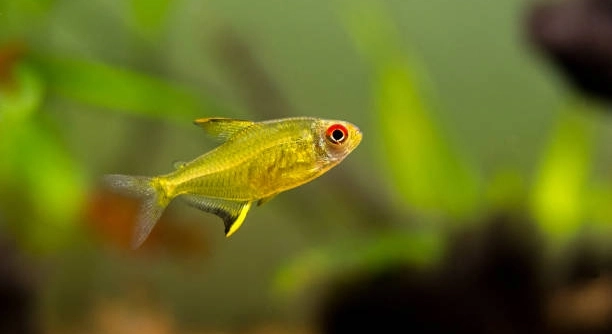
Do you ever notice your lemon tetras swimming closely together, almost as if they understand each other? Watching them interact can be calming and fascinating, revealing subtle behaviors that hint at growing bonds among your fish.
Lemon tetras demonstrate bonding through consistent close swimming, synchronized movements, gentle nipping without aggression, shared territory exploration, mutual following, coordinated feeding behavior, and responding calmly to each other’s presence in the aquarium. These behaviors indicate social cohesion and trust.
Observing these behaviors carefully can help you understand your tetras’ social dynamics and ensure they remain happy and well-adjusted in their tank.
Close Swimming Patterns
Lemon tetras often swim very close to one another when they are bonding. I noticed my tetras moving together almost like a small school, shifting directions at the same time. This behavior is subtle but consistent. When they swim side by side, it is a sign they feel safe and comfortable in each other’s presence. They may also pause together near decorations or plants, which shows trust. These small interactions can be very telling. Watching them during feeding times, they often stay in pairs or small groups, maintaining proximity without any signs of aggression. This closeness helps reduce stress in the tank, especially in new or larger aquariums. Over time, close swimming becomes a reliable indicator that they are forming social bonds and getting used to their environment. Observing these patterns daily can give a lot of insight into their social dynamics and overall health.
Consistent close swimming shows that lemon tetras are comfortable and forming social connections within the aquarium environment.
Seeing your tetras move in harmony is satisfying. It reassures that your tank setup is promoting calm and healthy interactions among them.
Synchronized Movements
Lemon tetras often move in unison when bonding. They mirror each other’s speed, direction, and turns, which is a clear sign of social cohesion.
Synchronized swimming occurs most noticeably during feeding or when exploring the tank together. It demonstrates mutual awareness and coordination. Watching them, it feels like they are aware of each other’s presence and act as a group rather than individually. This behavior strengthens their social bonds. Over time, pairs or small groups develop their own patterns, swimming together in loops or around plants, showing comfort and trust. Synchronization reduces conflicts and helps them navigate shared spaces efficiently. By paying attention to these movements, you can identify which fish are closest and monitor their group dynamics. The more they move together naturally, the stronger their bond appears, reflecting a stable and stress-free environment. Consistent observation can help ensure all tetras are integrating well and maintaining healthy relationships within the tank.
Gentle Nipping
Lemon tetras often gently nip at each other when bonding. This is not aggressive but a way to explore and interact. The nipping is light, brief, and usually followed by swimming together or side-by-side.
I noticed my tetras nibbling fins or tails gently without causing injury. This behavior is part of their social communication and helps them establish familiarity. It’s different from aggressive nips, which are sudden, forceful, and often followed by fleeing. Gentle nipping allows them to test boundaries and strengthen bonds. Over time, the same pairs tend to engage in this behavior, showing trust and comfort with each other. Observing these small interactions makes it easier to understand which tetras are connected and which are more independent.
Gentle nipping also signals that your tetras feel secure in the tank. They are comfortable enough to interact physically without fear or stress. Consistent observation of this behavior can indicate a healthy, socially balanced group of fish in your aquarium.
Shared Territory Exploration
Lemon tetras often explore the same areas together. They swim around plants, decorations, and open spaces in pairs or small groups. This shared activity reinforces familiarity and comfort within the tank.
When my tetras explore together, I notice they pause near the same spots, inspect hiding places, or circle plants side by side. This shared exploration strengthens bonds because it shows trust and cooperation. Each fish learns the others’ behavior patterns, creating a sense of security in the environment. Territorial overlap without aggression is a positive indicator of bonding. The more frequently they explore together, the more synchronized and socially connected they become.
Shared exploration also reduces stress in a larger aquarium. Observing them move through the same paths and interact calmly in shared spaces demonstrates trust, coordination, and confidence. Over weeks, these behaviors become predictable, showing which pairs or groups are most bonded, and can help monitor their ongoing social health in the tank.
Mutual Following
Lemon tetras often follow each other around the tank. This behavior is a clear sign of bonding, as fish tend to stick close to companions they trust and feel safe with.
Following occurs most often during feeding or moving between hiding spots. Consistent tailing shows awareness and attachment, helping maintain group cohesion and stability within the aquarium.
Coordinated Feeding
Lemon tetras feeding together often show impressive coordination. They approach food at the same time, pause, and take turns nibbling without aggressive competition. I observed my tetras splitting a small flake into pieces, each fish aware of the other’s movements. This synchronization indicates social harmony.
Coordinated feeding reduces stress and ensures all bonded fish get access to food. Over time, pairs or groups learn each other’s feeding pace and patterns. This behavior strengthens trust and promotes healthy interaction. Watching them eat together provides insight into the hierarchy and bonds forming within the tank, highlighting which tetras are most closely connected.
Calm Responses
Bonded lemon tetras react calmly to each other. They rarely startle or dart away when a companion moves nearby, showing comfort and mutual trust.
How can I tell if my lemon tetras are bonded?
Bonded lemon tetras often stay close together, swim in sync, and show gentle nipping without aggression. They explore shared spaces and follow each other around the tank. Feeding times are usually coordinated, and they respond calmly to each other’s presence. Observing these behaviors regularly can help identify which fish have formed strong bonds.
Is it normal for some tetras to be more independent?
Yes, not all lemon tetras bond equally. Some prefer to explore alone or interact less with the group. This doesn’t mean there’s a problem; personality differences are natural. Over time, independent fish may join group activities occasionally or develop bonds with specific tank mates.
Why do my tetras swim together only at certain times?
Tetras may swim together more closely during feeding or when exploring new areas. Environmental factors, such as tank size, decorations, and water conditions, influence their behavior. Even bonded fish may spread out sometimes for safety, rest, or to investigate independently.
Can aggressive behavior indicate bonding problems?
Mild aggression can occur as fish establish social order, but prolonged or severe aggression may indicate stress, overcrowding, or lack of hiding spaces. Bonded tetras usually resolve conflicts quickly, returning to close swimming and coordinated movements once dominance is established.
Do bonded tetras need special care?
No special care is required beyond standard tank maintenance, proper feeding, and water quality. Bonded fish benefit from a stable environment, hiding places, and enough space to swim freely. Monitoring interactions helps ensure all fish stay healthy and socially balanced.
How long does it take for tetras to bond?
Bonding can take weeks or even months depending on the fish’s personalities, tank size, and group dynamics. Consistent observation helps track progress. Early signs include following, synchronized swimming, and gentle interactions. Stronger bonds form as trust develops and the fish feel secure in their environment.
Can bonded tetras separate and bond with others?
Yes, bonds can change over time. Introducing new fish or rearranging the tank can shift social groups. Some tetras form new bonds while maintaining old ones, while others may focus on different companions. Observing behavior after changes ensures social harmony remains intact.
Does tank size affect bonding?
Tank size plays a role in how comfortably tetras can interact. Smaller tanks may increase stress and aggression, while larger tanks allow more freedom for exploration and social interaction. Properly sized tanks with hiding spaces support healthy bonding and reduce conflicts.
Are bonded tetras less stressed?
Bonded tetras tend to be calmer and more confident, showing less darting and hiding. Social cohesion creates a sense of safety, reducing stress levels. Fish that are not bonded or isolated may display erratic swimming, frequent hiding, or refusal to eat.
How can I encourage bonding among my tetras?
Provide a stable environment with adequate space, plants, and hiding spots. Maintain consistent feeding schedules and avoid overcrowding. Observing natural behaviors, allowing gradual introductions for new fish, and minimizing sudden changes in the tank encourages social cohesion and strengthens bonds.
What signs show that bonding is weakening?
Signs of weakening bonds include increased aggression, avoidance, or failure to swim together. Previously bonded fish may spend more time alone or show less coordinated feeding. Identifying these changes early helps prevent stress and maintain a balanced aquarium environment.
Can bonding affect breeding behavior?
Yes, bonded lemon tetras are more likely to breed successfully. Strong social connections reduce stress, improve feeding efficiency, and create a stable environment. Pairs or small bonded groups show coordinated movements during courtship and often share spaces when preparing for spawning.
Is it normal for bonds to shift with age?
As tetras grow, personalities can change, affecting bonding patterns. Older fish may become more selective with companions, while younger fish form bonds quickly. Regular observation ensures all fish remain comfortable and socially integrated throughout their lifespan.
Do environmental changes disrupt bonds?
Sudden changes in water parameters, tank layout, or lighting can temporarily affect social behavior. Bonded tetras may spread out or act cautiously until they readjust. Maintaining stable conditions supports consistent interactions and helps bonds remain strong.
How do I monitor bonding without stressing the fish?
Watch from a distance during feeding or routine maintenance. Look for swimming patterns, gentle nipping, following, and calm responses. Avoid tapping the glass or chasing fish, as stress can alter behavior and make bonding less visible.
Can diet influence bonding?
Balanced feeding reduces competition and stress, supporting social interactions. Feeding small amounts simultaneously encourages coordinated behavior. Overfeeding or inconsistent schedules may increase aggression or separation, affecting bonding patterns. Consistent, nutritious feeding helps maintain trust among tetras.
Are all bonding behaviors visible at all times?
Not always. Bonding behaviors may appear more during feeding, exploration, or when the tank environment changes slightly. Fish may rest separately at times, which doesn’t mean bonds are broken. Observing patterns over days or weeks gives a clearer picture.
How many tetras should be in a bonded group?
Lemon tetras do well in small groups of four to six for close interactions. Larger groups may form multiple small bonds, while very small numbers may limit social opportunities. Observing how fish pair and interact helps determine ideal group sizes for bonding.
Can bonded tetras help calm new tankmates?
Yes, bonded tetras can provide a sense of security for new fish. They may swim calmly near newcomers, demonstrating safe behavior. Gradually, new fish can integrate into existing bonds, reducing stress for both the new and established tetras.
Does lighting or tank decoration affect bonding?
Yes, plants, hiding spots, and moderate lighting create a comfortable environment that encourages safe interactions. Proper decoration allows fish to explore together without feeling exposed, supporting natural behaviors and reinforcing social bonds over time.
What is the best way to introduce new tetras to bonded groups?
Introduce new fish gradually using a divider or quarantine tank. Allow visual contact first, then small, supervised interactions. This method helps existing bonds remain intact while giving newcomers a chance to form connections at their own pace.
Observing lemon tetras as they interact in an aquarium can be quietly rewarding. Over time, patterns emerge that clearly show which fish are bonded and which are more independent. Close swimming, synchronized movements, gentle nipping, and shared exploration all serve as signs that your tetras are developing social connections. These behaviors are subtle, yet consistent, and they tell a lot about how your fish relate to one another. I noticed that when tetras bond, they often move calmly and predictably around the tank, showing trust in their companions. This trust reduces stress and creates a more harmonious environment, making it easier to maintain the tank and ensure all fish remain healthy. Watching these small interactions also gives insight into group dynamics, helping identify which fish are most comfortable together and which may need more time to adjust. It’s remarkable how much personality and social behavior can be observed simply by taking the time to watch them closely.
Bonding among lemon tetras is influenced by several factors, including tank size, decoration, and the stability of their environment. Providing plants, hiding spots, and open swimming space allows fish to explore and interact safely. Overcrowding or sudden changes in water conditions can increase stress and interfere with bonding, so it’s important to maintain a stable tank environment. Feeding practices also play a role; consistent feeding schedules and small amounts of food help prevent competition and aggression, which can disrupt social cohesion. Observing tetras during feeding time is particularly revealing, as bonded fish often approach food together, share space, and take turns without conflict. This behavior shows both coordination and trust. Over weeks and months, these small, repeated interactions create stronger bonds, allowing the fish to feel secure and confident in their environment. Each tetra has its own personality, and bonding patterns will vary, but careful observation helps understand and support these relationships.
Finally, understanding the signs of bonding can make keeping lemon tetras more enjoyable and manageable. Knowing which fish are bonded allows for better planning of tank additions, rearrangements, or general maintenance. Bonded fish are less stressed, more predictable, and often healthier because they experience fewer conflicts. Even subtle signs, like following each other or calmly responding to nearby movement, are important indicators of social health. While some tetras may remain more independent, the bonds formed among others help maintain balance and harmony in the tank. Taking the time to notice these behaviors not only improves care but also deepens appreciation for the nuances of their social interactions. Each bonded pair or group contributes to a more stable and peaceful aquarium, and recognizing these patterns ensures the tank remains a safe and comfortable environment for all your fish.

Hello,
If you enjoy the content that we create, please consider saying a "Thank You!" by leaving a tip.
Every little bit helps us continue crafting quality advice that supports the health, happiness, and well-being of pets around the world, for pets of all shapes, sizes, and species.
We really appreciate the kindness and support that you show us!