
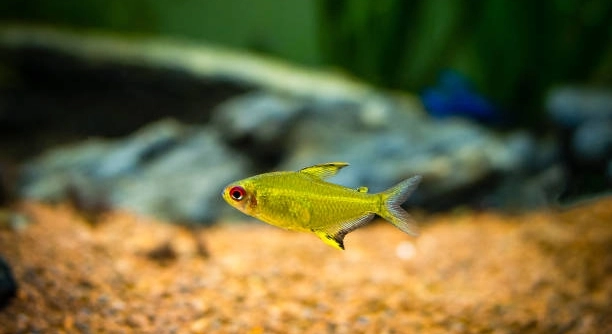
Arowanas are beautiful and majestic fish, but even experienced owners can miss subtle signs of stress. Mild stress may not be obvious at first, yet it can slowly affect your fish’s health and behavior over time.
Mild but persistent stress in arowanas often presents through changes in appetite, swimming patterns, color, or activity levels. Identifying these early signs allows owners to intervene promptly, ensuring the fish maintains optimal health and preventing more serious stress-related issues from developing.
Recognizing these subtle behaviors can help you provide a healthier environment for your arowana, supporting its well-being and overall vitality in your care.
Changes in Appetite
Arowanas that are mildly stressed often eat less than usual or show irregular feeding habits. You might notice them turning away from their favorite food or leaving portions uneaten. In some cases, they may nibble but not consume their usual quantity. Stress can affect their digestion, making them hesitant to eat. Over time, this reduced intake can impact their growth, coloration, and overall health. Observing your fish during feeding times can give you early clues about their well-being. Maintaining a consistent feeding schedule and providing a varied diet helps reduce stress and encourages normal eating behavior. If appetite changes persist, reviewing water quality and tank conditions is essential, as these factors directly influence arowanas’ comfort and willingness to feed. Even subtle shifts in appetite should not be ignored, as early intervention can prevent more severe stress and keep your fish healthy over the long term.
Stress-related appetite changes often indicate environmental or health issues requiring attention.
Monitoring feeding patterns closely and adjusting the diet or environment can restore normal appetite and prevent further complications in stressed arowanas.
Restless or Erratic Swimming
Restless swimming is a clear sign that an arowana is experiencing mild stress. You may see them pacing back and forth along the tank walls, darting suddenly, or hovering in unusual positions. They may also stay near the surface or the bottom more than usual, avoiding the middle of the tank where they normally swim freely. This behavior often reflects discomfort with water parameters, tank layout, or the presence of sudden disturbances. Over time, constant restless swimming can tire the fish and reduce their immune response, making them more susceptible to disease. Adjusting tank conditions, such as temperature, pH, or filtration, and minimizing abrupt environmental changes can help the fish feel more secure. Providing sufficient space and hiding spots allows the arowana to swim naturally without feeling exposed, which can gradually reduce erratic movements and restore a calmer, more stable routine in the aquarium.
Observing swimming patterns gives insight into arowana stress levels.
Erratic swimming usually points to environmental stressors or health concerns, and prompt adjustments in tank setup and care routines can help alleviate these behaviors, improving the fish’s comfort, activity balance, and overall long-term well-being.
Faded Coloration
Faded or dull coloration is a subtle sign of mild stress in arowanas. Healthy fish usually display vibrant colors, but stress can cause their scales to lose brightness, appearing washed out or pale.
Stress, poor water quality, or insufficient lighting can lead to color fading in arowanas. When a fish’s environment is not ideal, it may not produce the pigments that give it natural vibrancy. Factors such as fluctuating temperature, low oxygen levels, or high nitrate concentrations can contribute to this change. Arowanas under stress may also display uneven coloration, with some areas looking paler than others. Adjusting lighting, maintaining stable water parameters, and providing a balanced diet rich in carotenoids and nutrients can gradually restore their natural hues. Keeping the tank environment consistent helps prevent recurring color loss.
Long-term faded coloration can indicate persistent stress or underlying health problems. Monitoring water quality, feeding habits, and tank conditions is essential to ensure the arowana’s colors remain healthy and vibrant over time. Consistency in care reduces stress and supports natural pigment expression.
Hiding or Reduced Interaction
Arowanas under mild stress may hide more than usual or avoid interaction with other tank mates. They may retreat to corners, decorations, or plants instead of swimming openly.
Avoidance behavior is often linked to discomfort in the tank environment. Stressors such as loud noises, sudden movements near the aquarium, or aggressive tank mates can make arowanas feel threatened. Reduced interaction may also signal illness or low energy due to poor nutrition or water conditions. Hiding excessively can prevent the fish from feeding properly and disrupt normal activity patterns. Providing ample hiding spots, reducing sudden disturbances, and maintaining a calm environment helps the arowana regain confidence. Observing these behaviors early allows for adjustments that improve comfort and reduce stress levels.
Persistent hiding or withdrawal affects overall well-being. Addressing environmental triggers, ensuring adequate space, and monitoring tank dynamics supports the arowana’s sense of security, gradually encouraging normal interaction and activity. By maintaining consistent conditions, these fish can regain their natural curiosity and presence in the aquarium.
Clamped Fins
Clamped fins are a common sign of mild stress in arowanas. The fins may stay close to the body instead of spreading naturally, indicating discomfort or irritation.
This behavior often results from poor water conditions, sudden temperature changes, or the presence of aggressive tank mates. Observing clamped fins consistently signals a need to review tank parameters and adjust the environment to support the fish’s comfort and health.
Surface Gulping
Arowanas may frequently gulp air at the surface when stressed. This behavior can indicate low oxygen levels in the tank or mild respiratory discomfort.
Consistently seeing your arowana surface for air suggests that water quality needs attention. Low dissolved oxygen or poor circulation forces the fish to compensate by taking in air more often. Checking aeration, filtration, and water movement can help reduce this behavior. Ensuring stable temperature and avoiding overcrowding also supports proper oxygen levels, keeping the fish calmer and healthier. Properly maintained water conditions allow the arowana to swim and breathe naturally without stress-related gasping.
Sudden Aggression
Mild stress can trigger unexpected aggressive behavior in arowanas. They may chase or nip at other tank mates without clear cause, disrupting harmony in the aquarium.
Resting at the Bottom
Arowanas resting at the bottom more than usual may be showing mild stress. This change in behavior often reflects discomfort, low energy, or adaptation to environmental stressors in the tank.
FAQ
What causes mild stress in arowanas?
Mild stress in arowanas usually comes from environmental changes or poor tank conditions. Common triggers include fluctuating water temperature, improper pH, overcrowding, insufficient hiding spots, or sudden loud noises. Even small, consistent changes can gradually affect their behavior and health over time.
How can I tell if my arowana is stressed?
Signs of stress often appear subtly. Watch for changes in appetite, color fading, clamped fins, erratic swimming, hiding, or frequent surface gulping. Persistent aggression or resting at the bottom more than usual can also indicate discomfort. Observing your fish daily helps detect stress early.
Does water quality affect arowana stress?
Yes, water quality is critical. High nitrate or ammonia levels, low oxygen, or inconsistent temperature can create stress. Maintaining clean, well-filtered water, regular testing, and partial water changes prevent these problems and support arowana health.
Can diet impact stress levels?
Absolutely. Arowanas need a balanced diet to maintain energy and immune health. Poor nutrition can weaken them, making them more sensitive to stress. Providing varied food with proteins, vitamins, and carotenoids helps them stay vibrant and active.
How often should I monitor tank conditions?
Daily observation is ideal. Check water temperature, clarity, and behavior, while testing chemical levels weekly. Small issues can escalate quickly, so early detection allows quick corrections before stress worsens.
Is aggressive behavior always a sign of stress?
Not always, but sudden or unusual aggression often points to mild stress. Territorial disputes, changes in environment, or overcrowding can trigger this behavior. Adjusting tank layout or providing more space usually calms the fish.
What role does tank size play?
Arowanas need plenty of swimming space. Small or cramped tanks increase stress by limiting movement and encouraging territorial behavior. A larger tank with sufficient depth and length allows them to swim naturally and reduces frustration.
Can lighting affect arowana stress?
Yes, too bright or inconsistent lighting can stress arowanas. Dim or adjustable lighting that mimics natural conditions helps them feel secure. Providing shaded areas or decorations also gives them safe spaces to retreat if needed.
How long does it take for arowanas to recover from mild stress?
Recovery depends on the cause and how quickly it’s addressed. Improving water quality, diet, tank conditions, and minimizing disturbances can restore normal behavior in days to weeks. Consistency is key for full recovery.
Are there signs of stress that indicate a health problem?
Yes. Persistent appetite loss, severe color fading, constant clamped fins, or lethargy may signal disease or serious stress. Consulting a veterinarian experienced with fish or an advanced aquarist is recommended if these signs continue.
Can I prevent stress entirely?
While stress cannot be completely eliminated, it can be minimized. Stable water parameters, proper tank size, consistent feeding, and a calm environment go a long way in keeping arowanas comfortable and healthy. Routine care and observation are the most effective prevention strategies.
Do tank mates influence stress levels?
Yes, aggressive or incompatible tank mates can increase stress. Arowanas are territorial, and inappropriate companions may trigger hiding, aggression, or erratic behavior. Careful selection of compatible species helps maintain harmony in the tank.
Is it normal for arowanas to hide sometimes?
Hiding occasionally is normal, especially during rest or after feeding. Persistent hiding, however, can indicate stress. Providing safe spaces allows them to retreat when needed without signaling long-term discomfort.
How can I reduce stress from handling?
Limit direct handling and sudden movements near the tank. Use proper nets and avoid frequent water changes that disturb the fish. Calm, predictable interactions help the arowana feel secure and reduce stress responses.
Can seasonal changes affect stress?
Yes. Temperature shifts, light cycle changes, or water evaporation during different seasons can stress arowanas. Monitoring environmental factors closely during seasonal transitions helps maintain stability and reduces stress levels.
Are there behavioral signs that indicate improvement?
Yes. Increased appetite, normal swimming patterns, vibrant coloration, and regular interaction are good signs. Reduced hiding and calmer behavior also indicate that the arowana is adjusting well and stress is decreasing.
Is it okay for arowanas to swim near the surface sometimes?
Yes, occasional surface swimming is normal. Frequent or frantic surface gulping, however, often points to low oxygen or mild stress. Ensuring proper aeration and filtration keeps water conditions stable and reduces this behavior.
Does tank decoration matter for stress?
Yes. Proper decorations provide hiding spots and reduce exposure, helping arowanas feel safe. Avoid overcrowding the tank with decor, but include sufficient cover to support natural behavior and minimize stress triggers.
What should I do if my arowana continues showing stress signs?
First, check water quality, temperature, diet, and tank conditions. Adjust the environment gradually and minimize disturbances. If signs persist, consult a professional or experienced aquarist to rule out health issues and receive tailored advice.
Can stress affect arowana growth?
Yes, chronic stress can slow growth, weaken the immune system, and affect coloration. Ensuring stable conditions, a proper diet, and minimal environmental stressors promotes healthy development and overall vitality.
Final Thoughts
Keeping an arowana healthy and comfortable requires close attention to its environment and behavior. Mild stress can appear subtly, with changes in appetite, swimming patterns, coloration, or interaction levels. These signs may seem small at first, but they are important indicators of the fish’s overall well-being. Observing your arowana daily allows you to notice these subtle changes early and take corrective measures before the stress worsens. Simple steps, like maintaining stable water conditions, providing sufficient space, and ensuring a proper diet, go a long way in preventing stress. By monitoring these factors, you create an environment where your arowana can thrive and display its natural colors, energy, and behavior without unnecessary strain.
Stress is often linked to environmental factors, which makes prevention easier when you focus on the basics. Water temperature, pH levels, oxygenation, and tank cleanliness are critical for the arowana’s health. Even small inconsistencies, like fluctuations in temperature or sudden noise near the tank, can affect its comfort. Tank size and layout also play a significant role in reducing stress. Arowanas need room to swim freely and spots where they can retreat if they feel threatened. Decorations, hiding areas, and thoughtful placement of tank mates all contribute to a sense of security. Paying attention to these details helps minimize stress naturally and encourages healthy, consistent behavior. Stress management is not just about addressing problems after they appear but creating conditions that reduce the likelihood of stress from the beginning.
Regular care and observation form the foundation of a healthy arowana environment. Feeding a balanced diet, avoiding sudden changes in the tank, and keeping water quality high are ongoing responsibilities that prevent many stress-related issues. Recognizing mild signs of stress early allows you to respond quickly and effectively. Over time, consistent care builds trust between the fish and its environment, encouraging normal behavior and reducing the risk of chronic stress. Even though stress is a natural response to changes, attentive and consistent care ensures that it does not become a persistent problem. By focusing on stability, comfort, and proper nutrition, your arowana can enjoy a longer, healthier, and more active life in your care, showing off the vibrant colors and behaviors that make them such remarkable fish.

Hello,
If you enjoy the content that we create, please consider saying a "Thank You!" by leaving a tip.
Every little bit helps us continue crafting quality advice that supports the health, happiness, and well-being of pets around the world, for pets of all shapes, sizes, and species.
We really appreciate the kindness and support that you show us!