
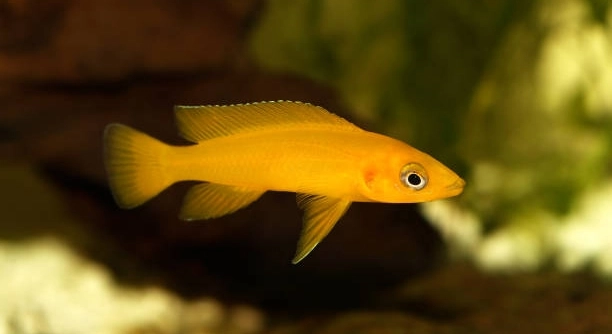
One lemon tetra often seems to take the lead in its school, guiding the others as they swim through the aquarium. Observing this behavior can be fascinating, showing how social structures form even in small fish communities.
The leading behavior of one lemon tetra is primarily driven by social hierarchy and instinctual tendencies. This fish naturally exhibits leadership, influencing group movement to maintain cohesion, reduce predation risk, and coordinate foraging within its environment.
Learning why this fish takes charge can improve how you care for your aquarium. Understanding their behavior allows for a more harmonious and balanced tank setup.
Understanding Leadership in Lemon Tetras
In a school of lemon tetras, one fish often emerges as the leader, guiding the others in synchronized movements. This behavior is not random; it is shaped by instinct, personality, and social interactions. The leading fish usually displays higher confidence and alertness, quickly responding to changes in the environment. Other tetras follow because it helps them feel safe and maintain cohesion. Leadership can also influence feeding patterns, as the leader often explores new areas of the tank first. Observing this can reveal the subtle ways these fish communicate through body language and positioning. Over time, this dynamic ensures the group stays together, reducing stress and preventing conflicts. Even in a small aquarium, the hierarchy is noticeable, showing that these fish have complex social structures. Understanding this behavior can enhance tank management and improve overall fish health, making the environment more stable for all the tetras.
This natural hierarchy helps the group function smoothly, creating stability and reducing stress for the other fish.
Paying attention to these dynamics allows you to notice signs of imbalance. Adjusting tank layout or observing interactions ensures a healthier, calmer school of tetras, benefiting their daily behavior and wellbeing.
Factors That Influence Which Fish Leads
Leadership in lemon tetras is often determined by confidence, activity level, and previous experience within the school.
The leading tetra tends to be bolder, more active, and more responsive to environmental changes than its peers. It often positions itself at the front, setting the pace during swimming and initiating movements toward food or shelter. Social interactions also play a role; fish that assert themselves gently without causing aggression are more likely to be followed. Additionally, size and physical condition can influence leadership. A well-fed, healthy fish with bright coloration may naturally attract the attention of others. Environmental factors, such as tank size, hiding spots, and water flow, can also impact which fish takes charge. By observing these factors, aquarists can better understand behavior patterns and anticipate changes in the group. Leadership is not fixed; it can shift if conditions change or if the current leader becomes less dominant, ensuring flexibility within the school.
Recognizing these influences helps maintain a balanced and healthy aquarium.
How Group Dynamics Affect Movement
The way lemon tetras move is strongly influenced by group dynamics. One fish leading ensures the school stays cohesive, reducing confusion and stress. Following the leader allows the others to navigate safely and maintain consistent swimming patterns.
Leadership creates predictable patterns in the group. The leading fish sets the pace and direction, and the rest instinctively mirror these movements. This synchronization reduces collisions and helps the school respond to sudden changes, like new objects or disturbances in the tank. It also encourages calmer behavior, as the following fish feel guided rather than lost. The dynamic is subtle but essential for maintaining order within the group.
Group cohesion also affects feeding and exploration. When one fish approaches food, others follow, ensuring everyone gets a chance to eat. It minimizes competition and prevents aggressive encounters. The leading fish’s choices shape how the school interacts with the environment, making it easier to maintain a healthy, stress-free aquarium. Understanding these patterns can help adjust tank setup and placement of hiding spots.
Environmental Influences on Leadership
Tank size, layout, and hiding spots can influence which tetra becomes the leader. Proper setup allows natural hierarchy to form smoothly.
Environmental factors play a crucial role in leadership behavior. Larger tanks give the leader space to explore and guide, while smaller tanks may restrict movement and create tension. The placement of decorations, plants, and shelters affects how the school navigates and where the leader chooses to swim. Water flow and lighting also influence confidence, as stronger currents or uneven lighting can encourage more dominant fish to assert control. By observing environmental impacts, aquarists can create conditions that support natural social behavior.
Adjustments to the environment can shift leadership roles. Adding plants or rearranging structures may allow less dominant tetras to assert influence, improving balance. Clear pathways encourage smooth schooling, while obstacles can create stress or disrupt cohesion. Paying attention to these details ensures all fish are comfortable, confident, and able to display natural behaviors. Proper environmental management reduces stress-related issues and keeps the group functioning harmoniously, highlighting how surroundings directly shape social interactions in lemon tetra schools.
Recognizing the Leader
The leader tetra often swims slightly ahead, with others following closely. It shows confidence, reacts quickly, and explores new areas first. This behavior is consistent, making it easy to identify within the school.
Other tetras tend to adjust their speed and direction to match the leader. Subtle gestures, like slight turns or pauses, indicate influence.
Feeding Behavior and Leadership
During feeding, the leader approaches food first, setting the pace for others. This behavior reduces competition, as the following fish observe and respond. Leaders often select safer spots or areas with less crowding. This ensures that all fish have access to food and prevents unnecessary stress or conflicts during mealtime. By guiding the group, the leader helps maintain order and smooth feeding routines. Observing these patterns provides insight into the social structure of the school and the natural instincts that drive their behavior.
Shifts in Leadership
Leadership can change if the dominant fish becomes less active or if another shows more confidence.
Why does one lemon tetra always lead the group?
One lemon tetra leads because of natural social hierarchy and instincts. This fish tends to be more confident, alert, and responsive than others, which makes the rest of the school follow. Leadership helps maintain group cohesion, reducing stress and confusion while swimming or foraging.
Can leadership change among tetras?
Yes, leadership is not fixed. If the dominant fish becomes less active, ill, or less confident, another tetra may take its place. Environmental changes, such as rearranged plants or new hiding spots, can also shift leadership roles naturally over time.
How can I identify the leader in my tank?
The leader usually swims slightly ahead, moves confidently, and initiates changes in direction. Observing which fish others follow consistently is the most reliable way to identify the leader. Color intensity and alertness can also be indicators.
Does the leader eat first?
Often, yes. The leading tetra approaches food first, setting the pace for the rest of the school. This behavior reduces competition and ensures smoother feeding. Followers observe and adjust their position according to the leader’s choices.
How does the leader affect group behavior?
The leader shapes swimming patterns, feeding order, and exploration. Its actions provide cues for other fish, helping them stay cohesive and avoid conflicts. A strong leader reduces stress, as the group feels guided and organized rather than scattered.
Can environmental changes affect leadership?
Yes, tank size, layout, and hiding spots influence leadership. A larger or more complex tank allows leaders to assert control more easily, while obstacles may shift dominance to another tetra. Water flow and lighting can also impact which fish feels confident to lead.
Is it normal for all tetras to follow one fish?
Yes, this is natural schooling behavior. Following a leader keeps the group coordinated, reduces predation risk, and helps the school navigate efficiently. It is an instinctual strategy that promotes safety and social order.
What happens if the leader is removed?
If the leader is removed, another tetra will usually take its place quickly. The school may temporarily appear less organized, but leadership will reestablish itself. Observing this can reveal the adaptability and social flexibility of lemon tetras.
Do leaders show aggression?
Leaders are typically confident but not overly aggressive. They assert influence through movement and positioning rather than fighting. Aggression can occur if a new fish challenges their role, but it is usually minimal in stable, well-fed schools.
How can I support healthy leadership in my tank?
Providing enough space, hiding spots, and proper feeding areas encourages natural social behavior. Avoid overcrowding and maintain consistent water conditions. Observing interactions lets you ensure leadership remains balanced, supporting group cohesion and reducing stress for all fish.
Can multiple fish lead simultaneously?
Sometimes, leadership can rotate temporarily if multiple confident fish are present. This usually happens during feeding or exploration but tends to stabilize over time, with one fish emerging as the main guide for the group.
Why does following a leader reduce stress?
Following a leader gives the school structure and predictability. Fish feel safer when guided, which reduces panic and erratic swimming. This behavior mirrors survival instincts in natural environments, ensuring calm and coordinated group movement.
Do leaders influence breeding behavior?
Leaders can impact social interactions, including mating displays. Their confidence and position in the group can attract attention and help coordinate interactions, though breeding also depends on other factors like age, health, and compatibility.
What signs show a leader is stressed?
A stressed leader may swim erratically, hide frequently, or stop initiating movement. When this happens, the rest of the school may also appear unsettled, showing that group behavior closely follows the leader’s state.
How often does leadership change naturally?
Leadership can change whenever environmental or social conditions shift. Illness, aging, or changes in tank layout can trigger a new leader to emerge. These shifts are normal and reflect the adaptability of lemon tetra social structures.
Can observing leadership help with tank management?
Yes, noticing which fish leads and how others respond helps monitor health, stress, and social balance. Adjusting tank conditions or feeding routines based on these observations ensures a harmonious and healthy environment for all tetras.
Do leaders always eat more?
Not necessarily. While they approach food first, all fish in a stable school usually get access. Leaders simply guide the timing and pace, rather than monopolize resources. Proper feeding ensures fairness and reduces stress-related aggression.
Is leadership linked to color or size?
Color intensity and size can influence attention, but confidence and behavior are more important. A smaller or less colorful fish can still become the leader if it shows assertiveness and alertness consistently.
How do leaders help in emergencies?
During sudden disturbances, the leader reacts quickly, guiding the school to safety. This instinctual role helps reduce chaos, keeps the group together, and ensures all fish respond efficiently to perceived threats.
Can leadership behavior be influenced by diet?
A healthy, well-fed leader is more likely to maintain its role. Malnutrition or inconsistent feeding can reduce confidence and activity, potentially allowing another fish to take the lead. Maintaining proper nutrition supports natural behavior patterns.
Does following the leader improve overall health?
Yes, structured swimming and reduced stress benefit physical and mental health. Coordinated movement prevents collisions and injuries while promoting efficient use of tank space and resources. The leader indirectly supports wellbeing for the entire school.
How long does a leader maintain dominance?
Duration varies depending on health, age, and environmental stability. Some leaders remain dominant for months, while others may change roles more frequently due to shifting conditions. Observing patterns helps predict potential changes and maintain a balanced tank.
Can multiple schools coexist with different leaders?
Yes, separate schools within the same tank may have distinct leaders. Each group maintains its hierarchy, and leaders coordinate movement independently. Proper space and hiding spots prevent conflicts and ensure smooth interactions.
Are leaders more prone to illness?
Not inherently, but stress from constant activity can make leaders slightly more vulnerable. Monitoring health and ensuring adequate food and shelter helps prevent fatigue or illness in dominant fish.
Does leadership affect tank decoration choices?
Indirectly, yes. Leaders explore areas first, so arranging decorations to allow clear swimming paths supports smooth schooling. Plants, caves, and open spaces encourage natural leadership behavior and reduce conflict among fish.
Can observing leaders improve breeding success?
Understanding social hierarchies helps manage interactions and reduce stress, which can improve breeding conditions. Leaders often influence group activity, feeding, and positioning, creating a calmer environment that encourages reproductive behavior.
Is it possible to have a leaderless school?
In most cases, a school naturally selects a leader. True leaderless schools are rare and usually temporary, occurring during disruptions or immediately after adding new fish. The hierarchy quickly stabilizes as confidence and social cues guide dominance.
How can I encourage natural leadership without intervention?
Maintain a stable, well-structured tank with consistent feeding and hiding spots. Avoid frequent changes or overcrowding. Observing interactions without interference allows confident fish to assume leadership naturally, supporting a balanced and healthy school.
Do leaders ever cooperate with other confident fish?
Yes, leadership can sometimes rotate or share influence during exploration or feeding. Cooperation is subtle, with fish taking turns initiating movement, but usually, one fish remains the main guide for stability and cohesion.
Can observing leadership predict behavior patterns?
Absolutely. Watching the leader provides insight into swimming, feeding, and social dynamics. Understanding these patterns helps anticipate reactions to environmental changes, manage stress, and maintain overall tank harmony.
Does leadership affect aggression in the school?
Strong, confident leadership typically reduces aggression. When a clear leader sets the pace and rules, other fish follow without challenge, minimizing disputes and promoting calm, coordinated interactions within the tank.
Is following the leader instinctual or learned?
It is instinctual. Lemon tetras have evolved schooling behavior for safety, foraging, and navigation. Following a confident leader ensures cohesion and reduces risk, even without prior experience in the specific environment.
Can leaders influence activity levels of the group?
Yes, leaders set the pace for swimming, exploration, and feeding. A more active leader encourages consistent movement, while a less active leader may result in slower, more cautious behavior from the school.
Are there risks if the leader becomes aggressive?
If the leader turns aggressive, it can stress the group, cause injuries, or disrupt feeding. Observing behavior and adjusting tank conditions can prevent prolonged tension and maintain a balanced hierarchy.
Does leadership differ between male and female tetras?
Not strictly. Leadership depends more on confidence, alertness, and behavior than gender. Both males and females can assume the leading role based on personality and social interactions.
Can tank mates affect who leads?
Yes, the presence of other confident or aggressive fish can challenge leadership. The school may adapt, with roles shifting depending on social interactions and dominance displays.
Does water quality impact leadership behavior?
Poor water quality can reduce activity and confidence, potentially disrupting the established leader. Maintaining clean, stable conditions supports natural behavior and ensures the leader remains active and influential.
How do leaders influence schooling patterns at night?
Leaders guide nighttime movement to resting areas or safe zones. Even in low activity periods, their position and behavior provide cues that help the group stay cohesive and secure.
Are there behavioral signs that a new leader is emerging?
Signs include increased activity, bold swimming, and exploration by a previously subordinate fish. Other tetras may start following it temporarily, signaling a potential shift in hierarchy.
Can observing leadership improve aquarium management?
Yes, understanding who leads and how the group responds allows for better tank setup, feeding strategies, and environmental adjustments. It helps maintain a calm, organized school and supports fish wellbeing consistently.
Do leaders affect social learning in the school?
Leaders influence the group by modeling behavior, such as exploring new areas or approaching food. Following them teaches other fish safe and efficient ways to navigate and interact with the environment.
How important is leadership for stress reduction?
Leadership is crucial. Having a clear guide reduces uncertainty and panic, allowing the school to swim in harmony. This structured behavior prevents erratic movements and promotes overall mental and physical health.
Can observing leadership help detect early health issues?
Yes, a change in the leader’s behavior, such as reduced activity or hesitation, can indicate illness or stress. Early detection allows prompt intervention to maintain group health and tank stability.
Does leadership influence feeding order consistently?
Generally, yes. The leader approaches food first, followed by the rest. This organized pattern reduces competition, ensures access for all fish, and maintains calm during feeding times.
Are leaders more noticeable in smaller tanks?
Leaders may appear more prominent in smaller tanks because their movements are easier to observe. However, hierarchy and influence exist in all tank sizes, with behavior adapting to available space.
Can leaders help new fish integrate into the school?
Leaders can guide new fish by setting swimming patterns and reducing chaos. Their presence provides structure, helping newcomers adjust quickly and integrate smoothly into the existing social hierarchy.
Do leaders ever show fatigue?
Yes, constant activity can tire leaders. Observing resting periods or reduced exploration is normal. Adequate feeding, hiding spots, and stable conditions help leaders maintain energy and confidence.
Can environmental enrichment support leadership behavior?
Providing plants, open swimming areas, and safe hiding spots encourages exploration and natural dominance displays. Enrichment helps leaders assert themselves confidently while allowing the group to follow harmoniously.
How long should I observe to understand leadership?
Observing over several days or weeks provides accurate insight. Leadership may shift temporarily, so consistent monitoring ensures you correctly identify the dominant fish and understand social dynamics.
Can leadership patterns predict future behavior?
Yes, by noting how the leader interacts during feeding, exploration, and rest, you can anticipate group responses to changes, stress, or new additions, supporting better aquarium management and harmony.
Does leadership influence schooling efficiency?
Absolutely. Leaders improve coordination, reduce collisions, and guide exploration. This efficiency allows the school to move smoothly, maintain group cohesion, and respond effectively to environmental cues.
Can leadership affect fish lifespan indirectly?
Yes, a strong leader reduces stress, prevents injuries, and ensures consistent feeding. By maintaining group stability, the leader indirectly contributes to the overall health and longevity of the school.
How can I encourage a balanced leadership structure?
Ensure ample space, consistent feeding, and stable water conditions. Avoid overcrowding and monitor interactions. Supporting natural behaviors lets confident fish lead while maintaining harmony and preventing conflict among the school.
Are there risks if leadership is disrupted frequently?
Frequent disruptions can cause stress, erratic swimming, and competition. Consistent leadership stabilizes the school, while constant changes may lead to increased aggression or hesitation among fish.
Does leadership influence tank aesthetics indirectly?
Yes, leaders often choose swimming routes and exploration areas, guiding the school in ways that highlight plants, decorations, and open spaces. This natural movement can make the tank appear more dynamic and lively.
Can observing leadership inform breeding strategies?
Yes, knowing who leads and how the group interacts helps manage social balance, feeding, and territory. A calm, structured school encourages successful mating behavior and reduces stress during breeding periods.
Do leaders play a role in learning new tank routines?
Leaders set an example for feeding times, swimming paths, and interaction with decorations. The school observes and follows, allowing the group to adopt routines efficiently and safely.
Are leaders more active during certain times of day?
Leaders often display heightened activity during feeding and exploration periods. Resting times see reduced activity, but leadership cues are still present, guiding the school subtly.
Can water changes affect leadership?
Significant water changes may temporarily disrupt confidence and hierarchy. Maintaining stable conditions and gradual adjustments helps leaders retain influence and reduces stress in the school.
Do leaders help prevent conflicts within the school?
Yes, clear leadership provides structure, reducing disputes over food, territory, or movement. Following a confident fish minimizes aggression and promotes smooth, coordinated interactions among tetras.
How important is consistency in maintaining leadership?
Consistency is key. Stable feeding schedules, water conditions, and tank layout support confident leadership. Sudden changes can disrupt hierarchy, stress the school, and create temporary confusion.
Can leadership influence exploration of new tank areas?
Leaders explore new spaces first, setting examples for the rest. Following them ensures the group navigates safely, discovers resources efficiently, and maintains cohesion during exploration.
Does leadership affect social bonding?
Leaders foster group cohesion, allowing fish to coordinate swimming, feeding, and resting. This structure strengthens social bonds and reduces stress, creating a balanced, calm school environment.
Can multiple leaders exist without conflict?
Temporary shared influence can occur, but usually one fish remains dominant for stability. Occasional cooperative leadership happens during feeding or exploration, but clear hierarchy prevents prolonged disputes.
Do leaders influence reaction to sudden disturbances?
Leaders react first to threats, guiding the group to safety. Their response helps the school remain cohesive and prevents panic, showing the importance of leadership in maintaining calm during disruptions.
Are leaders always the largest or most colorful fish?
Not necessarily. Confidence, alertness, and behavior matter more than size or coloration. Smaller or less vibrant fish can lead if they demonstrate consistent assertiveness and quick reactions.
How can I tell if the leader is healthy?
A healthy leader swims confidently, explores actively, eats regularly, and maintains bright coloration. Sudden changes in behavior may indicate stress or illness requiring attention.
Can observing leadership reveal group stress levels?
Yes, if the leader appears hesitant, inactive, or erratic, it often signals stress within the school. Observing these cues helps detect issues early and maintain a stable environment.
Do leaders influence rest patterns?
Yes, leaders often choose resting spots, guiding the group to safe, comfortable areas. Their position and behavior during rest affect how other fish settle and maintain cohesion.
Is leadership more noticeable in well-fed schools?
Yes, adequate nutrition supports activity and confidence. Hungry or stressed fish may display less leadership behavior, making hierarchy harder to observe or less stable.
Can observing leaders prevent behavioral issues?
Monitoring leadership helps identify stress, aggression, or illness early. Adjusting tank conditions based on observations prevents conflict, supports feeding routines, and maintains a balanced, healthy school.
How do leaders influence swimming patterns long-term?
Leaders set routes and pacing habits. Over time, the school adopts these patterns as routine, ensuring coordinated movement, reducing collisions, and promoting efficient use of tank space.
Do leaders affect the overall energy level of the school?
Yes, active leaders encourage consistent swimming and exploration. A less active leader may result in slower overall movement, while a confident, energetic leader maintains group vitality.
Can leadership behavior be encouraged through observation?
Yes, observing interactions helps identify leaders and supports natural behavior. Ensuring proper environment and feeding routines reinforces leadership without interference, promoting a stable, cohesive school.
Are leaders essential for small groups of tetras?
Even in small schools, leadership is important. One fish guiding the others ensures cohesion, reduces stress, and promotes coordinated behavior, regardless of group size.
Can leaders influence newcomer integration?
Leaders guide new fish by setting movement patterns and reducing confusion. Their influence helps newcomers adjust safely and integrate smoothly into the social structure.
Does the leader’s behavior indicate tank health?
Yes, a confident, active leader often reflects stable conditions and low stress. Changes in leadership behavior may signal environmental issues or health concerns in the tank.
How can I maintain stable leadership long-term?
Provide consistent water quality, feeding, and space. Avoid overcrowding and sudden changes. Observing interactions ensures leaders remain confident and the group stays cohesive and calm.
Are leaders more noticeable during feeding times?
Yes, leaders set the pace, choose food locations, and guide the group. Feeding highlights social hierarchy, showing how confident fish influence timing and order.
Can observing leaders improve tank harmony?
Understanding leadership allows adjustments to feeding, decoration placement, and tank layout. Maintaining clear hierarchy reduces stress and aggression, ensuring smooth schooling and a calmer environment for all fish.
Do leaders affect tank aesthetics?
Indirectly, yes. Their movements guide the school, making swimming patterns look coordinated and fluid. Watching leaders can create a more dynamic and visually appealing tank.
Can observing leadership prevent health problems?
Yes, early detection of changes in behavior can indicate illness or stress. Prompt response helps maintain fish health, preserve social balance, and reduce long-term issues in the school.
Does leadership influence fish confidence?
Following a confident leader can increase confidence in other tetras. Clear guidance reduces stress, helping subordinate fish explore, feed, and interact safely within the school.
How can I encourage natural leadership development?
Maintain a stable environment with proper nutrition, space, and hiding spots. Allow fish to interact naturally without interference, supporting confident individuals to take the lead organically.
Can leaders help manage aggression during feeding?
Yes, a clear leader sets order, reducing competition and aggressive encounters. Following their pace and
Observing lemon tetras in an aquarium can be surprisingly insightful. One fish often emerges as the leader, guiding the others in swimming, feeding, and exploring. This leadership is natural and instinctual, reflecting the social structure that exists even in small schools of fish. The leader usually displays confidence, alertness, and quick responses to environmental changes, which helps the rest of the school stay coordinated and safe. By following the leader, other tetras reduce stress and maintain cohesion, which benefits the overall health of the group. Leadership is not random; it is shaped by behavior, personality, and social interactions. Recognizing which fish leads and how the group responds can improve how you care for your aquarium, ensuring a calm and harmonious environment for all fish.
Leadership among lemon tetras is flexible and can change over time. If the dominant fish becomes less active, stressed, or ill, another fish may take its place. Environmental factors, such as tank size, layout, water flow, and hiding spots, also play a role in which fish assumes leadership. Leaders often guide feeding behavior, ensuring that food is distributed evenly and reducing conflicts during mealtime. They also influence swimming patterns, exploring new areas first and providing cues for others to follow. Even though the leader may seem more dominant, aggression is usually minimal, as confident but calm behavior is enough to maintain influence over the group. Observing these interactions can help aquarists understand the natural dynamics of schooling fish and provide better care tailored to their needs.
Maintaining a healthy and stable environment is essential for supporting natural leadership in lemon tetras. Providing ample space, hiding spots, consistent feeding schedules, and clean water allows fish to display normal behavior without stress. Watching how the leader interacts with the rest of the school can also help identify potential health issues or imbalances in the group. A clear leader benefits all fish, promoting order, reducing stress, and encouraging coordinated movement. Leadership affects feeding, social behavior, and overall well-being, making it a key aspect of tank management. By paying attention to leadership patterns and environmental factors, it is possible to maintain a balanced, calm, and thriving school of lemon tetras, creating a healthier and more enjoyable aquarium experience for both the fish and the observer.

Hello,
If you enjoy the content that we create, please consider saying a "Thank You!" by leaving a tip.
Every little bit helps us continue crafting quality advice that supports the health, happiness, and well-being of pets around the world, for pets of all shapes, sizes, and species.
We really appreciate the kindness and support that you show us!