
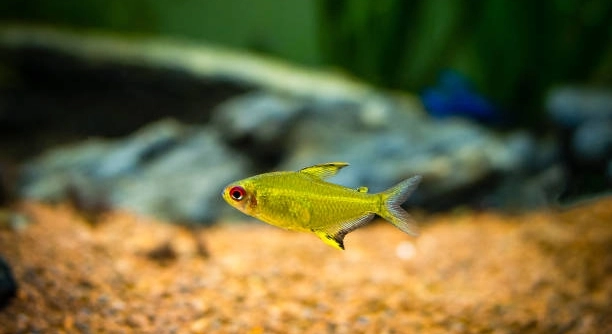
Lemon tetras are small, bright fish that can add a lively touch to any aquarium. Watching them swim is usually calming, but sometimes they start flashing unexpectedly, catching the attention of even careful hobbyists.
Flashing in lemon tetras is typically caused by irritation from parasites, poor water quality, stress, or aggressive tank mates. Other contributing factors include sudden changes in environment, improper diet, and physical injury, all of which trigger this distinctive behavior.
Identifying these causes early can prevent serious health problems. Understanding why your lemon tetras flash will help maintain a peaceful and healthy aquarium environment.
Parasites and Skin Irritation
Parasites are one of the most common reasons lemon tetras start flashing. Tiny external parasites attach to the fish’s skin, gills, or fins, causing discomfort. You may notice your tetra rubbing against plants, decorations, or tank walls in an effort to relieve the irritation. If left untreated, parasites can lead to more serious health issues, including open sores or secondary infections. Maintaining regular tank cleaning routines and monitoring water parameters helps prevent infestations. Quarantining new fish before introducing them to the main tank is essential because even one infected fish can spread parasites quickly. Some parasites are microscopic, making it hard to detect them immediately, so observing your fish closely for subtle changes in behavior or appearance is important. Using targeted treatments recommended for tropical fish can remove parasites effectively. Early intervention ensures your lemon tetras remain healthy and reduces the stress that triggers flashing behavior.
Flashing caused by parasites is often accompanied by rapid, jerky swimming. Quick treatment can prevent long-term health problems.
Even minor infestations can make fish uncomfortable. Monitoring your tank regularly and spotting unusual behavior early can make a big difference. Treating parasites promptly prevents outbreaks, improves overall health, and keeps your tetras active and vibrant. Proper care and attention to cleanliness are key to avoiding repeated flashing caused by skin irritation.
Poor Water Quality
Poor water quality is a frequent factor behind lemon tetra flashing. Dirty or unbalanced water creates stress, making fish rub against surfaces or flash repeatedly.
High levels of ammonia, nitrites, or nitrates are toxic to fish. Even small fluctuations in pH or temperature can stress lemon tetras and trigger flashing. Regular testing of water parameters is essential to keep conditions stable. Partial water changes, proper filtration, and avoiding overfeeding reduce toxins in the tank. Overcrowding also affects water quality because more fish produce more waste, making it harder to maintain a safe environment. Stress from poor water quality weakens the immune system, leaving fish vulnerable to infections and disease. Observing your tetras daily allows you to notice early signs of stress, such as sudden color changes, lethargy, or constant flashing. Maintaining clean, stable water conditions is critical for their health and prevents unnecessary irritation that causes flashing. Implementing a routine for testing and water changes ensures the tank remains a safe and comfortable space for your lemon tetras.
Stress from Tank Mates
Aggressive or overly active tank mates can cause lemon tetras to flash. Constant chasing or bullying leads to visible irritation and discomfort in the affected fish.
When lemon tetras are kept with more aggressive species, they often hide, dart around, or rub against surfaces to escape. Stress weakens their immune system and can make minor injuries worse. Even compatible species can create tension if the tank is overcrowded, reducing swimming space and increasing competition for food. Observing interactions closely helps identify troublemakers. Separating aggressive fish or providing plenty of hiding spots reduces flashing behavior. Stress is subtle but has noticeable effects on both behavior and appearance.
Providing a well-structured tank with plants, decorations, and open swimming areas minimizes conflicts. Ensuring your tetras are kept with peaceful species lowers stress levels. Adjusting feeding schedules and maintaining a calm environment supports their natural behavior. Paying attention to daily interactions allows you to spot early signs of tension before flashing becomes persistent, keeping your lemon tetras comfortable and healthy.
Sudden Environmental Changes
Sudden changes in lighting, temperature, or water flow can trigger flashing in lemon tetras. Rapid alterations overwhelm their senses and provoke irritation.
A quick shift in water temperature, even by a few degrees, can stress lemon tetras and lead to rubbing or flashing against tank surfaces. Similarly, moving decorations, adding new plants, or changing lighting intensity abruptly disrupts their familiar environment, creating anxiety. Fish are sensitive to both chemical and physical changes in water. Fluctuations in hardness, pH, or salinity, even if minor, can provoke repeated flashing. Avoiding sudden adjustments and introducing changes gradually allows tetras to adapt without stress. Monitoring how your fish react to any changes ensures they remain calm and healthy. Slow, steady acclimation is key to preventing irritation caused by environmental shifts.
Improper Diet
A poor diet can lead to flashing in lemon tetras. Lack of proper nutrients weakens their skin and overall health.
Feeding only one type of food or low-quality flakes can cause deficiencies. Balanced nutrition supports their immune system and keeps their skin resilient, reducing irritation and flashing behavior.
Physical Injury
Accidental injuries from sharp decorations or rough handling can cause lemon tetras to flash. Scrapes or torn fins lead to visible irritation and discomfort. Regularly inspecting tank ornaments and ensuring smooth surfaces helps prevent injuries, keeping your tetras healthy and reducing stress-induced flashing.
Overcrowding
Too many fish in the tank increases stress and competition for space. Overcrowding causes lemon tetras to flash more often. Maintaining appropriate stocking levels allows each fish enough room to swim freely, minimizing irritation and promoting a calm, balanced environment.
FAQ
Why do my lemon tetras keep flashing even in a clean tank?
Even in a well-maintained tank, flashing can occur due to subtle stressors or minor parasites that are not immediately visible. Water chemistry may fluctuate slightly, or a hidden parasite could irritate your fish. Observing behavior closely and checking water parameters regularly can reveal underlying issues that trigger flashing.
Can flashing indicate a serious health problem?
Yes, persistent flashing can signal infections, skin irritation, or parasite infestations. If left untreated, it can lead to secondary infections or more severe conditions. Early recognition and intervention, such as treating parasites or adjusting water quality, are essential to prevent long-term health problems.
How can I treat flashing caused by parasites?
Treatment depends on the type of parasite. Common options include medicated baths, specific anti-parasitic medications, or quarantining infected fish. Always follow dosage instructions carefully and monitor the tank during treatment to ensure effectiveness. Removing affected fish to a separate tank reduces the risk of spreading parasites.
Is diet really connected to flashing behavior?
Yes, nutrition affects overall fish health. A poor or unbalanced diet can weaken skin and fins, making tetras more susceptible to irritation and flashing. Providing high-quality flakes, frozen or live foods, and occasional vegetable supplements helps maintain their strength and reduces stress-related behavior.
Can tank decorations cause flashing?
Sharp or rough decorations can injure fish accidentally. Even minor scrapes make lemon tetras flash to relieve discomfort. Smooth surfaces, soft plants, and careful placement of ornaments reduce injuries. Checking for rough edges and regularly inspecting the tank helps prevent unnecessary flashing caused by physical harm.
Do tank mates influence flashing?
Yes, aggressive or overly active tank mates often stress lemon tetras. Constant chasing or crowding can provoke flashing behavior. Ensuring compatible species, providing hiding spots, and maintaining enough swimming space minimizes tension. Adjusting the tank setup to reduce stress supports calmer, healthier fish.
How does water temperature affect flashing?
Sudden temperature changes shock lemon tetras, causing flashing. Fish are sensitive to even small fluctuations in water conditions. Maintaining stable temperature within the species’ preferred range, using heaters or chillers if necessary, helps prevent stress-induced flashing and keeps the fish active and comfortable.
What should I do if flashing persists?
If flashing continues despite clean water, proper diet, and safe tank mates, it may indicate an underlying infection or chronic stress. Consider consulting a veterinarian specializing in fish, testing for parasites, and reviewing water chemistry. Persistent monitoring and adjustments often resolve the issue.
Can flashing be prevented entirely?
While it may not be possible to eliminate flashing completely, many triggers can be minimized. Stable water quality, proper nutrition, compatible tank mates, smooth decorations, and regular health checks significantly reduce the frequency and severity of flashing. Proactive care keeps lemon tetras healthy and comfortable in their environment.
How often should I check my lemon tetras for flashing?
Daily observation is best. Flashing can happen quickly and may indicate problems early. Checking your fish during feeding or routine maintenance helps spot behavior changes. Early detection allows faster intervention, preventing more serious health issues and ensuring your tetras remain vibrant and active.
Does flashing always mean a fish is sick?
Not always. Sometimes flashing is a temporary response to minor irritation or environmental changes. Occasional flashing is normal, but repeated or prolonged behavior usually indicates a health or stress issue. Monitoring patterns over time helps determine whether action is necessary.
Can I use medications preventively for flashing?
Preventive medications are generally not recommended unless there is a known risk. Overuse can harm fish and disrupt tank balance. Focusing on clean water, proper nutrition, and stress reduction is safer and more effective for preventing flashing and maintaining healthy lemon tetras.
Lemon tetras are small, delicate fish that bring life and color to an aquarium. Watching them swim gracefully is calming, but flashing can be concerning when it appears. Flashing is often a visible sign that something in their environment or health needs attention. It is important to understand that flashing is not just random behavior—it usually reflects discomfort, stress, or irritation. Whether it is caused by parasites, poor water quality, aggressive tank mates, sudden environmental changes, improper diet, injuries, or overcrowding, identifying the cause helps keep your fish healthy. Observing your lemon tetras closely every day can make a big difference in noticing small changes before they become serious problems. Simple adjustments like maintaining clean water, checking parameters regularly, and providing appropriate hiding spots can prevent many of these triggers.
Taking care of lemon tetras requires consistent attention and thoughtful planning. Proper nutrition is essential, as weak or unbalanced diets can make them more prone to irritation and flashing. Including high-quality flakes, live or frozen foods, and occasional vegetable supplements helps strengthen their immune system and supports healthy skin and fins. Maintaining water stability is equally important. Sudden changes in temperature, pH, or water flow can stress your fish even if everything else seems fine. Regular partial water changes and monitoring of ammonia, nitrite, and nitrate levels reduce these risks. Decorating the tank with smooth surfaces and safe plants prevents injuries that could trigger flashing. Keeping a compatible mix of tank mates and avoiding overcrowding reduces tension and ensures a calm swimming environment. Paying attention to these details fosters a stable, healthy habitat for your tetras to thrive.
Even with all precautions, some flashing may still occur occasionally. Fish sometimes react to minor irritations or brief environmental changes, and not every instance indicates serious illness. What matters most is consistent care and vigilance. By addressing the common causes of flashing and observing your lemon tetras closely, you can minimize stress and prevent long-term health problems. Early intervention when flashing appears ensures your fish remain active, colorful, and comfortable. A little effort in daily observation, careful feeding, and tank maintenance goes a long way in keeping your lemon tetras happy. With proper attention, they can live longer, healthier lives and continue to bring vibrant movement to your aquarium.

Hello,
If you enjoy the content that we create, please consider saying a "Thank You!" by leaving a tip.
Every little bit helps us continue crafting quality advice that supports the health, happiness, and well-being of pets around the world, for pets of all shapes, sizes, and species.
We really appreciate the kindness and support that you show us!