
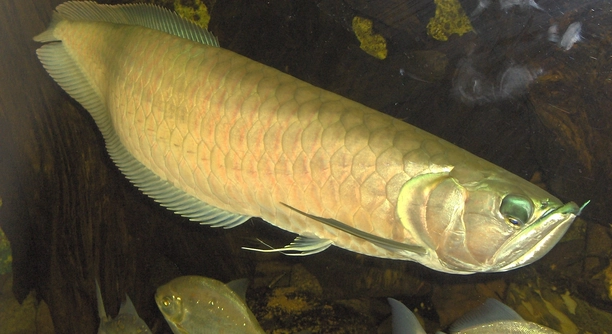
Do you ever notice your arowana swimming differently after small changes in its tank? Many fish owners watch closely, wondering if these subtle adjustments might be more significant to their fish than they appear.
Arowanas can detect minor water changes due to their highly sensitive lateral line system. This system allows them to perceive small shifts in water chemistry, temperature, and movement, affecting their behavior and overall comfort in the aquarium environment.
Observing these reactions can help ensure your arowana stays healthy and comfortable in its tank, highlighting the importance of careful maintenance practices.
How Arowanas Sense Water Changes
Arowanas have a remarkable ability to notice even small shifts in their environment. Their lateral line system detects vibrations, currents, and changes in water pressure. This system helps them adjust quickly to minor fluctuations, such as slight temperature changes or new water added during maintenance. Even subtle changes in water chemistry, like pH shifts or increased ammonia, can trigger a response. Observing your fish carefully after a water change can reveal signs of stress or discomfort, like reduced activity, unusual swimming patterns, or hiding. Some arowanas may appear cautious and slow, while others might swim rapidly or surface more often. Over time, these reactions allow fish owners to better understand the sensitivities of their arowana and maintain stable water conditions. Proper filtration, regular testing, and gradual water adjustments help minimize these stress signals and promote healthier behavior in the tank.
Their sensitivity makes them excellent indicators of water quality, alerting you to potential problems before they become serious.
Monitoring these subtle responses ensures your arowana thrives. Keeping water changes gradual and consistent reduces stress and supports long-term health. Understanding how your fish reacts can guide better care routines. With patience, these observations become a reliable tool for maintaining optimal tank conditions, making minor adjustments less risky.
Tips for Gradual Water Changes
Small, gradual water changes are best for arowanas. Sudden shifts in temperature or chemistry can trigger stress responses.
Start by removing only 10-20% of the tank water at a time. Slowly add pre-treated water at the same temperature as the tank. Avoid drastic changes in pH or hardness, as these can be noticeable to your fish. Testing the water before and after changes ensures stability. Using gentle filtration during the process helps maintain consistent flow and prevents strong currents that could overwhelm your arowana. Observing your fish during and after the change can indicate if the approach is working. By taking these careful steps, you allow your arowana to adjust naturally without sudden shocks, keeping them healthy and calm.
Gradual changes prevent stress and maintain consistent water parameters. This approach supports stable health, reducing risk of disease and behavioral issues in arowanas. It allows the fish to acclimate naturally to small differences in temperature or chemistry. Keeping water adjustments slow also helps maintain beneficial bacteria in the tank, preserving biological balance. Over time, your fish becomes more tolerant of routine maintenance, making regular care easier. Consistency in water changes supports growth, feeding habits, and overall activity, ensuring arowanas remain alert but comfortable. Patience and observation during each change create a safer environment, allowing these sensitive fish to thrive without unnecessary stress or shock.
Observing Behavioral Changes
Arowanas often show small behavioral shifts when water changes occur. Swimming patterns, feeding habits, or resting locations may alter. Paying attention to these signs helps identify stress or discomfort early. Immediate action can prevent long-term issues and maintain a balanced tank environment.
Even minor changes in water can affect an arowana’s behavior. Some may become more cautious, hiding behind decorations or staying near the tank bottom. Others may show restlessness, swimming rapidly or surfacing more often than usual. Feeding response can also be affected, with fish eating less or ignoring food entirely. Observing these reactions allows owners to adjust maintenance routines and water change practices to reduce stress. Regular observation strengthens understanding of the fish’s sensitivities, making it easier to maintain a stable and healthy environment.
Noticing these subtle changes over time gives insight into individual preferences and tolerances. Each arowana reacts differently, so documenting behavior after water changes helps refine care routines. This includes adjusting water parameters gradually, improving filtration, or altering tank placement. Consistency in observation ensures that potential issues are addressed before they escalate. Being proactive with behavior monitoring supports healthier fish and reduces sudden stress responses, creating a more predictable and safe environment in the tank.
Maintaining Water Stability
Stable water parameters are critical for arowana health. Sudden fluctuations in temperature, pH, or hardness can trigger stress, making gradual adjustments essential.
Maintaining consistent water quality involves regular testing for ammonia, nitrites, nitrates, and pH levels. Temperature should remain steady, ideally within 75-82°F, avoiding abrupt shifts. Using a high-quality filtration system ensures chemical and biological balance, while aeration supports oxygen levels. Water changes should be incremental, and treated water must match tank conditions. Observing the fish during changes confirms they are coping well. Avoid overcrowding, as it can amplify stress responses and destabilize water quality. Over time, these measures reduce the likelihood of illness and behavioral disruptions.
Consistency in water maintenance encourages predictable behavior and healthier growth. Sudden changes can disrupt feeding, activity, and immune responses, making fish more prone to disease. Regular observation combined with careful monitoring allows for timely adjustments to water chemistry. Gradual introduction of new water or temperature modifications reduces shock and maintains the biological balance of beneficial bacteria. Over time, stable conditions foster calm behavior, better appetite, and strong immunity. Structured routines also help in identifying early signs of stress, giving owners an opportunity to intervene before minor issues escalate. Proper planning and monitoring create a safe, healthy environment that arowanas can thrive in over the long term.
Signs of Stress
Arowanas display stress through changes in activity levels, appetite, and swimming patterns. Noticing these subtle differences early allows for timely intervention. Addressing stress quickly can prevent long-term health problems and help maintain a calm tank environment.
Color changes or fin clamping can also indicate stress. Watching these visual cues alongside behavior helps determine if water conditions or tank maintenance need adjustment.
Gradual Acclimation Techniques
Introducing new water gradually is crucial for arowanas. Slowly mixing small amounts of treated water into the tank over time prevents sudden chemical or temperature shocks. Using a drip method or adding water in stages over 30-60 minutes allows fish to adjust naturally. Monitoring behavior during acclimation ensures the arowana is coping well. Proper acclimation reduces stress responses, maintains feeding patterns, and protects the immune system. Consistent techniques make routine water changes safer and support long-term health, giving the fish time to adapt without disruption.
Tank Consistency
Maintaining a predictable environment helps arowanas feel secure. Stable temperature, filtration, and minimal disturbances support healthy behavior.
FAQ
How often should I change my arowana’s water?
Water changes for arowanas should be done regularly but gradually. Most owners replace 10-20% of the water weekly. This keeps ammonia, nitrites, and nitrates under control without shocking the fish. Sudden or large changes can stress your arowana, affecting appetite and activity. Observing the fish after each change helps fine-tune the schedule to its tolerance.
Can arowanas sense temperature differences?
Yes, arowanas are very sensitive to temperature changes. Even a shift of a few degrees can cause them to behave differently, such as slowing down, hiding, or surfacing. Maintaining a stable temperature between 75-82°F reduces stress. Using a reliable heater and thermometer ensures consistent conditions. Gradual adjustments during seasonal changes prevent unnecessary shock.
Will sudden water changes harm my arowana?
Sudden water changes can create stress, affecting behavior and immunity. Rapid shifts in pH, hardness, or temperature may lead to hiding, erratic swimming, or loss of appetite. Gradual replacement and careful monitoring reduce these risks. Observing how your fish reacts during each change ensures you are providing a safe and stable environment.
What signs show that my arowana dislikes water changes?
Behavioral changes are the main indicators. Fish may swim erratically, cling near the surface, or hide behind decorations. Reduced feeding and color fading can also appear. Watching these signs closely allows you to modify your water change methods, such as slowing the rate of change or adjusting temperature. Recognizing these reactions early is key to preventing long-term stress.
Should I test water before each change?
Yes, testing water helps maintain stability. Checking ammonia, nitrites, nitrates, and pH ensures that new water will not shock the fish. Treating water with dechlorinators and matching temperature prevents sudden fluctuations. Consistent testing creates a predictable routine that benefits both the fish and the tank’s overall balance.
How long does it take for arowanas to adjust to minor changes?
Adjustment can vary depending on the fish and the severity of the change. Minor water changes may only require a few minutes for the fish to stabilize, while temperature or pH shifts might take hours or a day. Observing behavior during and after changes helps identify when your arowana feels comfortable again.
Can I add water additives safely?
Yes, but with caution. Only use additives recommended for arowanas, such as pH buffers or trace minerals, and follow dosage instructions carefully. Introducing additives gradually prevents sudden chemical shifts. Observing the fish after adding products ensures they are not stressed or reacting negatively.
Do arowanas react differently to filtered versus tap water?
Arowanas are sensitive to impurities in tap water. Filtered and treated water reduces chlorine, heavy metals, and contaminants that could stress the fish. Gradually introducing treated water prevents sudden chemical shocks and helps maintain a stable environment. Monitoring behavior ensures the fish accepts the change smoothly.
How can I make water changes less stressful?
Keep changes gradual, maintain stable temperature, and avoid strong currents during the process. Adding small amounts of new water over time, rather than all at once, helps arowanas acclimate naturally. Observe the fish and adjust the method based on its reactions. A calm, predictable routine supports long-term health and reduces stress.
Are some arowanas more sensitive than others?
Yes, individual differences exist. Younger or newly acquired fish are often more sensitive to changes, while older or established fish may tolerate minor fluctuations better. Observing each fish’s behavior after water changes helps tailor maintenance practices to its specific needs, ensuring a safer and healthier environment.
Can stress from water changes affect health long-term?
Repeated stress can impact appetite, immunity, and growth. Prolonged stress may increase susceptibility to disease and affect overall vitality. Maintaining stable water parameters, gradual adjustments, and careful observation reduce long-term health risks, supporting an active and thriving arowana.
Is it necessary to remove decorations during water changes?
Not always. Only remove decorations if cleaning is required or if they obstruct water flow. Leaving stable objects in place helps the fish feel secure, reducing stress during the change. Abrupt removal or repositioning can cause disorientation and anxiety.
How do I know if water parameters are ideal?
Regular testing of pH, ammonia, nitrites, nitrates, and temperature provides a clear picture. Ideal pH is generally 6.5-7.5, and ammonia and nitrites should be at zero. Nitrates should remain low. Consistent readings indicate stable conditions, helping your arowana remain healthy and calm.
What should I do if my arowana reacts badly to a change?
Pause further changes and observe the fish. Check water parameters and adjust if necessary. Provide hiding spaces and maintain a calm environment until behavior normalizes. Gradual recovery helps prevent long-term stress and keeps the fish healthy. Monitoring closely is key to avoiding repeated negative reactions.
Can frequent small changes be better than infrequent large ones?
Yes, frequent small adjustments are less stressful. Replacing 10-20% weekly is usually safer than a single 50% change. Smaller, consistent changes minimize shocks to water chemistry, temperature, and the fish itself. This approach supports stable behavior and overall well-being, reducing stress-related issues in the tank.
How do I track my arowana’s reaction to water changes?
Keep a log of behavior, feeding patterns, and any visual changes after each maintenance. Note water parameters and temperature. Over time, this helps identify tolerances and refine water change practices, creating a more predictable and safe environment for your arowana.
Final Thoughts
Arowanas are remarkable fish that respond to even minor changes in their environment. Their sensitivity to water parameters, temperature, and chemical shifts means that every adjustment in the tank can influence their behavior. Observing them closely during and after water changes provides valuable insight into their comfort level and overall health. Small signs, such as altered swimming patterns, reduced feeding, or changes in color, are important indicators that your fish is reacting to its surroundings. Paying attention to these subtle cues allows you to make informed decisions about water maintenance, tank conditions, and care routines, helping your arowana remain healthy and stress-free. Understanding how sensitive arowanas are also highlights the importance of patience and consistency in maintaining their environment. Sudden or extreme changes can create unnecessary stress, while careful, gradual adjustments ensure a stable, balanced habitat.
Water stability is one of the most important factors in keeping arowanas healthy. Consistency in temperature, pH, and hardness reduces stress and supports their immune system, growth, and activity levels. Gradual water changes, careful monitoring, and the use of treated or conditioned water all contribute to a more stable tank environment. Observing your fish during these changes provides a practical way to ensure they are adjusting well, without relying solely on water testing. Over time, a regular routine of small, measured adjustments becomes easier for both the owner and the fish. These practices not only prevent stress but also help maintain the biological balance of the tank, preserving beneficial bacteria and ensuring a healthier ecosystem. The more predictable the environment, the more confident and active your arowana will be, showing natural behaviors and feeding patterns that reflect good health.
Finally, caring for an arowana involves both observation and action. Each fish may respond differently to changes, so learning the individual preferences and tolerances of your arowana is crucial. Recording behavior, water parameters, and feeding patterns can provide a clear picture of what works best in your tank. Creating a consistent maintenance schedule, using gradual water adjustments, and maintaining stable conditions all contribute to a less stressful environment. By understanding and respecting the sensitivity of these fish, you support their long-term health, reduce the risk of illness, and encourage natural behavior. Consistency, patience, and careful observation make water changes manageable and safe, helping your arowana thrive in a balanced, comfortable habitat where it can remain active, alert, and healthy.

Hello,
If you enjoy the content that we create, please consider saying a "Thank You!" by leaving a tip.
Every little bit helps us continue crafting quality advice that supports the health, happiness, and well-being of pets around the world, for pets of all shapes, sizes, and species.
We really appreciate the kindness and support that you show us!