
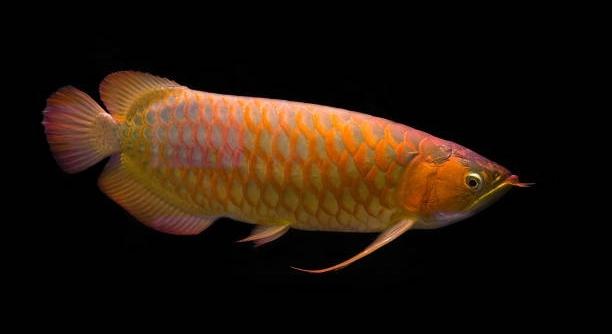
Are your aquarium plants and decorations arranged just the way you like them? Many hobbyists find comfort in a familiar tank setup, enjoying the balance of colors and textures that they have carefully created over time.
Keeping the same tank layout for years can be beneficial for stability and the health of aquatic life. Consistent placement reduces stress for fish and invertebrates while maintaining established water flow, hiding spots, and compatible plant growth patterns within the environment.
Even small adjustments can have big effects, so learning when to change or keep your setup is important for a thriving aquarium.
Why Some Tank Layouts Stay the Same for Years
Many aquarists find comfort in a layout that works. Fish become familiar with their hiding spots and swim paths, reducing stress and encouraging natural behavior. Plants and decorations that have settled over time develop a balance, supporting the ecosystem inside the tank. Changing layouts too often can disturb beneficial bacteria, impact plant growth, and unsettle fish that rely on visual landmarks for security. Maintaining a consistent arrangement allows aquarists to monitor water conditions and observe subtle changes in fish health. Over the years, this stability can make maintenance easier, as everyone in the tank knows their place and routines remain predictable. While it may seem tempting to rearrange for novelty, a long-term layout often provides better outcomes for both the fish and the plants. Observing interactions and noting how fish use spaces can help in deciding whether any changes are truly necessary. Consistency often benefits the tank’s overall harmony.
Keeping a layout the same helps fish feel safe and encourages stable plant growth. It supports a healthy tank balance.
Consistency allows aquarists to focus on water quality and fish care rather than constant rearrangements. It helps prevent stress-induced behavior and gives plants a chance to thrive. Over time, a stable layout also makes spotting health issues easier. Fish recognize familiar spaces, which supports natural swimming patterns and reduces aggressive encounters. Plants settle in substrate, optimizing root growth and nutrient absorption. Decorations act as landmarks, helping fish navigate confidently. Even minor changes in placement can disrupt the tank, affecting water flow or shading certain areas, which may impact plant photosynthesis or algae growth. For tanks with territorial species, keeping the same layout reduces conflicts and stress-related behaviors. Long-term observation shows which spots are favorites for hiding, feeding, or resting, allowing adjustments to improve comfort without major overhauls. Stability also helps aquarists maintain predictable maintenance schedules, from cleaning to trimming plants. In essence, a consistent layout supports both animal well-being and tank management efficiency.
When It’s Time to Make Changes
Some situations require layout adjustments, especially if plants outgrow the tank or fish behavior becomes problematic. Regular assessment is key to a healthy environment.
Significant changes in fish numbers, plant growth, or water chemistry may necessitate thoughtful rearrangement. Planning carefully minimizes stress, maintains water flow, and ensures each species has proper space. Aquarists can rotate decorations gradually to test impact before committing. A balanced approach allows the tank to evolve while keeping its stability intact, preserving both the aesthetics and the well-being of its inhabitants. Observing fish reactions during small changes provides insights into what works best, making future modifications less disruptive. Maintenance routines can be adapted to new layouts, ensuring long-term success without upsetting the tank’s established ecosystem. Overall, thoughtful changes support both visual appeal and functional harmony, keeping fish and plants thriving together over time.
Benefits of a Stable Tank Layout
A stable layout reduces stress for fish and helps plants grow evenly. Consistency also makes it easier to track water quality, observe behavior, and maintain the tank without disrupting the ecosystem. Familiar surroundings keep fish confident and healthy.
Long-term layouts help create natural zones in the tank. Fish use specific areas for hiding, resting, and swimming, which reduces conflicts and stress. Plants that have established roots absorb nutrients efficiently, supporting better growth and limiting algae problems. Decorations act as visual markers, helping fish navigate and feel secure. Over time, stability allows the tank to develop a balanced environment, making maintenance more predictable and effective.
Keeping the tank consistent also simplifies daily care. Feeding routines remain straightforward, water flow is predictable, and filtration works efficiently. Fish become accustomed to their surroundings, reducing panic or erratic behavior. Observing plant growth and fish health becomes easier, as changes can be attributed to water conditions or feeding rather than constant rearrangements. This creates a calm, thriving aquatic habitat that supports long-term enjoyment and success in fishkeeping.
Signs Your Tank Needs a Change
Uneven plant growth, stressed fish, or increased aggression often signal a need for adjustments. Addressing these issues promptly prevents long-term problems.
Changes in plant size or shape can block light or disrupt water flow, affecting other species. Overcrowded decorations may limit swimming space or hiding spots, leading to stress. Fish behavior, such as increased aggression or lethargy, can indicate the layout no longer suits their needs. Observing these patterns helps determine which areas need attention and what adjustments are necessary. Small, deliberate changes can restore balance without upsetting the tank.
Sometimes, gradual rearrangements are the best approach. Moving plants or decorations in stages allows fish to adapt while maintaining familiar territories. Adjusting water flow or relocating hiding spots can reduce aggressive interactions and improve overall health. Even slight modifications in plant placement can enhance light distribution, benefiting all species. Careful monitoring ensures that new layouts support both aesthetic appeal and the well-being of fish and plants. Thoughtful changes create a functional, comfortable environment that adapts to growth and shifting needs.
Small Adjustments Can Make a Big Difference
Even minor changes in plant placement or decoration arrangement can improve water flow and lighting. These small tweaks support healthier plant growth and reduce areas where debris collects, keeping the tank cleaner and more balanced.
Fish quickly adapt to subtle changes in their environment. Adding or moving a hiding spot can reduce stress and encourage natural behavior without disrupting established territories.
Rotating Decorations for Variety
Rotating decorations periodically keeps the tank visually interesting while maintaining stability. Fish remain comfortable, but the subtle changes can refresh their environment and prevent boredom. Thoughtful rotation also allows for better maintenance access and ensures plants receive adequate light. Consistency with variation supports both aesthetics and the well-being of all tank inhabitants.
Monitoring Fish Behavior
Observing how fish respond to their surroundings helps guide layout decisions. Changes in activity or stress levels indicate whether adjustments are needed.
FAQ
How often should I change my tank layout?
There is no set schedule for changing a tank layout. Many aquarists keep the same arrangement for years as long as the fish are healthy, plants are thriving, and water parameters remain stable. Minor adjustments can be made gradually to improve flow or create new hiding spots without disrupting the established balance. Frequent major changes can stress fish and slow plant growth. Observing how your fish interact with the environment can help determine if changes are necessary.
Can keeping the same layout cause problems?
Yes, staying with the same layout indefinitely can sometimes lead to uneven plant growth, overcrowded hiding spots, or stagnant areas where debris accumulates. Fish may develop aggressive behavior if territories become too small. Rotating decorations slightly or trimming plants can address these issues while maintaining overall stability. Even if the tank appears fine, periodic evaluation is important to prevent long-term problems and ensure all species remain healthy and comfortable.
Do fish prefer stable layouts?
Most fish feel more secure in a familiar environment. Recognizable hiding spots, swimming paths, and visual landmarks help reduce stress and encourage natural behaviors. Sudden changes can cause panic, erratic swimming, or aggression. Keeping the layout consistent while making small, gradual adjustments allows fish to explore new areas without feeling threatened, supporting long-term health and comfort.
How do plants benefit from a stable layout?
Plants that remain in one position develop stronger root systems and better nutrient absorption. Consistent light exposure supports photosynthesis, and stable substrate allows proper anchoring. When plants are moved frequently, growth may slow or certain species may fail to thrive. Even small adjustments to optimize lighting or water flow can improve overall plant health without causing major disruption.
What should I watch for when changing the layout?
Observe fish behavior and plant response carefully. Stress signs include hiding excessively, chasing, or sudden changes in swimming patterns. Monitor water flow and debris accumulation after any adjustments. Gradual changes are safer, and spacing decorations thoughtfully ensures each species has proper room. Avoid drastic rearrangements, as fish and plants take time to adjust, and water chemistry can temporarily fluctuate during major changes.
Is it okay to add new decorations to an old layout?
Yes, adding new elements can refresh the tank without upsetting established territories if done thoughtfully. Introduce one item at a time and monitor how fish react. Place decorations where they complement existing hiding spots and pathways. Avoid overcrowding, and make sure plants still receive enough light. Gradual additions maintain balance and prevent stress or territorial disputes.
How do I balance stability with visual variety?
You can maintain stability while keeping the tank interesting by rotating or slightly repositioning decorations periodically. Use plants of different heights and textures, or switch ornaments between tanks if possible. Small changes give the tank a fresh look, stimulate fish, and allow for easier maintenance while keeping the established ecosystem intact. Observing the impact of each change ensures long-term harmony.
Can old layouts affect water quality?
Layouts themselves do not directly affect water quality, but stagnant areas caused by overcrowded decorations or dense plant growth can trap debris, leading to localized water issues. Regular cleaning, pruning, and slight repositioning of decorations can prevent these problems. A stable layout combined with consistent maintenance helps keep water conditions optimal for all inhabitants.
Should I document my tank layout?
Yes, taking photos or notes of the current setup can help track changes and evaluate the impact of adjustments. Documentation allows for better planning when introducing new plants, decorations, or fish. It also makes it easier to restore a previous layout if changes do not work as expected, preserving both aesthetics and fish comfort.
How do I know if my tank is too stable?
A tank may be too static if plants start to overcrowd, fish show signs of stress, or certain areas collect debris. Minor adjustments, such as pruning plants, rotating decorations, or repositioning hiding spots, can rejuvenate the tank without disturbing its overall stability. Monitoring behavior and growth patterns ensures a healthy balance while keeping the layout consistent.
Can I combine new fish with an old layout?
Yes, but placement of decorations and hiding spots may need adjustment to accommodate newcomers. Territorial species may require extra shelters or barriers. Introducing fish gradually and observing their interactions helps prevent stress or aggression. Keeping much of the original layout intact provides a familiar environment, making transitions smoother for all inhabitants.
Does tank size affect layout stability?
Larger tanks allow more flexibility for movement and decorations without causing stress, while smaller tanks may require careful placement to prevent overcrowding. Stable layouts in small tanks are especially important because fish have limited space, and each adjustment has a greater impact on behavior and water flow. Proper planning ensures both aesthetics and functionality.
Can I change the layout seasonally?
Seasonal adjustments can work if done gradually and with attention to fish comfort. Light exposure, temperature changes, or plant growth patterns may require repositioning items. Small, planned changes prevent disruption while supporting overall tank health. Seasonal rotation can improve aesthetics and stimulate fish activity without causing unnecessary stress.
What is the best approach to long-term layout management?
Maintain consistency in core elements, like main hiding spots and plant locations. Introduce minor adjustments gradually and monitor reactions. Regular maintenance, careful observation, and documentation help sustain a healthy, balanced environment. Long-term stability supports both fish well-being and plant growth while allowing subtle changes for variety and functionality.
How do I avoid stressing fish during changes?
Move decorations slowly, adjust plants incrementally, and ensure hiding spots remain accessible. Avoid changing the entire layout at once, and keep water parameters stable. Observing fish during and after changes helps identify stress early. Patience and small adjustments are key to maintaining comfort while refreshing the tank environment.
Are there benefits to leaving the layout untouched for years?
Yes, leaving the layout stable helps fish establish territories, encourages consistent plant growth, and simplifies maintenance. Stability reduces stress, minimizes aggressive behavior, and creates predictable conditions for feeding and water management. A long-term layout can promote a harmonious, thriving aquatic ecosystem when monitored carefully.
Keeping a consistent tank layout can bring many benefits for both the fish and plants in your aquarium. Fish become familiar with their surroundings and learn where to hide, swim, and rest. This familiarity reduces stress and helps them exhibit natural behavior, which is important for their overall health. Plants also thrive in a stable environment because they can establish roots, grow steadily, and receive consistent light and water flow. When decorations and plants stay mostly the same, the tank becomes a balanced ecosystem that is easier to manage. You can focus more on water quality, feeding routines, and observing your fish rather than constantly rearranging the tank. Over time, this stability allows you to notice subtle changes in fish behavior or plant growth, helping you catch potential problems early.
At the same time, a stable layout does not mean you should ignore necessary adjustments. Fish and plants change over time, and the tank may require small modifications to maintain balance. Overgrown plants may need trimming, decorations may need repositioning, or additional hiding spots may be needed for new fish. Even minor adjustments can improve water flow, lighting, or space for swimming, benefiting all tank inhabitants. Gradual changes are safer than sudden overhauls, as fish adapt more easily when they still recognize most of their environment. By paying attention to behavior and plant growth, you can make informed decisions that keep the tank functional and healthy while preserving the benefits of a stable setup. Stability and flexibility work best together when handled thoughtfully.
Overall, maintaining a consistent layout is about creating a comfortable, predictable environment for the creatures in your tank. Long-term stability helps reduce stress, encourages natural behaviors, and promotes healthier plant growth. At the same time, small, well-planned adjustments allow the tank to evolve as needed without upsetting the balance. Observing your fish and plants closely will guide your decisions, helping you know when changes are necessary and how to implement them carefully. A well-maintained, stable tank supports a thriving ecosystem that is both enjoyable to watch and easier to manage. By focusing on consistency, monitoring conditions, and making thoughtful adjustments, you can create an aquarium that remains healthy and visually appealing for years.

Hello,
If you enjoy the content that we create, please consider saying a "Thank You!" by leaving a tip.
Every little bit helps us continue crafting quality advice that supports the health, happiness, and well-being of pets around the world, for pets of all shapes, sizes, and species.
We really appreciate the kindness and support that you show us!