
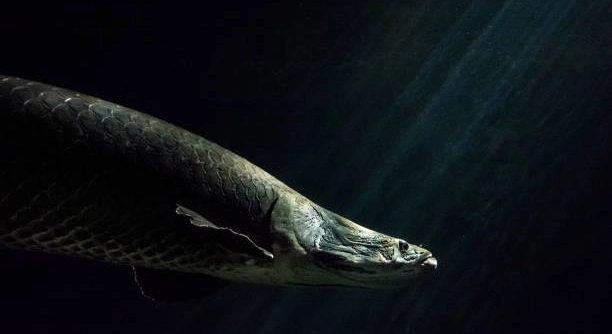
Is your arowana showing unusual behavior by biting its own tail? Observing this can be concerning, especially when you want your fish to remain healthy and active in its aquarium environment.
Tail-biting in arowanas is typically caused by stress, poor water quality, insufficient tank space, or nutritional deficiencies. Addressing these factors promptly can prevent self-injury and promote overall well-being and proper growth of the fish.
Understanding the reasons behind this behavior is essential for maintaining arowana health and ensuring a peaceful, safe aquarium environment for your pet.
Common Causes of Tail Biting in Arowanas
Tail biting often begins when arowanas feel stressed in their environment. Limited swimming space can make them frustrated, causing them to nip at their own tails. Water quality is another major factor. High ammonia, nitrite, or nitrate levels irritate their skin and fins, prompting this behavior. Diet also plays a role; a lack of essential nutrients like proteins, vitamins, and minerals can make the fish restless and lead to self-harm. Tankmates that are aggressive or overly active may also trigger stress, increasing tail-biting tendencies. Some arowanas develop this habit from boredom when there isn’t enough stimulation or hiding places in the tank. Regular observation helps detect these patterns early, allowing corrective actions. Adjusting water parameters, providing adequate space, improving diet, and enriching the tank environment can significantly reduce tail-biting incidents and support the fish’s overall health. Consistency in care is key to preventing recurring behavior.
Addressing environmental and dietary issues usually resolves tail-biting quickly.
Making small changes like adding decorations or improving feeding routines can have a significant impact on behavior and stress levels.
Preventing Tail Biting
Ensuring your arowana has ample swimming space, proper water conditions, and a balanced diet reduces tail-biting behavior. Regular tank maintenance and monitoring help maintain a stable environment, keeping the fish healthy.
To prevent tail biting effectively, start with the tank setup. Large tanks with open swimming areas and hiding spots allow arowanas to feel secure. Regular water testing and partial water changes maintain low toxin levels. Diet should include high-quality pellets, live or frozen foods, and occasional supplements to meet nutritional needs. Avoid aggressive or fin-nipping tankmates that could provoke stress. Enrichment, such as floating plants or gentle water currents, encourages natural behavior and reduces boredom. Observe the fish daily for any early signs of tail damage. Promptly addressing minor injuries prevents infection and discourages repeated biting. Over time, these measures create a healthier, less stressful environment where tail-biting behavior diminishes. Consistency and attention to detail ensure your arowana thrives in its tank without resorting to self-harm.
Water Quality and Its Impact
Poor water quality directly stresses arowanas and can trigger tail biting. High ammonia, nitrite, or nitrate levels irritate their skin, causing discomfort. Maintaining clean water and stable conditions is essential for preventing this harmful behavior.
Regular water testing is crucial. Ammonia should remain at 0 ppm, nitrites at 0 ppm, and nitrates under 20 ppm. Frequent partial water changes help keep these levels safe. Filtration must be sufficient for the tank size, and any uneaten food or waste should be removed promptly. Sudden temperature fluctuations can also stress the fish, so maintaining consistent water temperature is important. Clear, clean water reduces irritation and discourages tail biting.
Adding beneficial bacteria supplements can improve water quality by breaking down waste more efficiently. Combining good filtration, proper cleaning routines, and careful monitoring ensures the arowana remains healthy and reduces stress-related behaviors over time. Consistent care is key to long-term success.
Diet and Nutrition
Balanced nutrition prevents stress and tail-biting tendencies in arowanas. A varied diet that includes high-protein pellets, live or frozen foods, and vitamin supplements supports overall health and growth.
Protein is essential for muscle development, while vitamins and minerals promote strong fins and skin. Feeding small, frequent meals reduces hunger-related aggression. Avoid overfeeding, as excess food can pollute the water and increase stress. Live foods, like small fish or insects, encourage natural hunting behavior, keeping the arowana mentally stimulated. Variety ensures the fish receives all necessary nutrients, supporting both physical health and behavioral stability.
Poor diet can lead to weakness, fin damage, and frustration, making tail biting more likely. Observing feeding behavior helps identify deficiencies or preferences. Adjusting portion sizes and diversifying food types encourages healthier eating habits. Over time, consistent nutrition improves immunity, reduces stress, and minimizes self-injurious behaviors, creating a calmer, more content arowana.
Tank Size and Space
Arowanas need large tanks to swim freely. Limited space increases stress, which often leads to tail biting. Ensuring plenty of open swimming area is essential for their physical and mental well-being.
Providing hiding spots and decorations reduces boredom. Crowded tanks make fish feel threatened and frustrated, worsening tail-biting tendencies.
Stress from Tankmates
Aggressive or overly active tankmates can provoke an arowana, causing stress and self-injury. Careful selection of compatible fish minimizes conflict and promotes calm behavior.
Monitoring Behavior
Regular observation helps detect early signs of tail biting. Noticing changes in swimming or fin condition allows timely intervention to prevent further damage.
Environmental Enrichment
Adding plants, driftwood, or gentle water currents keeps arowanas engaged. A stimulating environment reduces boredom and discourages self-harming behaviors.
FAQ
Why is my arowana constantly biting its tail?
Tail biting is usually a sign of stress, poor water quality, insufficient tank space, or nutritional deficiencies. Environmental factors like aggressive tankmates or a lack of hiding spots can also make your arowana restless, increasing the likelihood of self-harm.
How can I improve water quality to prevent tail biting?
Regular water testing is essential. Keep ammonia and nitrites at 0 ppm and nitrates below 20 ppm. Perform frequent partial water changes and remove uneaten food and debris. Proper filtration and stable water temperature also reduce stress and irritation that lead to tail biting.
What diet changes help reduce tail-biting behavior?
A balanced diet with high-protein pellets, live or frozen foods, and occasional supplements ensures proper nutrition. Small, frequent meals prevent hunger-related stress. Introducing variety, including vitamins and minerals, supports healthy fins and overall immune function, reducing self-injury.
Does tank size really affect tail biting?
Yes, arowanas need large tanks with plenty of swimming space. Crowded conditions cause frustration and stress, which often triggers tail biting. Adding decorations, hiding spots, and open areas allows them to feel secure and less likely to harm themselves.
Can tankmates influence this behavior?
Aggressive or overly active fish increase stress levels, making tail biting more likely. Choose compatible tankmates that are calm and non-aggressive. Monitor interactions and remove or separate any fish causing repeated stress or harassment.
How do I know if my arowana is stressed?
Signs include tail biting, rapid gill movement, loss of appetite, and erratic swimming. Fin damage or rubbing against tank walls is also a warning. Early detection allows intervention before the behavior becomes severe.
Are there treatments for tail injuries?
Minor injuries can heal naturally if stressors are removed. For severe damage, consider isolating the fish in a clean hospital tank and applying appropriate aquarium-safe antibacterial treatments to prevent infection. Monitor healing closely.
Can enrichment prevent tail biting?
Yes, environmental enrichment like floating plants, driftwood, and gentle currents provides stimulation. Mental engagement reduces boredom, which is a common trigger for tail-biting behavior, keeping your arowana calmer and healthier.
How long does it take for tail-biting behavior to stop?
Once the underlying causes—stress, poor water quality, or diet—are addressed, improvement can be seen within days to weeks. Consistency in care and monitoring is key to preventing recurrence.
Is tail biting permanent if ignored?
If left untreated, tail biting can cause severe injury, infection, or stunted growth. Early action is essential to prevent long-term damage and ensure the arowana’s well-being.
How often should I monitor my arowana for tail biting?
Daily observation is ideal. Check swimming patterns, fin condition, and overall behavior. Prompt action at the first signs of self-harm prevents injuries from becoming serious and reduces long-term stress.
Can I prevent tail biting entirely?
While not all instances can be prevented, maintaining stable water conditions, a balanced diet, adequate space, compatible tankmates, and regular enrichment significantly reduces the likelihood of this behavior. Consistent attention and care are the most effective preventive measures.
What should I do if my arowana continues biting its tail despite changes?
Persistent tail biting may indicate deeper health or stress issues. Consult a veterinarian experienced with fish or an aquatics specialist. They can check for parasites, infections, or behavioral triggers that may not be obvious. Early professional guidance helps protect your fish.
Is tail-biting behavior common in young or older arowanas?
It can occur at any age but is more common in juveniles due to smaller tanks and adjustment to new environments. Older arowanas may bite if stressed or if their environment changes suddenly. Awareness of age-related needs is important for prevention.
Does water temperature affect tail biting?
Yes, sudden fluctuations or temperatures outside the ideal range (75–82°F) can stress arowanas. Stable, appropriate temperatures reduce irritation, help digestion, and minimize aggressive or self-harming behaviors.
Can I use any medications to stop tail biting?
Medications are only needed if secondary infections occur. Preventive measures like water quality, proper diet, tank space, and enrichment are far more effective than relying on drugs. Always use fish-safe treatments under guidance.
How do I address tail biting caused by boredom?
Introduce environmental enrichment, like floating plants, tunnels, and driftwood. Vary feeding routines, offer live food, and create gentle currents. Mental stimulation reduces frustration and helps your arowana focus on natural behaviors instead of self-harm.
How important is tank cleaning in preventing tail biting?
Very important. Dirty tanks increase toxin levels, irritate skin, and stress fish. Regular cleaning, water changes, and debris removal maintain a healthy environment, discouraging tail-biting behavior and promoting overall well-being.
Can stress from handling cause tail biting?
Yes, frequent or rough handling can trigger stress, making tail biting more likely. Minimize handling and use proper techniques when necessary to keep your arowana calm and safe.
Are tail-biting incidents a sign of permanent behavior issues?
Not necessarily. If addressed promptly, most tail-biting behaviors stop once stressors are removed and proper care is provided. Consistency in environmental and dietary adjustments ensures long-term health and reduces the chance of recurrence.
How does lighting affect tail-biting behavior?
Too bright or fluctuating lighting can cause stress. Natural or soft lighting mimics their habitat, helping the arowana feel secure and reducing self-injurious behaviors. Regular light schedules also support healthy activity patterns.
Can I prevent tail biting with tank rearrangements?
Yes, rearranging the tank to include hiding spots and open swimming areas helps reduce boredom and stress. Avoid frequent drastic changes, as sudden rearrangements can also cause anxiety. Balance stability with enrichment for optimal results.
Is tail biting more common in specific arowana species?
Behavior varies slightly by species, but most arowanas can display tail biting under stress or poor conditions. Monitoring individual needs and adjusting care accordingly is more important than focusing on species alone.
Can stress from water chemistry changes trigger tail biting?
Yes, rapid pH shifts or hardness changes irritate the skin and fins. Gradual adjustments and stable water chemistry prevent stress-related self-harming behaviors. Regular testing ensures conditions remain safe and comfortable.
Does tank size alone prevent tail biting?
Tank size helps, but it must be combined with proper water quality, diet, compatible tankmates, and enrichment. Space alone is not enough if other stressors are present. Comprehensive care is essential for reducing tail-biting behavior.
How do I know if tail biting is due to infection or stress?
Infections usually show redness, swelling, or fin deterioration. Stress-related biting often appears without clear physical signs initially. Observing the fish closely and addressing both environmental and health factors helps determine the cause.
What long-term care strategies reduce tail biting?
Maintain stable water conditions, provide balanced nutrition, ensure ample swimming space, choose calm tankmates, and include enrichment. Daily observation and prompt intervention when issues arise help prevent recurring tail-biting behavior. Consistency ensures arowanas remain healthy and content over time.
Can isolation help a tail-biting arowana?
Yes, temporarily isolating the fish in a clean tank reduces stress from aggressive tankmates. This also allows closer monitoring of injuries and recovery while ensuring the main tank remains safe for all inhabitants.
Is tail-biting behavior reversible?
Most cases are reversible when underlying causes are addressed. Stress reduction, water quality improvement, diet optimization, and environmental enrichment usually stop the behavior and support recovery.
How do I know if my interventions are working?
Improvement is seen when tail damage stops, swimming behavior becomes calmer, and the arowana shows increased appetite and activity. Daily observation helps track progress and ensures timely adjustments if needed.
Are there signs that tail biting might recur?
Yes, repeated stress, poor water quality, or changes in tank dynamics can trigger recurrence. Ongoing monitoring, consistent care, and environmental enrichment minimize the risk of the behavior returning.
Can tail-biting arowanas injure themselves permanently?
Yes, severe or repeated biting can lead to permanent fin damage, infections, or stunted growth. Prompt intervention is crucial to prevent long-term harm and support recovery.
What should I do if I can’t find the cause of tail biting?
Consult a veterinarian or aquatics specialist. Professional assessment can identify hidden stressors, parasites, or health issues that may not be immediately obvious, ensuring proper treatment and care for your arowana.
Are there preventive measures for new arowanas?
Yes, ensure a properly sized tank, stable water conditions, balanced diet, compatible tankmates, and environmental enrichment from the start. Early care reduces stress and the likelihood of tail-biting behaviors developing.
How frequently should I check water parameters?
Test daily or weekly depending on tank size and population. Consistent monitoring helps catch changes early, maintaining a stable environment and preventing stress-induced behaviors like tail biting.
Do tank decorations matter in preventing tail biting?
Yes, decorations provide hiding spots and mental stimulation. They help reduce boredom and stress, preventing self-injury. Balance open swimming areas with structures to allow security without limiting movement.
Is there a difference in tail-biting behavior between wild-caught and captive-bred arowanas?
Captive-bred arowanas often adapt better to aquarium life, but both can bite their tails under stress. Proper care, diet, and tank conditions are the main factors influencing behavior, regardless of origin.
How important is consistency in care?
Consistency is critical. Regular feeding, water changes, temperature control, and monitoring prevent stress. Fluctuations in care can trigger tail-biting behavior, making a steady routine essential for arowana health.
Can tail-biting behavior affect growth?
Yes, stress and injury from tail biting can slow growth. Maintaining proper diet, water quality, and a calm environment ensures the arowana grows healthily without behavioral setbacks.
How do I balance enrichment without overstressing the fish?
Introduce enrichment gradually. Avoid sudden changes or excessive activity. Gentle currents, floating plants, and hiding spots stimulate natural behavior while keeping stress low. Observe reactions to adjust accordingly.
What’s the role of observation in preventing tail-biting recurrence?
Daily observation allows early detection of behavior changes, fin damage, or stress signs. Prompt action prevents minor issues from becoming severe, ensuring long-term health and minimizing tail-biting episodes.
How can I ensure long-term prevention of tail biting?
Maintain stable water conditions, provide balanced nutrition, ensure ample tank space, choose compatible tankmates, include enrichment, and monitor behavior consistently. Early intervention and ongoing care reduce the likelihood of future tail-biting incidents.
Can stress from transport trigger tail biting?
Yes, moving or introducing fish to a new tank can cause temporary stress. Minimize handling, acclimate slowly, and ensure a stable environment to reduce self-harming behaviors.
Do all arowanas eventually stop tail biting if conditions improve?
Most will stop once stressors are removed and proper care is in place. Some may need additional time or observation, but consistent environmental and dietary improvements usually resolve the behavior.
Are there signs that tail-biting arowanas are recovering?
Yes, improved fin condition, calmer swimming, increased appetite, and reduced self-injurious behavior indicate recovery. Continued monitoring ensures complete healing and prevents recurrence.
How can I tell if tail biting is severe?
Severe cases show visible fin loss, open wounds, swelling, or infection. Immediate intervention, water quality management, and isolation if needed are crucial to prevent permanent damage.
Can environmental changes worsen tail biting initially?
Yes, sudden or drastic changes can temporarily increase stress. Gradual adjustments and careful observation help ensure modifications improve behavior without adding new stressors.
Does tank lighting schedule matter for prevention?
Consistent, moderate lighting helps reduce stress and establishes natural activity patterns. Erratic or overly bright lights can increase agitation, potentially triggering tail-biting behaviors.
Is professional consultation necessary for tail-biting arowanas?
While many cases improve with proper care, persistent or severe behaviors may require professional assessment to rule out parasites, infections, or other underlying health issues.
Can tail-biting arowanas recover fully?
Yes, with proper intervention, most arowanas recover fully. Addressing water quality, diet, tank size, stressors, and enrichment supports healing and prevents further self-injury.
What preventive measures help for multiple arowanas in the same tank?
Provide ample space, compatible tankmates, multiple hiding spots, and monitor for aggression. Regular water maintenance and enrichment reduce stress, minimizing tail-biting behavior in group settings.
How does overfeeding affect tail biting?
Overfeeding leads to poor water quality and excess waste, which irritates skin and fins. This can increase stress and trigger tail-biting behavior. Controlled feeding routines prevent both nutritional and environmental stressors.
Can tail biting be related to disease?
Yes, parasites, bacterial infections, or fungal issues can irritate skin or fins, causing self-harm. Identifying and treating infections early is essential to prevent further damage.
Is tail biting reversible in older arowanas?
Yes, even older fish can stop tail biting once stressors are removed and proper care is provided. Recovery may take longer, but consistent attention ensures improvement.
How do I balance diet, enrichment, and tank conditions for prevention?
Provide a nutritious, varied diet, maintain clean water with stable parameters, and include mental stimulation. Monitoring behavior ensures adjustments are effective and tail-biting risks remain low.
What’s the biggest mistake owners make with tail-biting arowanas?
Ignoring early signs or focusing only on one factor, like diet, while neglecting water quality, space, or stressors. Comprehensive, consistent care is necessary for prevention and recovery.
Are tail-biting behaviors more common in certain climates?
No, stress and environmental factors matter more than climate. Indoor tanks with stable water and temperature control reduce risk regardless of external climate conditions.
Can tail-biting behavior affect other fish?
Indirectly, yes. Stress in one fish can sometimes trigger aggression or anxiety in tankmates. Maintaining stable conditions and observing interactions helps prevent wider tank issues.
How long should I isolate a tail-biting arowana?
Isolation continues until injuries heal and stressors are resolved. This may take days to weeks depending on the severity of the behavior and environmental conditions.
Is there a way to track progress effectively?
Document fin condition, behavior, feeding habits, and water parameters regularly. Tracking changes helps identify successful interventions and prevents recurrence.
Does tail-biting behavior indicate poor genetics?
Not necessarily. Most tail-biting behavior stems from environmental, dietary, or stress-related factors rather than genetics. Proper care usually resolves the issue.
How do I ensure long-term tank stability?
Regular water testing, consistent feeding, compatible tankmates, enrichment, and observation maintain a stable, low-stress environment that minimizes tail-biting behavior.
Are supplements necessary for prevention?
Only if diet lacks essential nutrients. Vitamins and minerals can support fin health and overall growth, reducing self-injurious behavior when dietary gaps exist.
Can temperature swings in seasonal changes trigger tail biting?
Yes, sudden drops or rises in temperature cause stress. Using heaters or chillers to maintain stable conditions prevents irritation and self-harm.
How do I balance diet and enrichment for young arowanas?
Feed high-protein, varied foods and provide engaging tank features. Young fish are more active and require stimulation to reduce boredom-related tail biting.
Is tail biting a sign of aggression?
Not toward others, usually. It is a stress response or reaction to environmental discomfort, rather than true aggression toward tankmates.
Can minor tail biting heal naturally?
Yes, if environmental stressors are corrected and water quality is maintained. Minor injuries often regenerate without intervention.
What signs indicate improvement?
Reduced biting, healthier fins, calmer swimming, and normal feeding habits show that interventions are effective.
Are tail-biting incidents preventable from the start?
Providing proper tank conditions, diet, compatible companions, and enrichment from the beginning greatly reduces the likelihood of tail-biting behaviors developing.
Does stress from loud noises or vibrations matter?
Yes, sudden loud noises or vibrations can trigger stress responses. Minimizing disturbances helps keep the arowana calm and less prone to tail biting.
Can tail biting affect breeding arowanas?
Excess stress and injury can impact reproductive health. Stable conditions, proper nutrition, and low-stress environments are essential for healthy breeding behavior.
How do I balance multiple preventive measures?
Combine water quality maintenance, balanced nutrition, sufficient space, compatible tankmates, enrichment, and observation. Integrated care ensures tail-biting behaviors remain minimal.
What if tail biting returns after improvement?
Reassess environmental factors, water quality, diet, and stressors. Recurrence indicates unresolved issues. Adjust care and consider professional guidance if necessary.
Can tail-biting behavior indicate other health problems?
Yes, it may signal infections, parasites, nutritional deficiencies, or stress. Comprehensive assessment helps identify root causes and address them effectively.
How often should I review my tank setup for prevention?
Regularly, at least monthly, to ensure decorations, hiding spots, water quality, and tankmates remain optimal. Continuous evaluation prevents tail-biting triggers.
Can stress from overcrowding trigger tail biting?
Yes, too many fish in a tank increases competition and anxiety. Adequate space is necessary to prevent self-harm and maintain harmony.
Do tail-biting behaviors differ by tank size?
Smaller tanks often increase stress and biting. Larger tanks with open areas and enrichment reduce the likelihood of this behavior occurring.
Is there a way to measure success in stopping tail biting?
Monitor fin regeneration, behavior, feeding, and stress indicators. Consistent improvement across these areas signals successful intervention and prevention.
How critical is consistent feeding in prevention?
Very. Irregular feeding causes stress and frustration, which may trigger tail biting. Maintaining a steady routine supports calm, healthy behavior.
Do seasonal changes in light affect tail-biting behavior?
Yes, abrupt changes can stress fish. Gradual adjustments and consistent lighting schedules help maintain stability and reduce self-harming behavior.
Can tail-biting arowanas harm themselves seriously?
Yes, persistent biting can lead to severe fin loss, infections, and stunted growth. Timely intervention is essential for recovery.
How do I balance all care aspects for long-term prevention?
Maintain water quality, nutrition, space, tankmates, enrichment, and observation. Integrated, consistent care is key to keeping tail-biting behavior under control.
Are there early warning signs of tail-biting issues?
Fin nipping, rubbing against surfaces, restlessness, and sudden changes in swimming or appetite are early indicators that
Tail biting in arowanas can be a stressful experience for any fish owner. It is often a result of environmental factors, dietary deficiencies, or stress caused by tankmates or limited space. Understanding the reasons behind this behavior is essential for providing proper care and preventing injuries. Observing your fish regularly allows you to notice early signs of tail biting, such as damaged fins, unusual swimming patterns, or restlessness. Acting quickly when these signs appear can prevent more serious issues and help maintain the overall health of your arowana. Regular water testing, monitoring tank conditions, and ensuring appropriate tank size are key steps in reducing stress that may lead to self-injurious behavior.
Providing a balanced diet is another critical factor in preventing tail biting. Arowanas require high-protein foods, vitamins, and minerals to support their growth and maintain healthy fins. Feeding small, frequent meals helps reduce hunger-related stress, while incorporating a variety of live, frozen, or pellet foods ensures all nutritional needs are met. Poor diet can weaken the fish and make it more prone to harmful behaviors. Additionally, environmental enrichment plays a significant role in keeping arowanas engaged. Adding hiding spots, driftwood, or gentle water currents can reduce boredom and promote natural behaviors. By combining proper nutrition with a stimulating tank environment, you can help your arowana remain healthy, active, and less likely to bite its tail.
Consistency in care is essential for long-term success. Maintaining stable water conditions, monitoring behavior, and providing proper nutrition and tank space reduces the likelihood of tail-biting behaviors returning. Addressing any stressors promptly, such as aggressive tankmates or poor water quality, ensures your arowana remains calm and comfortable. Even minor injuries can heal effectively if the environment is suitable and the fish receives proper care. Over time, with attention to diet, enrichment, and tank conditions, tail biting can be minimized or stopped entirely. Being proactive and consistent in your approach will help your arowana thrive, grow healthily, and enjoy a safer, less stressful life in its aquarium.

Hello,
If you enjoy the content that we create, please consider saying a "Thank You!" by leaving a tip.
Every little bit helps us continue crafting quality advice that supports the health, happiness, and well-being of pets around the world, for pets of all shapes, sizes, and species.
We really appreciate the kindness and support that you show us!